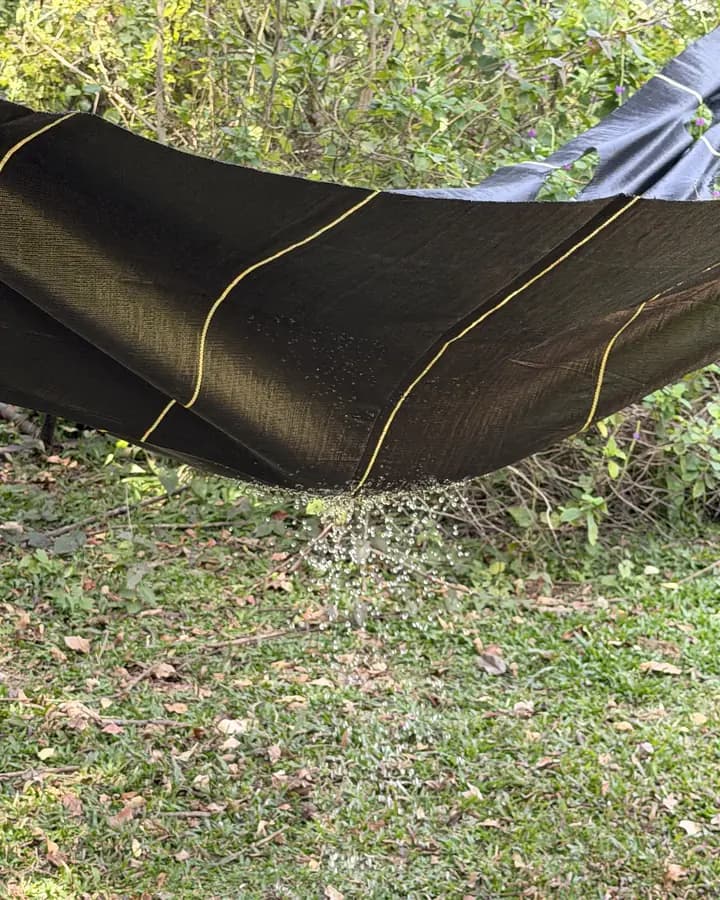
When to Replace Landscape Fabric (Signs It's Failed - and What to Put Back)
Fabric does not fail all at once. Here are the field signs it is done, and how to choose SHIELD, XBAR, or TERRA for the ground you put back.
Read articleField-tested guides on choosing and installing the right landscape fabric, from the people who make it. Use the right fabric for the right ground condition.
Fabric does not fail all at once. Here are the field signs it is done, and how to choose SHIELD, XBAR, or TERRA for the ground you put back.
A 5 oz weed barrier is a favorite of professional landscapers, commercial gardeners, and serious DIYers for the heavy-duty jobs. Here are five reasons pros reach for it, and when a lighter fabric is the smarter call.
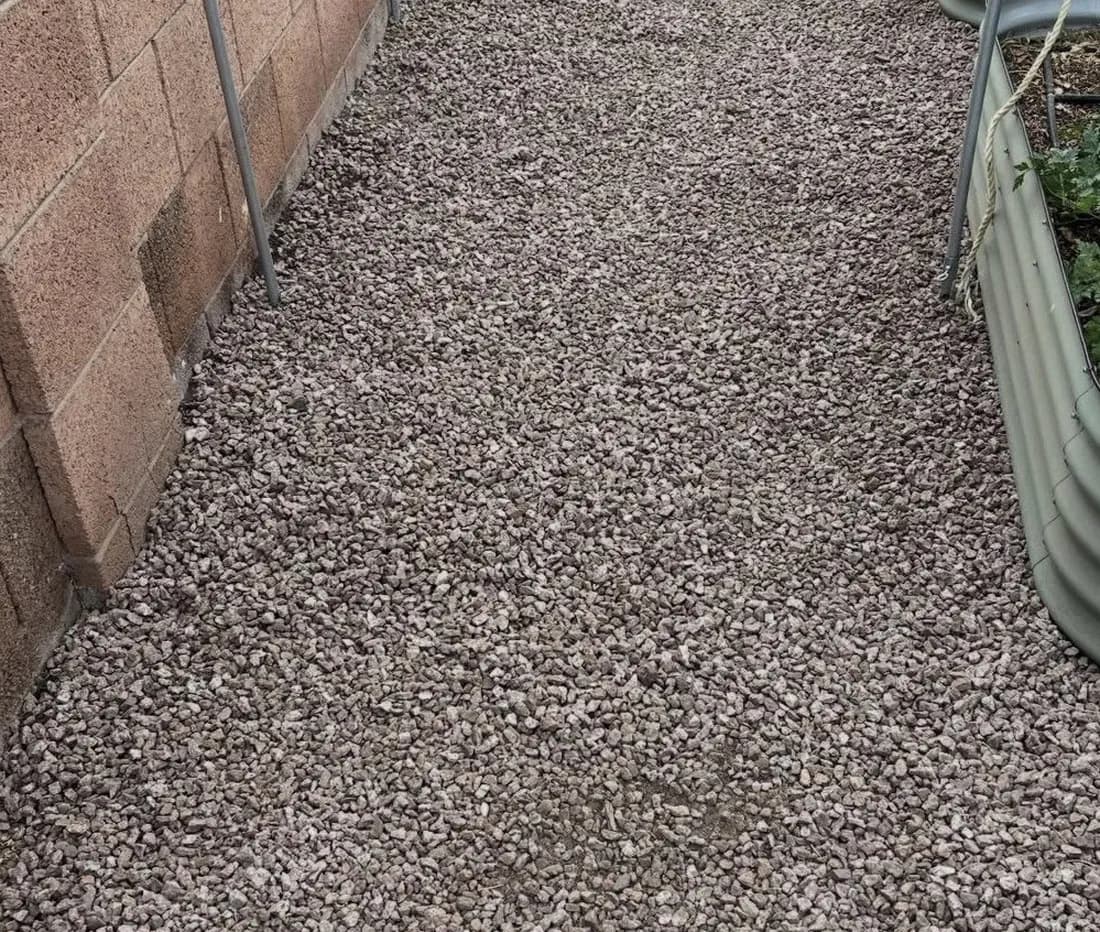
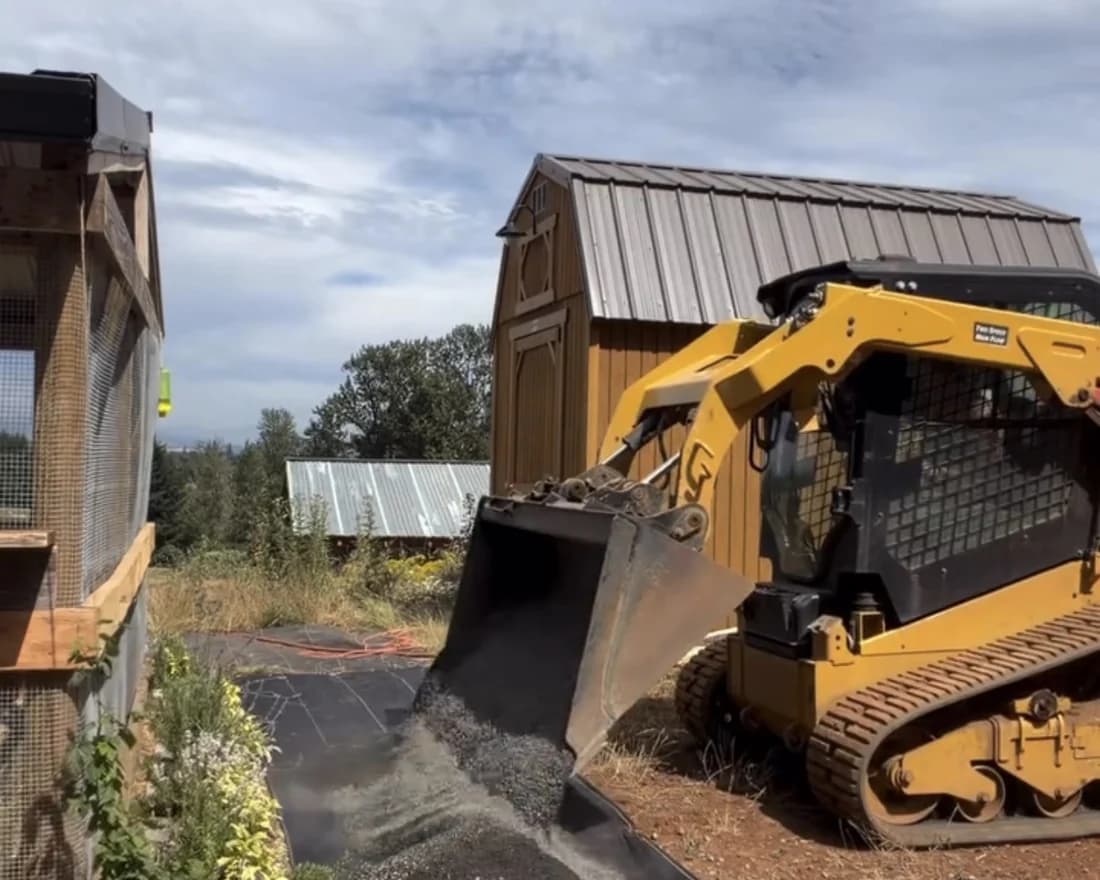
A garden weed barrier will not survive vehicle load. Use 5oz dual-layer XBAR under a gravel driveway so stone stays put. Free US shipping, no minimum.
Turf Magazine covered the US launch of DOTDAY SHIELD and XBAR - two professional landscape fabrics designed around a single principle: match the fabric to the ground condition, and the job gets done right the first time.
The landscape fabric calculator formula is area plus a 10% overlap buffer, then the roll that fits. Run the free tool, or work a bed, driveway, or drain by hand. Free US shipping, no minimum.
Speccing material across job sites is a different problem from buying one roll for a weekend bed. The wrong call costs you callbacks, re-digs, and margin. Here's how pros choose and buy landscape fabric in bulk.
Absolutely love this weed barrier. It’s durable, thicker, and a game changer for having to pull weeds. It doesn’t shred like its competitors. Dot Day has gained a customer for life over here!
Gardeners, homesteaders, and contractors putting DOTDAY to work, straight from @dotday_landscape_fabrics.
Fabric does not fail all at once. Here are the field signs it is done, and how to choose SHIELD, XBAR, or TERRA for the ground you put back.
Read articleThe landscape fabric calculator formula is area plus a 10% overlap buffer, then the roll that fits. Run the free tool, or work a bed, driveway, or drain by hand. Free US shipping, no minimum.
Read article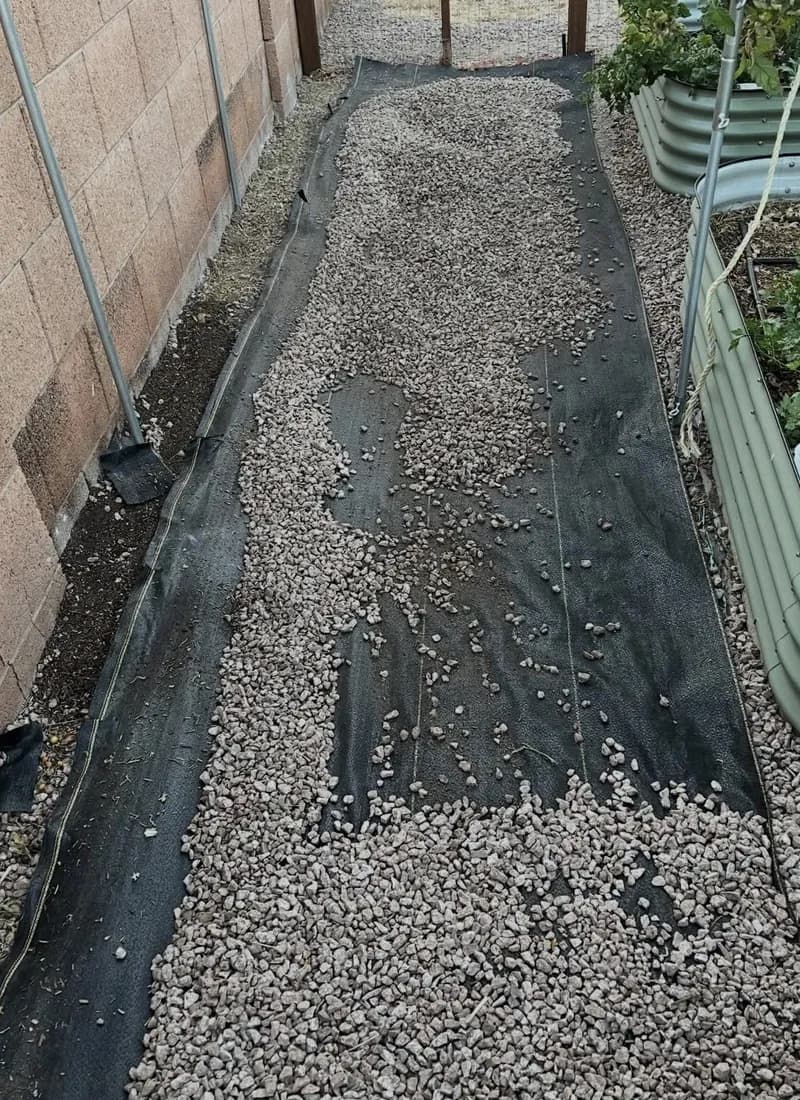
A garden weed barrier under a paver base pumps and tears. Use 5oz dual-layer XBAR so the base stays flat and joint weeds stay down. Free US shipping, no minimum.
Read articleThe right fabric, installed correctly, lasts for years. DOTDAY makes that simple, so you can get back to growing your landscape with ease.
Right fabric. Right ground.
How DOTDAY started, why we build three fabrics instead of one, and what we test before any roll ships.
Permeable construction holds soil moisture and regulates temperature while blocking weeds from below. The catch is matching the fabric to the job, a light bed cloth and a hardscape fabric are not interchangeable.
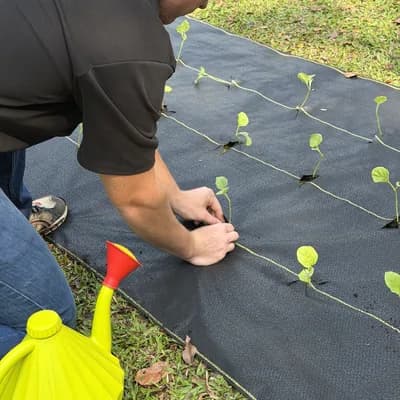
Landscape fabric blocks weeds without chemical herbicides, which makes it an eco-friendly choice for conscientious growers. By holding soil moisture and reducing erosion, the right fabric protects both your garden and the ground it sits on.
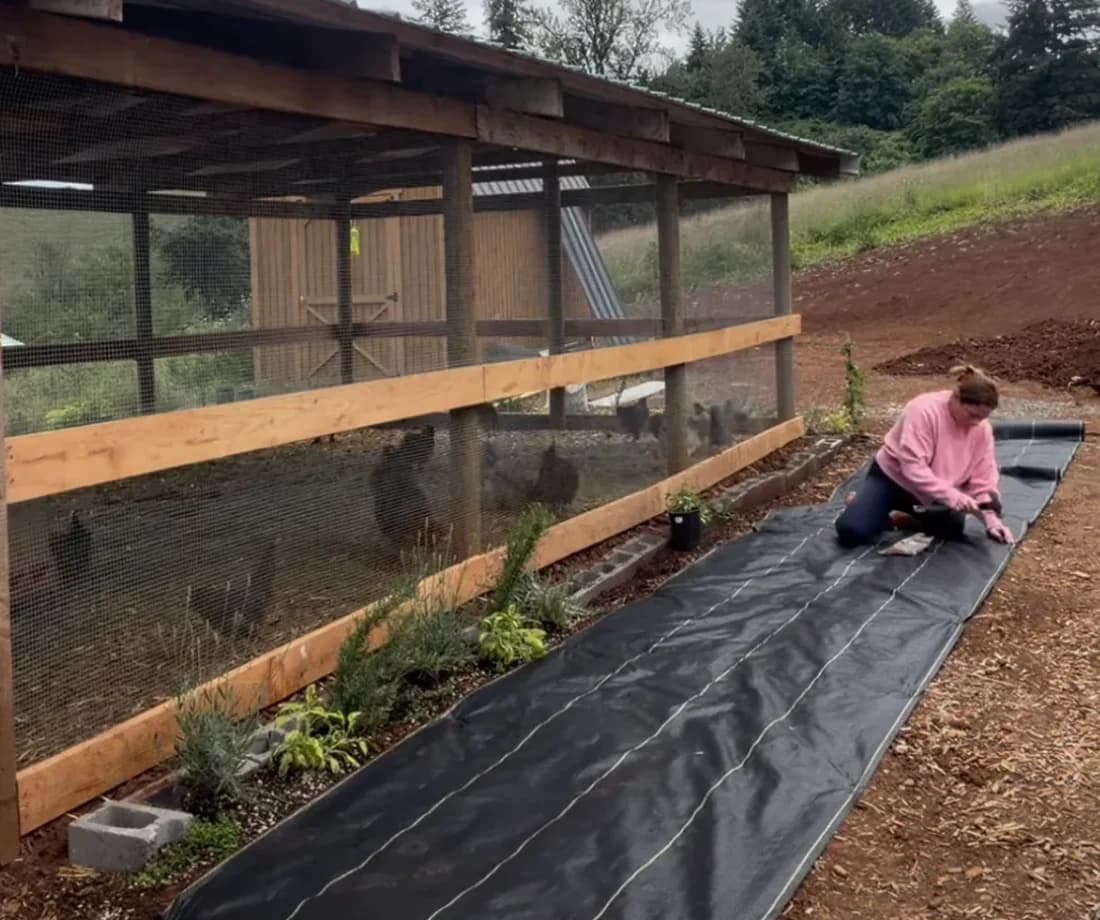
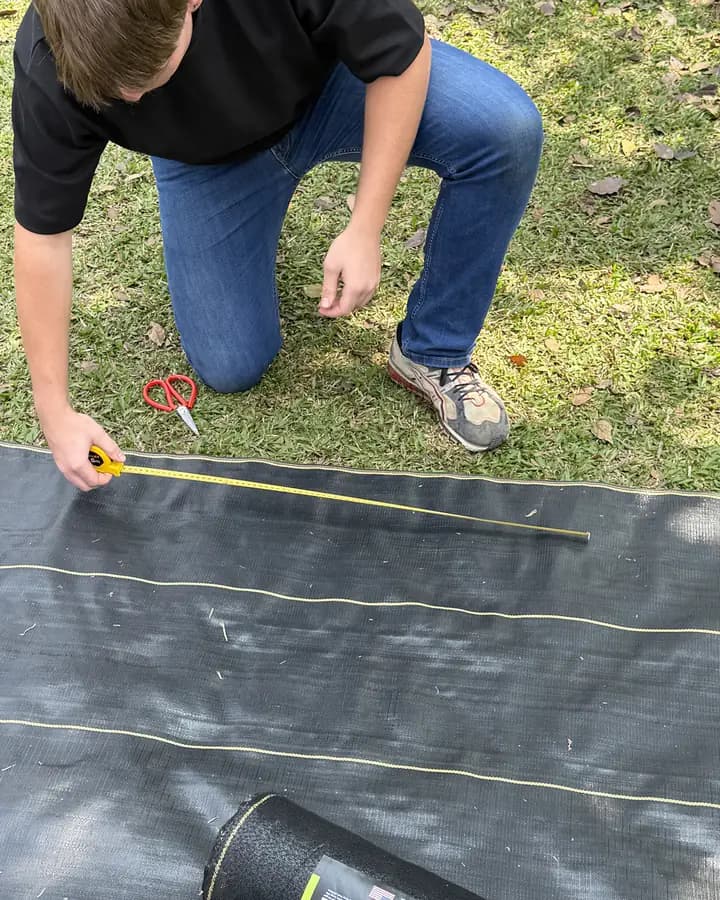
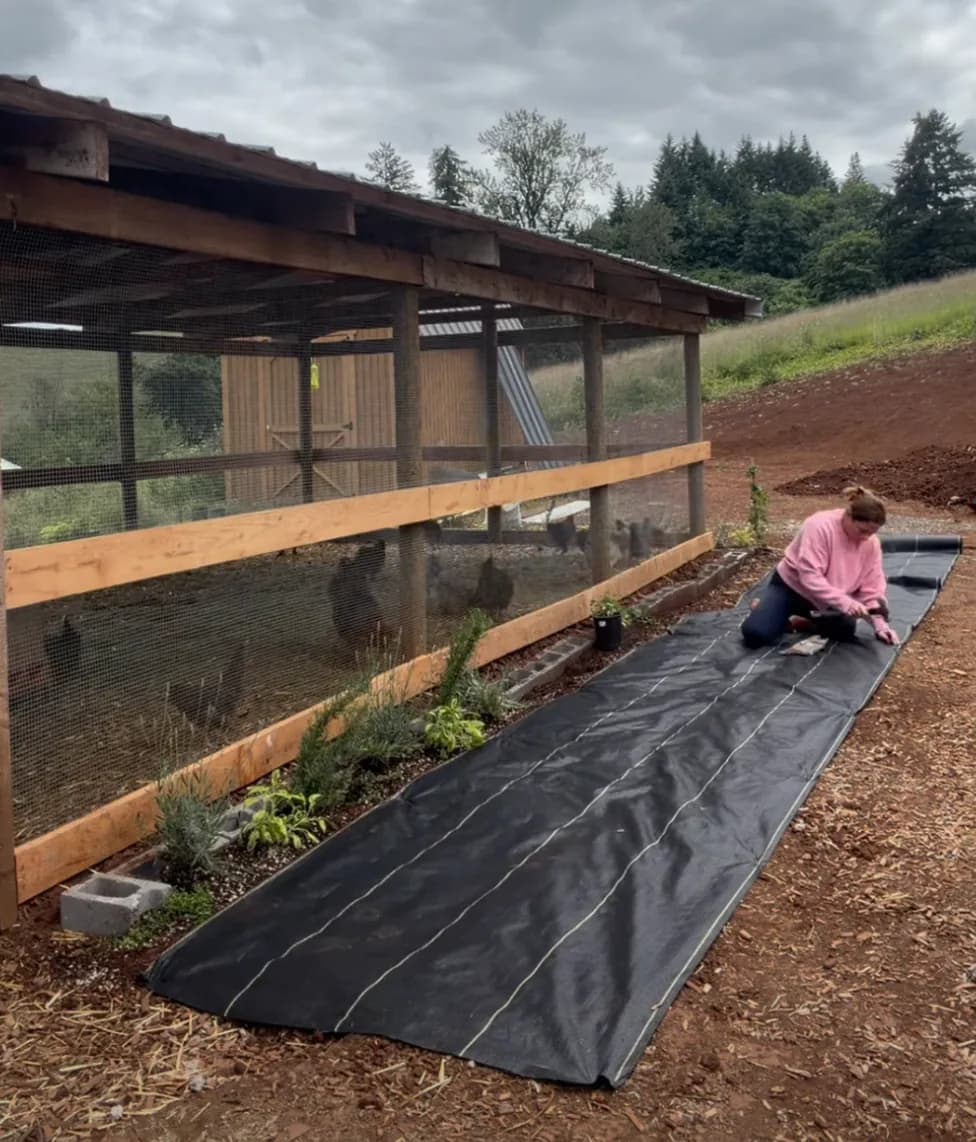
Lay the fabric flat over cleared, leveled ground and overlap each run so weeds cannot find the seam. The prep that makes a landscape fabric install last.
Read the related guideFabric does not fail all at once. Here are the field signs it is done, and how to choose SHIELD, XBAR, or TERRA for the ground you put back.
A 5 oz weed barrier is a favorite of professional landscapers, commercial gardeners, and serious DIYers for the heavy-duty jobs. Here are five reasons pros reach for it, and when a lighter fabric is the smarter call.
A garden weed barrier will not survive vehicle load. Use 5oz dual-layer XBAR under a gravel driveway so stone stays put. Free US shipping, no minimum.
Turf Magazine covered the US launch of DOTDAY SHIELD and XBAR - two professional landscape fabrics designed around a single principle: match the fabric to the ground condition, and the job gets done right the first time.
Speccing material across job sites is a different problem from buying one roll for a weekend bed. The wrong call costs you callbacks, re-digs, and margin. Here's how pros choose and buy landscape fabric in bulk.
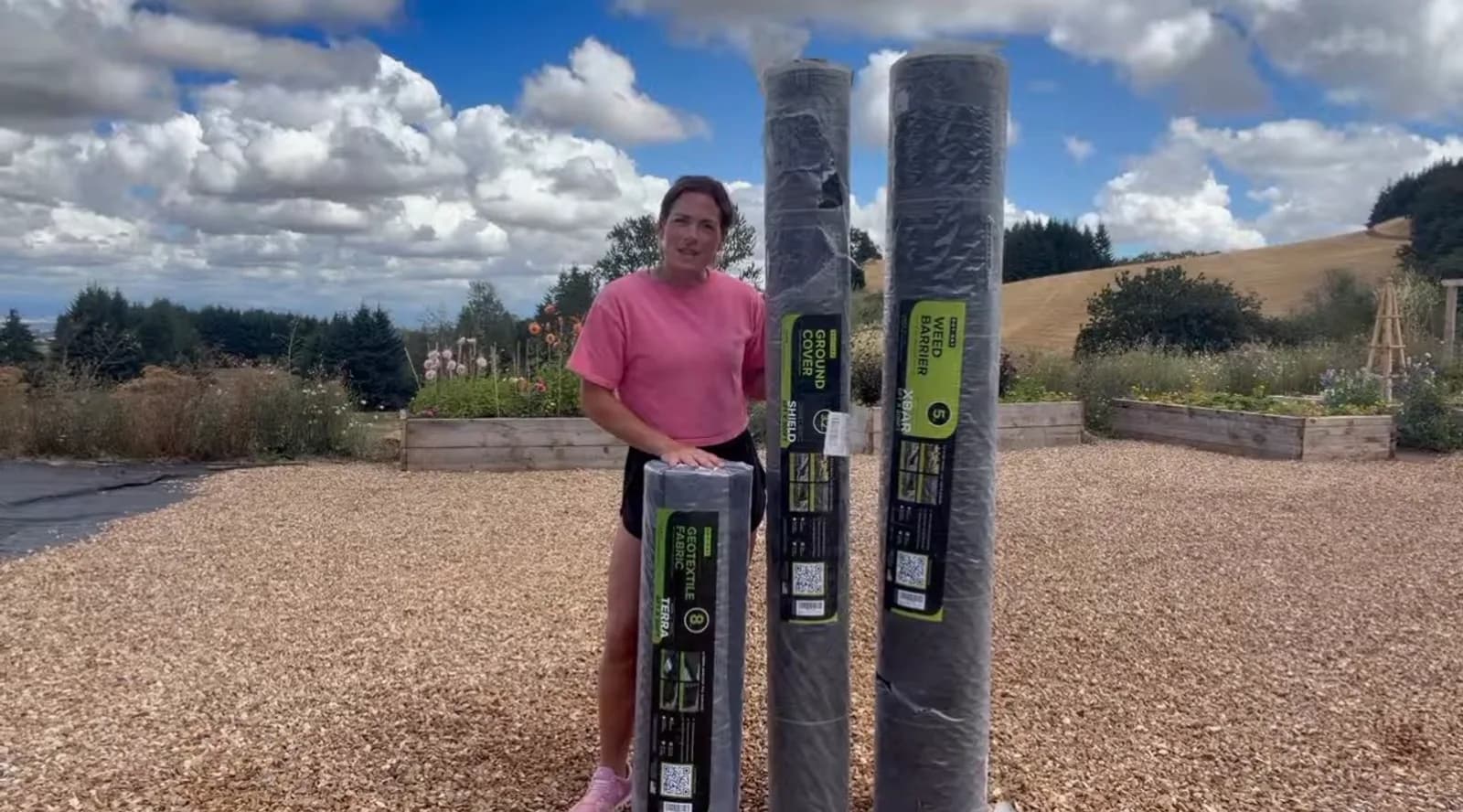
Fabric is sold by weight in ounces per square yard, and that number is the whole decision. This chart matches each oz weight to the job it is built for, so you buy once and buy right.
Absolutely love this weed barrier. It's durable, thicker, and a game changer for having to pull weeds. It doesn't shred like its competitors.
On hardscape and paver jobs, the dual-layer XBAR is what holds up. It resists the punching and pumping that tears a light garden cloth apart under a compacted base.
Premium landscape fabric engineered for performance. Three builds, one for each ground condition, trusted by contractors and serious growers.
It depends on the fabric weight and whether it is covered. A light 3.2oz woven like SHIELD lasts for years under mulch in a garden bed; a heavier 5oz dual-layer like XBAR is built for the load and abrasion of gravel and hardscape. Keeping fabric covered from UV is the single biggest factor in lifespan.
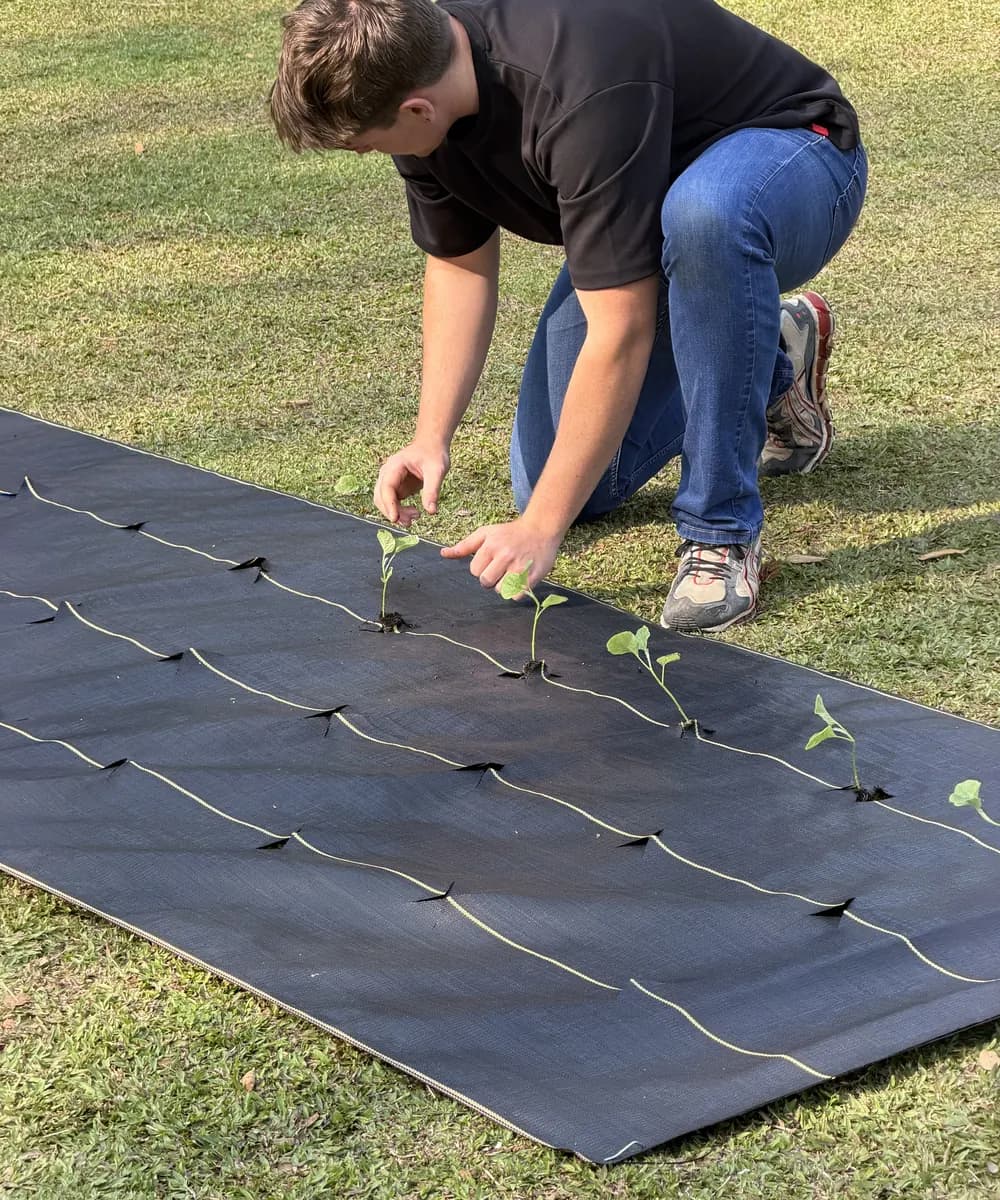
No. DOTDAY fabrics are permeable, so water, air, and nutrients reach the soil. They block weeds from below while letting your intended plants thrive. For beds you cut an X where each plant goes and fold the flaps back.
Yes, but use the right one. Under gravel and hardscape you want a heavier woven or dual-layer fabric like XBAR that resists punching and pumping, not a light garden cloth. For pure drainage and separation, a non-woven geotextile like TERRA is the right call.
Woven fabric is best for weed suppression and ground cover. Non-woven geotextile is engineered for drainage and filtration. XBAR uses a dual-layer build, a woven top with a non-woven backing, for strength and separation under hardscape. Our woven vs non-woven guide breaks down when to use each.
Clear the site, unroll with 6-inch overlaps, secure with staples every 12 to 18 inches, and cover with mulch or gravel for UV protection. Our step-by-step install guide walks through each stage.
Yes. DOTDAY fabrics are chemically inert and safe around edible plants, herbs, and food crops. They help retain soil moisture and reduce the need for herbicides.