
The build, rolling
Her own footage from the coop bar build, exactly as she filmed it.
Built By Bri
My toxic trait is thinking every farm animal deserves real estate.Bri Johnson, @breeziblooms
A farm in Oregon. A coop, a greenhouse, raised beds, two Bernese mountain dogs who supervise everything, and a to-do list that has never once been finished. We are the part you cannot see. The layer under the gravel.
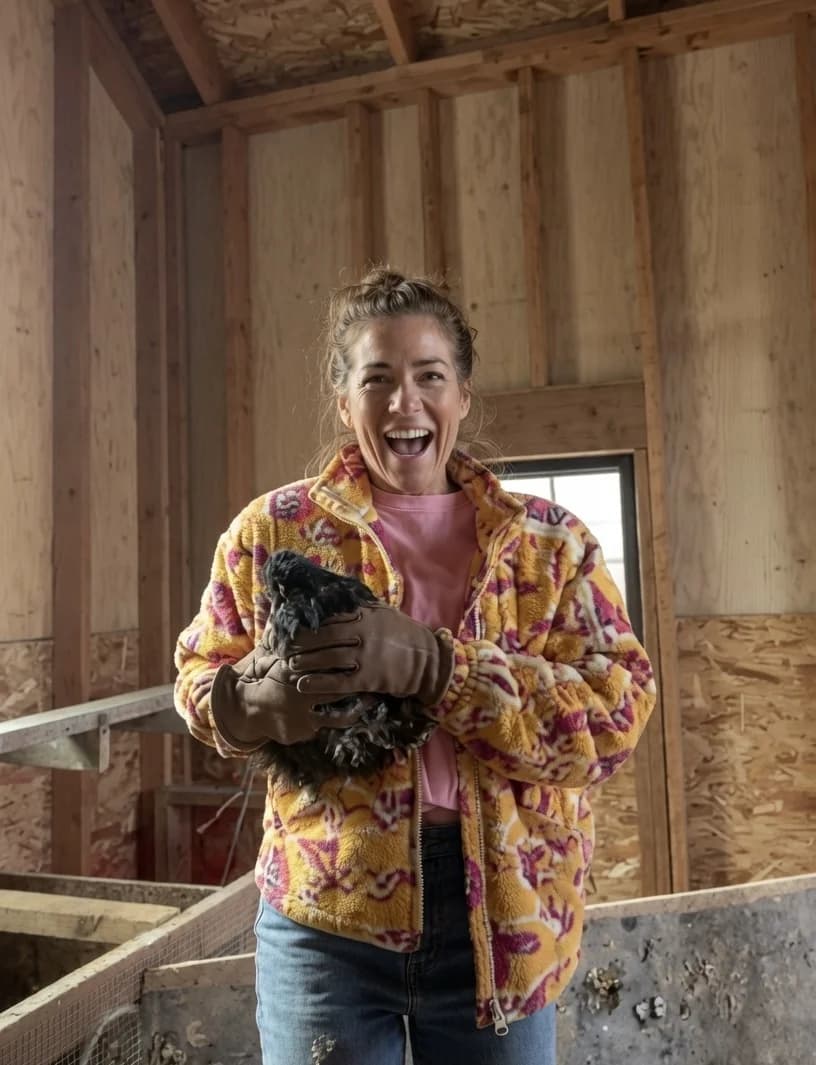
Don't let anyone talk you out of those 5 chickens. Because those 10 chickens might be the best 25 chickens and 12 ducks you've ever met.
Bri, on her own feed
Bri runs @breeziblooms from her farm in Oregon. Wife and mama first, and then, in whatever hours are left over, a grower and a builder. Beans that outgrow her, a greenhouse she cannot walk past, hens in the run, two Bernese mountain dogs who appear in roughly every third frame.
Half her posts are jokes at her own expense. About how expensive the hobby is. About her husband watching her leave to buy more plants. About the chicken math that starts at five and ends somewhere well past twenty five.
She is not a landscaping account and she is not selling you fabric. She is a person whose Saturdays disappear into projects, who will spend real money making a corner of a farm nicer for animals who will never once notice. Which is exactly why, when she says something works, it lands differently.
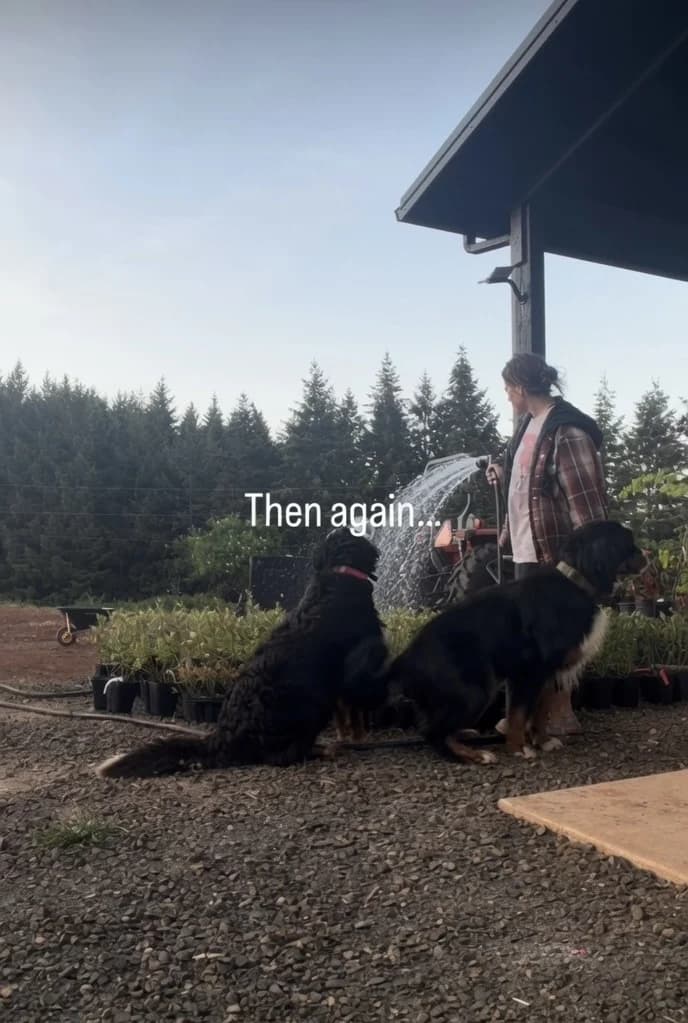
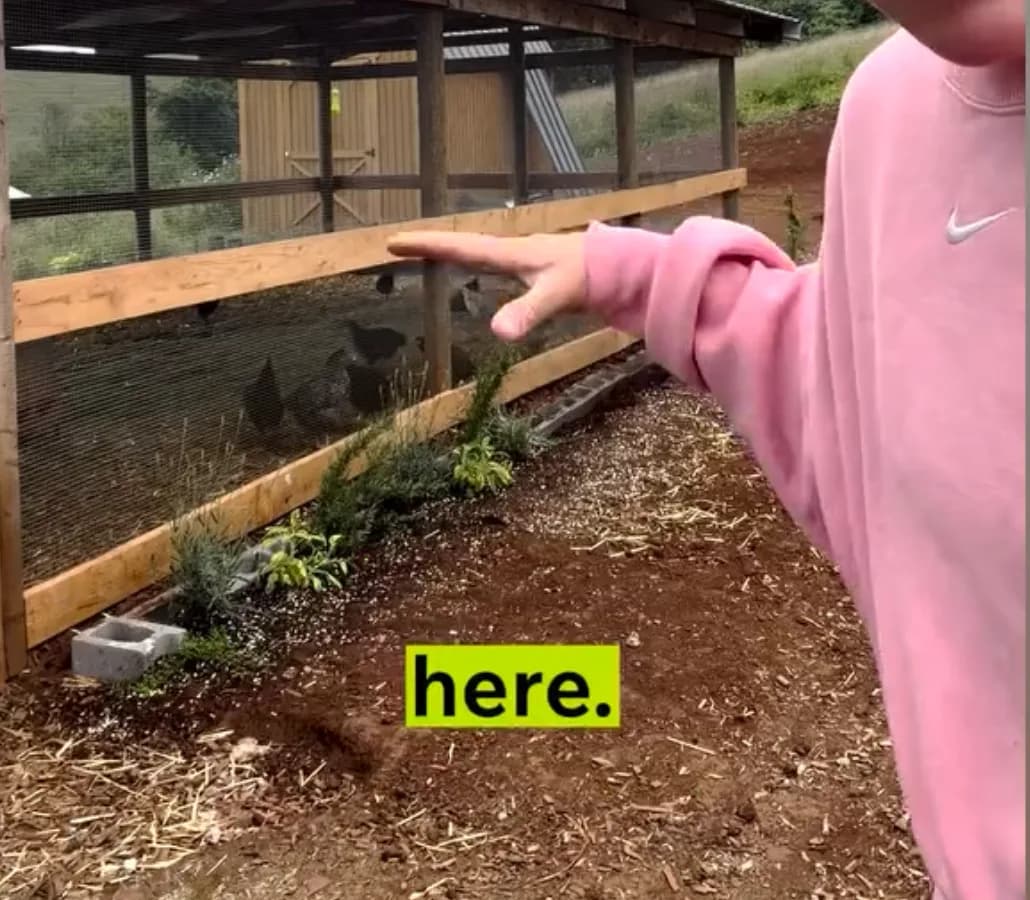
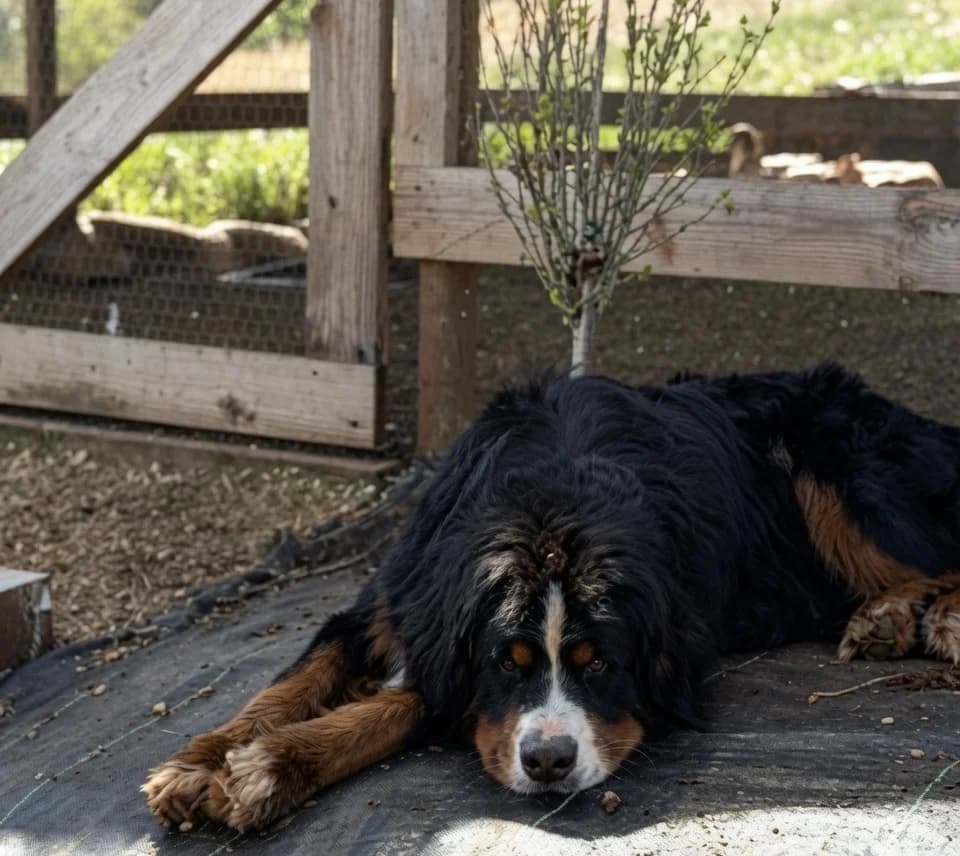
Evening watering with both Berners supervising. Hens in the run. One dog asleep on the fabric before the rock went down, which nobody asked him to test.
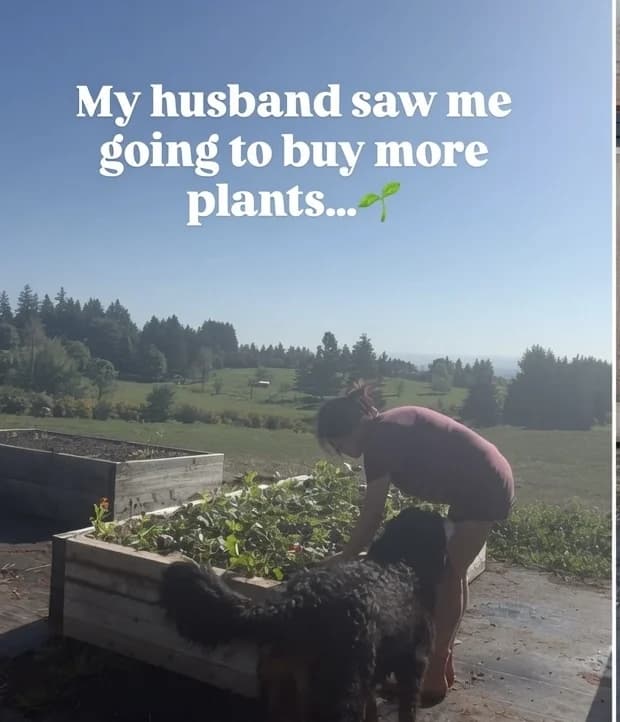
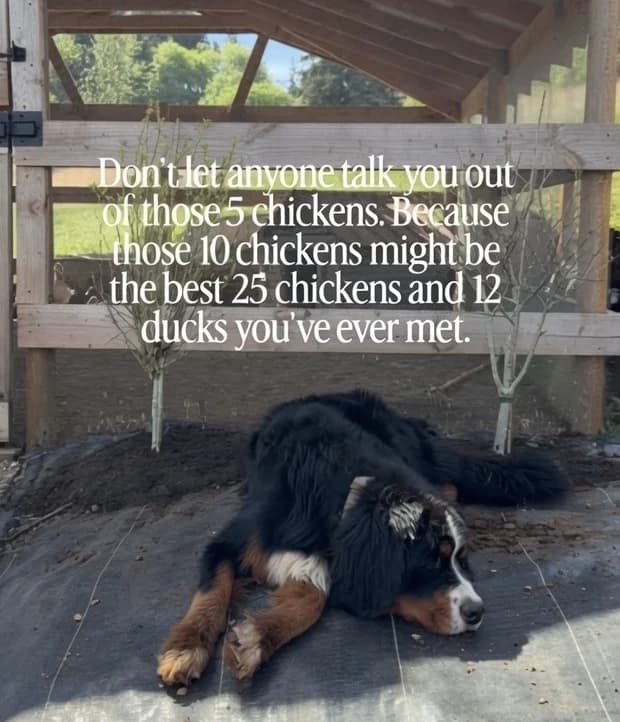
Two of her own posts. The jokes are hers. So is the farm.
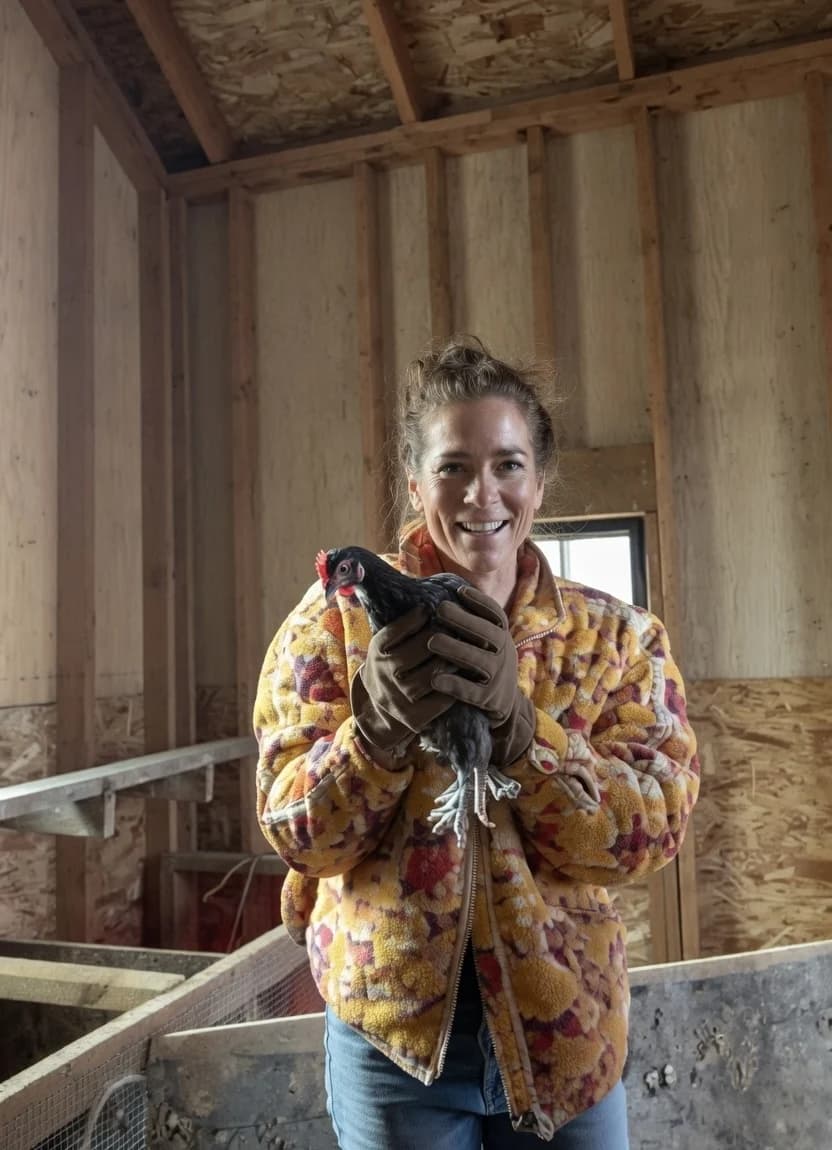
Bri's following did not come from chasing trends. It came from showing up, doing the work herself, and letting people watch the mess as well as the finish. Being a small part of a bar she built for her hens means more to us than any ad ever could.
A gravel strip running the length of the coop run, edged in timber, planted along one side, finished properly so it stays clean and walkable instead of turning to mud and weeds by August. Bar stools at the end. Somewhere to sit with a drink and watch the hens. It is a small thing and it is completely serious. Nobody builds this unless they love the animals and love the doing.
Her own footage from the coop bar build, exactly as she filmed it.
The run, the hens and the fabric, in her own words.

A real working relationship that started with one question about fabric and ended with a coop bar we are quietly proud to be under.
We asked what she had used before. Her answer is the reason this page exists.
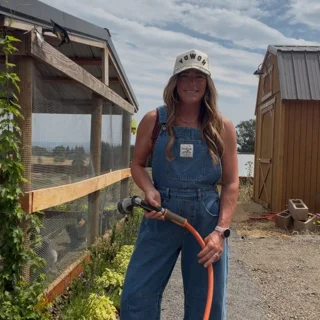
We asked whether she had tried other fabrics. She had, sort of. Road fabric, because that is what her trade orders.
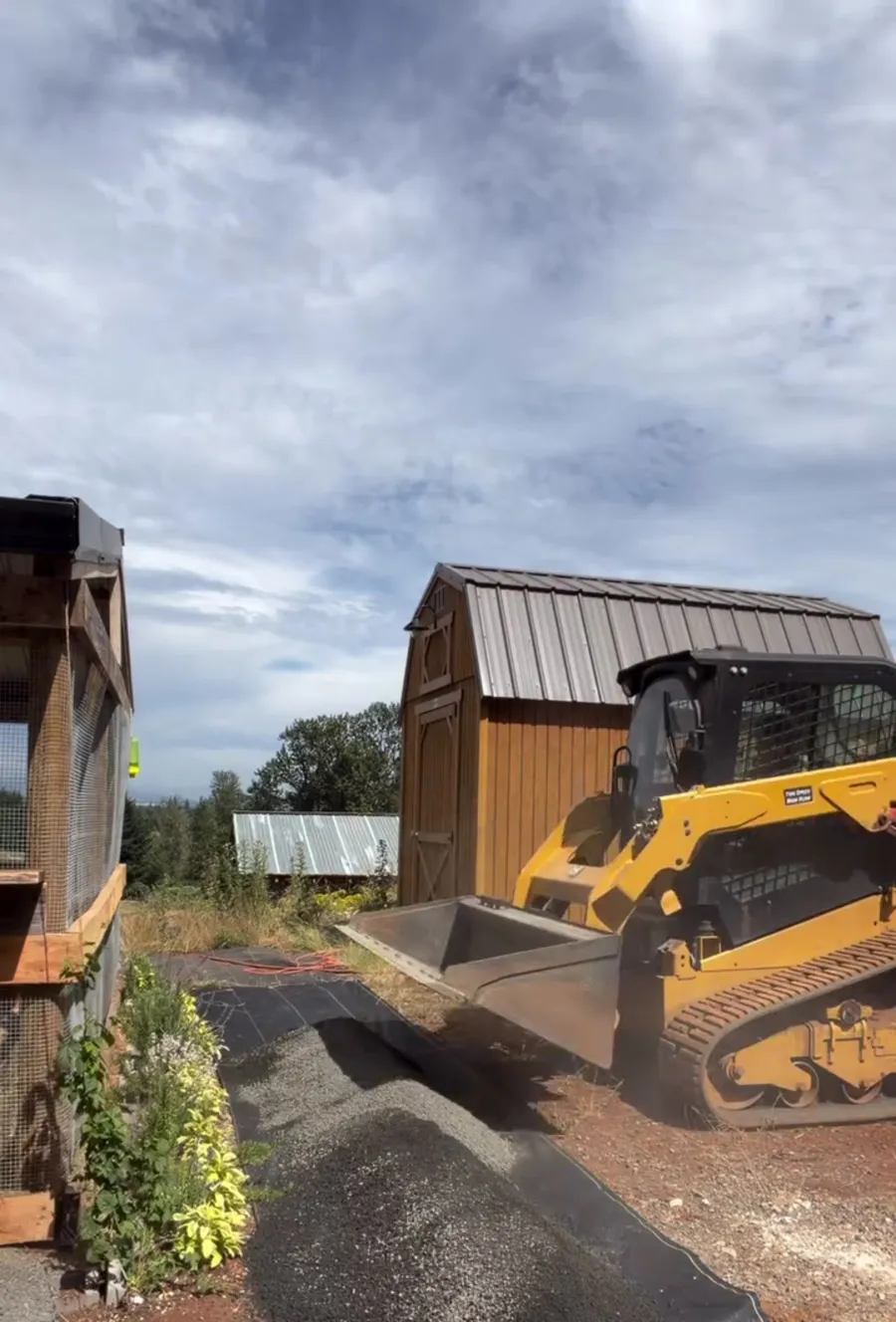
She laid XBAR along the coop run and filmed it herself, narrating while she worked.
Weeks passed. She would not post a finish she had not actually finished.
Game changer compared to traditional road fabric. Her words, unprompted, in July.
A real farm project, in the exact order she tackled it.
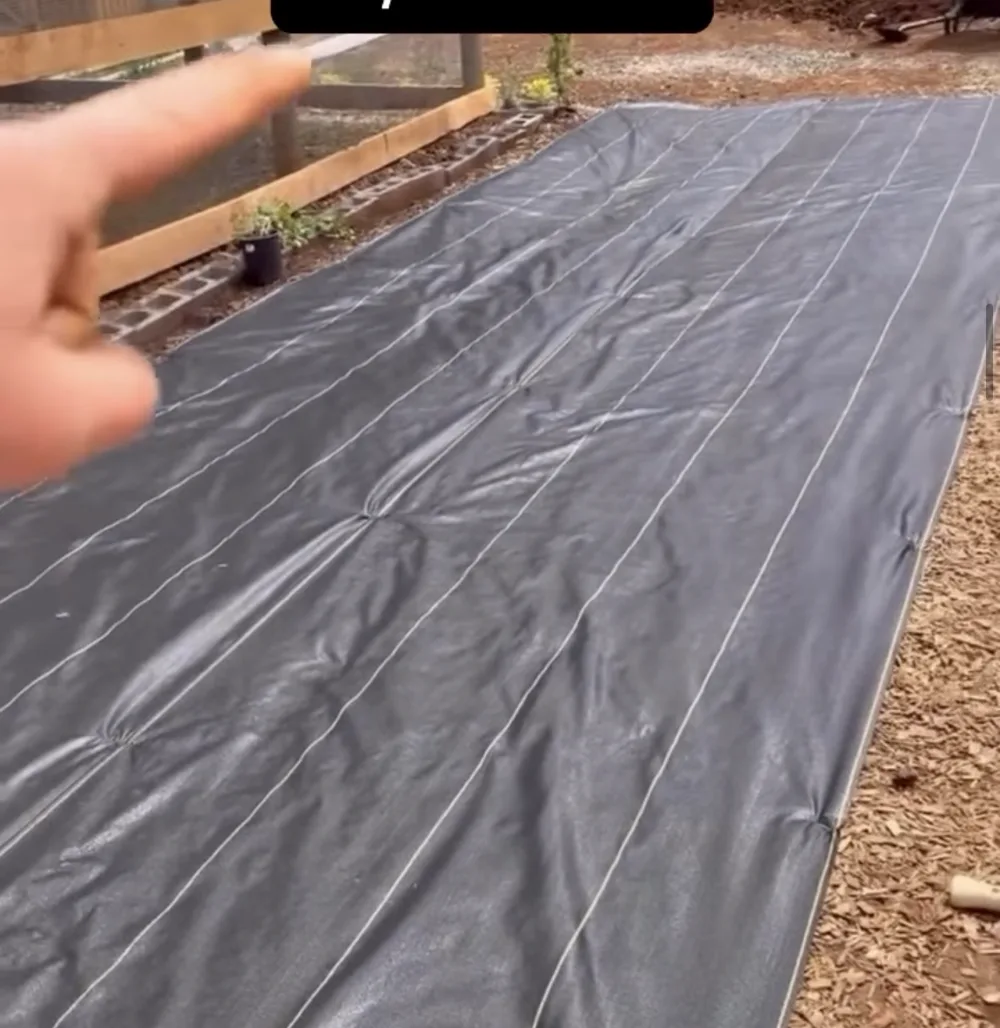
One roll runs the full length, edge tucked to the timber. The yellow lines every 12 inches keep the cut straight.
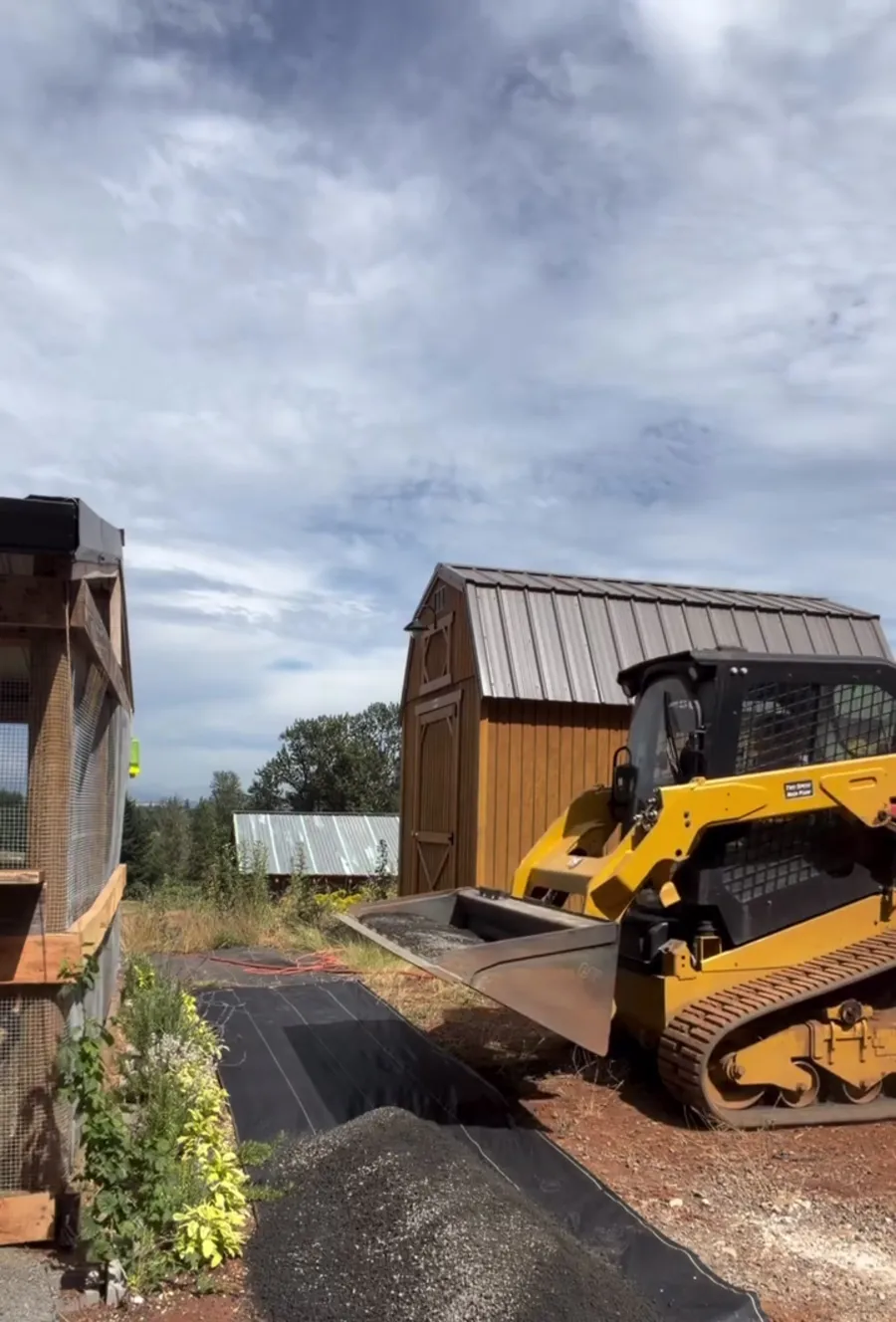
Quarter minus straight from the bucket. This is the moment cheap fabric tears. It did not.
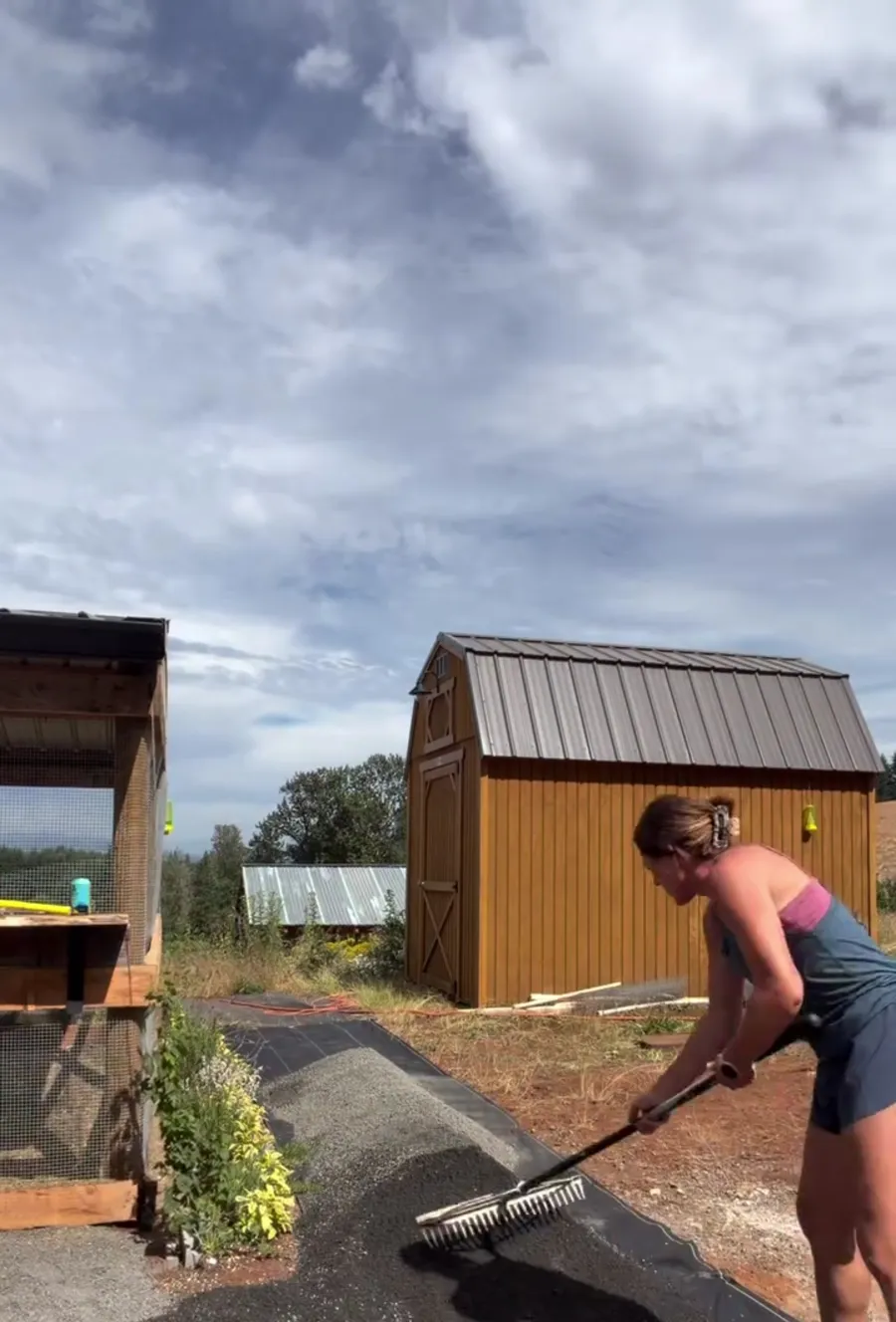
Levelled, then compacted. In her words, pack it down so that it holds.
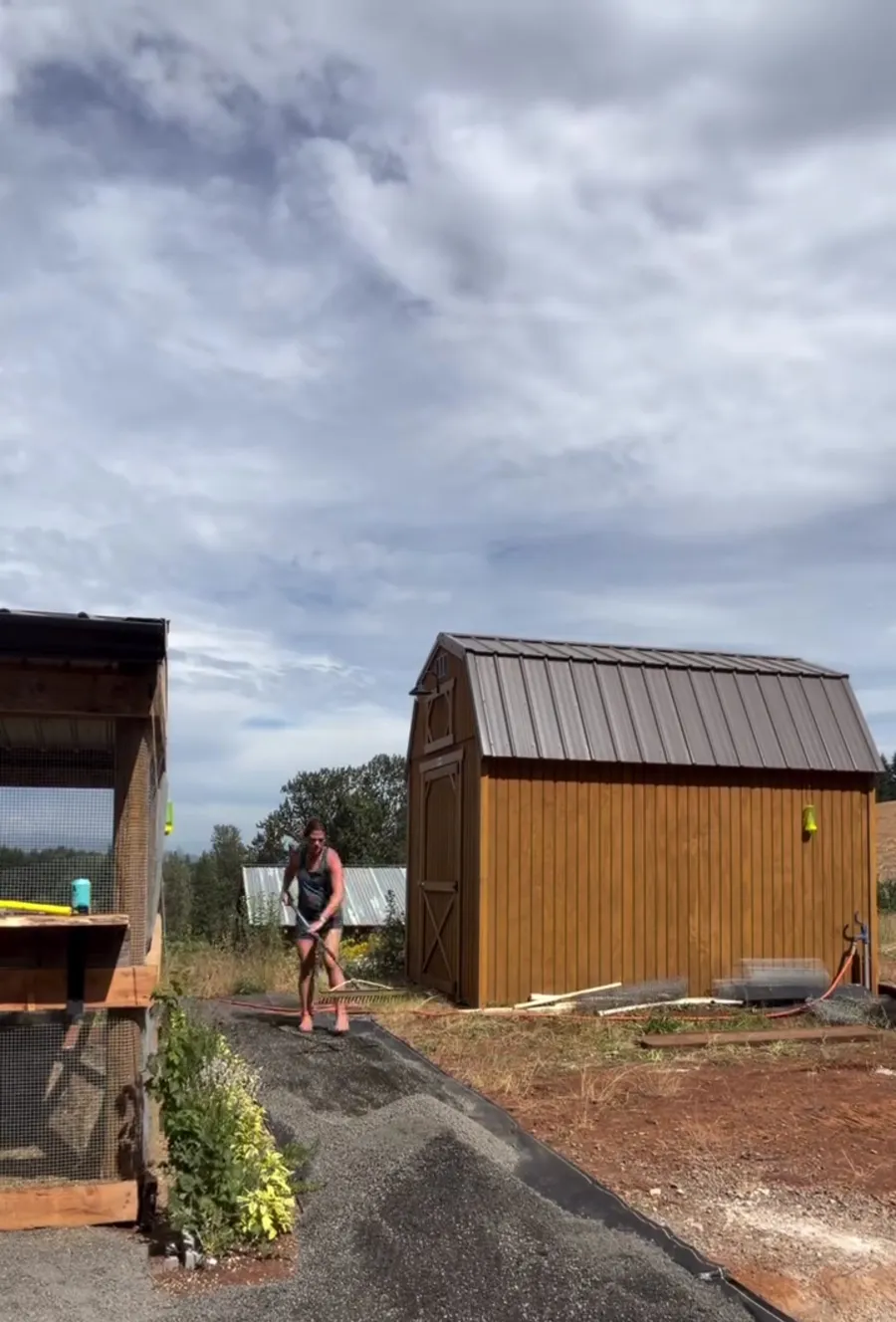
Clean, walkable, weed suppressed. Ready for stools.
A gravel run beside a coop takes constant traffic, hooves of a sort, weather and a bucket load of quarter minus dropped from height. Most weed cloth is not built for that. XBAR is, which is why it holds the whole strip together: strength and drainage, in one fabric.
Rock off a bucket, compaction, boots and birds. The woven face keeps stone from working down into the soil.
10.5 gal/min/sf means water moves straight through instead of sitting under the gravel and turning the run to mud.
Cut lines stay clean, no fraying into the border. One follower called it out before we did.

Will it hold up under gravel?
The question everyone asks. This is the answer.
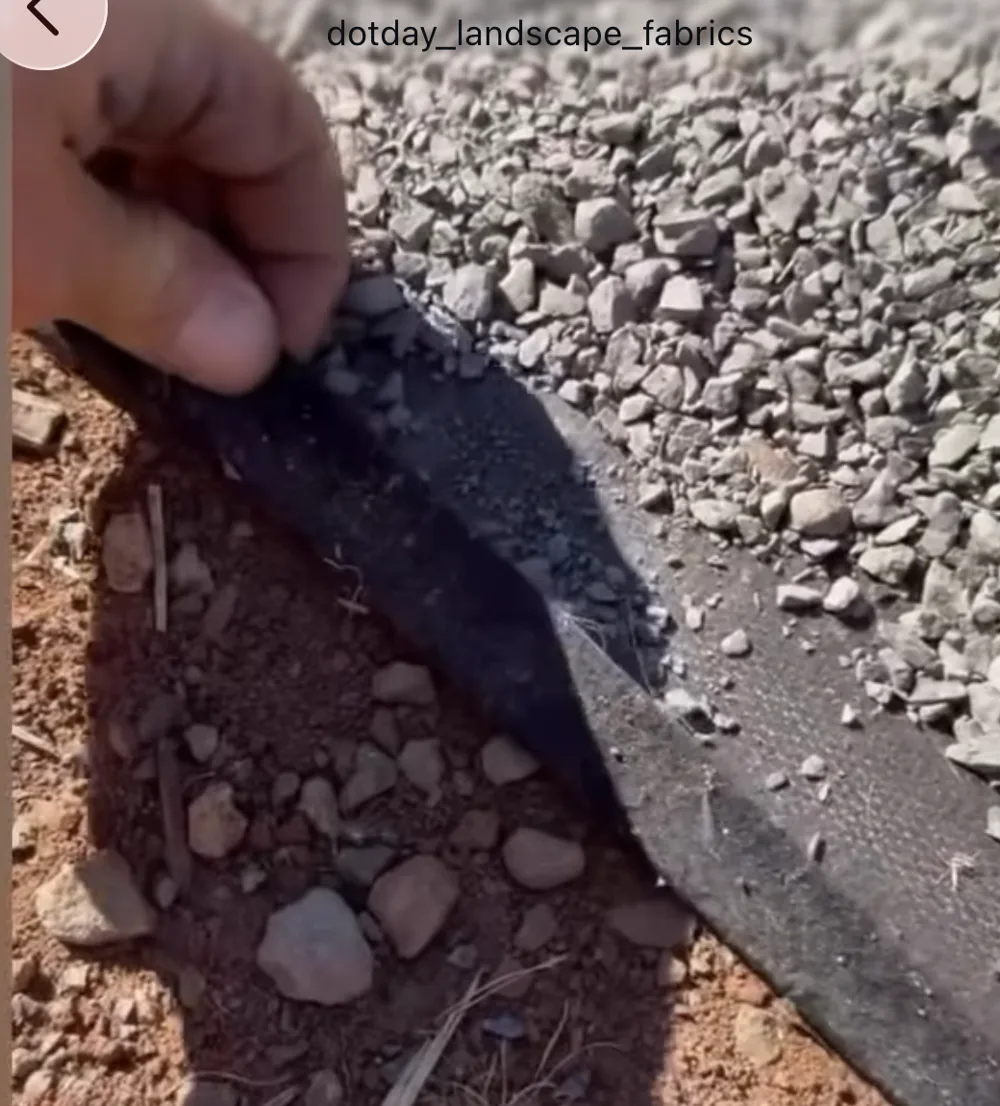
Most landscape fabric is one thing: a woven sheet, or a non-woven felt. XBAR is both, bonded together. Peel back a corner and the difference is visible with the naked eye. Woven polypropylene on one face for tensile strength and weed blocking, non-woven needle punched on the other for cushion, grip and drainage.
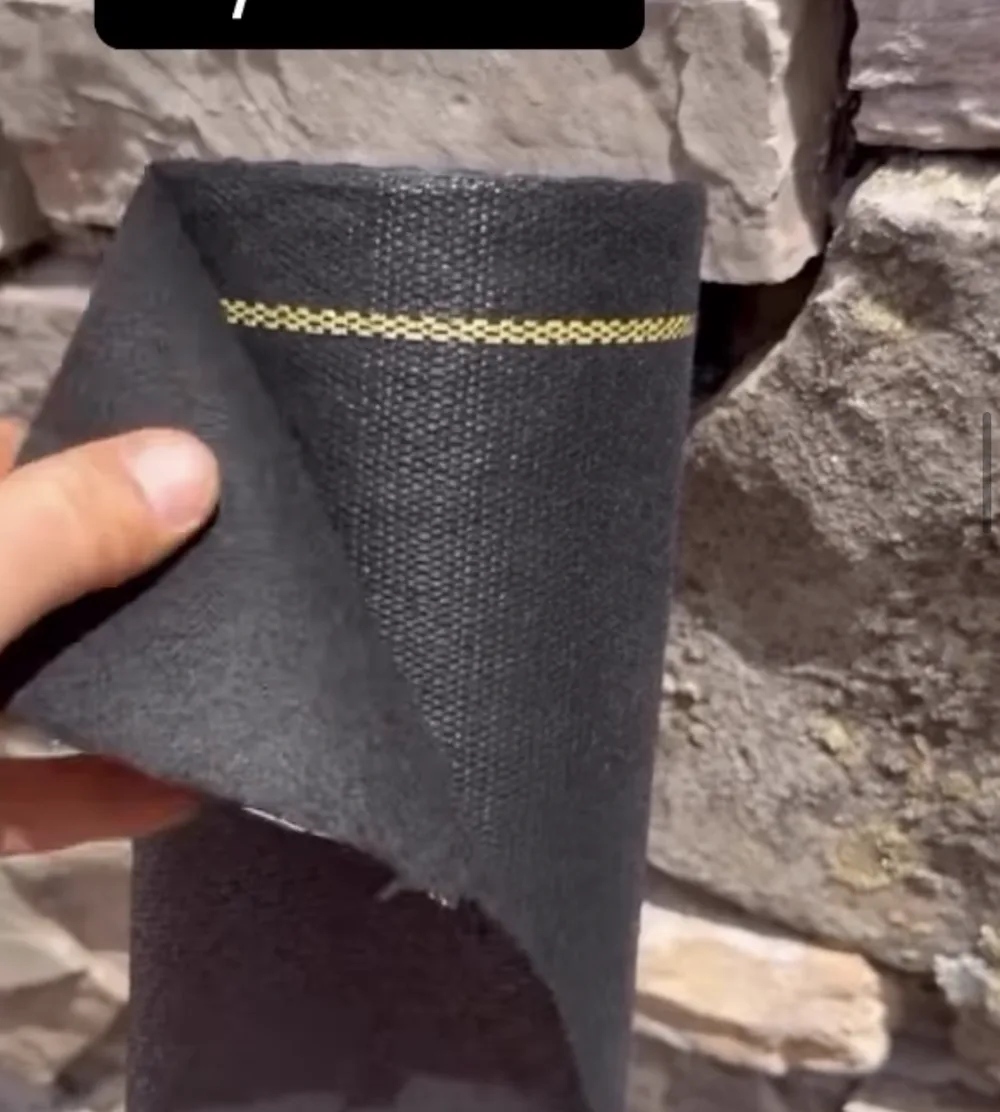
The woven face and the non-woven face, laminated. One product doing two jobs.
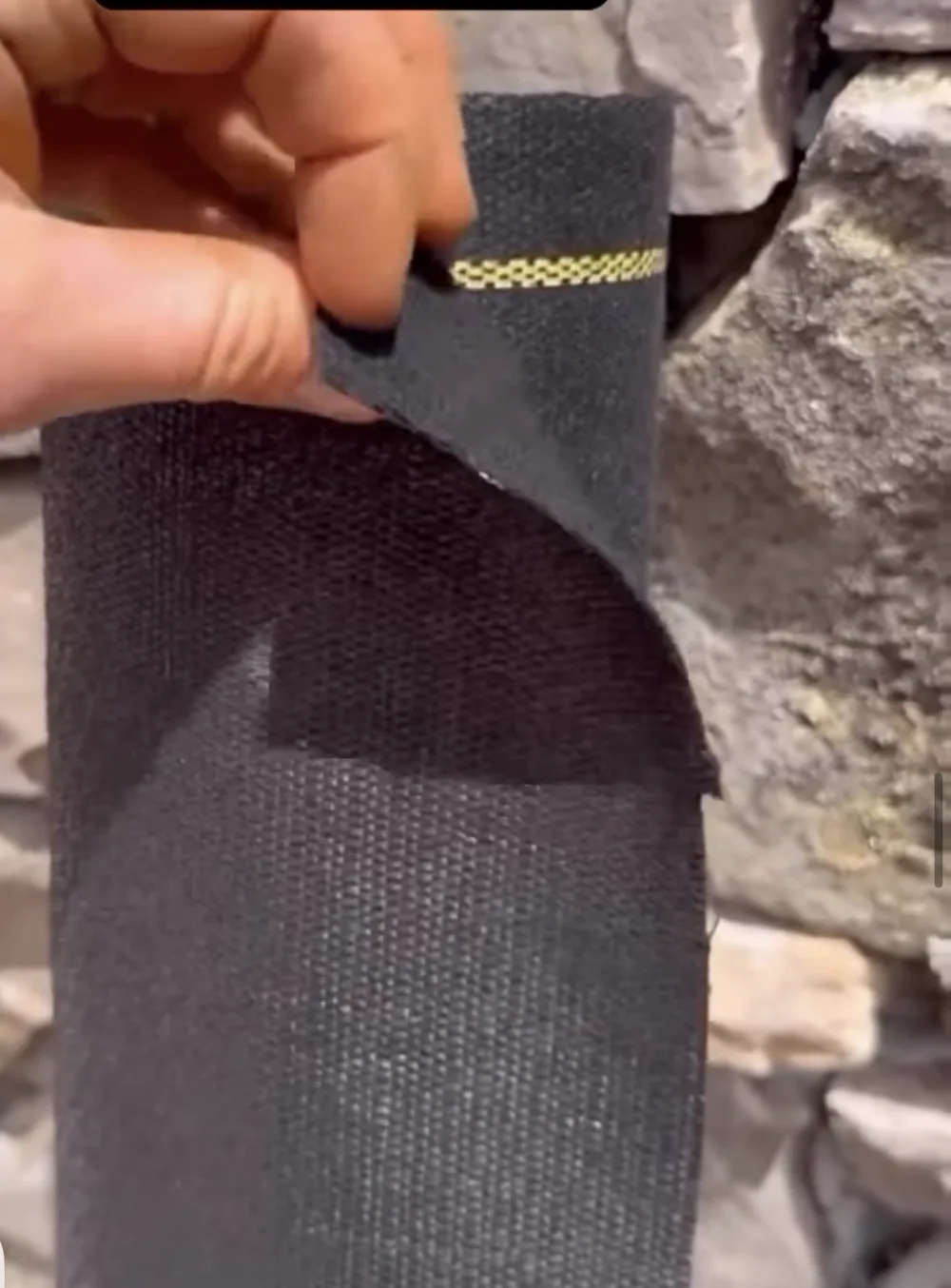
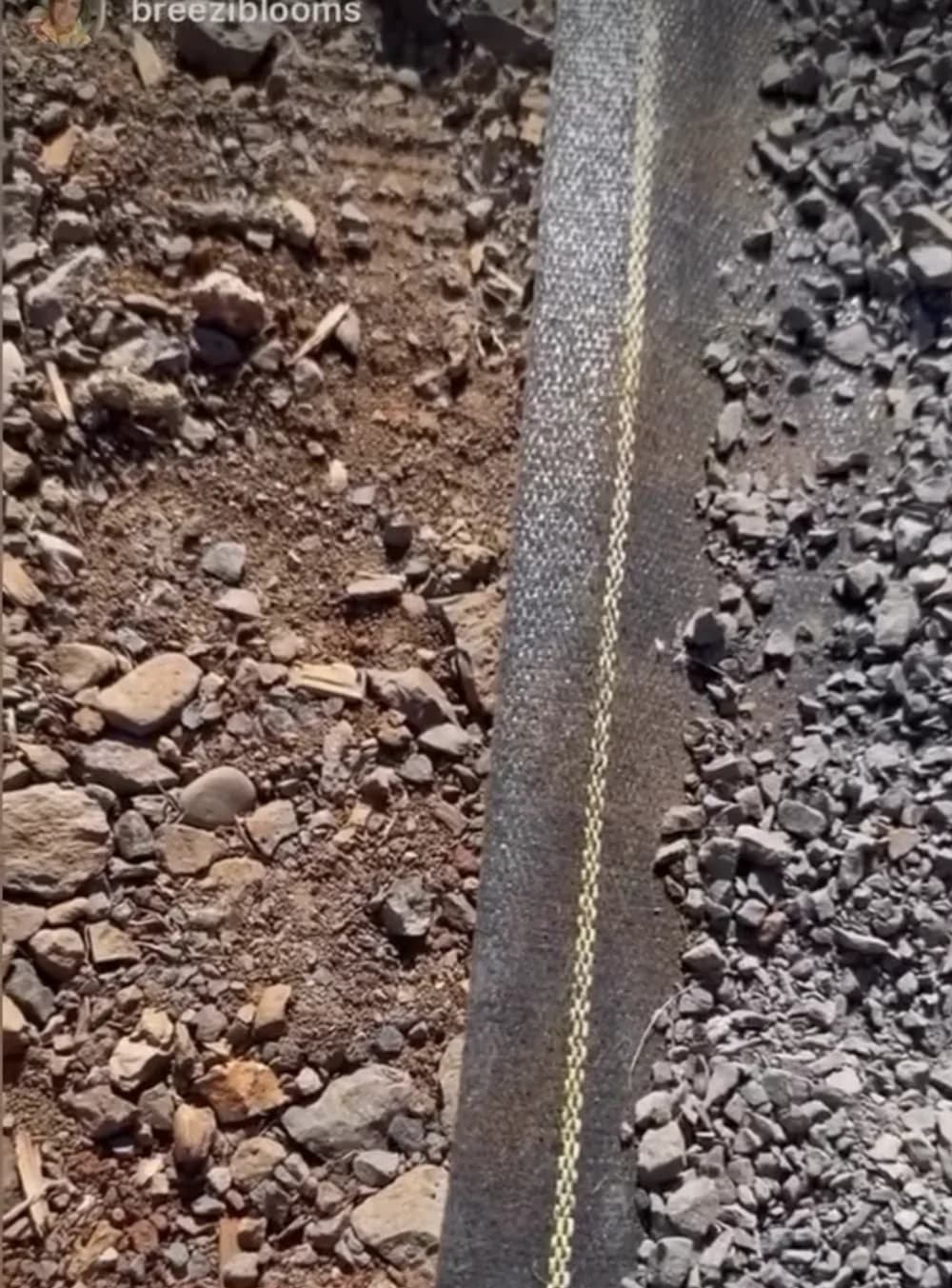
Woven in, not printed on. Every 12 inches, for spacing plants and cutting straight.
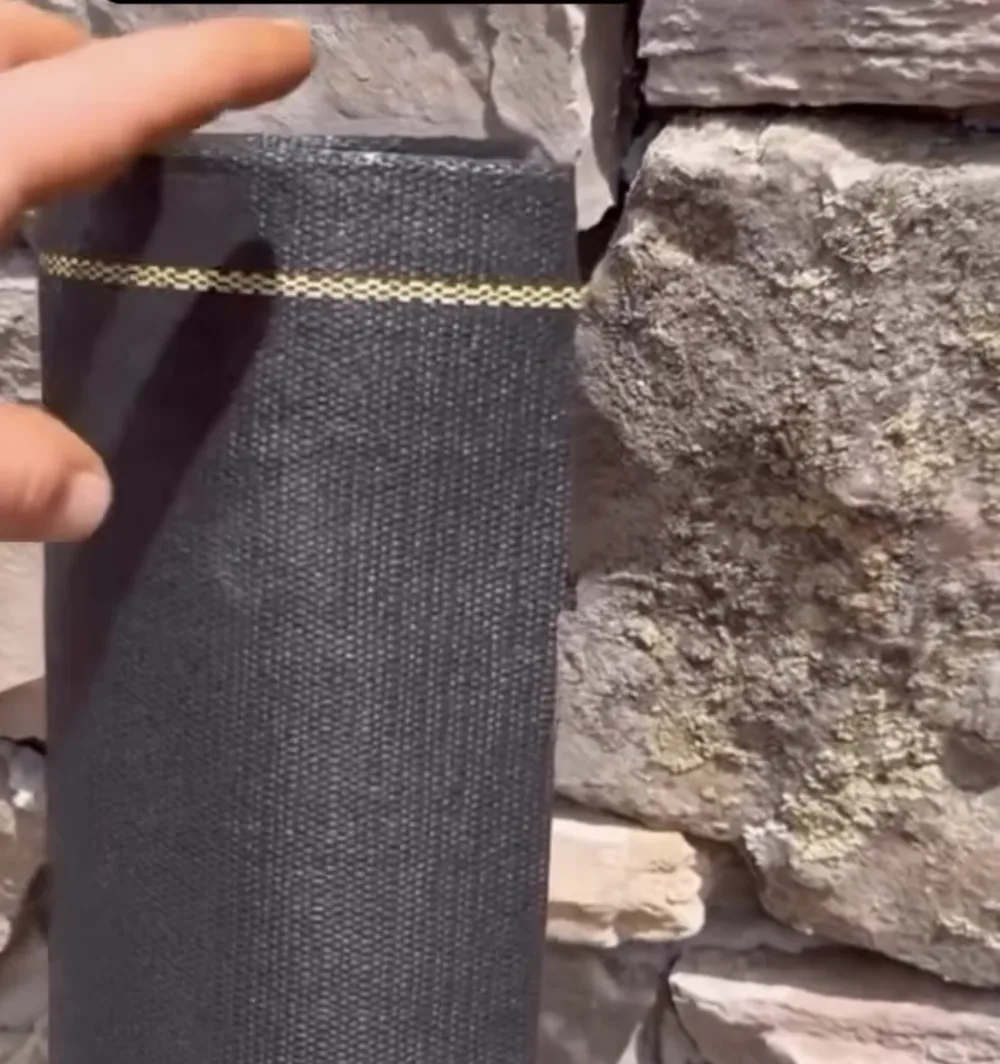
A follower said it best: no fraying, sounds and looks like a dream.
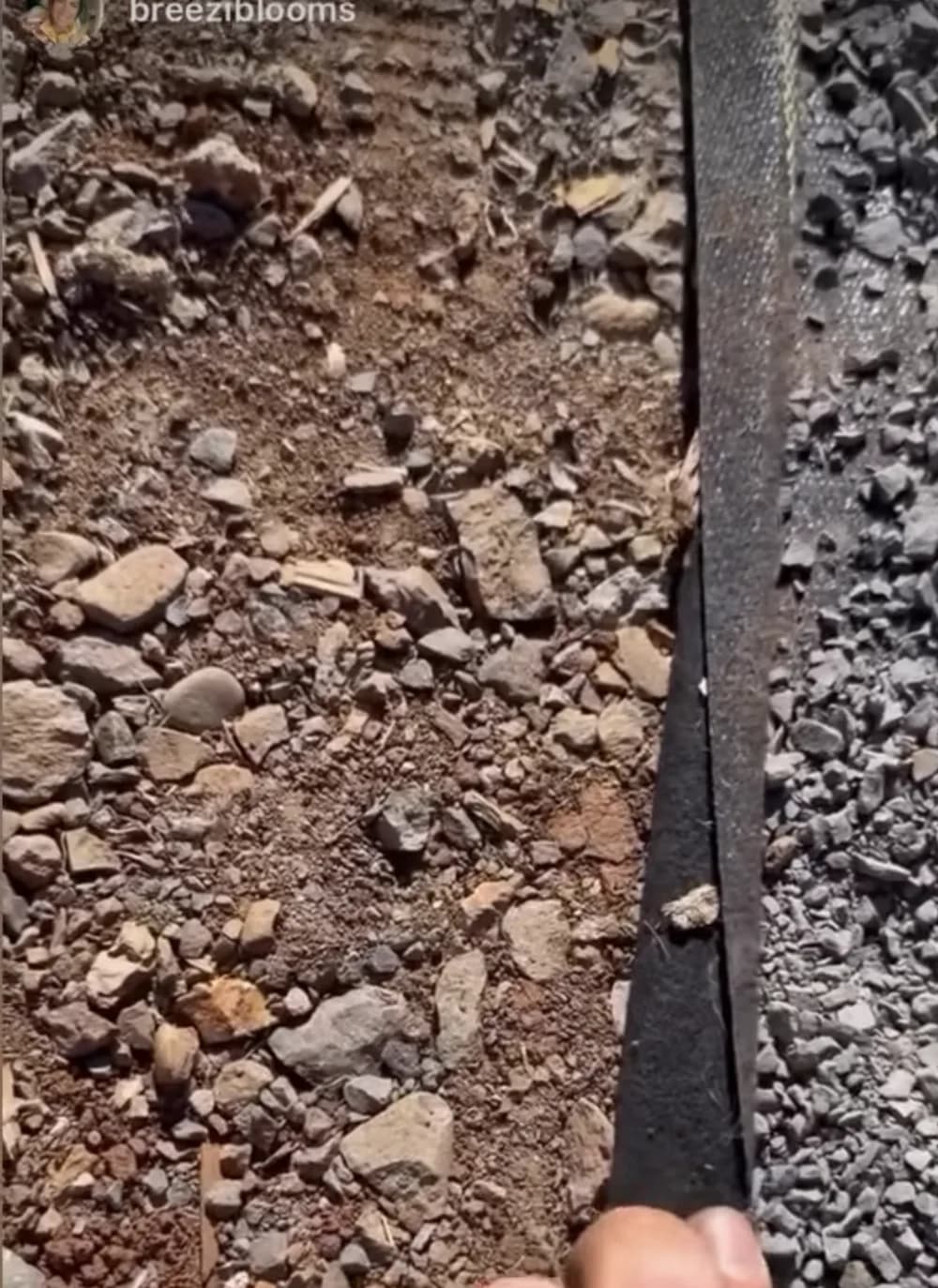
This is the part no product photograph can fake. Gravel on top, fabric intact, clean soil underneath. No punctures from the drop, no weeds pushing through, no fabric pulled up into the rock.
Water still moves down through it at 10.5 gallons per minute per square foot. That is the whole trick of a good landscape fabric. Stop what grows up, let through what runs down.
Your product is a game changer compared to traditional road fabric we've been using.
Bri Johnson, 3 July
Bri works in the construction field, and in that world standard road fabric is simply the default. It is what gets ordered, so it is what goes down, on job sites and then on your own place too. In her words, she did not know there was any other option. Road fabric does one job well: separate subgrade from aggregate under a load. It was never designed to suppress weeds, flow water at landscape rates, or survive UV while a project sits half finished through a season. XBAR was.
Specification values are DOTDAY XBAR 5oz test data. The road fabric column describes the general product category, not any one manufacturer.
| Standard road fabric | DOTDAY XBAR 5oz | |
|---|---|---|
| Designed for | Subgrade separation under load | Landscape, hardscape and weed suppression |
| Weed suppression | Incidental | Primary function |
| Feel underfoot | Single layer sheet | Dual layer, mat like |
| Install guides | None | 12 inch yellow lines |
| Edge fraying | Common on thinner grades | Held through gravel drop and compaction |
I work in the construction field so we just used standard road fabric. I didn't know there was any other option.
We never knock a good competitor. Where XBAR stands apart is the combination: heavy duty strength, a cleaner finish, and a dual layer build for long term hardscape. While we are here, some ground truth worth passing on.
Landscape fabric does not work. The right woven fabric, installed right, absolutely does.
All fabric is the same. XBAR is dual layer for hardscape, where lighter cloth fails.
Fabric stops water reaching the soil. A good one flows faster than most soils absorb.
Weeding is just endless. A real weed barrier cuts the work dramatically.
Road fabric is close enough. It is engineered for load separation, not for the ground you live on.
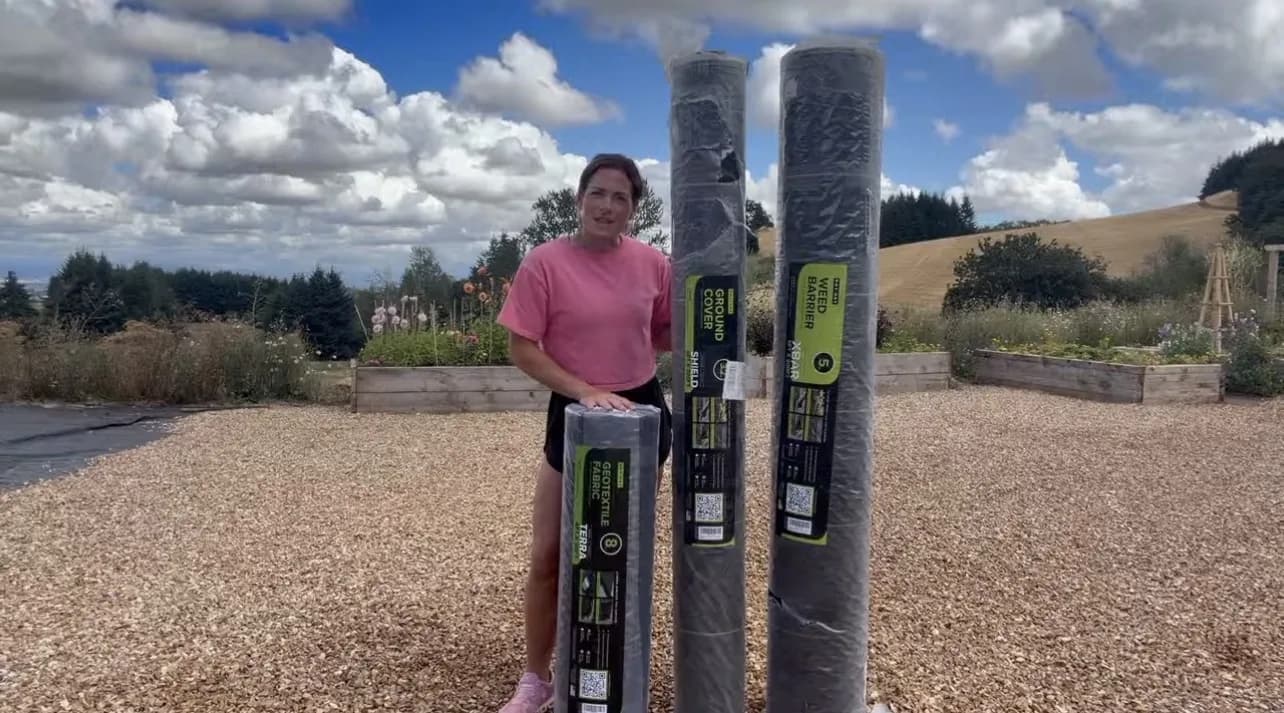
Shot on her Oregon farm, in her own hands, in her own voice. We just put a border around it.

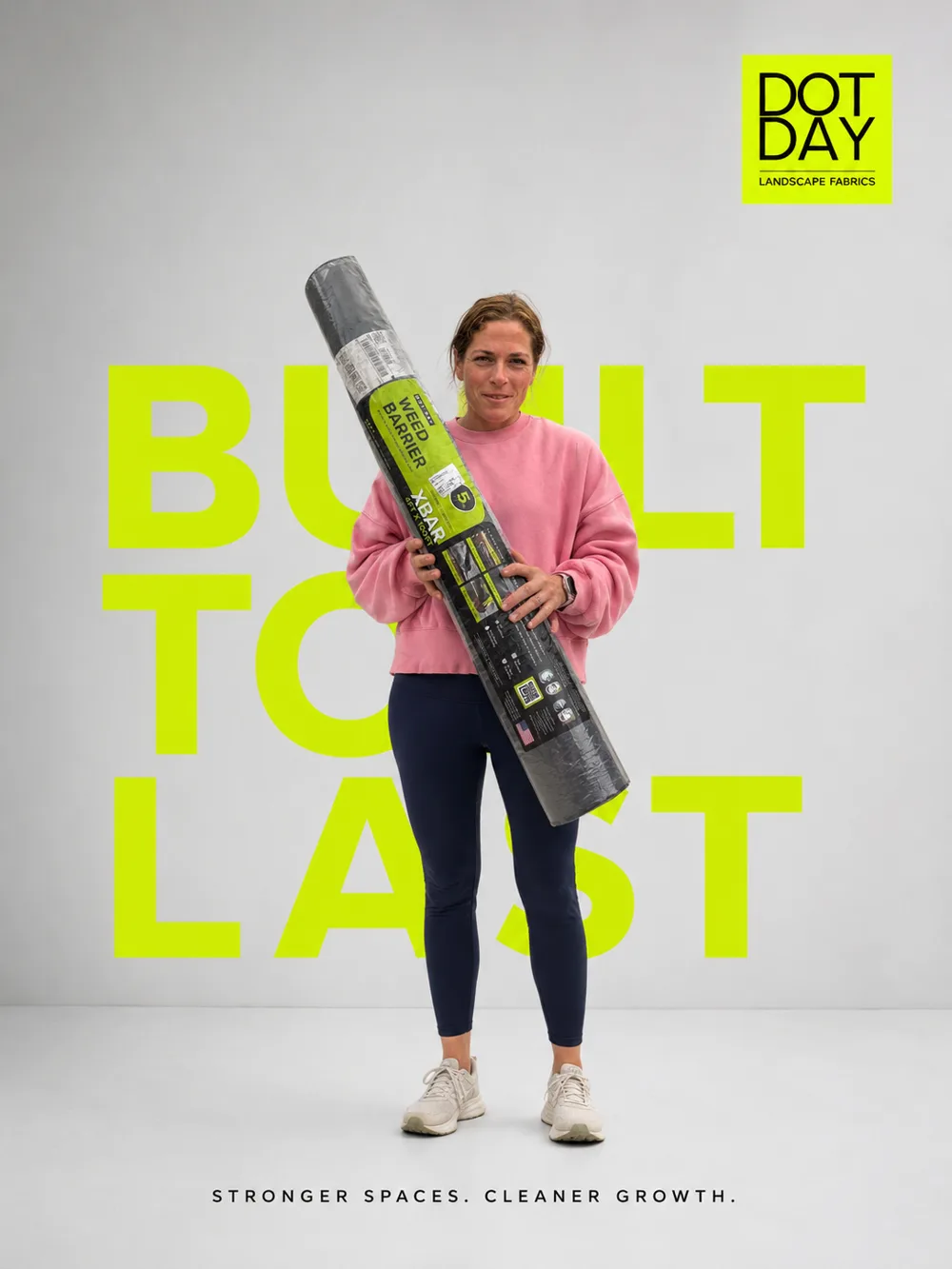
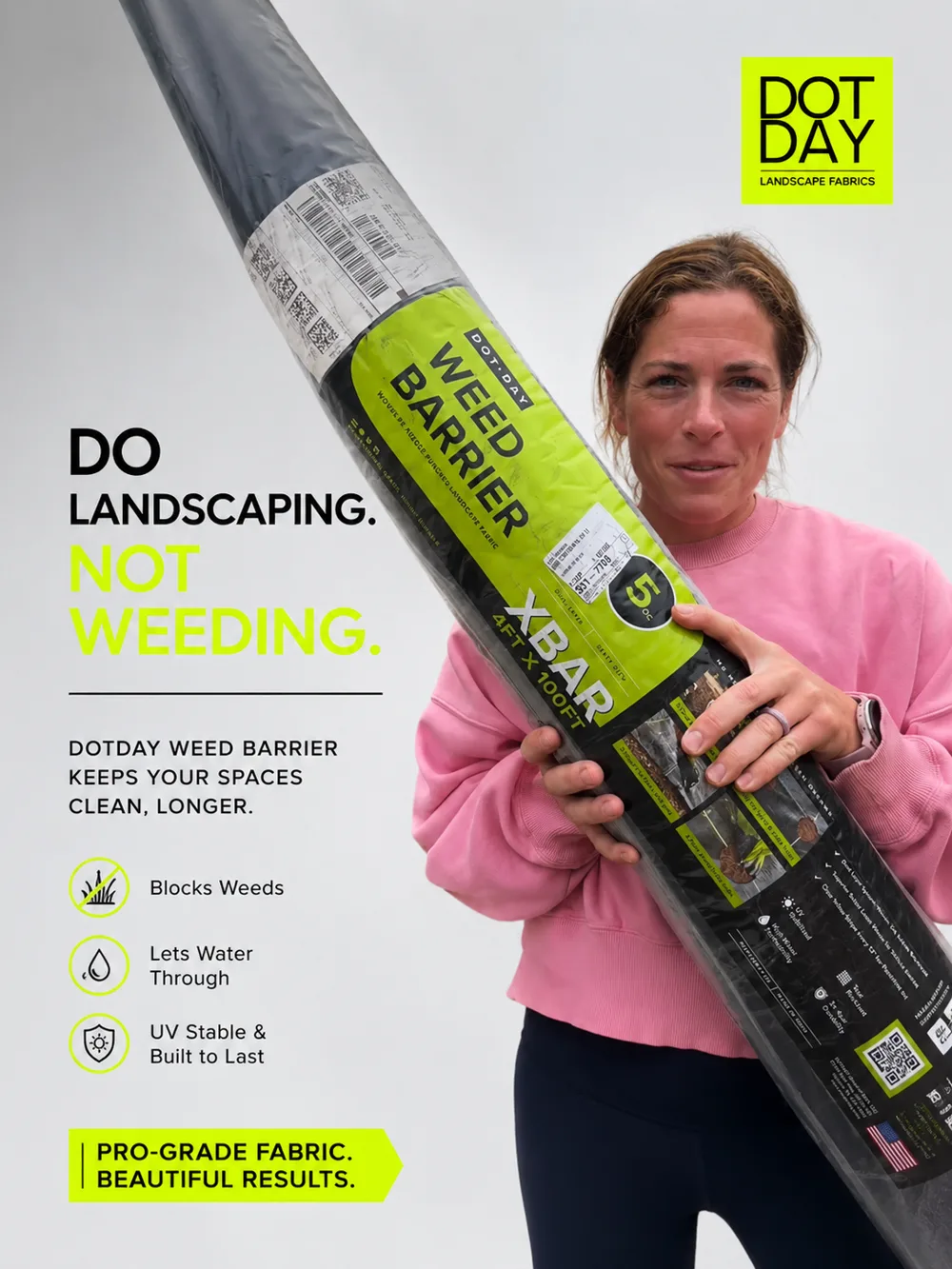
XBAR 5oz is the fabric under her coop bar. If you are laying gravel, pavers, a path or a patio, this is the one. Use her code and she earns from it.
Got a coop run, a path, a patio or a gravel area of your own? Bri covered hers with a single 4ft x 100ft roll. Enter your dimensions and the calculator returns the right roll for your space, with overlap and waste already built in.
If you run crews, manage properties, or spec fabric for clients, talk to us directly. We do contractor pricing, volume rolls and custom widths, and we will send samples before you commit a single job to it.
DOTDAY XBAR 5oz, in the 4ft x 100ft roll. A dual layer fabric: woven polypropylene bonded to a non-woven needle punched layer, made for hardscape and gravel applications.
Yes. Bri dropped quarter minus directly from a skid steer bucket onto the fabric, then raked and compacted it. XBAR is rated at 332 lb CBR puncture resistance, which is exactly what that moment tests.
Road fabric is engineered to separate subgrade from aggregate under vehicle loading. It is not built to suppress weeds, flow water at landscape rates, or hold up to UV exposure between phases of a job. XBAR is built for all three, and adds 12 inch guide lines so cuts and spacing stay straight.
Yes. XBAR flows at 10.5 gallons per minute per square foot. Water drains down through the gravel and out, which is what keeps a coop run or a path from turning into standing mud.
It is inert polypropylene with no chemical treatment, buried under gravel. Bri's hens are alongside it and her dogs sleep on it. As with any material, keep loose offcuts picked up so nothing gets chewed.
On her Instagram, @breeziblooms, and reshared on @dotday_landscape_fabrics.
For giving DOTDAY a place in your world. For putting our fabric to work in a real way, sharing your honest feedback, and letting us be a small part of what you're building.
We've loved seeing it all come to life, especially with the chickens involved.
Whatever you, the farm, or the animals build next, we'd love for DOTDAY to be part of it.
Disclosure. Bri Johnson is a DOTDAY partner and member of our affiliate program, which means she may earn a commission when purchases are made using her code. Every quote, photo, and video frame featured on this page comes directly from Bri's own messages, posts, and original footage. The experiences, opinions, and feedback shared are entirely her own.
Bri was laying gravel, so XBAR was the answer. If your ground condition is different, the quiz will point you at SHIELD, XBAR or TERRA in about four questions.