
Weeding the vegetable garden is the chore that makes many gardeners give up by midsummer. Weeds compete with crops for water, nutrients, and light, and a few weeks of neglect can leave a bed overrun.
A weed barrier can take much of that work away, but vegetable gardens are different from shrub beds. Crops change every season, soil needs regular amending, and you're working the beds constantly. Here's how to choose and use a weed barrier for vegetable gardens.
At DOTDAY, we sell weed barrier, so we'll be honest about where it belongs in a vegetable garden.
Where a weed barrier helps in a vegetable garden
- Paths between beds. The most useful place. Fabric under wood chips or straw keeps paths clear all season.
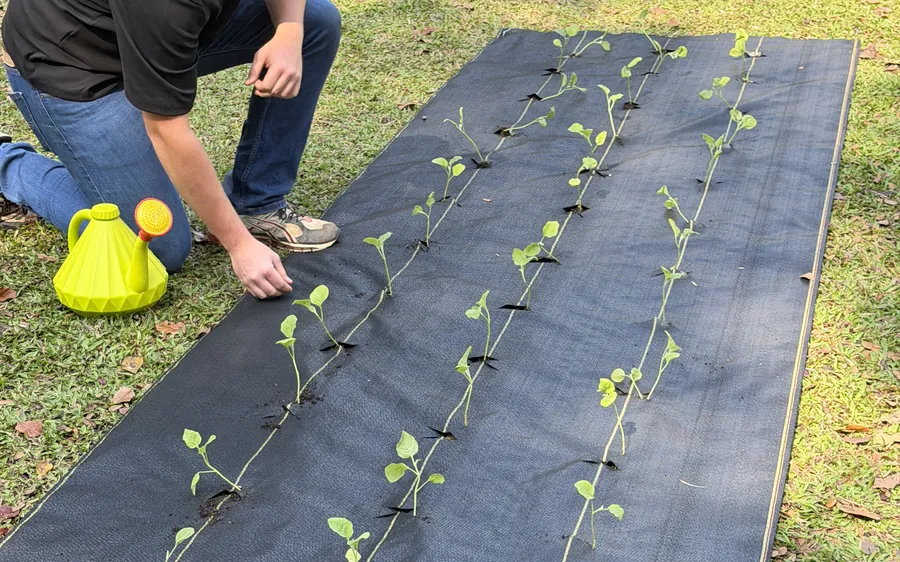
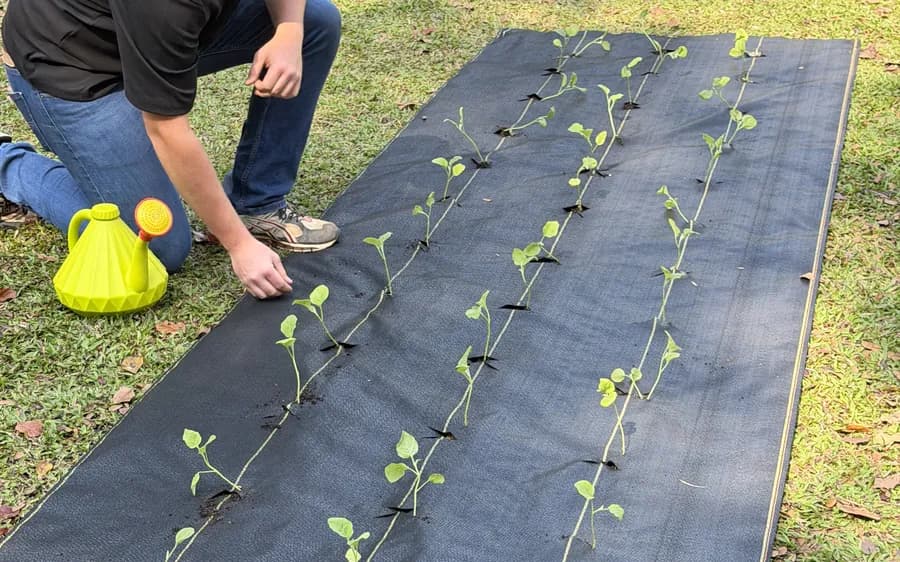
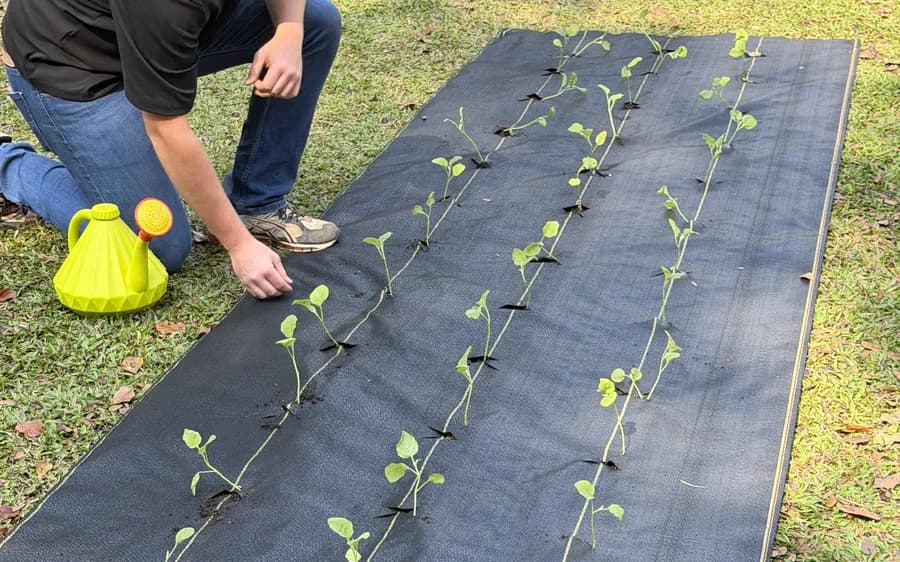
- Rows of long-season crops like tomatoes, peppers, squash, melons, and eggplant, planted through holes.
- Perennial crops like asparagus beds, rhubarb, and berry rows.
- Around raised beds where grass and weeds creep in from the edges.
Where it's less helpful
- Beds of closely spaced, direct-sown crops like carrots, lettuce, radishes, and beets, where you'd have to cut too many openings.
- Beds you dig and replant several times a season.
- Crops that spread by runners unless you manage them deliberately.
What to look for in a weed barrier for vegetable gardens
Woven fabric that lets water and air through. Plants need water and air at the roots. Choose a permeable woven fabric, not plastic sheeting, unless you plan to manage irrigation under it.
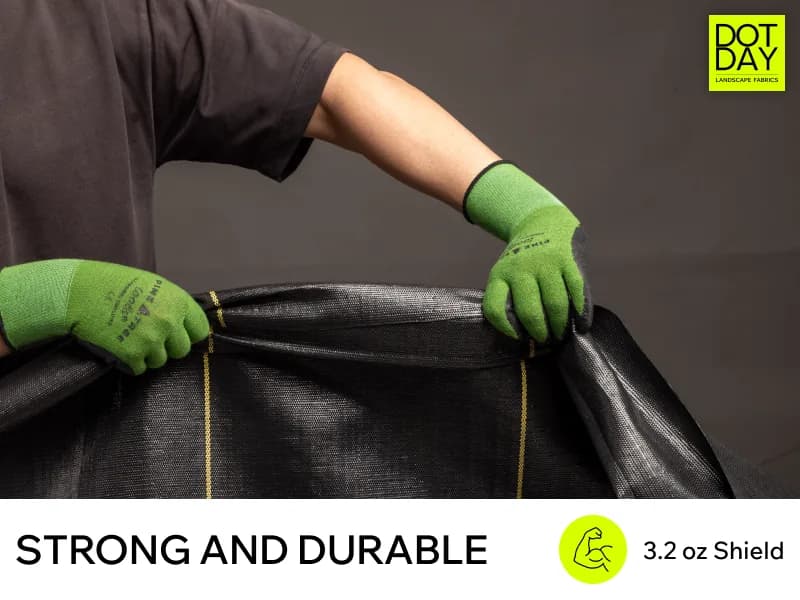
Durability for seasonal handling. A garden weed barrier gets cut, walked on, and often lifted and relaid. A durable woven fabric handles that better than thin, light fabrics that tear.
Reusability. Many gardeners lift fabric at the end of the season, store it, and relay it the next spring. A woven fabric that holds up to handling can often be reused. See our guide to reusing landscape fabric.
DOTDAY SHIELD is a 3.2 oz woven polypropylene weed barrier made for garden beds, farms, and nurseries.
Weed barrier options compared
| Option | Water and air | Durability | Reusable | Best use |
|---|---|---|---|---|
| Woven fabric | Permeable | Good | Often | Rows, paths, long-season crops |
| Plastic mulch film | Not permeable | Low | Rarely | Heat-loving crops with drip irrigation |
| Cardboard or paper | Permeable | Breaks down | No | Starting new beds, paths |
| Organic mulch alone | Permeable | Breaks down | No | Densely planted beds |
How to use a weed barrier in a vegetable garden
- 1Prepare the soil firstAdd compost and amendments, work the soil, and shape beds before the fabric goes down. Once it's laid, amending gets harder until you lift it.
- 2Set up irrigationDrip lines or soaker hoses under the fabric deliver water to the roots efficiently. Lay them before the fabric.
- 3Lay and secure the fabricRoll the fabric over the bed. Overlap seams and pin them, plus the edges. Bury edges along paths if you like a tidy finish.
- 4Plan spacing and cut holesMark plant positions to the spacing each crop needs. Cut X or round openings just large enough for each transplant. Cut with a sharp utility knife, and start small: you can always enlarge an opening, but you cannot shrink one.
- 5Plant and mulchPlant through the openings and water well. A layer of straw or other mulch on top is optional. It keeps the fabric cooler and looks tidier.
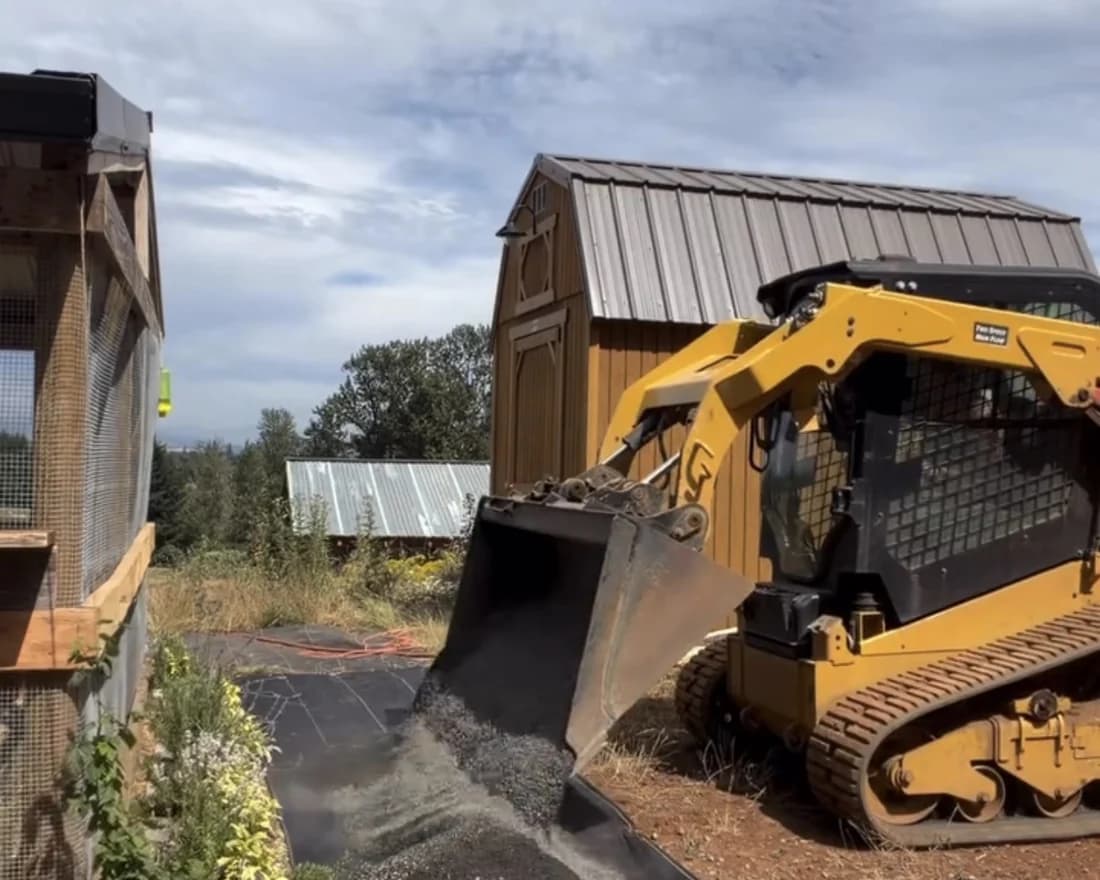
- 6Cover pathsFor paths between beds, lay fabric and cover it with wood chips or straw.
Crop-by-crop guide
| Crop type | Weed barrier fit | Notes |
|---|---|---|
| Tomatoes, peppers, eggplant | Good | Plant transplants through openings |
| Squash, melons, cucumbers | Good | Vines sprawl over fabric, keeping fruit clean |
| Onions and garlic | Fair | Many small openings; some growers use pre-punched rows |
| Carrots, radishes, lettuce | Poor | Too closely spaced; use mulch instead |
| Asparagus, rhubarb | Good | Perennial beds stay put for years |
| Strawberries | Good | Manage runners deliberately |
Use the Plant Spacing Calculator to plan how many plants fit in each bed and where the openings go.
Sizing your order
Measure each bed and path, then add extra for seam overlaps and for edges you'll pin or bury. Beds of a standard width are easy to cover with a roll of matching width, which means fewer seams. For paths, measure length and width and cover the full width so grass can't creep in from the sides.
Not sure how much fabric your garden needs?
Enter your bed and path measurements and the calculator handles the overlap and roll count for you.
Larger plots and market gardens
If you grow on a larger scale, the same principles apply: woven fabric in long rows, drip irrigation underneath, and fabric-covered aisles. See our page on landscape fabric for farms, and request bulk pricing for larger orders.
End-of-season care
- Remove plant debris and roots from the openings.
- Lift the fabric, brush it off, and let it dry.
- Roll it and store it out of the sun.
- Amend the soil with compost before relaying next spring.
Watering under fabric
Woven fabric lets rain through, but a thick crop canopy can shed water away from the openings. Drip lines under the fabric solve this and keep leaves dry, which many gardeners prefer for disease prevention. Check soil moisture through a planting opening before watering.
What we recommend
In paths and long-season rows, we use SHIELD.
DOTDAY SHIELD is our 3.2 oz woven polypropylene weed barrier for beds, gardens, farms, and mulch. It lets water and air reach the soil and is built to sit under mulch, soil, or straw. For an honest look at results, read do weed barriers actually work?
Common mistakes
- Using plastic without irrigation. Rain can't get through.
- Skipping soil prep. Fabric makes amending harder.
- Cutting holes too big. Weeds grow up through them.
- Fabric under direct-sown crops. Too many openings.
- Leaving fabric exposed for years. Sunlight breaks down uncovered fabric over time.
Use fabric where it helps: paths, long-season rows, and perennials. If your project doesn't fit neatly into one of these cases, the DOTDAY team can help you sort it out.
SHIELD is the fabric for garden beds
DOTDAY SHIELD is a 3.2 oz woven polypropylene weed barrier for paths, rows, and raised beds. Check roll sizes and plan your layout.
Shop SHIELDThree fabrics. One simple rule.
Use the right fabric for the right ground condition.
SHIELD
Woven polypropylene weed barrier built to suppress weeds while letting water and air through.
XBAR
Heavy-duty woven hybrid engineered for load and separation under hard surfaces.
TERRA
Non-woven geotextile designed for drainage, filtration, and soil separation.