
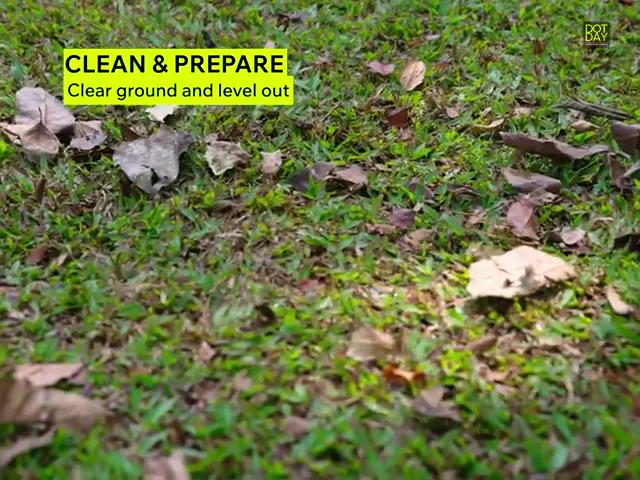
Clear and grade
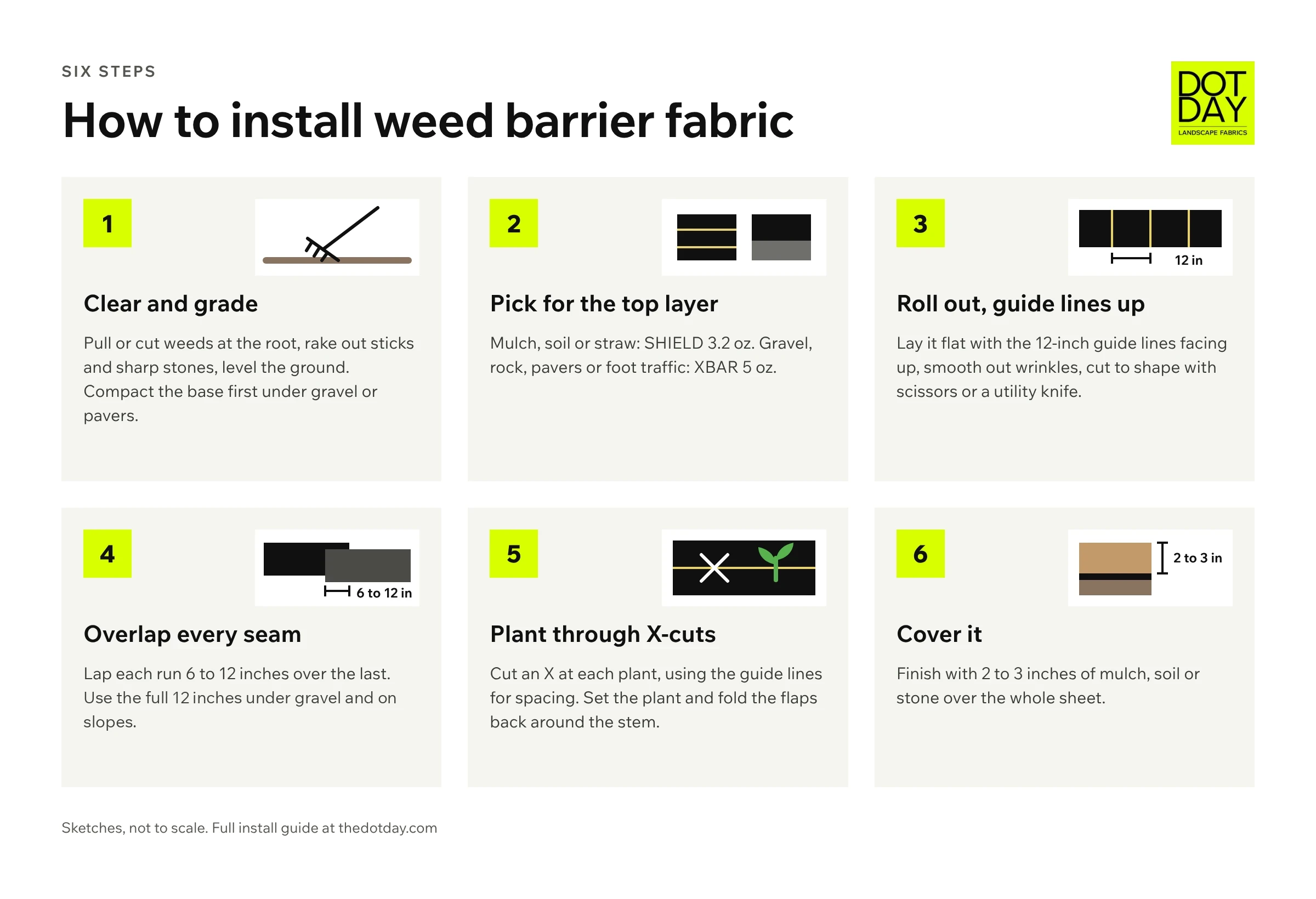
Pull or cut existing weeds at the root, rake out sticks and sharp stones, and level the ground. Under gravel or pavers, compact the base first.
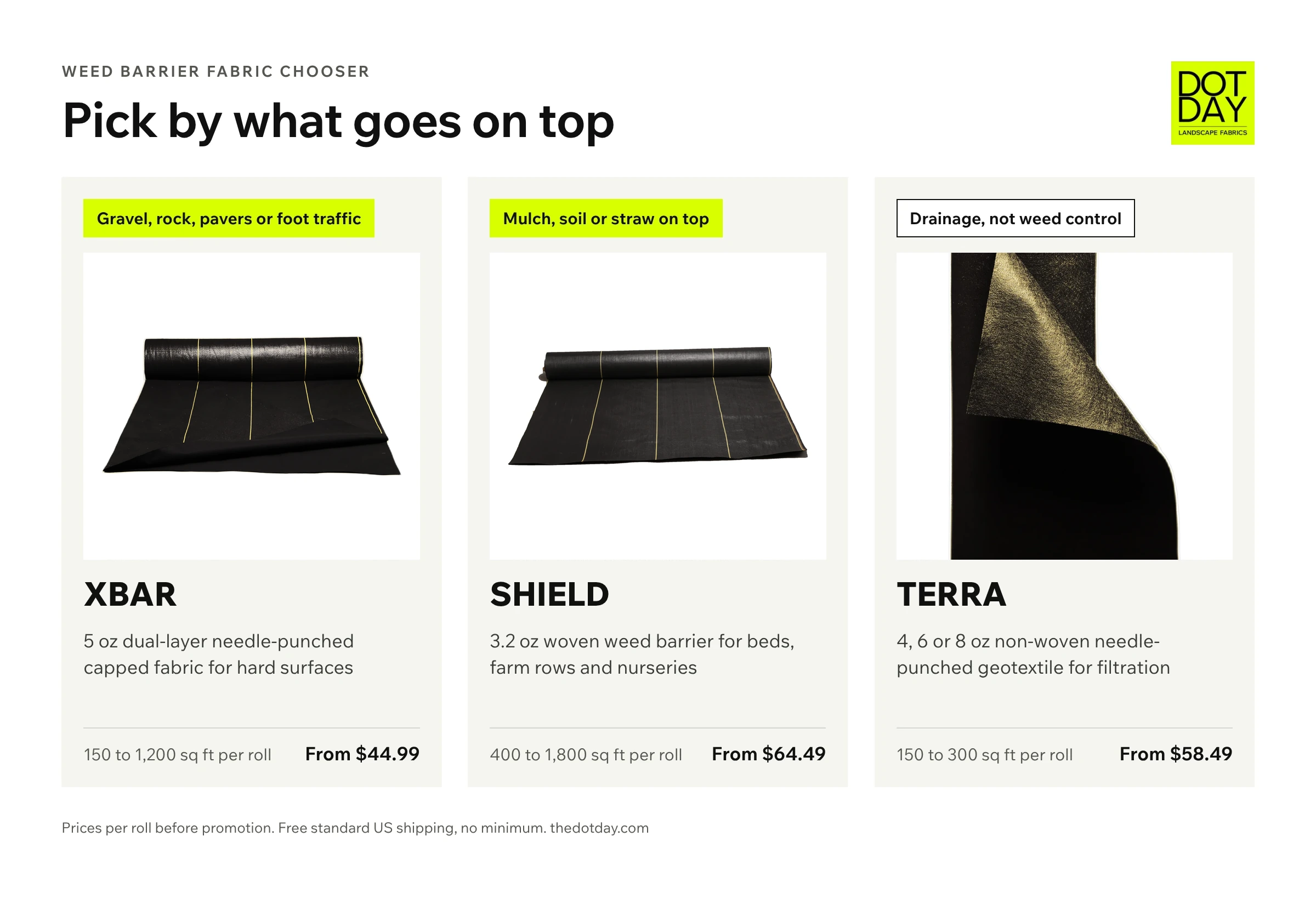
A weed barrier has one job: block the light weeds need while water still drains through. DOTDAY makes two weed barrier fabrics, so you buy the one built for your ground. XBAR 5 oz dual-layer goes under gravel, rock, and pavers where load would tear a light fabric. SHIELD 3.2 oz woven goes under mulch and soil in beds and rows. Free US shipping, no minimum.
Free US shipping, no minimum · Published ASTM data sheets · 12-inch guide lines on XBAR and SHIELD
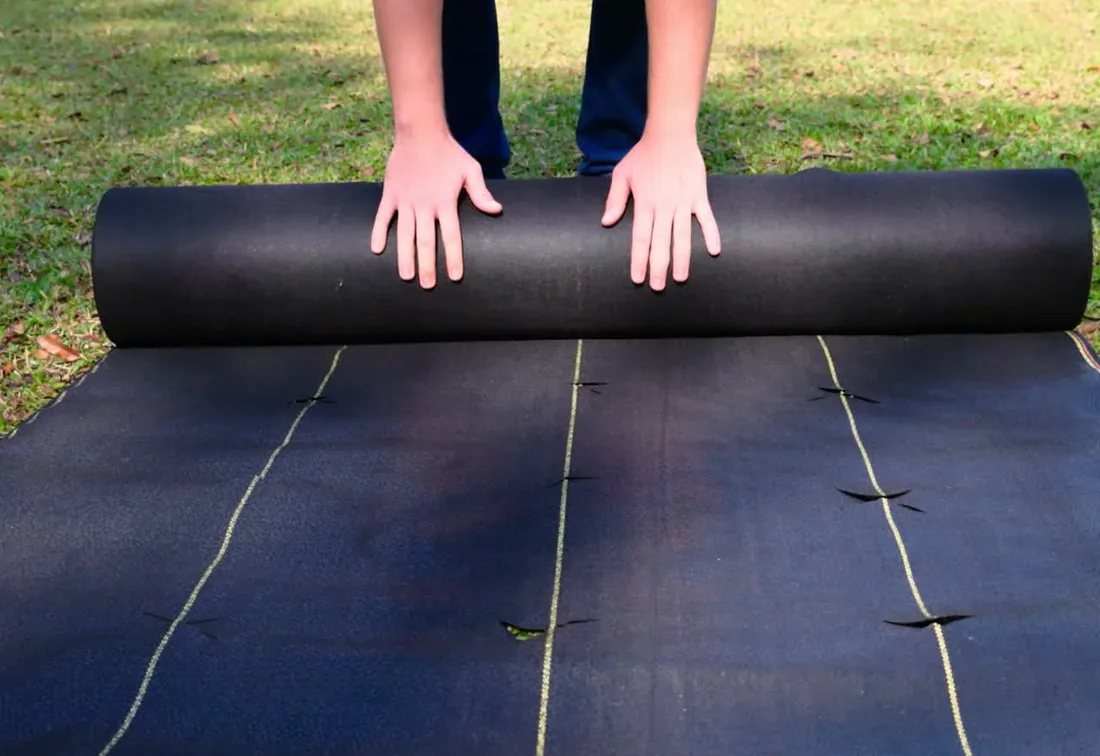
Pick by what sits on top of the fabric. Gravel, rock, pavers, or foot traffic: XBAR. Mulch, soil, or straw: SHIELD. If the job is drainage rather than weeds, TERRA is the fabric, and it is listed here so you do not buy the wrong roll.
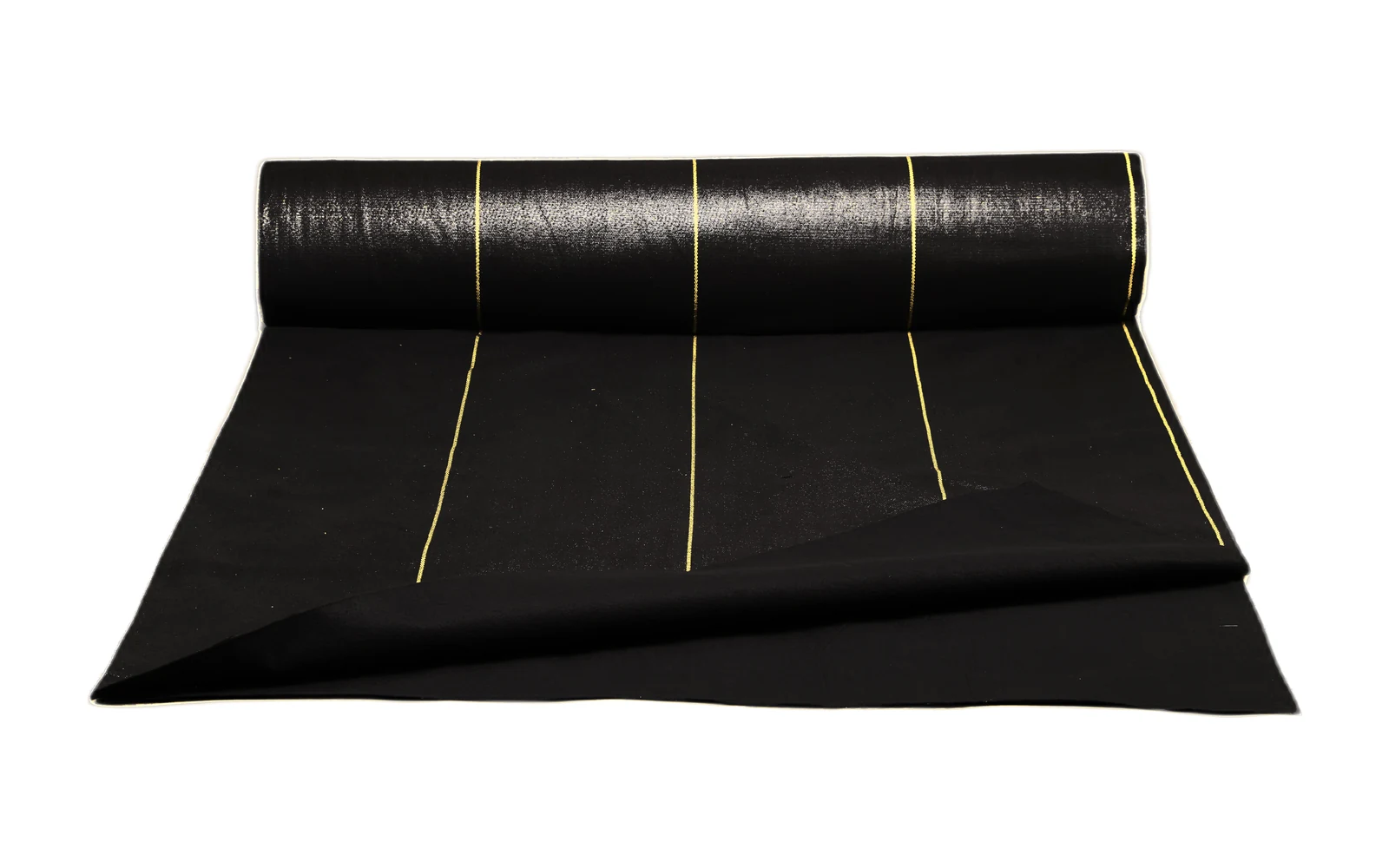
5 oz dual-layer weed barrier for gravel, rock, pavers, and traffic.
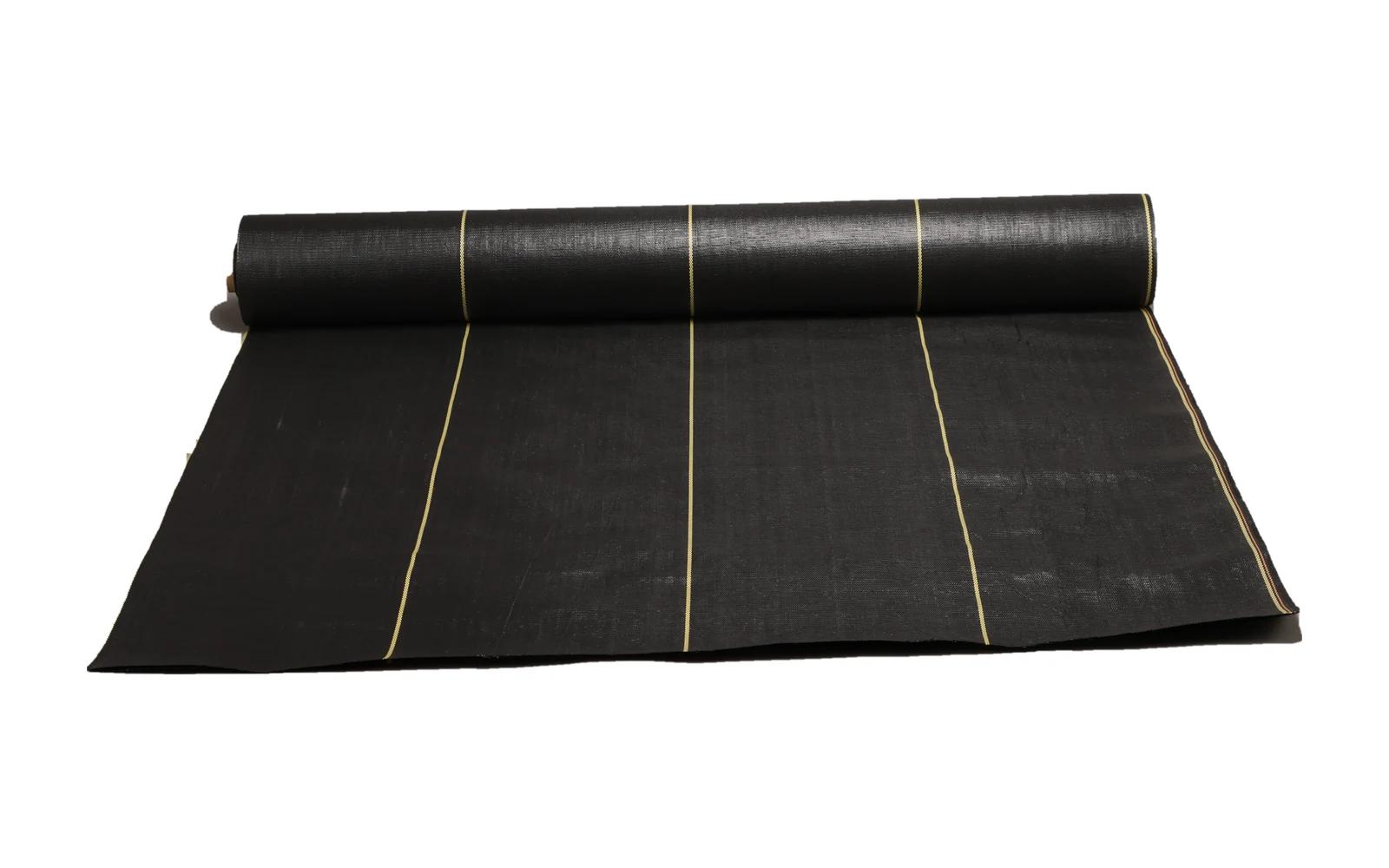
3.2 oz woven weed barrier for garden beds, mulch, farm rows, and nurseries.
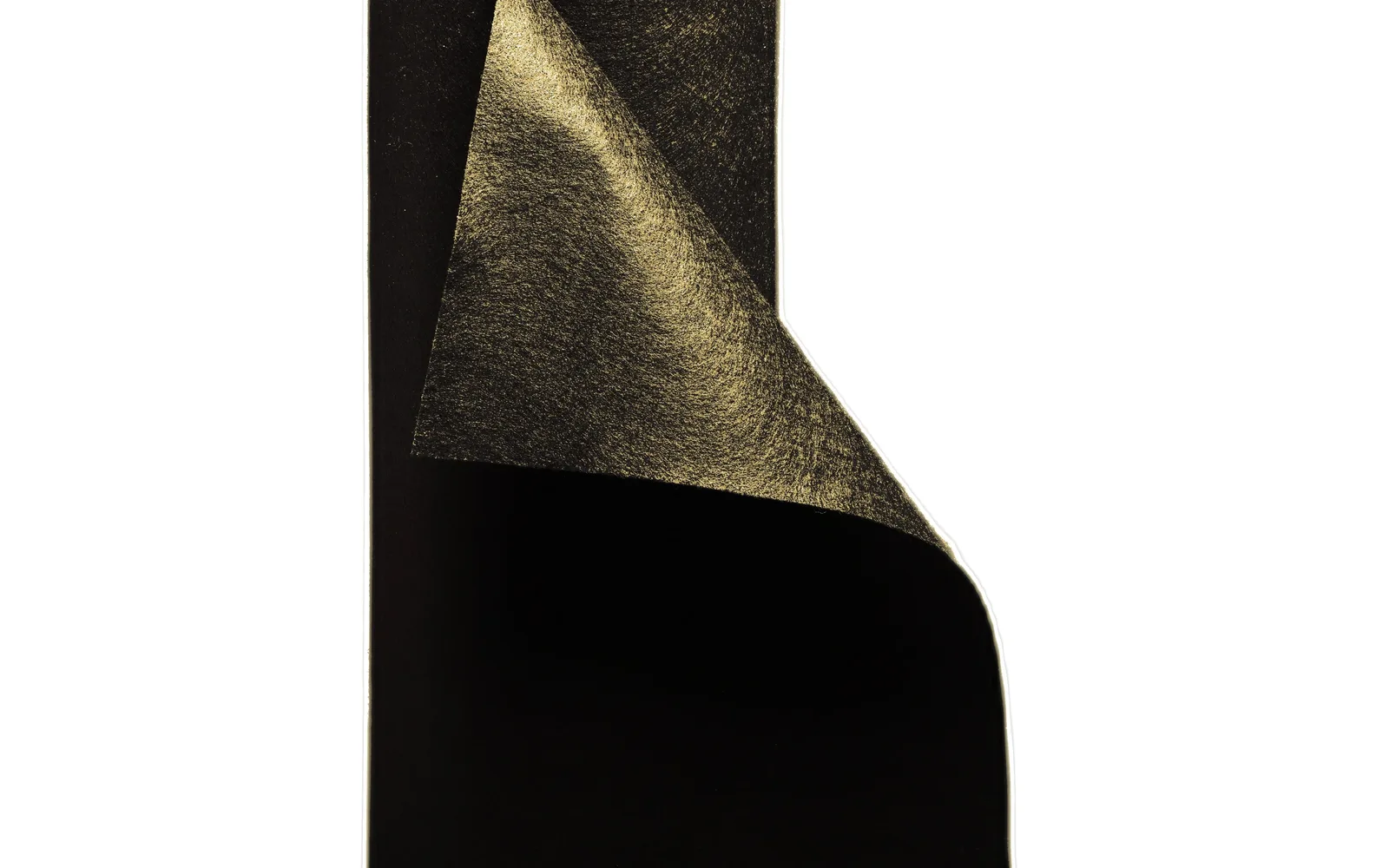
4, 6, or 8 oz non-woven geotextile for drainage, not weed control.
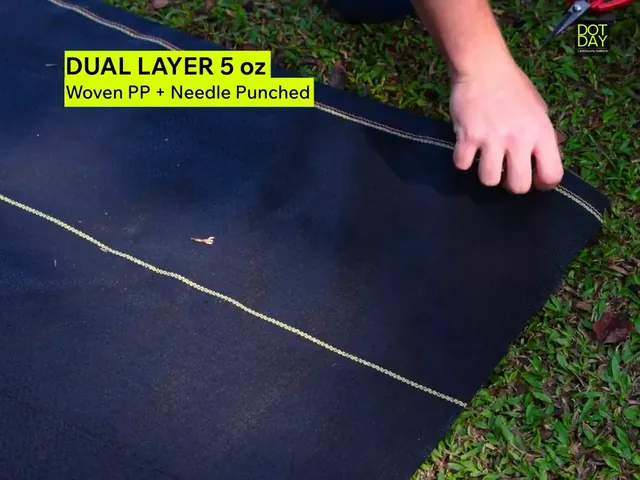
Woven top plus non-woven backing
Dual-layer
Woven polypropylene
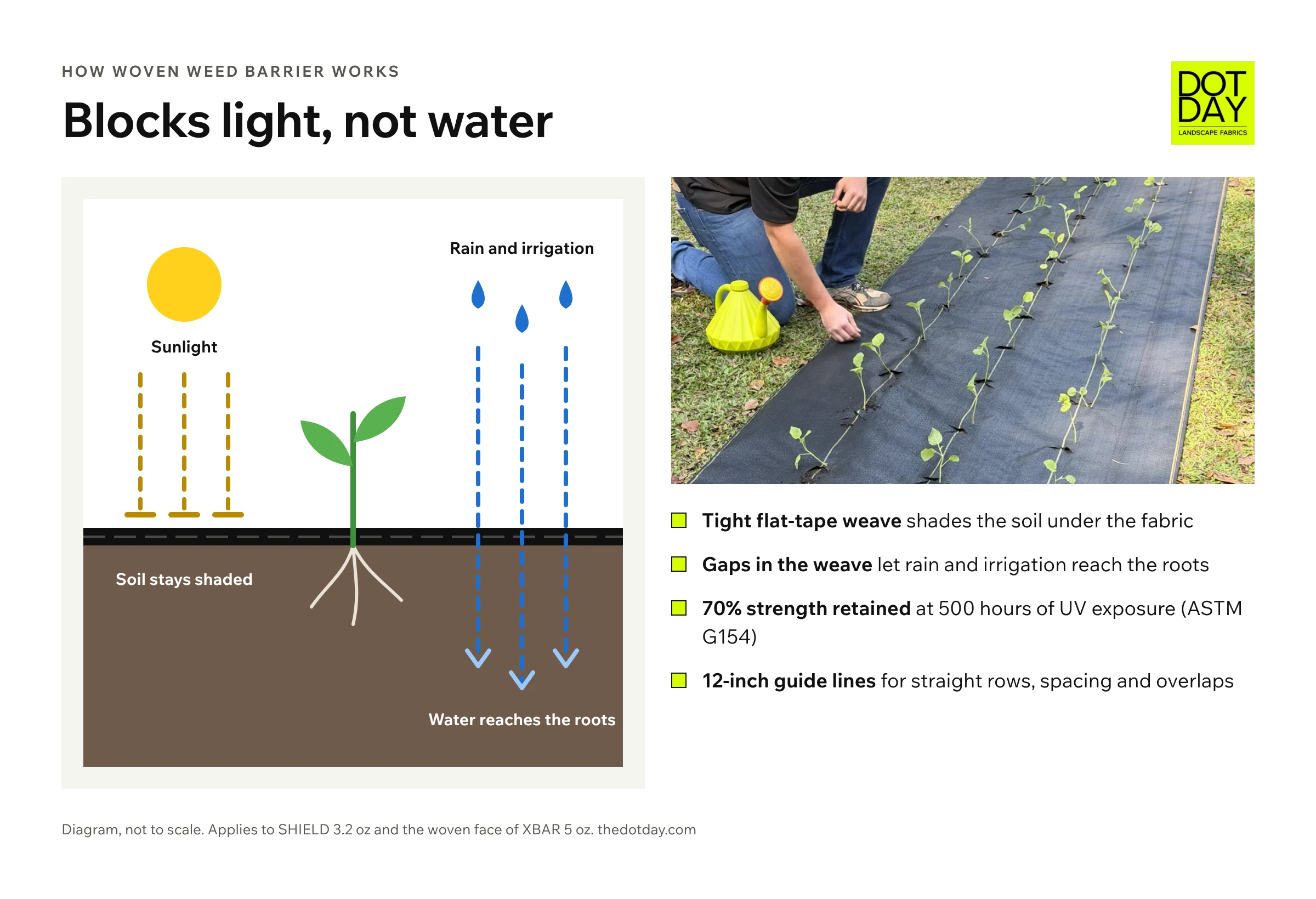
Flat-tape weave
Non-woven needle-punched
Felt-like fiber mat
gal/min/sf under load
ASTM D4491
Permeable weave
Water and air reach the roots
l/min/m2 at 8 oz
ASTM D4491
CBR puncture resistance
ASTM D6241
Grab strength MD/CD
ASTM D4632
CBR puncture at 8 oz
ASTM D6241
Gravel, pavers, driveways, hardscape
9 roll sizes, from $0.27/sq ft
Beds, mulch, farm rows, nurseries
6 roll sizes, from $0.07/sq ft
French drains, walls, road base
3 weights, from $0.39/sq ft
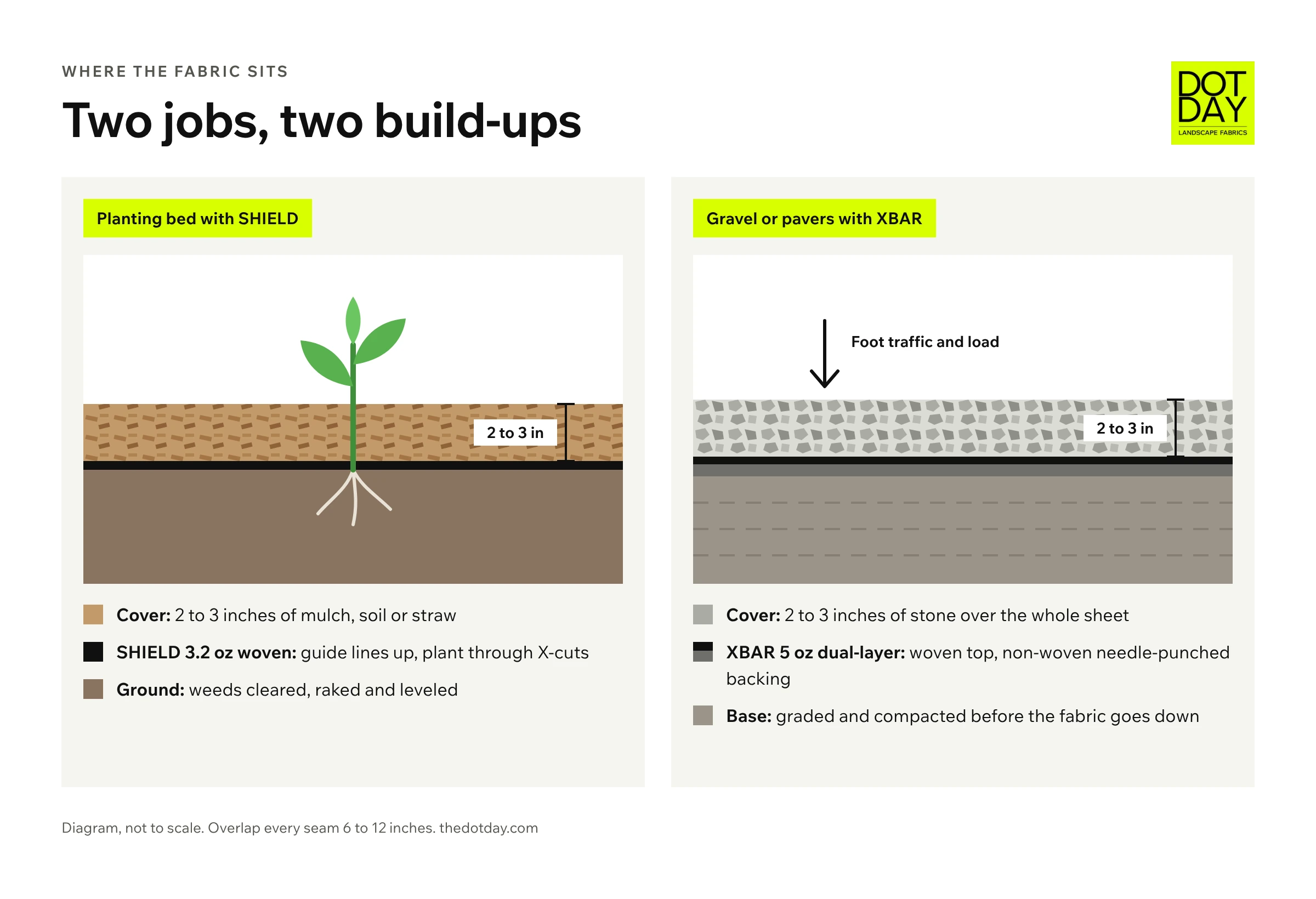
Most weed barrier failures are not the weeds' fault. The fabric was too light for what sat on top, the seams were too narrow, or the sheet was left in the sun. Choose the right construction and install it covered, and a weed barrier does its job quietly.
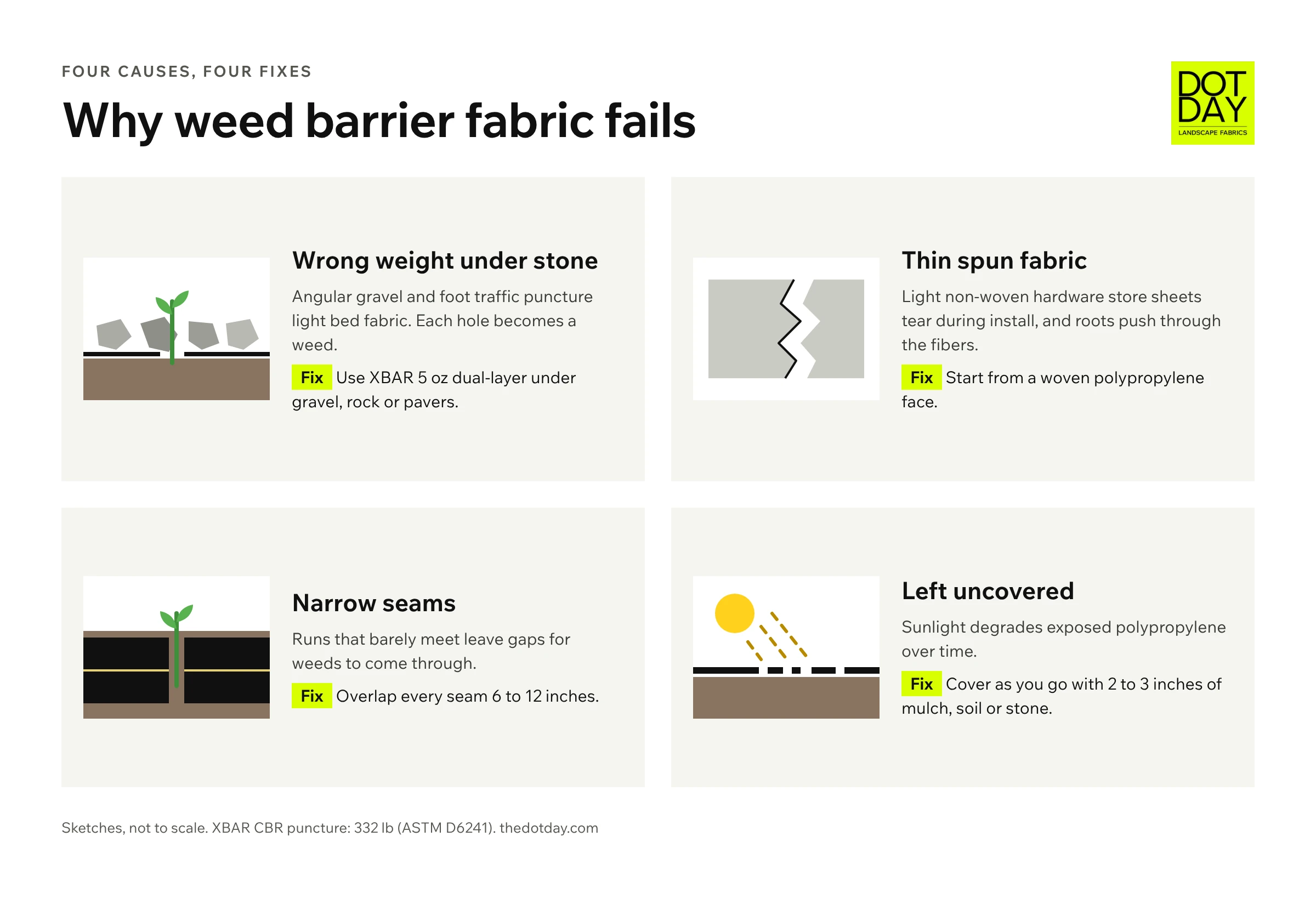
Both DOTDAY weed barriers start from a woven polypropylene face. Flat tapes woven tight shade the soil so weed seeds cannot get going, while the gaps in the weave let rain and irrigation reach the roots. SHIELD is that weave at 3.2 oz for beds and rows. XBAR bonds the woven face to a non-woven needle-punched backing for 5 oz of puncture resistance under hard surfaces.
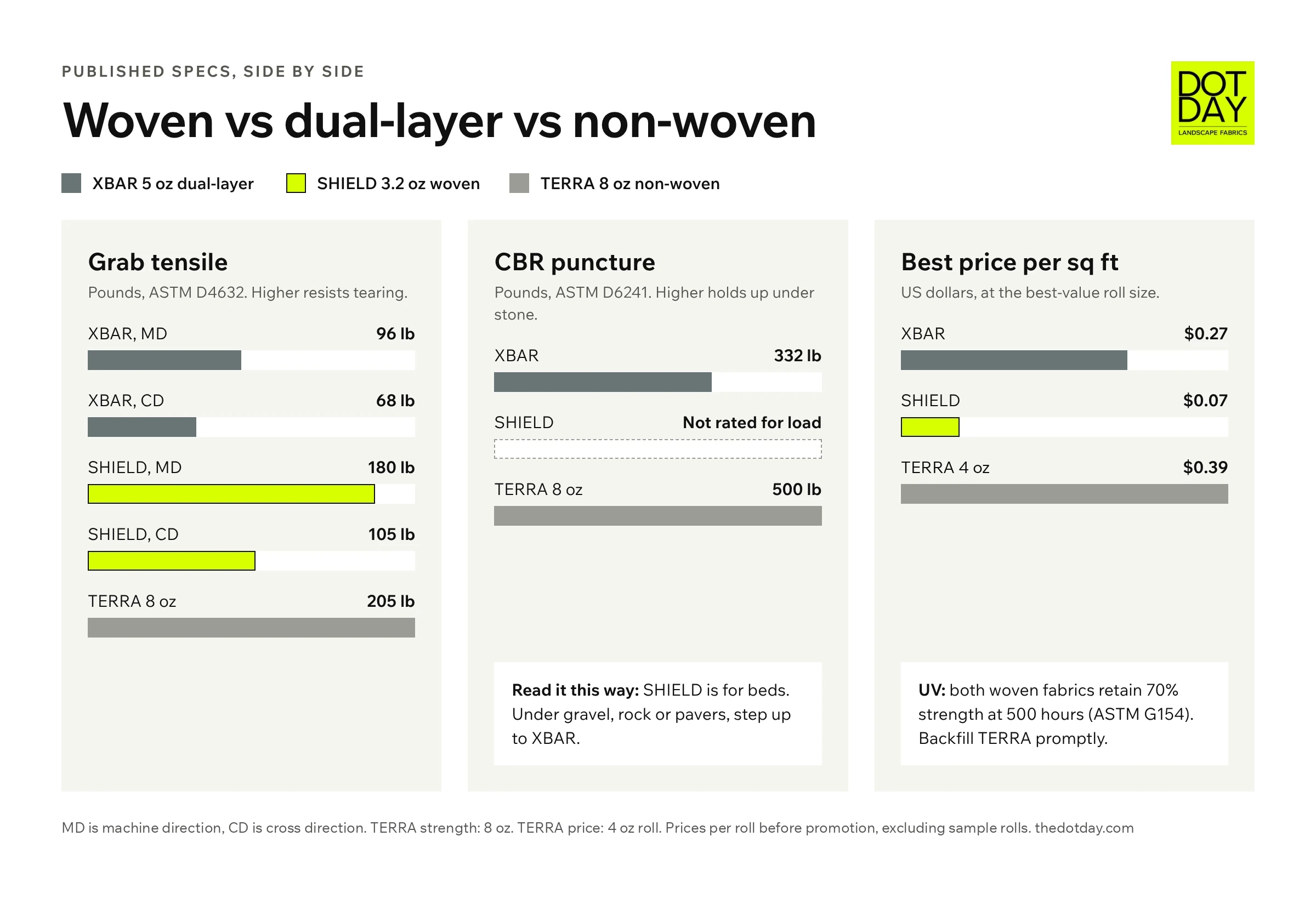
Every number below is published on the product page and data sheet it comes from. Woven fabrics block light; the non-woven geotextile filters water instead.
| Attribute | 5 oz dual-layer | 3.2 oz woven | 4 / 6 / 8 oz non-woven |
|---|---|---|---|
| Build | |||
| Construction | Woven top plus non-woven backing | Woven polypropylene | Non-woven needle-punched |
| 12 inch plant guide lines in yellow | Yes | Yes | No |
| Water | |||
| Behavior | Through the weave, under load | Through the weave | Through the body of the mat |
| Flow rate | 10.5 gal/min/sf | Permeable | 3,300 l/min/m2 at 8 oz |
| Filters silt and fines | No | No | Yes |
| Strength | |||
| Grab tensile | 96/68 lb | 180/105 lb | 205 lb at 8 oz |
| CBR puncture | 332 lb | Not rated for load | 500 lb at 8 oz |
| UV strength at 500 hrs | 70% | 70% | Not UV rated, cover after install |
| Buy | |||
| Roll options | 9 sizes | 6 sizes | 3 weights |
| Starting price | $44.99 | $64.49 | $58.49 |
| Best price per sq ft | $0.27 | $0.07 | $0.39 at 4 oz |
TERRA strength and flow figures are for the 8 oz weight; its best price per sq ft is the 4 oz roll. The 4 oz and 6 oz share the same construction at lower mass. Prices are per roll before promotion and exclude 3 x 10 ft sample rolls.
Photos from the growers, homesteaders, and contractors who lay DOTDAY. Tap a job to see the right fabric for it.
 Garden Beds & RowsSHIELD 3.2 ozWoven weed control that lets water and nutrients through.Photo @janniebirdfarm
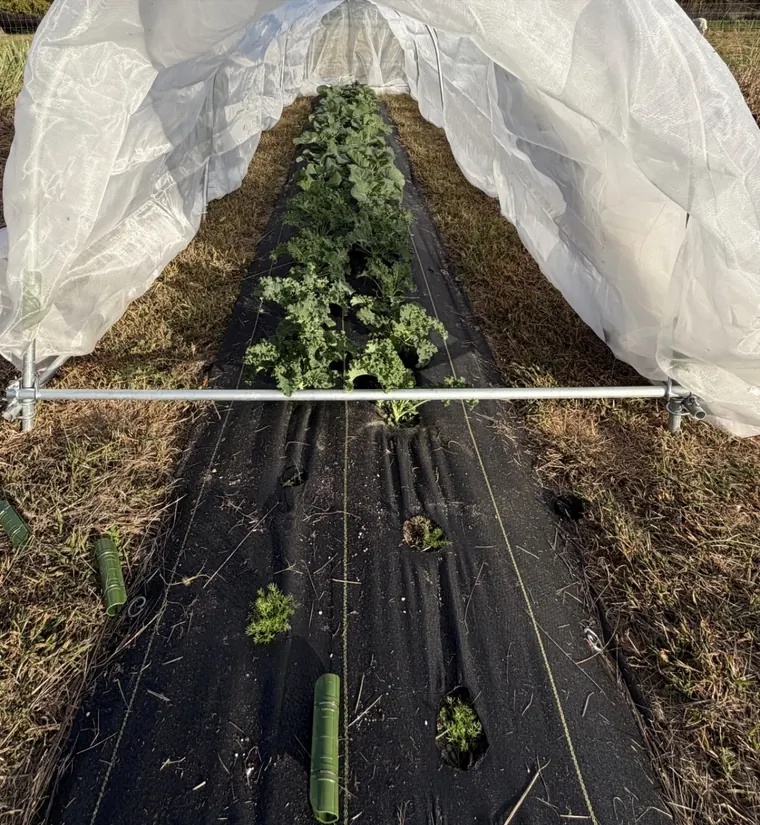
 Low Tunnels & Market GardensXBAR 5 ozHeavy-duty rows under hoops and low tunnels.Photo @highlandoakfarm
 Driveways & GravelXBAR 5 ozKeeps stone from sinking under vehicle load.Photo @okiehauling
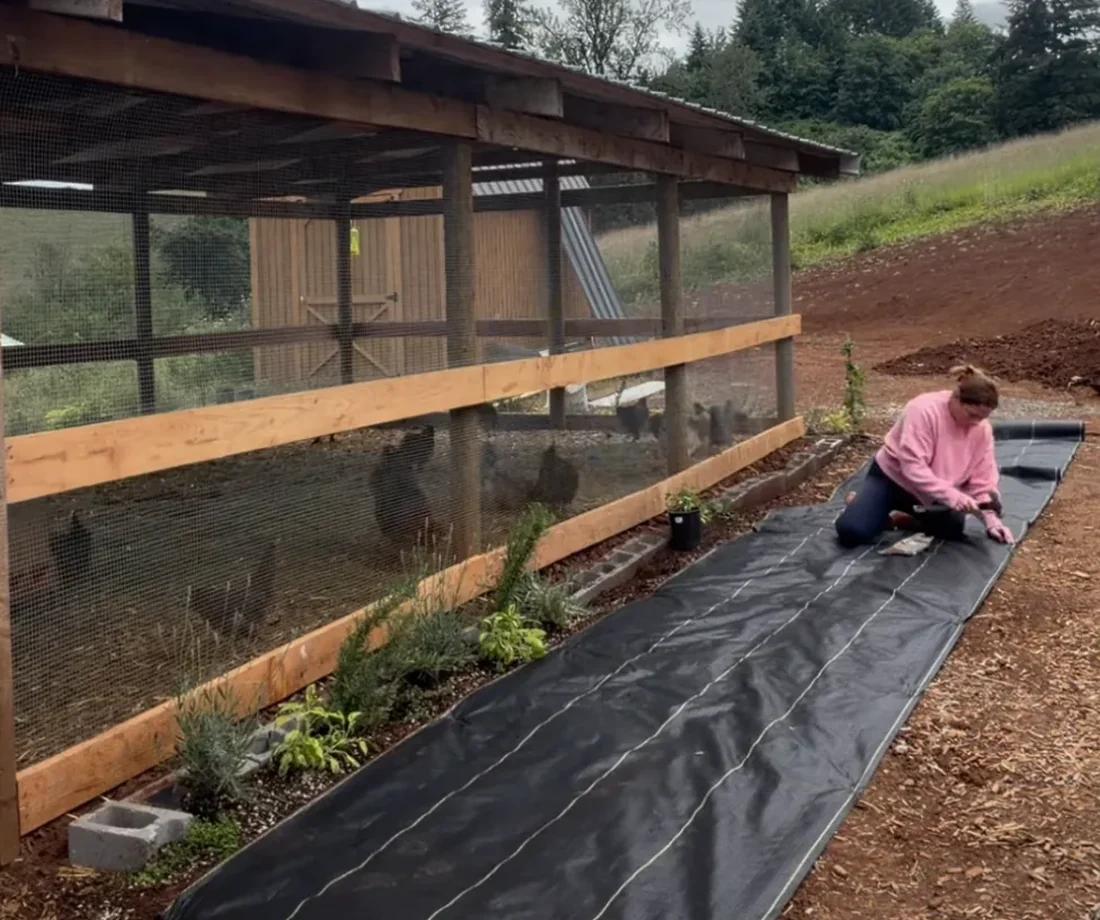
 Walkways & PathsXBAR 5 ozStable base under gravel, stone, or mulch paths.Photo @breeziblooms
 French DrainsTERRA 4 / 6 / 8 ozLets water through while keeping soil out of the stone.Photo @tristateoutdoorliving
 Equipment Pads & LanesXBAR 5 ozTakes skid-steer traffic before the stone goes down.Photo @okiehauling
| Fabric | Widths | Lengths | Coverage per roll | Price per roll |
|---|---|---|---|---|
| XBAR 5 oz dual-layer | 3, 4, 6, 8 ft | 50 to 250 ft | 150 to 1,200 sq ft | From $44.99 |
| SHIELD 3.2 oz woven | 3, 4, 6, 8 ft | 100 or 300 ft | 400 to 1,800 sq ft | From $64.49 |
| TERRA 4 / 6 / 8 oz non-woven | 3 or 6 ft | 50 ft | 150 to 300 sq ft | From $58.49 |
The same six steps work for beds, rows, paths and pads. The clips are from real DOTDAY installs, and the full install guide covers measuring, seams and edges in more detail.
Pull or cut existing weeds at the root, rake out sticks and sharp stones, and level the ground. Under gravel or pavers, compact the base first.
Gravel, rock, pavers, or foot traffic: XBAR 5 oz. Mulch, soil, or straw on top: SHIELD 3.2 oz. Not sure: take the Fabric Finder quiz.
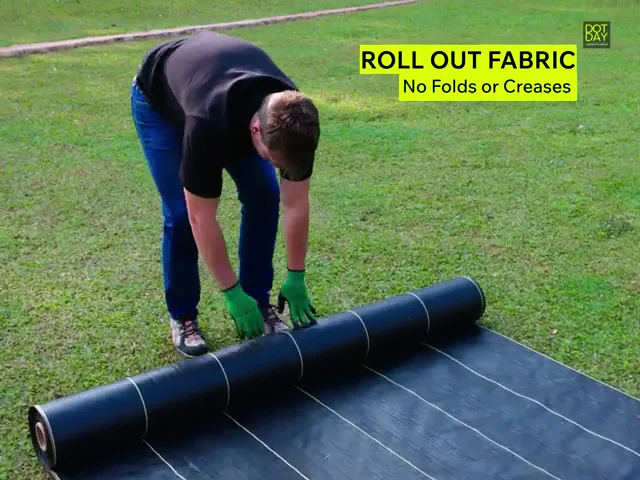
Lay the fabric flat with the 12-inch guide lines facing up and pull out wrinkles. Cut to shape with scissors or a utility knife.
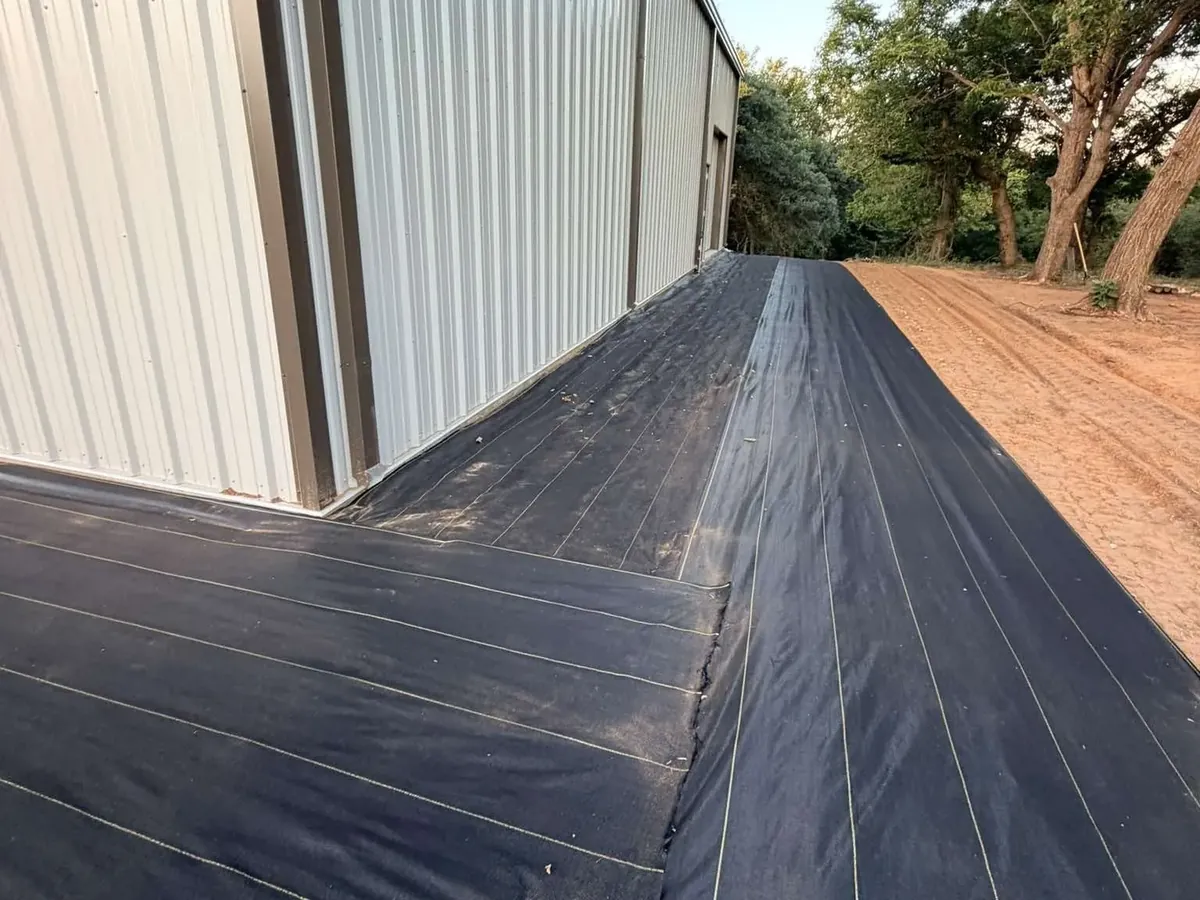
Lap each run 6 to 12 inches over the last, and use the full 12 inches under gravel and on slopes, so weeds have no gap to find.
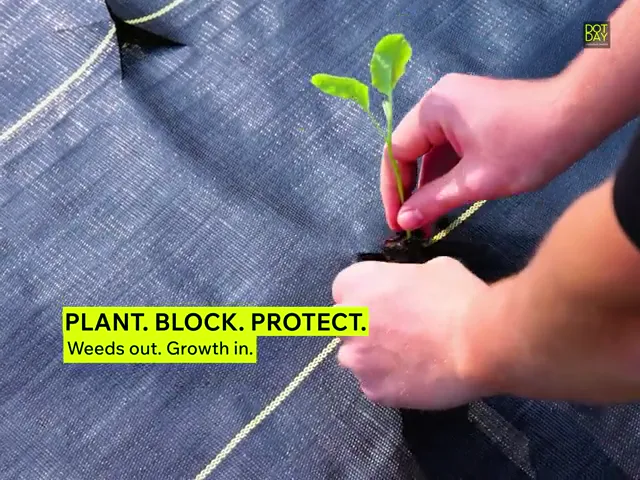
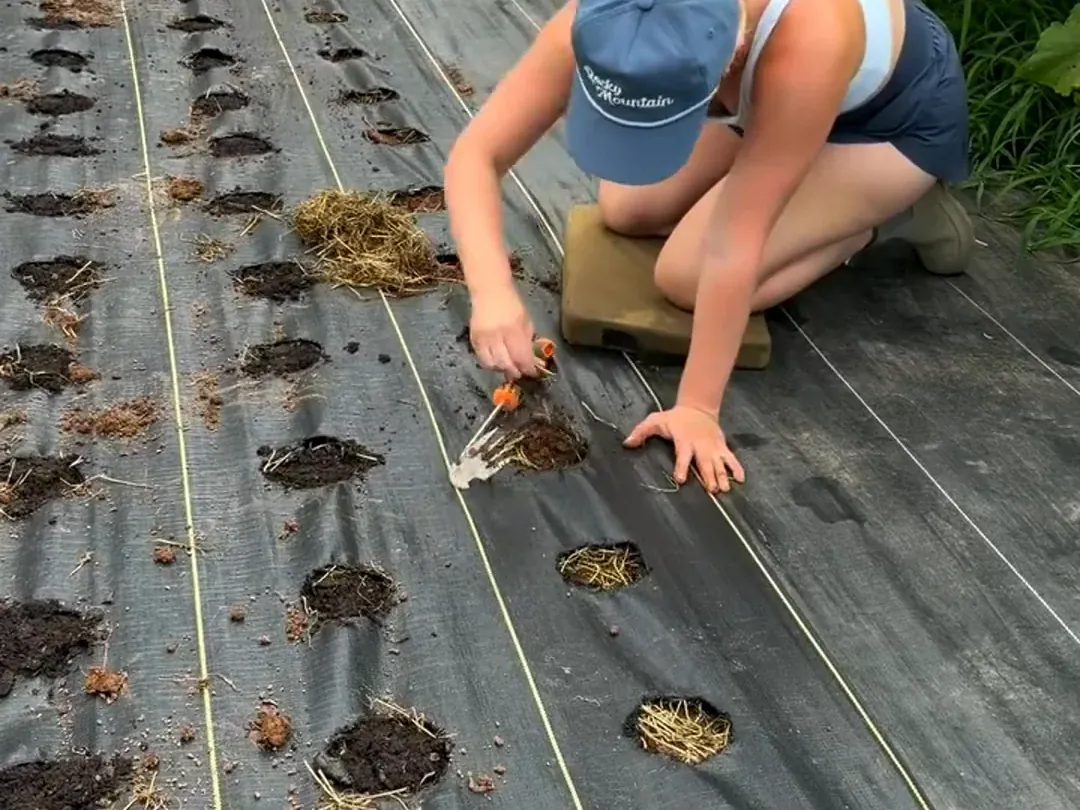
In beds and rows, cut an X at each plant using the guide lines for spacing, set the plant, and fold the flaps back around the stem.
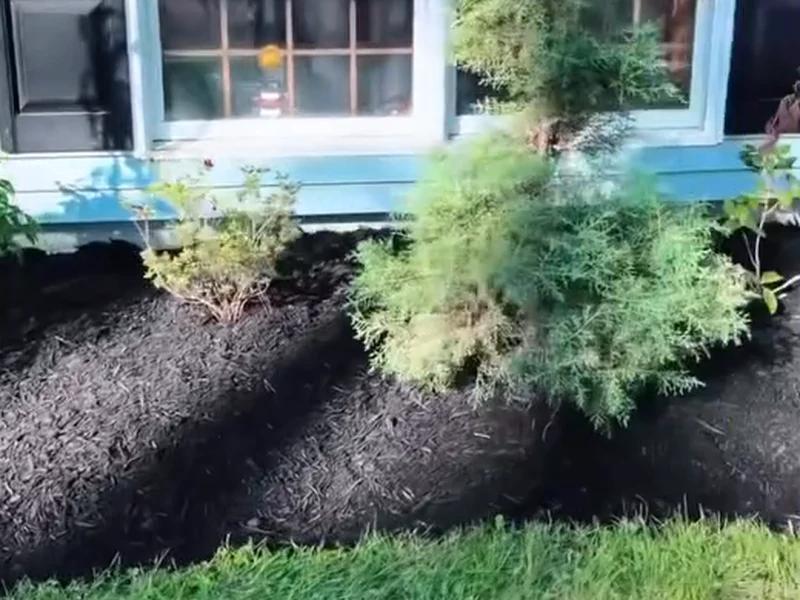
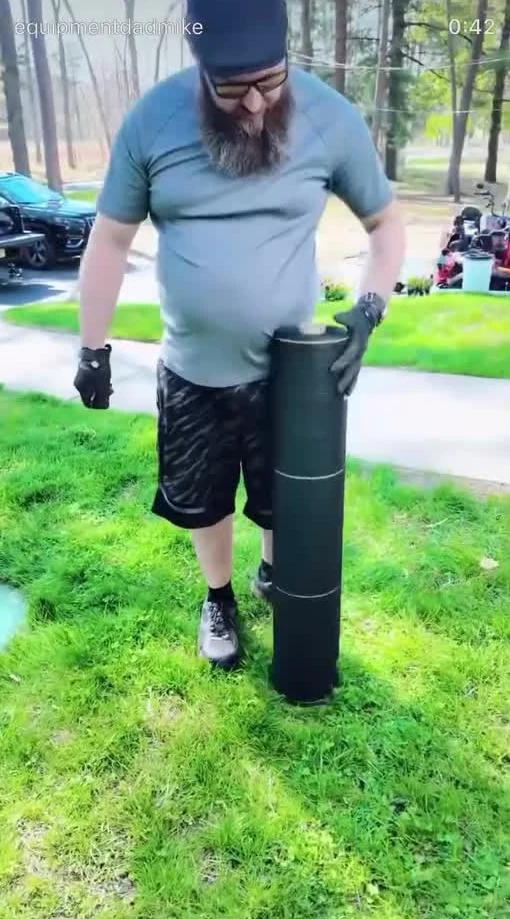
Finish with 2 to 3 inches of mulch, soil, or stone over the whole sheet. Covered fabric is protected from the sun and stays in place. Photo: Mike Flemmings (@equipmentdadmike).
The crew at Jannie Bird Farm plants through openings in long rows of DOTDAY SHIELD woven 3.2 oz.
 XBAR 5 ozVerified Amazon purchase
“Absolutely love this weed barrier. It's durable, thicker, and a game changer for having to pull weeds. It doesn't shred like its competitors. Dot Day has gained a customer for life over here!”
“This stuff is seriously substantial. We’ve used a LOT of landscape fabric over the years, and I can already tell you this one feels different. We were actually floored at how high quality the product is.”
“Used this for a small gravel area in my yard. The fabric feels strong and was easy to lay down and cut. Everything arrived on time and as expected. By far one the best fabric I have used. The quality feels really good and held really well.”
The crew at Jannie Bird Farm rolled DOTDAY SHIELD woven 3.2 oz down their planting rows and set plants through openings in the fabric.
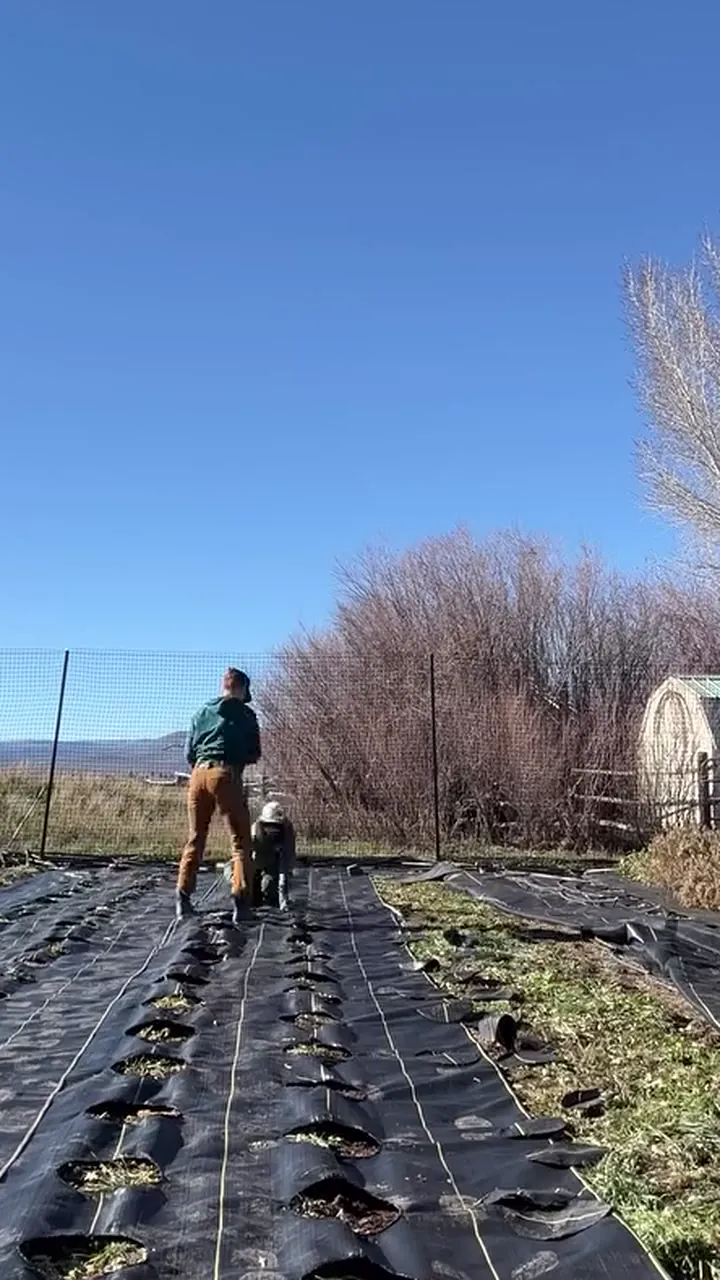
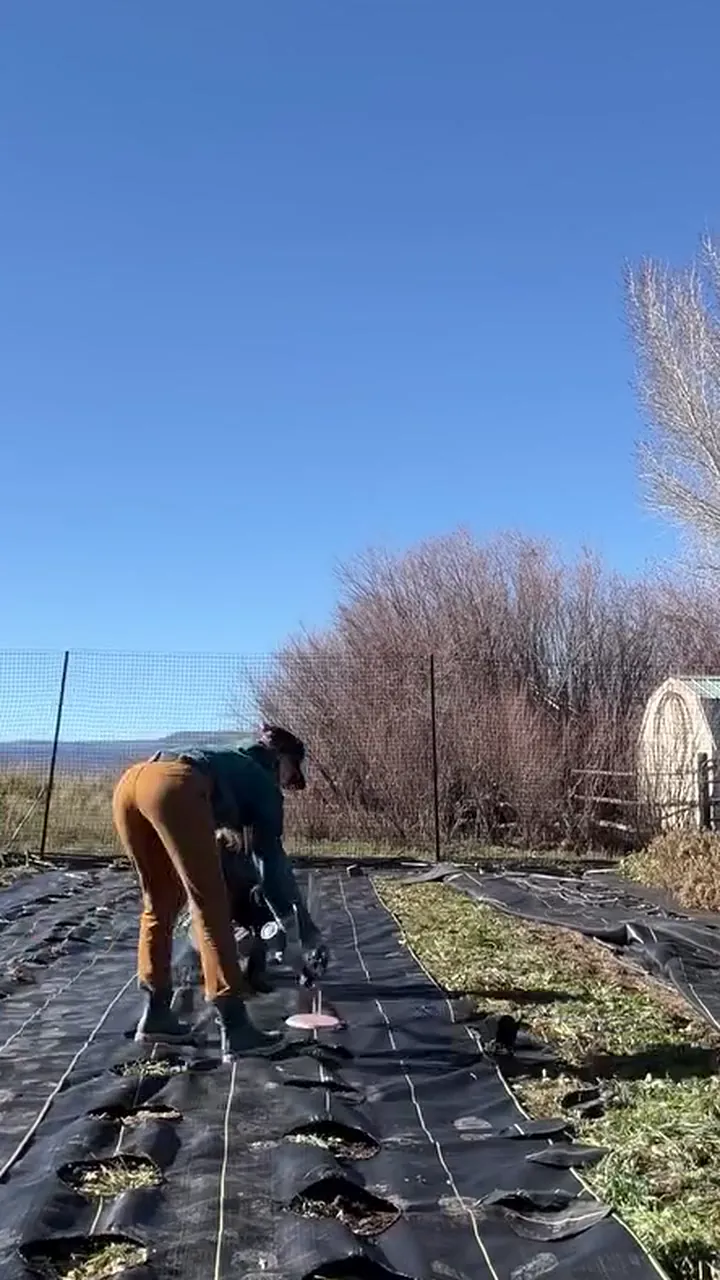
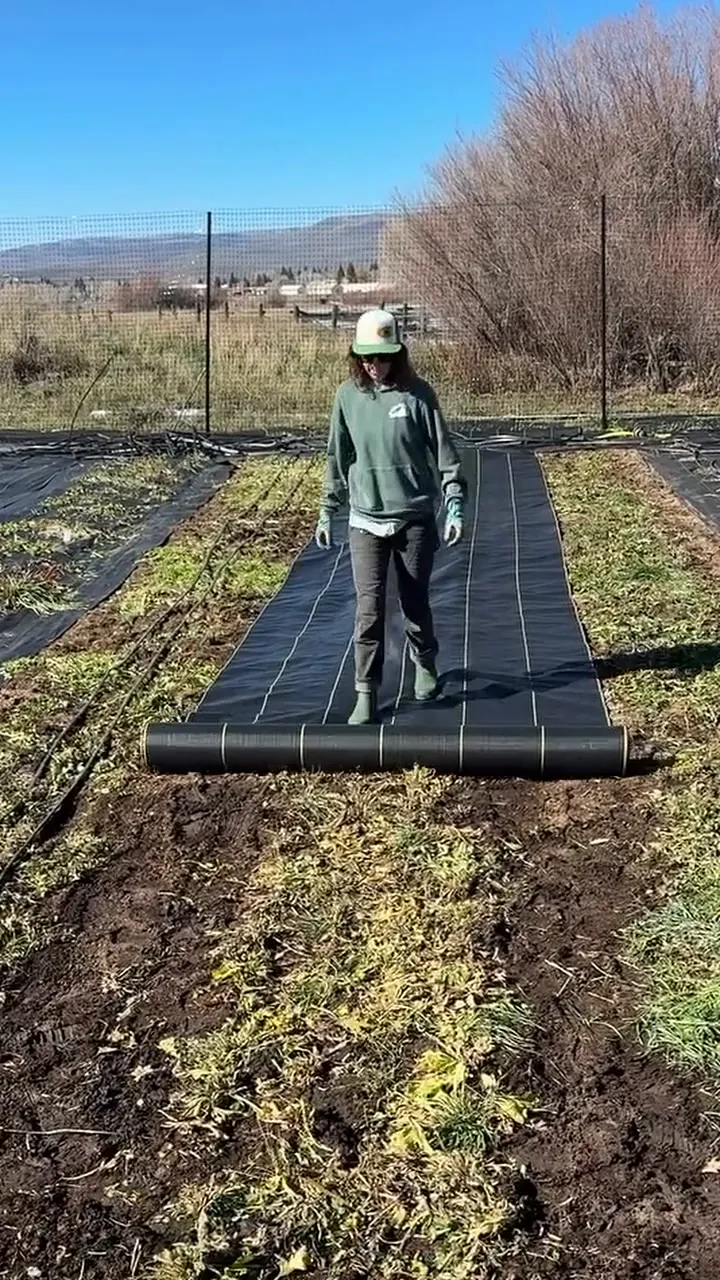
Gardeners, homesteaders, farmers, and contractors putting DOTDAY to work. Tap any post to see it on Instagram.
 “Tired of pulling weeds? I found a product that actually works.”@breezibloomsXBAR around the coop
 @okiehaulingXBAR gravel lane and pad
 @janniebirdfarmSHIELD farm rows
 “Just look. You can see it's superior.”@adrienneGarden rows
 @highlandoakfarmXBAR market garden rows
 @tristateoutdoorlivingTERRA French drain
 @smallgardenlife_azXBAR 5 oz under gravel, Mesa, AZ
Enter the length and width of each bed, path, or patio and the calculator returns the roll size and count, with seam overlap already included.
The best weed barrier fabric is the one built for what sits on top of it. Under mulch, soil, or straw in beds and rows, a woven fabric around 3 oz per square yard blocks light and lets water through: that is SHIELD 3.2 oz. Under gravel, rock, pavers, or foot traffic, step up to a dual-layer fabric that resists punctures: that is XBAR 5 oz.
Mostly, yes. Weed barrier, weed block, ground cover, and landscape fabric are names for the same family of fabrics laid over soil to stop weeds. What changes between products is construction: woven, dual-layer, or non-woven. Woven and dual-layer fabrics are built for weed control; non-woven geotextiles like TERRA are built for drainage and filtration.
For weed control, woven. A tight woven polypropylene face blocks the light weeds need and is strong in-plane, so it pulls tight without tearing. Non-woven fabric is felt-like: it filters and drains well, which is why it goes in French drains, but roots can work into the fibers. XBAR combines both: a woven top bonded to a non-woven needle-punched backing.
3.2 oz is the working weight for garden beds, raised beds, farm rows, and nurseries where only mulch or soil sits on top. 5 oz dual-layer is the step up for gravel paths, rock beds, pavers, patios, and driveways, where stone and traffic would puncture a lighter fabric. The landscape fabric thickness chart goes deeper.
Yes. DOTDAY weed barriers are permeable: rain and irrigation pass through the weave to the soil. XBAR's published flow rate is 10.5 gal/min/sf (ASTM D4491). Plastic sheeting is different: it does not drain and starves the soil of water and air.
Both, with the right fabric. Under organic mulch in planted beds, use SHIELD and keep the mulch layer 2 to 3 inches deep. Under rock and gravel, fabric is where it works best, because it keeps the stone from sinking into the soil; use XBAR there.
Cut an X at each planting spot, fold the flaps back, set the plant, and fold the flaps around the stem. SHIELD and XBAR have 12-inch guide lines woven in, so rows and spacing stay straight. The plant spacing calculator helps plan the layout.
For SHIELD, either side works. For XBAR, lay the fuzzy needle-punched side face down so the woven face takes the wear on top. For TERRA, orientation does not affect performance.
Overlap each run 6 to 12 inches. Go to the wider end under gravel, on slopes, and in high-traffic areas so the seam cannot open when the cover goes on.
Match the width to the bed or path so you lay fewer seams, then pick the length that covers the run. SHIELD comes 3 to 8 ft wide in 100 and 300 ft lengths; XBAR comes 3 to 8 ft wide in 50 to 250 ft lengths. The Fabric Calculator turns your measurements into a roll count with overlap included.
Yes. Standard US shipping is free with no minimum order, and orders typically process in 1 to 3 business days. Contractors, farms, and nurseries can request bulk pricing for larger volumes.
Send the area, what goes on top, and the soil underneath. We will confirm SHIELD or XBAR, the roll widths, and the count. Landscapers, growers, and nurseries can request bulk pricing.

