
What the oz weight on a landscape fabric thickness chart means
This landscape fabric thickness chart starts from one fact: fabric is rated by weight in ounces per square yard, and that single number tells you more than any label. A higher oz weight generally means a denser, stronger fabric, but heavier is not automatically better. The right weight is the one that matches the job, whether that is weed control in a bed, load-bearing separation under pavers, or drainage behind a wall. This guide is for landscapers, hardscape crews, growers, and drainage contractors who need to spec the right weight the first time. If you want help fast, talk to us about bulk pricing or run your numbers in the fabric calculator.
Why trust DOTDAY on fabric weight
Landscape fabric thickness chart by job
| Weight (oz/yd2) | Type | Best job | DOTDAY product |
|---|---|---|---|
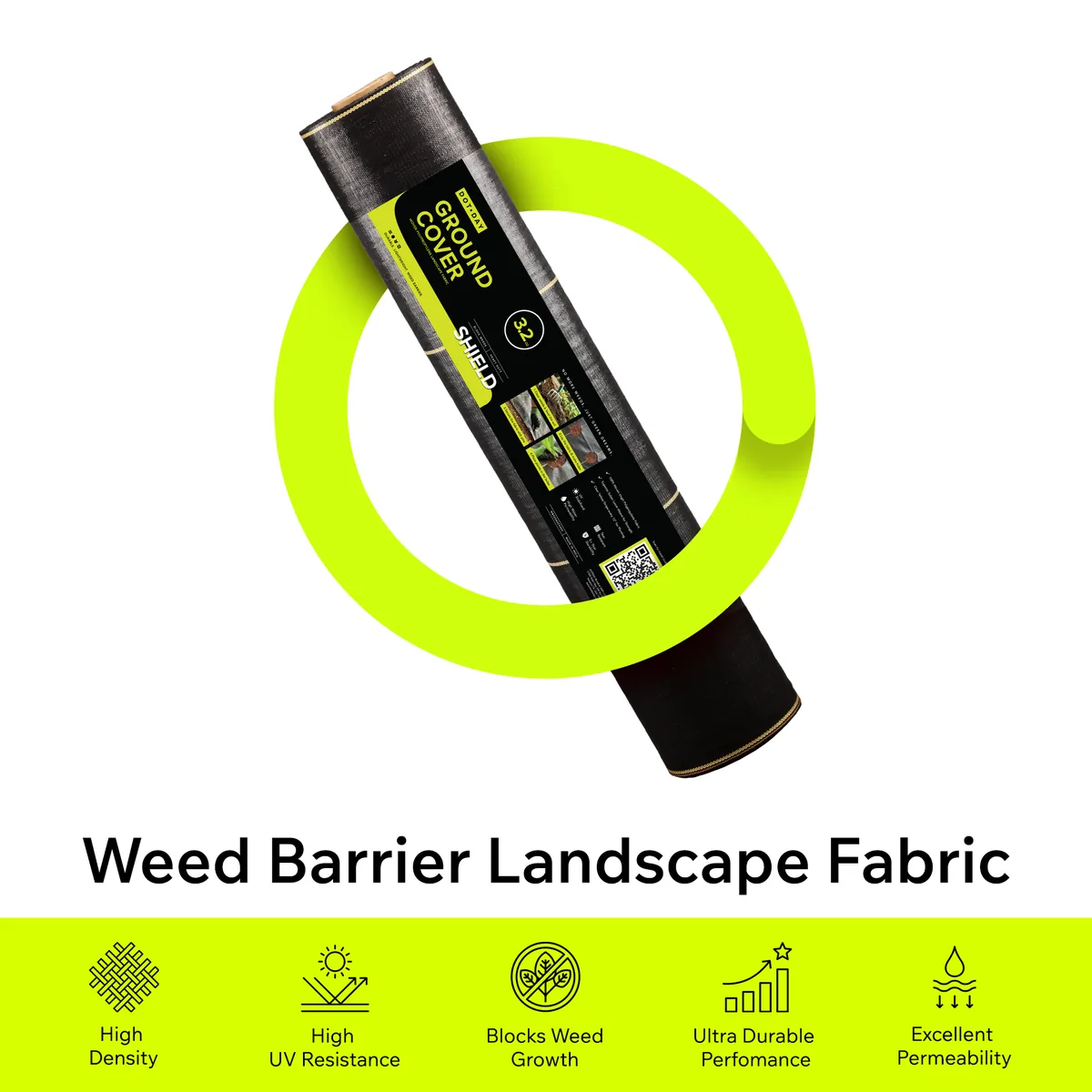
| 3.2 oz | Woven | Garden beds, mulch, farm rows, nurseries | SHIELD |
| 5 oz | Woven dual-layer | Gravel, pavers, hardscape, driveways (load) | XBAR |
| 4 oz | Non-woven | Light drainage, soil separation, French drains | TERRA 4 oz |
| 6 oz | Non-woven | Heavier drainage, retaining-wall backfill | TERRA 6 oz |
| 8 oz | Non-woven | Demanding drainage, road base, erosion control | TERRA 8 oz |
Which DOTDAY fabric is right for you?
Choose by the ground condition, not by the weight alone. Each column below is one fabric, and every band lines up the same property across all three.
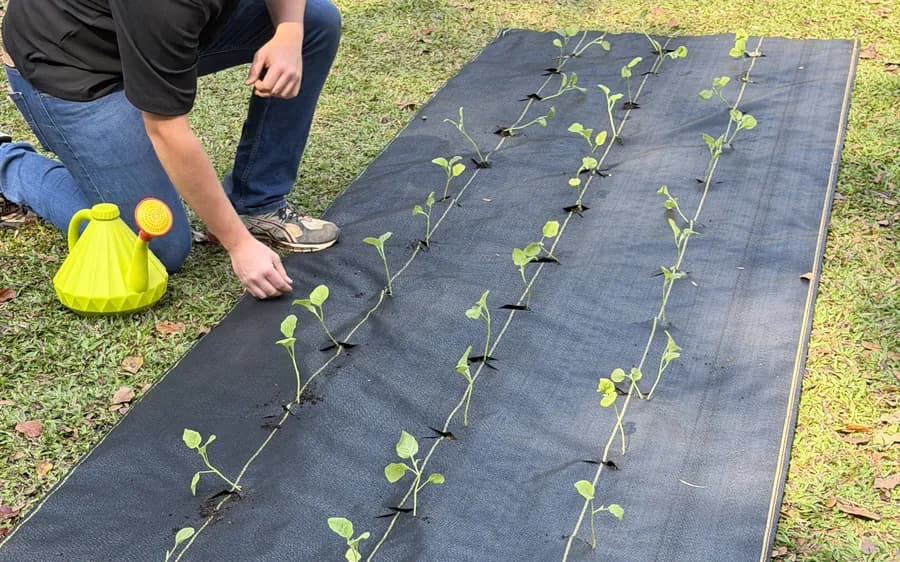
SHIELD
Weed control for beds, rows, and everything under mulch.
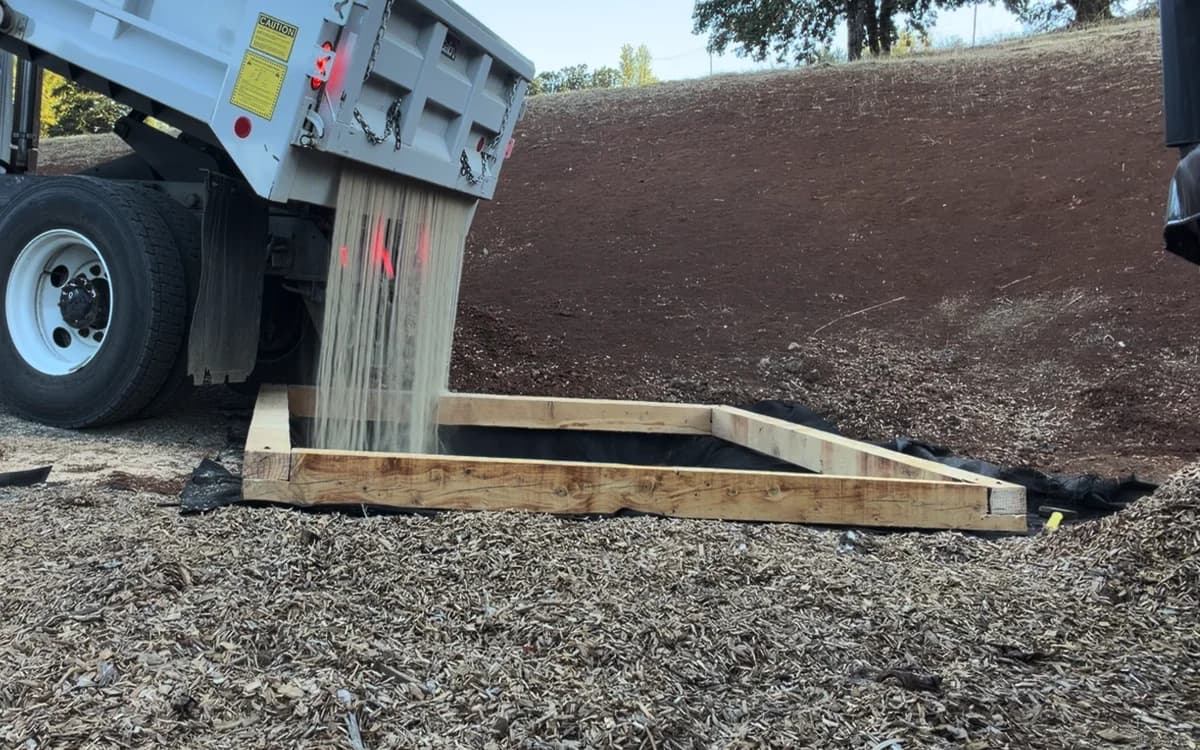
TERRA
Drainage and filtration that keeps soil and stone apart.
Woven polypropylene
Flat-tape weave
Woven top plus non-woven backing
Dual-layer
Non-woven needle-punched
Felt-like fiber mat
Permeable weave
Water and air reach the roots
gal/min/sf under load
ASTM D4491
gpm/ft2 at 8 oz
ASTM D4491
Grab strength MD/CD
ASTM D4632
CBR puncture resistance
ASTM D6241
CBR puncture at 8 oz
ASTM D6241
Beds, mulch, farm rows, nurseries
6 roll sizes, from $0.08/sq ft
Gravel, pavers, driveways, hardscape
9 roll sizes, from $0.15/sq ft
French drains, walls, road base
3 weights, from $0.47/sq ft
Woven weight and non-woven weight are not the same thing
One trap with any thickness chart is comparing weights across fabric types as if they mean the same thing. They do not. In a woven fabric, the weight reflects tightly crossed polypropylene tapes built for weed suppression and load-bearing separation. In a non-woven geotextile, the weight reflects a felted mat of fibers built to filter and let water pass through. A 5 oz woven fabric and a 5 oz non-woven fabric are engineered for different jobs, so do not read across the two as if a number alone settles it. Read the weight inside the right type for the job in front of you.
How to pick a weight from the chart
Work the chart in two steps. First, name the job: weed control, load-bearing separation, or drainage. That picks the type, woven for weeds and load, non-woven for water. Second, pick the weight within that type by how demanding the job is. For weed control in beds and rows, 3.2 oz woven DOTDAY SHIELD is right. For gravel, pavers, and driveways that carry load, step up to 5 oz woven dual-layer XBAR. For drainage, choose non-woven TERRA from 4 to 8 oz by how hard the water and soil are working the fabric.
Speccing fabric weights across a whole site?
Get volume pricing and help matching the right oz weight to each ground condition on the job.
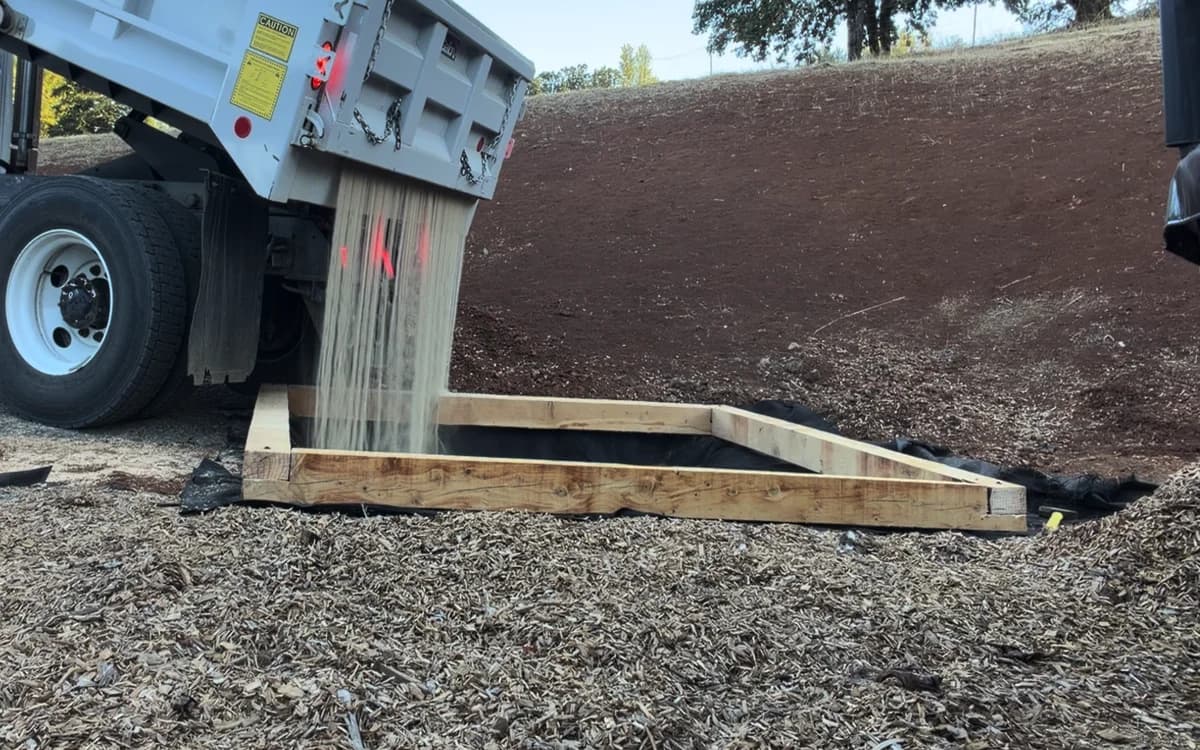
Three fabrics, three ground conditions
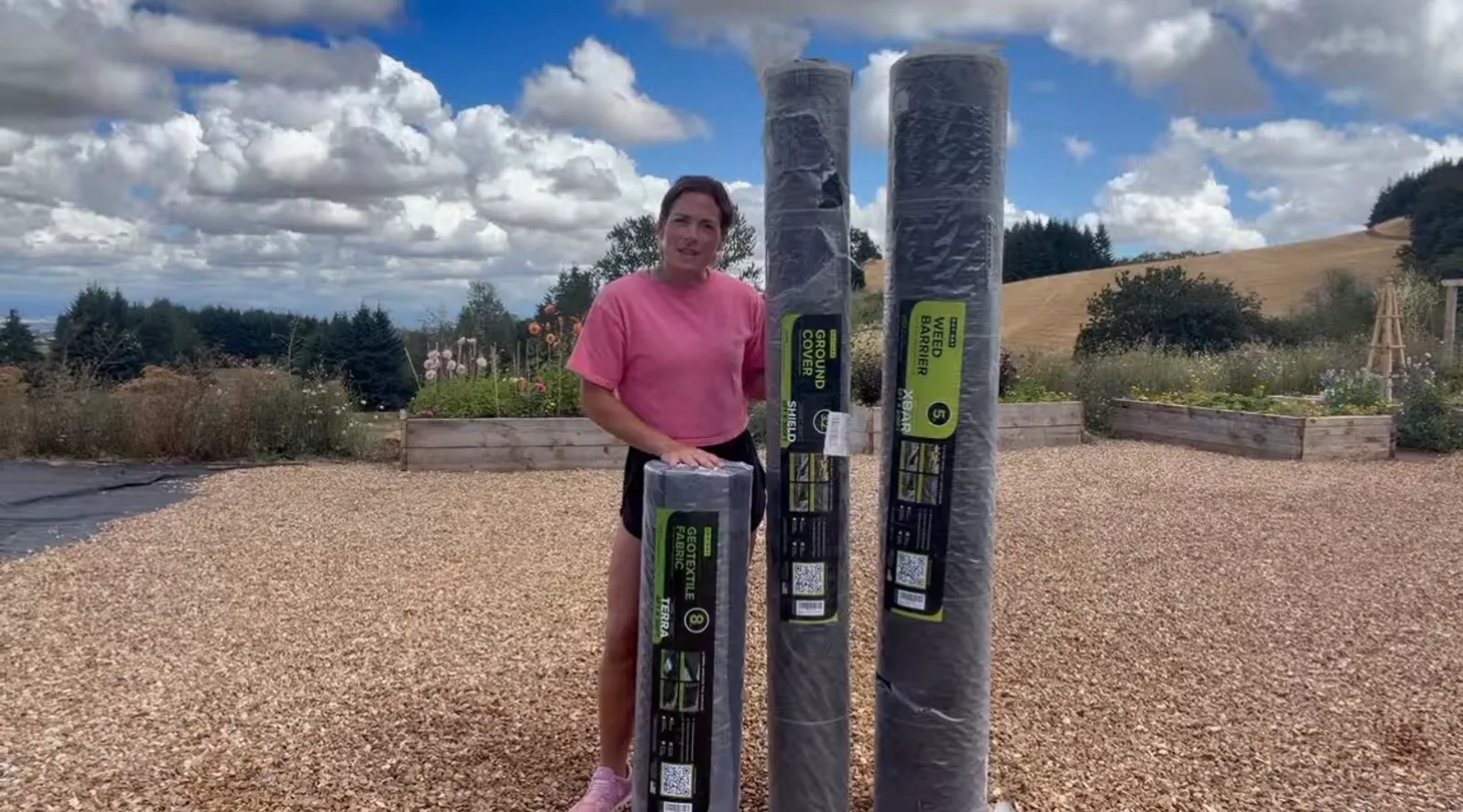
Recommended by the job in front of you, not the price on the shelf. SHIELD is built for garden beds, mulch, farm rows, and nurseries where the job is suppressing weeds. XBAR is the right call under pavers, gravel, and hardscape that takes foot and vehicle traffic. TERRA is built for French drains, retaining-wall backfill, and wet or soft soil where water has to move. Match the weight to the ground, and the fabric lasts.
Find the right weight for your job
Answer a few questions about your ground condition and get matched to SHIELD, XBAR, or TERRA at the right oz weight.
Find Your FabricThree fabrics. One simple rule.
Use the right fabric for the right ground condition.
SHIELD
Woven polypropylene weed barrier built to suppress weeds while letting water and air through.
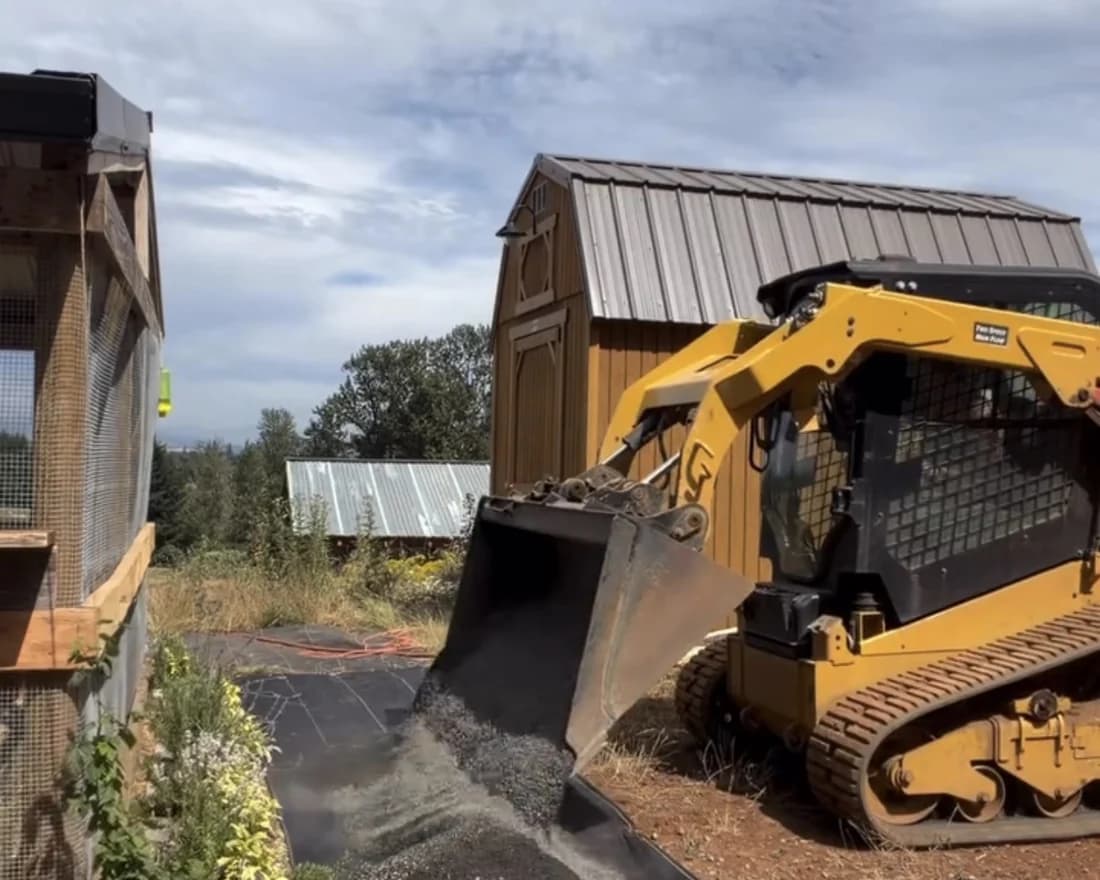
XBAR
Heavy-duty woven hybrid engineered for load and separation under hard surfaces.
TERRA
Non-woven geotextile designed for drainage, filtration, and soil separation.