
3.2 oz vs 5 oz weed barrier: beds versus gravel load
If you are comparing 3.2 oz vs 5 oz weed barrier fabric, here is the straight answer: 3.2 oz is right for most garden beds, mulch, and farm rows. 5 oz is built for gravel, pavers, and anywhere people walk. The weight gap sounds small. The load gap is not. This guide matches each weight to the ground, with a side-by-side chart and the right DOTDAY roll. Size the run in the DOTDAY Fabric Calculator. Free US shipping, no minimum.
Quick comparison: 3.2 oz vs 5 oz weed barrier fabric
| Feature | 3.2 oz (SHIELD) | 5 oz (XBAR) |
|---|---|---|
| Fabric weight | 3.2 oz per sq yard | 5 oz per sq yard |
| Construction | Single-layer woven polypropylene | Dual-layer: woven top, non-woven backing |
| Best use | Garden beds, mulch, farm rows, nurseries | Gravel, pavers, driveways, hardscape |
| Weed block | Strong | Heavy-duty |
| Water and air flow | Yes | Yes |
| Foot traffic | Low to moderate | High |
| UV resistance | Good | Superior |
| Cost per sq ft | Lower | Higher, pays for traffic rating and lifespan |
| Who uses it | DIY gardeners, growers, landscapers | Hardscape contractors, commercial crews |
The fabric that fits the weight you picked
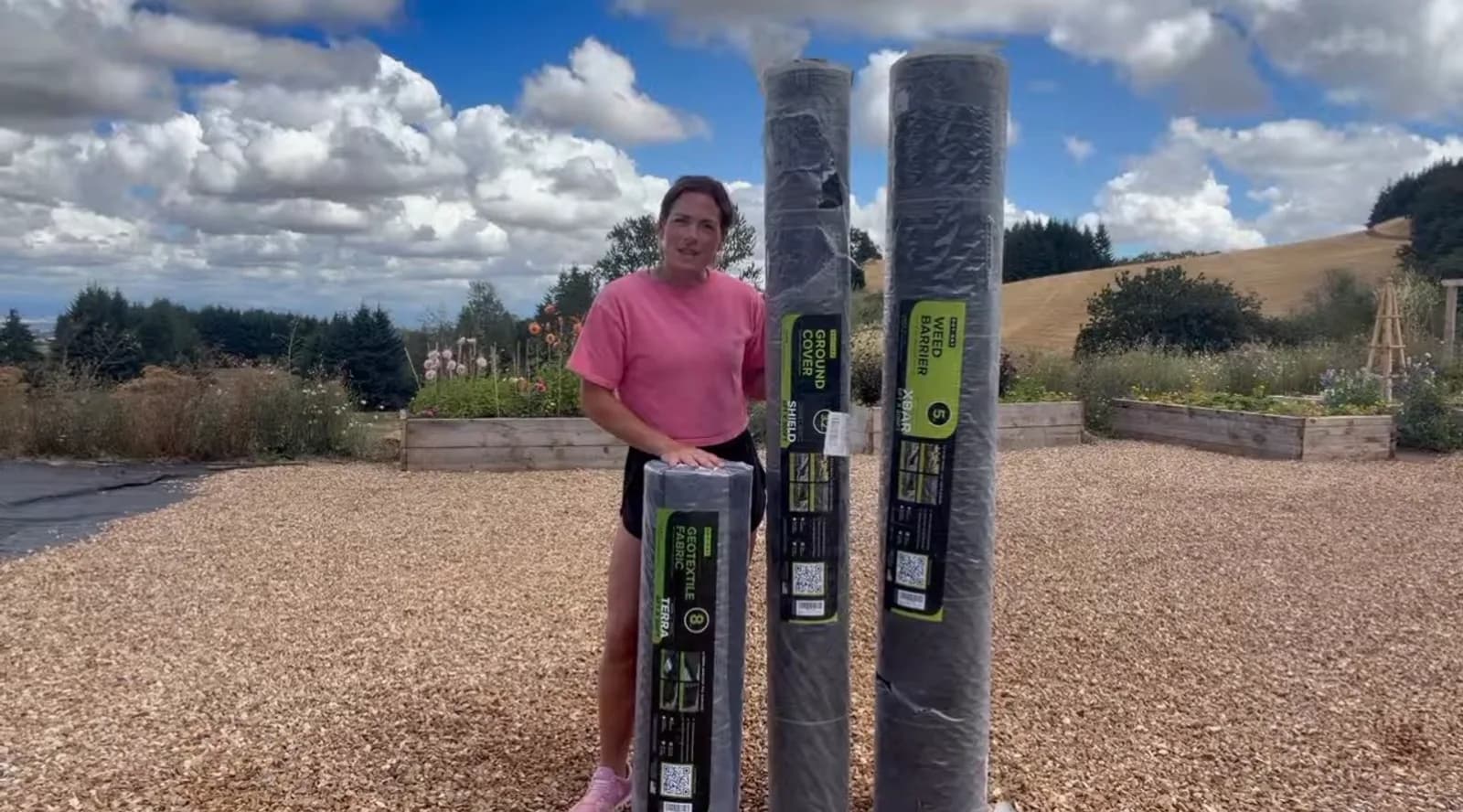
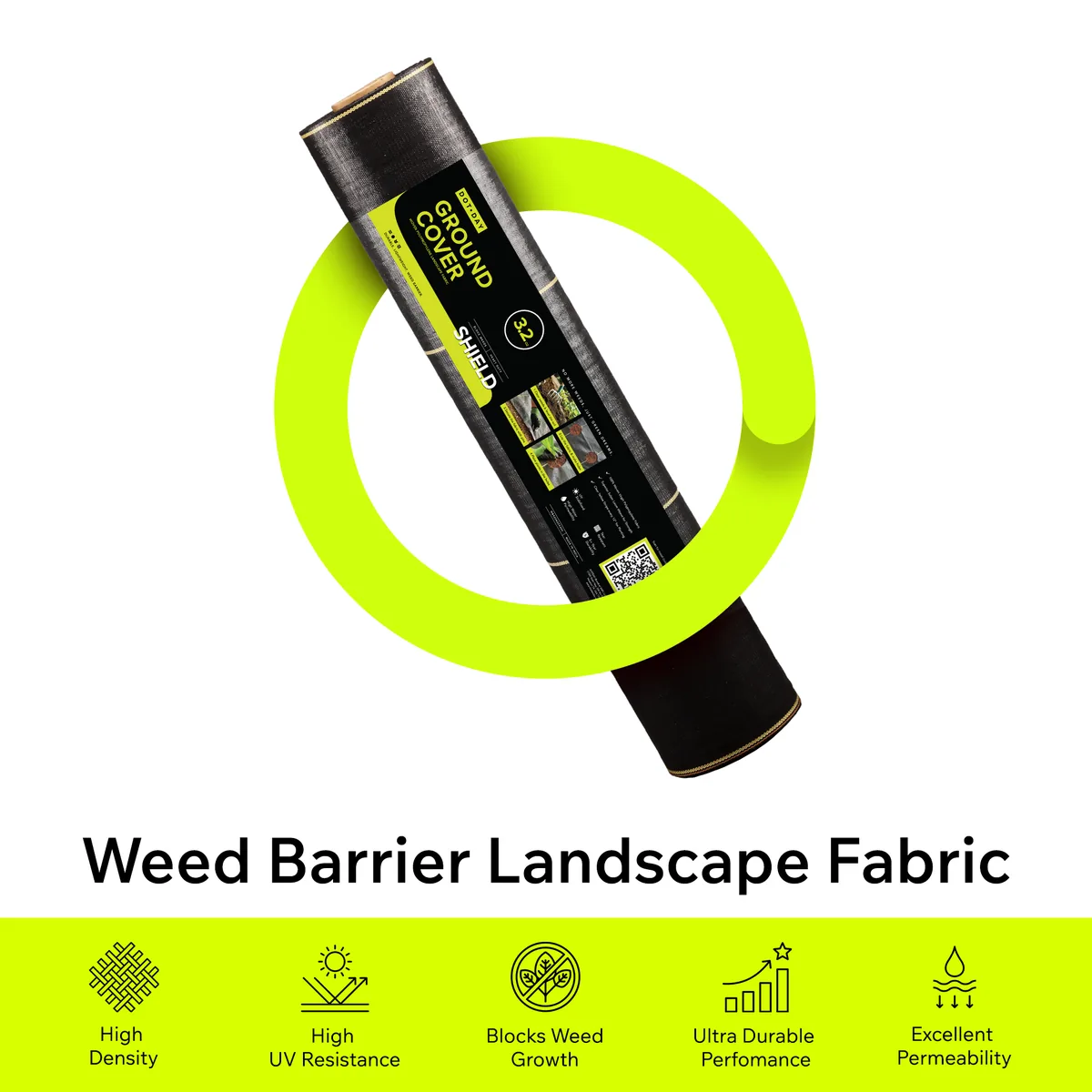
SHIELD is the 3.2oz woven for beds and weeds. Use the tabs if the job is load under gravel (XBAR) or drainage (TERRA).
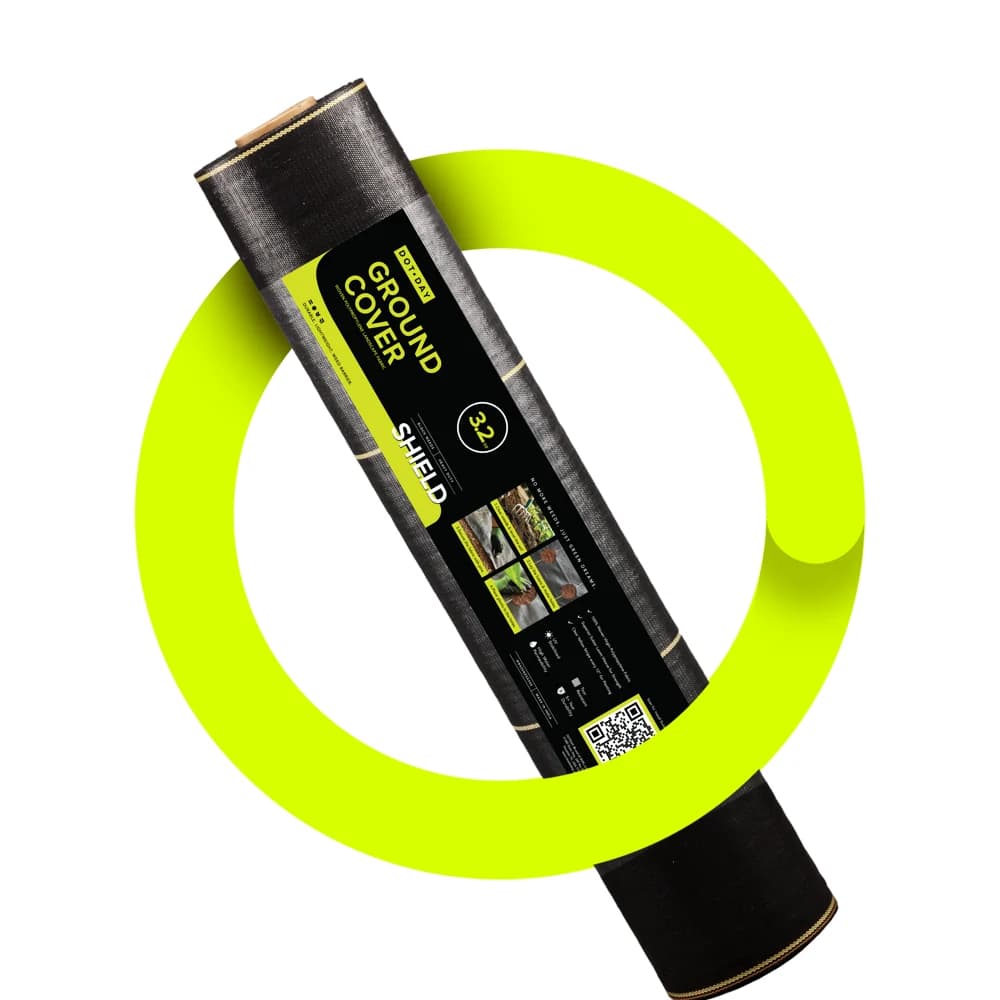
SHIELD
From $64.49 per roll, or $0.08 per sq ft.
3.2 oz woven polypropylene. Six roll sizes.
Flat-tape woven polypropylene.Strong in-plane, so a full run pulls across a bed without tearing.
Blocks light, not water.Rain and irrigation pass through to the roots while weeds stay denied.
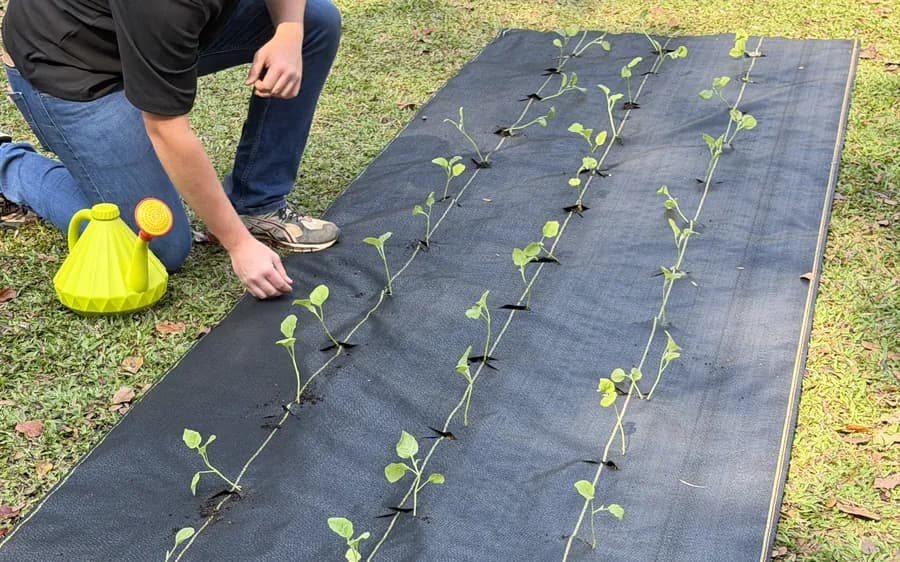
Plant straight through it.X-cuts at your spacing let seedlings in; the surface between stays covered.
180/105 lb grab strength.ASTM D4632, so it survives being pulled, pinned, and planted.
70% UV retention at 500 hrs.ASTM G154. Cover promptly with mulch or soil to protect it.
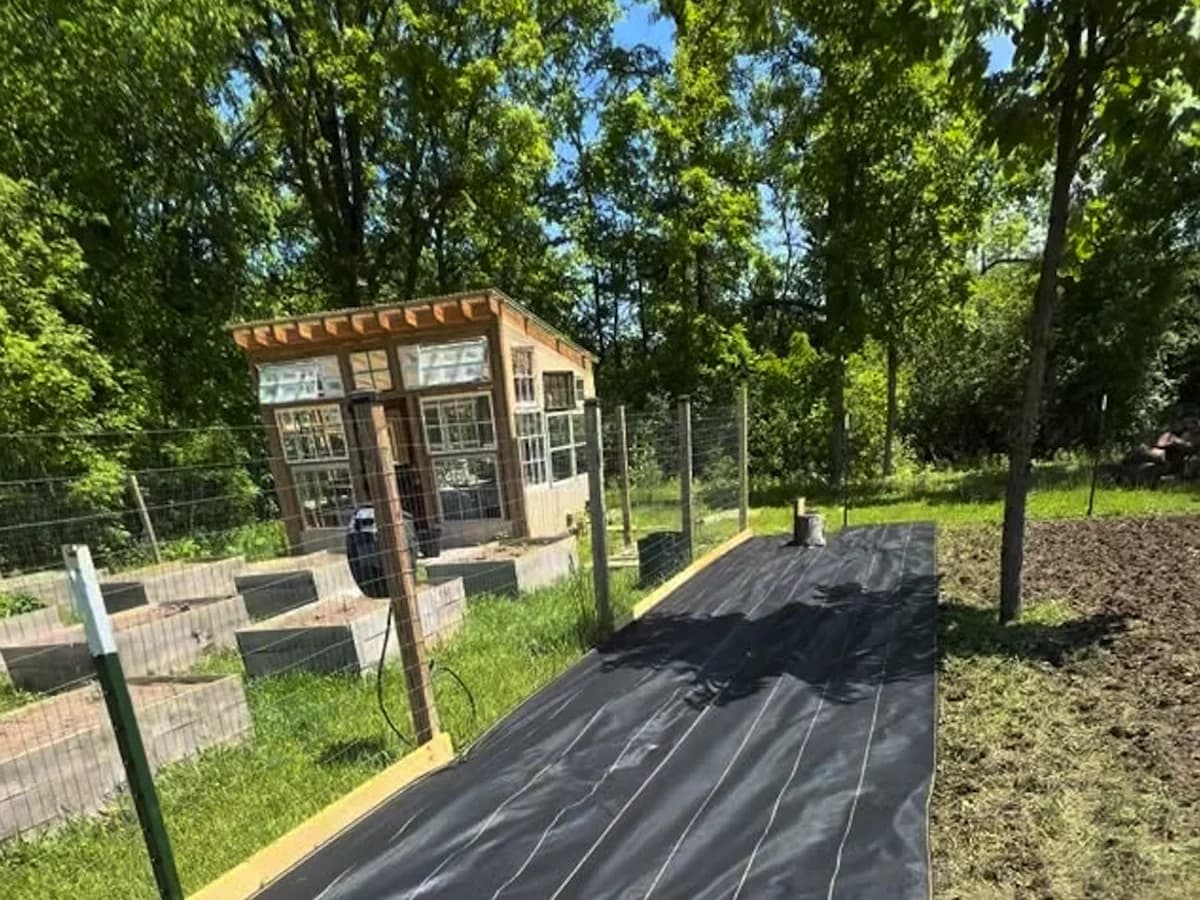
Available in 9 roll sizes
XBAR
From $37.99 per roll, or $0.15 per sq ft.
5 oz dual-layer woven. Nine roll sizes.
Two layers, one job each.The woven face carries the load; the needle-punched backing blocks light and stops pumping.
332 lb CBR puncture resistance.ASTM D6241, so angular stone and machine traffic do not open it up.
10.5 gal/min/sf water flow.ASTM D4491. Breathable under load instead of pooling beneath the surface.
12 inch guide lines woven in.Keeps rows, cuts, and overlaps straight across a long run.
29.5 mil thickness, sealed edges.Cuts clean with a knife and does not unravel.
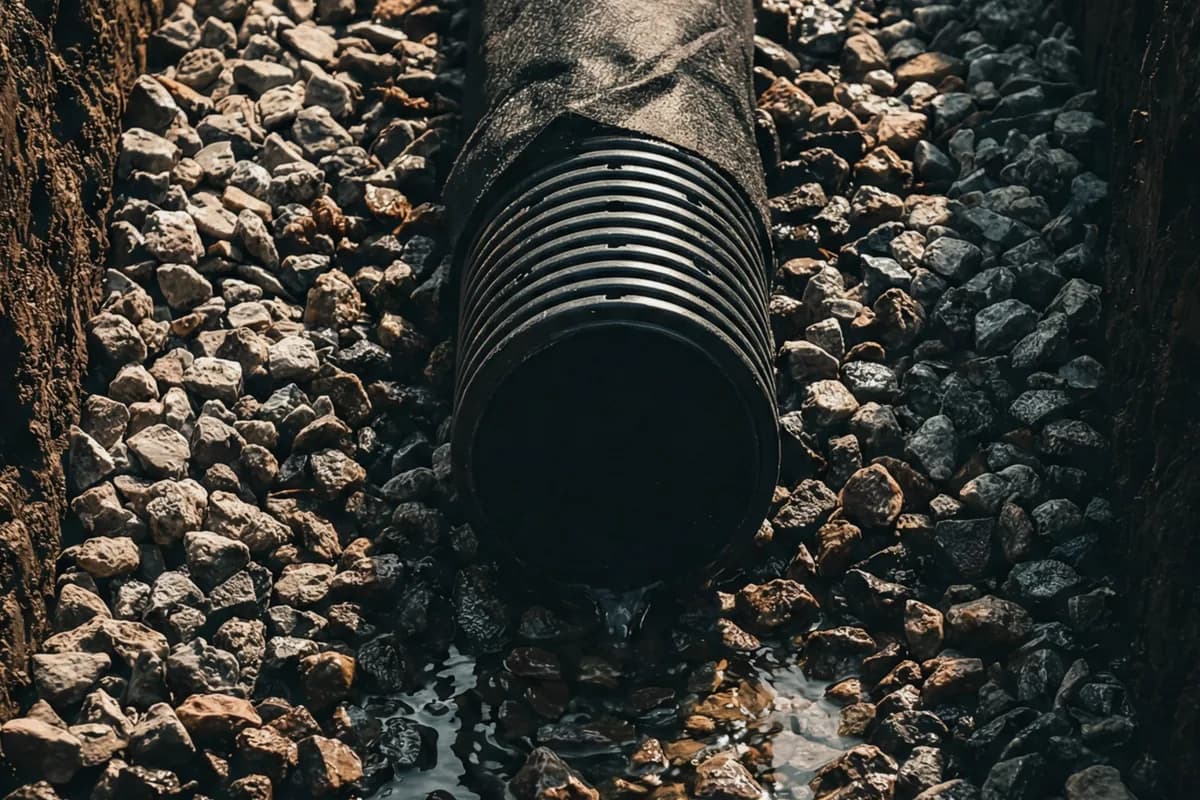
TERRA
From $69.99 per roll at 4 oz, $89.99 at 6 oz.
Non-woven needle-punched. Three weights.
310.8 gpm/ft2 water flow at 8 oz.ASTM D4491. Water moves through the mat, not across it.
Filters the fines.Holds silt and soil out of your stone so the drain still works in year five.
697 lb CBR puncture at 8 oz.ASTM D6241, built for angular stone and compaction.
Three weights, one construction.4 oz for drainage, 6 oz for drains and walls, 8 oz for road base.
Conforms to the trench.The felt-like mat drapes around pipe instead of bridging and tenting.
What weed barrier fabric should you actually buy? (short answer)
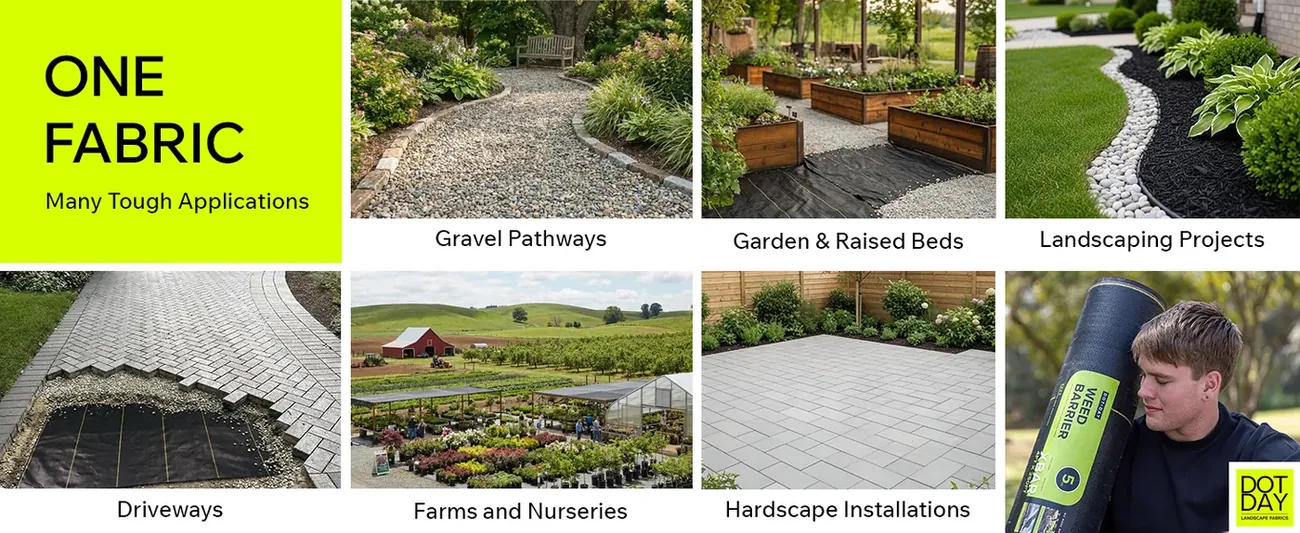
There is no single best weed barrier fabric. The right one is matched to your ground condition. For garden beds, mulch, and planting areas, go with a 3.2 oz woven fabric. For gravel, driveways, pavers, and high-traffic ground, go with a 5 oz dual-layer fabric. In the DOTDAY range that means SHIELD 3.2 oz for weed control and XBAR 5 oz for load-bearing jobs. A heavier fabric is not automatically better. Putting a 5 oz dual-layer under a flower bed is wasted money, and putting a 3.2 oz under a gravel driveway is a fabric that fails early. Right means correctly matched.
Know your weight? Get your exact roll count and cost
Enter your dimensions and the calculator recommends SHIELD or XBAR, the right roll size, how many rolls you need, and the total price.
So, is 3.2 oz weed barrier good?
Yes. For the right application, 3.2 oz weed barrier is an excellent choice, and it is what most residential and commercial landscaping projects actually need. SHIELD 3.2 oz is a single-layer woven polypropylene designed for weed suppression in garden beds, planting rows, raised beds, under mulch, and across farm operations. It blocks weed growth while staying permeable, so water, air, and nutrients pass through to the soil below. Where 3.2 oz starts to fall short is under load: gravel, rock, heavy pavers, or areas with constant foot traffic. That is when you step up to the heavier fabric.
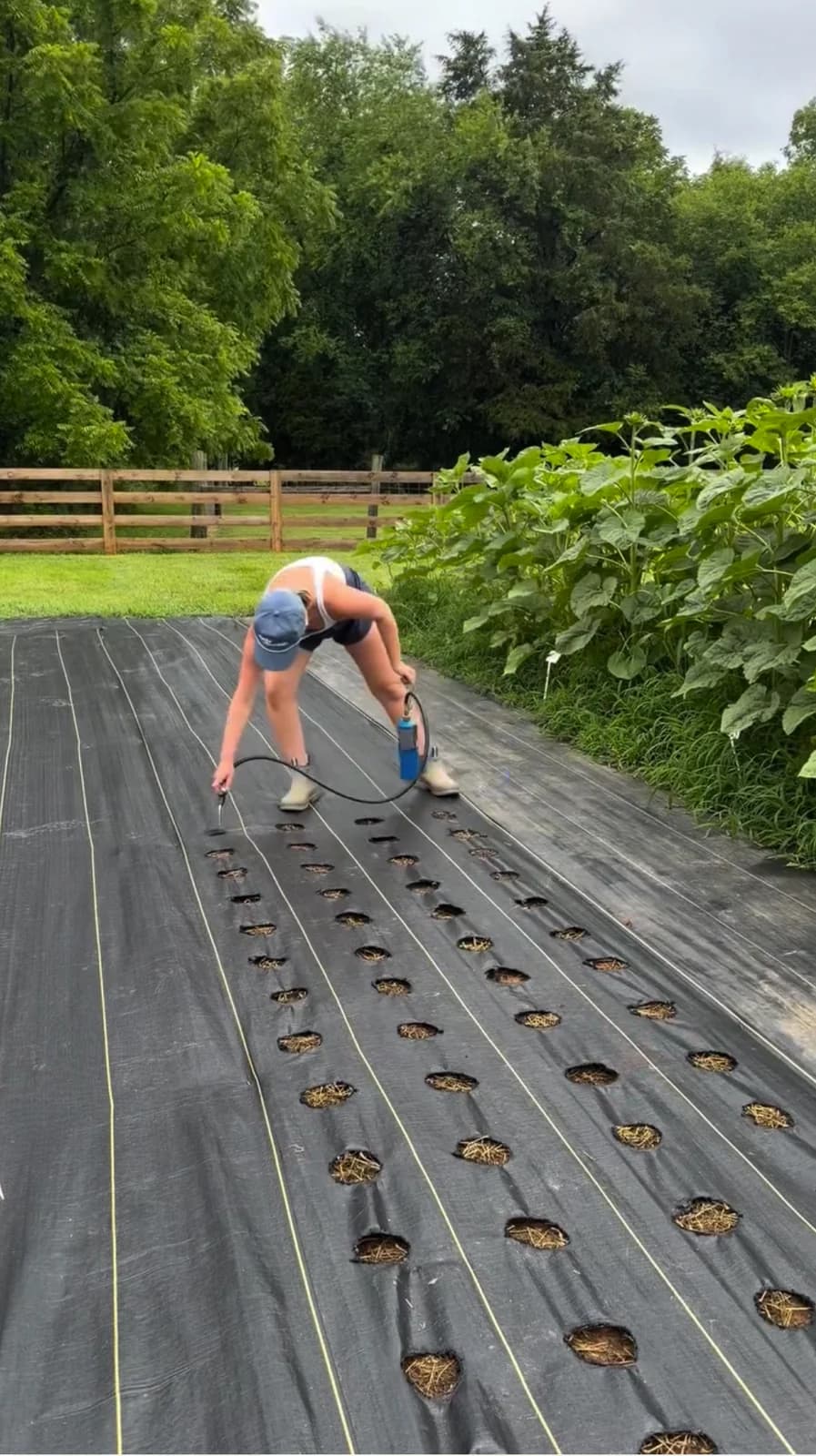
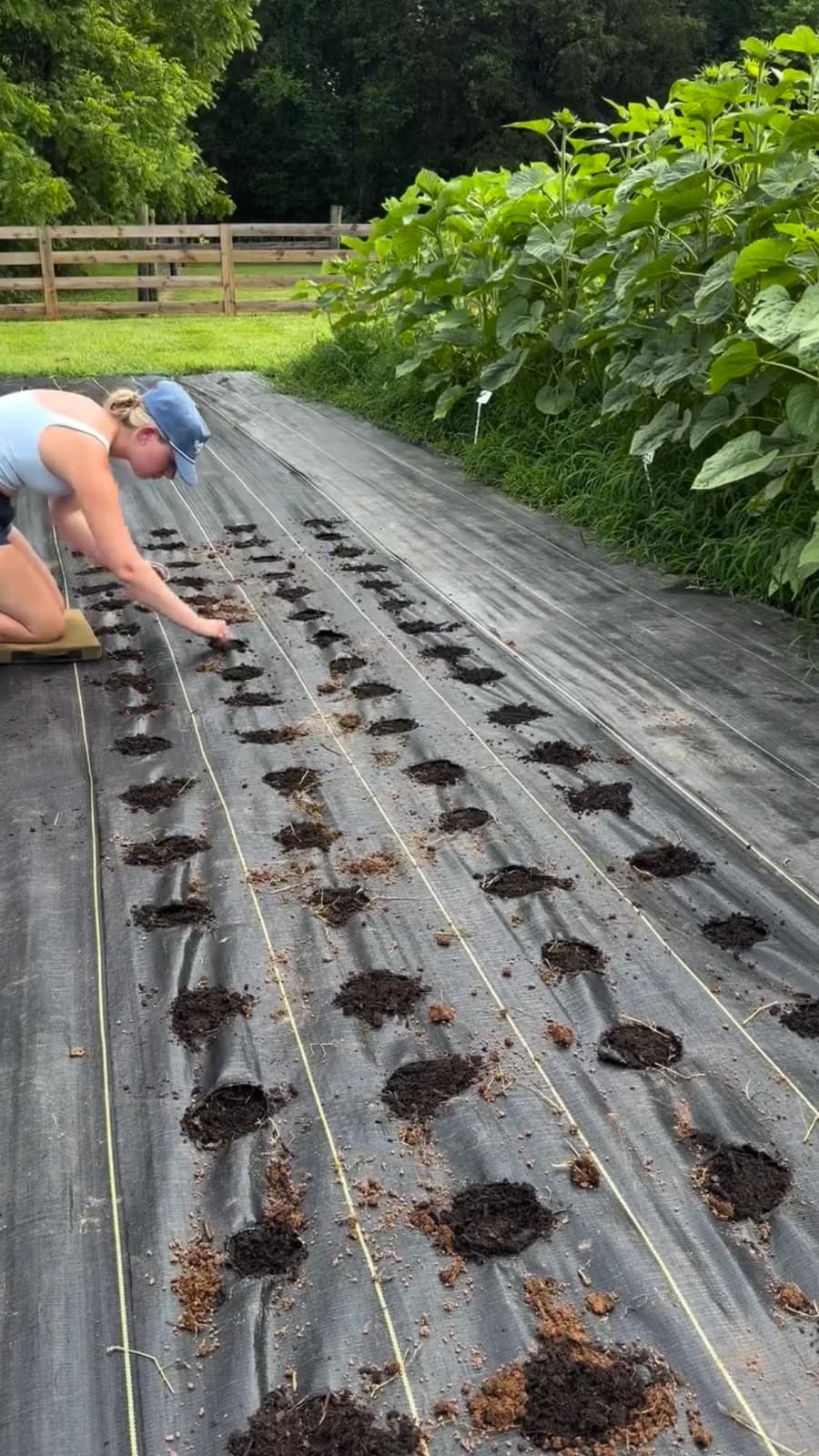
When to choose SHIELD 3.2 oz
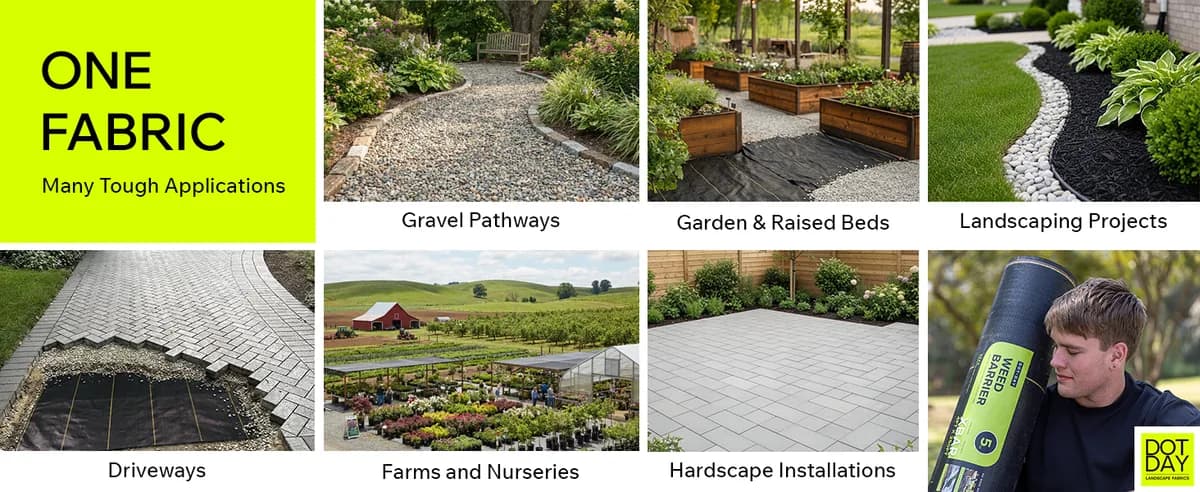
Reach for SHIELD 3.2 oz when your project involves garden beds and flower beds, ground under mulch or wood chips, vegetable gardens and raised beds, farm rows and nursery ground cover, or beds under straw or pine needles. It allows water and nutrients through without weed breakthrough, and it is light enough to handle and install solo. SHIELD is the most commonly used weed barrier weight for a reason: most landscaping and garden projects do not need anything heavier. If you are weighing woven against non-woven for a bed, see our guide on woven vs non woven landscape fabric.
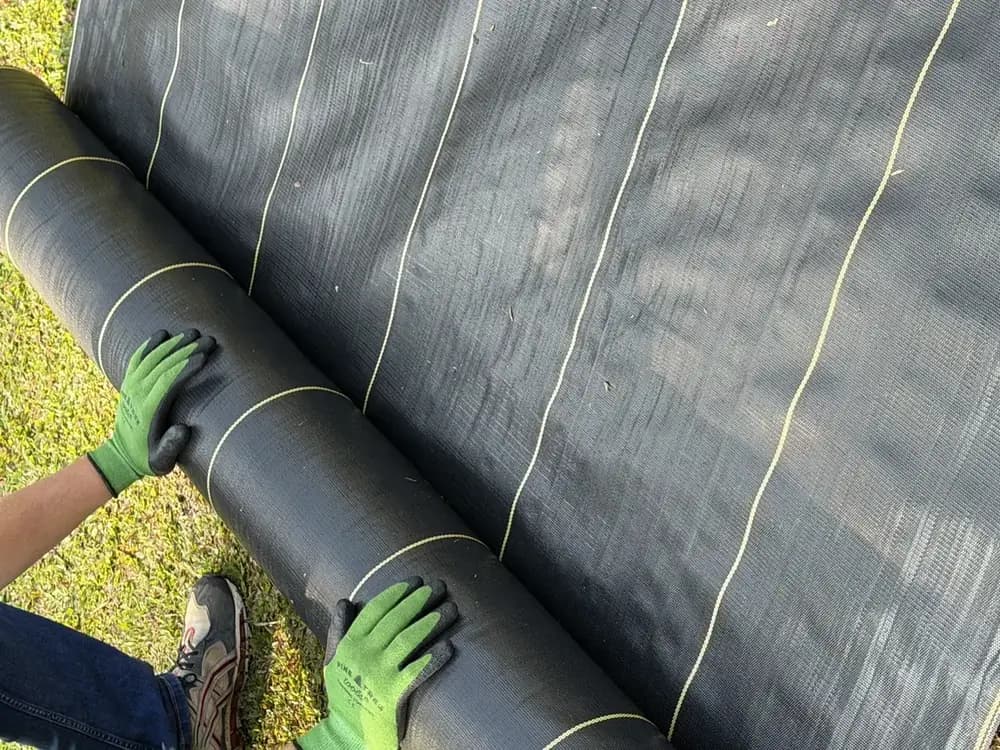
When to step up to XBAR 5 oz
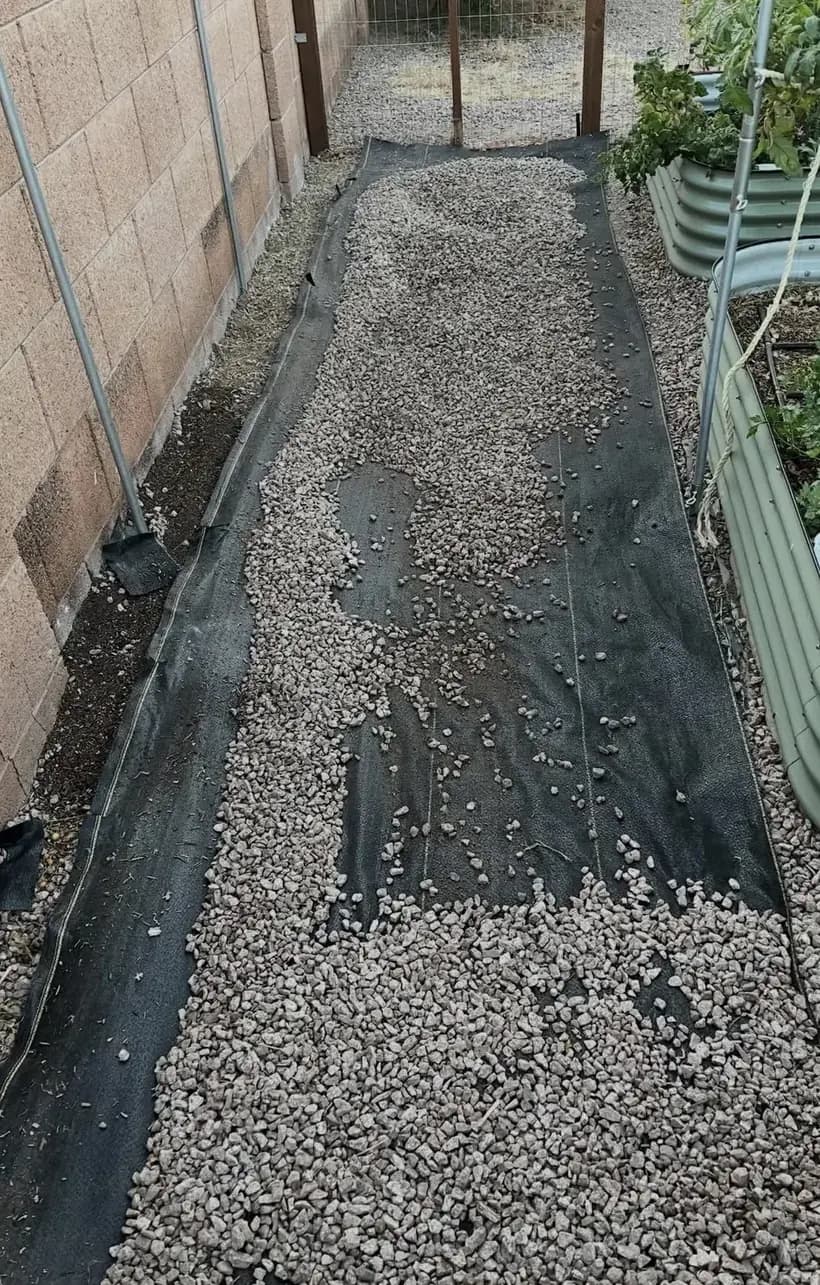
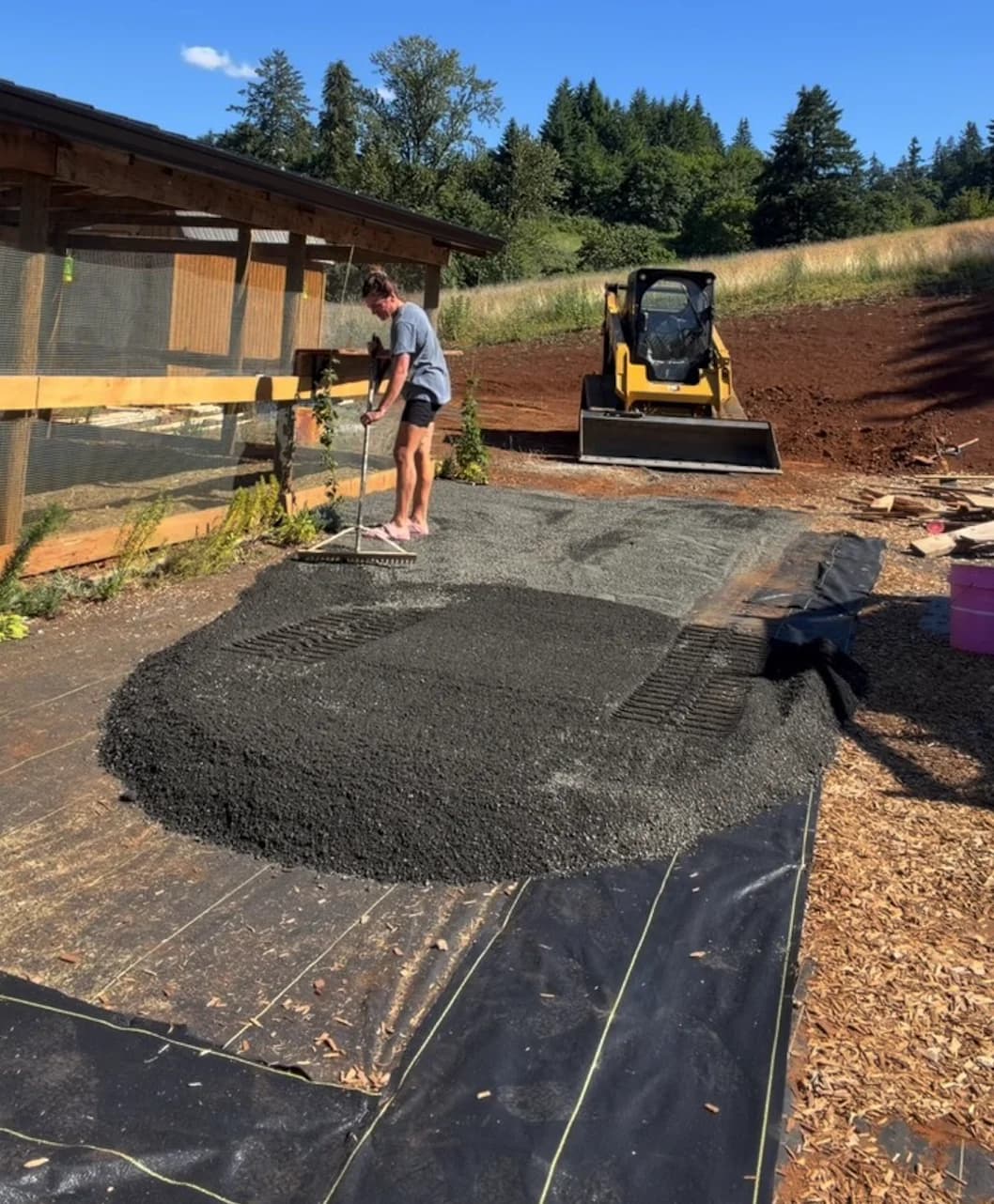
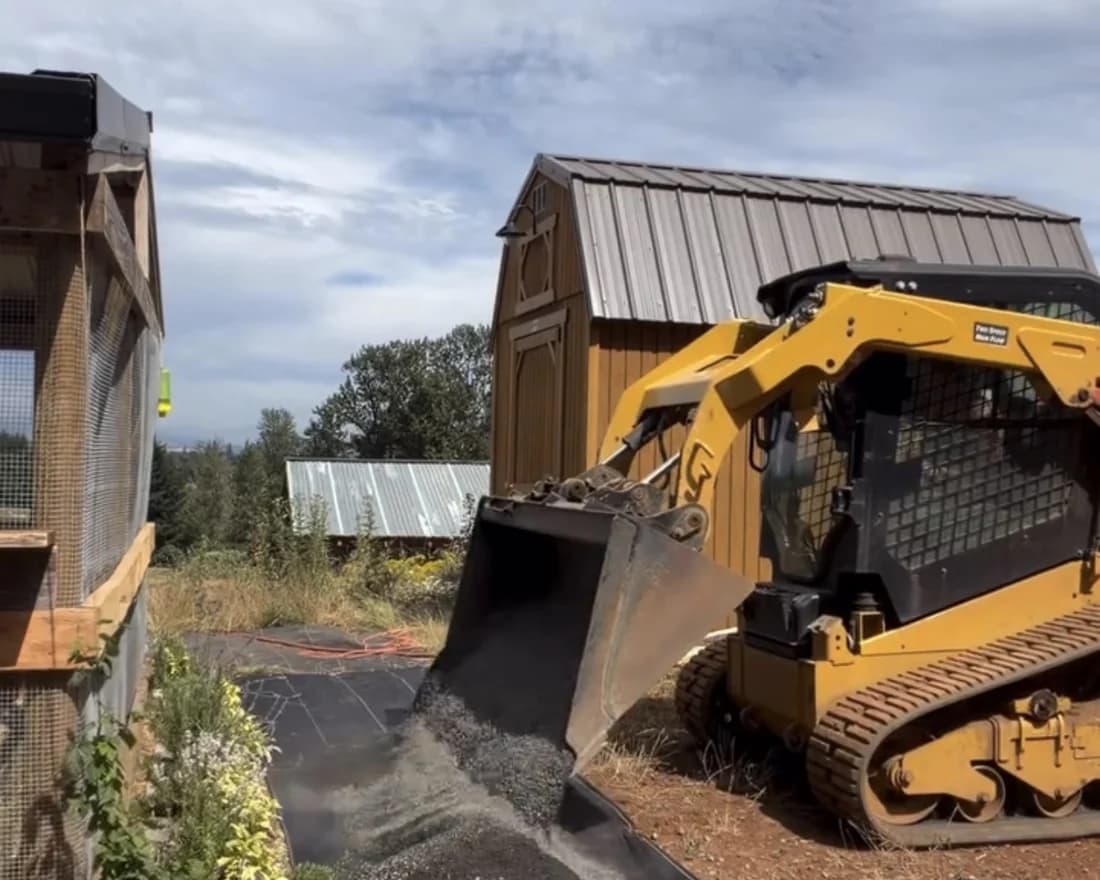
Some projects put real pressure on the fabric. Under gravel, pavers, or any surface with regular foot or vehicle traffic, a 3.2 oz fabric will compress, shift, and break down faster than it should. XBAR is 5 oz, dual-layer, built for ground conditions where the fabric has to hold up to weight and wear. Choose XBAR for ground under gravel or crushed stone, paver installations and hardscape, driveways and pathways, commercial and high-traffic outdoor areas, and long-term installations you do not want to dig out and replace in five years. The extra weight and dual-layer construction is not overkill. It is designed for exactly these conditions. For a paver-specific breakdown, see weed barrier under pavers.
Speccing fabric for a job site or multiple properties?
For crews and property managers, the 3.2 oz vs 5 oz choice scales fast. The DOTDAY Pro team confirms the right weight per ground condition and quotes efficient roll sizes and bulk pricing direct.
Not sure which one fits? Three questions settle it
- 1What is going on top of the fabric?Mulch, soil, or straw points to SHIELD. Gravel, rock, or pavers points to XBAR.
- 2Will people or vehicles be on it?Regular foot traffic or vehicle load means XBAR. Garden-only with no load means SHIELD is sufficient.
- 3How long do you need it to last?Moderate conditions over several years suit SHIELD. Heavy conditions over the long term suit XBAR. If you are still unsure, the FabricFinder walks you through your conditions and gives a specific recommendation.
How DOTDAY compares to other 5 oz weed barriers
If you have been searching specific brands, here is an honest way to compare any 5 oz fabric, not just ours. Not all 5 oz fabrics are equal, because weight alone does not tell you the construction. Single-layer versus dual-layer matters: some 5 oz fabrics are a single heavier weave, while XBAR bonds a woven base to a non-woven backing that resists tearing and aggregate punch-through under load. Woven versus spun-bonded matters: spun-bonded fabrics can clog or break down faster under gravel, while a woven base holds dimensional stability over years of traffic. UV stabilization matters: any fabric left exposed degrades, so confirm it is UV-treated and always cover it with mulch or gravel. Roll width matters too, because fewer seams mean fewer weed breakthrough points. The takeaway: look past the weight number to construction, weave, and UV rating. If you want weights mapped to jobs at a glance, our landscape fabric thickness chart lays it out.
The bottom line
Both fabrics are good. The right one depends entirely on what your ground is doing. SHIELD 3.2 oz is designed for garden beds, mulch, farms, nurseries, and anywhere weed control is the primary job. XBAR 5 oz is designed for gravel, hardscape, driveways, and anywhere the fabric needs to hold up under load. Match the weight to the load and you get a surface that lasts. Guess, and you either waste money or replace it early. Per square foot, 3.2 oz costs less; 5 oz buys the traffic rating and UV life that gravel and paver jobs demand.
Find the right fabric in two minutes
Answer a few questions about your ground condition and get matched to SHIELD, XBAR, or TERRA for the job.
Find Your FabricThree fabrics. One simple rule.
Use the right fabric for the right ground condition.
SHIELD
Woven polypropylene weed barrier built to suppress weeds while letting water and air through.
XBAR
Heavy-duty woven hybrid engineered for load and separation under hard surfaces.
TERRA
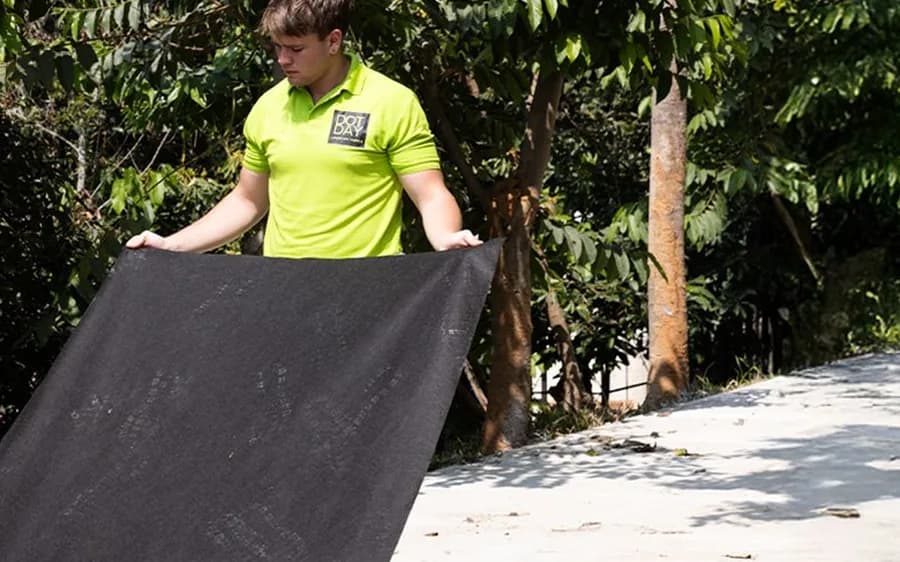
Non-woven geotextile designed for drainage, filtration, and soil separation.