What landscape fabric under pavers is actually doing
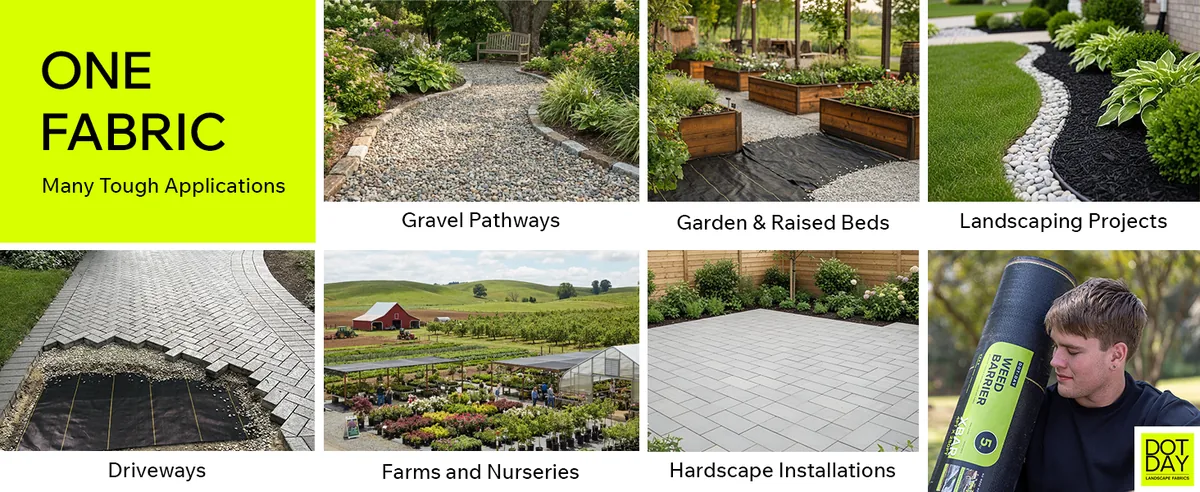
When you search for landscape fabric under pavers, you usually want two things: a surface that stays flat, and fewer weeds in the joints. The fabric sits on the compacted subgrade, under the aggregate base, so native soil and stone do not mix under load. DOTDAY specs XBAR 5 oz dual-layer for the paver base. Size the run in the Fabric Calculator. Free US shipping, no minimum.
Why a garden barrier fails in a paver stack
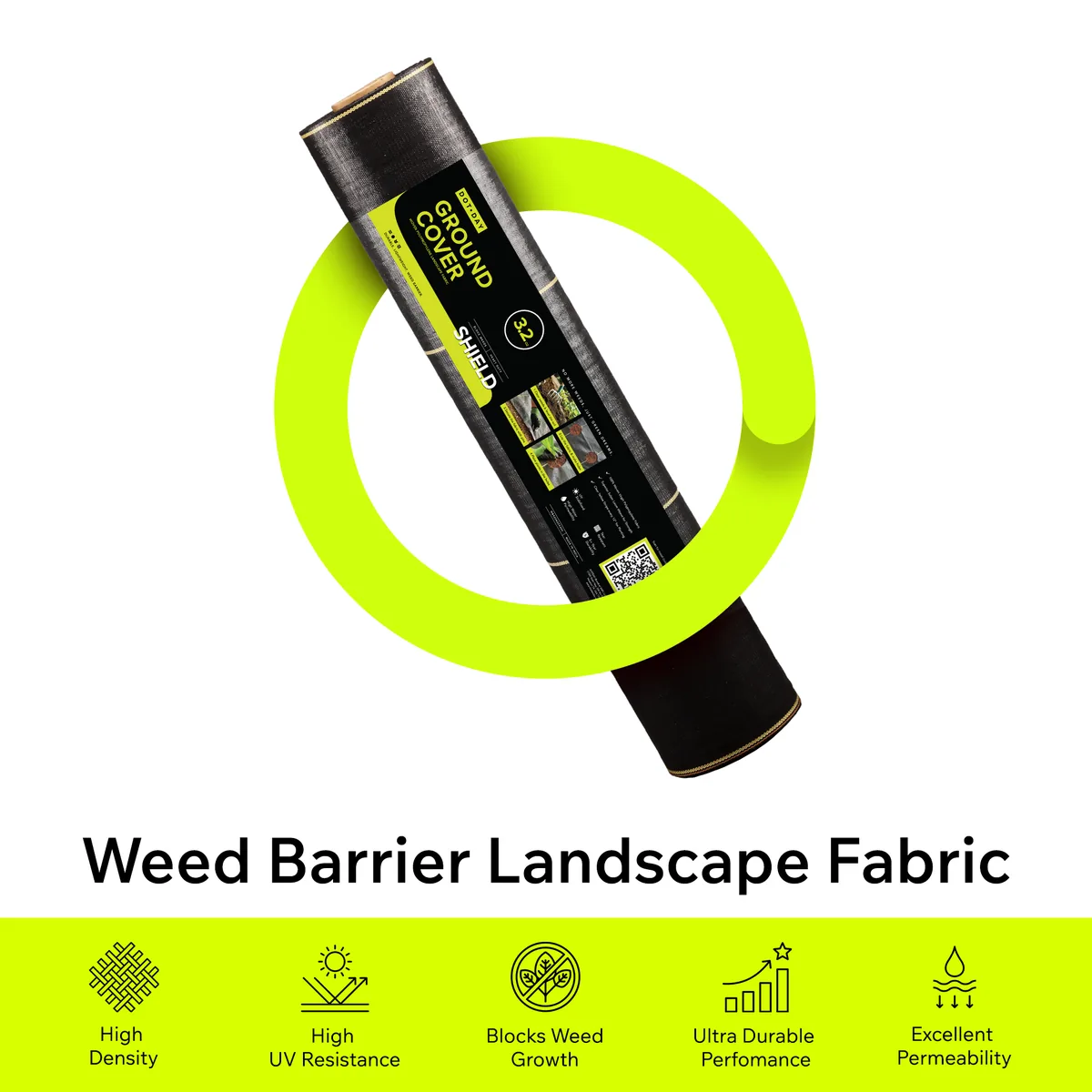
A 3.2 oz woven garden cloth is built to sit under mulch in a planting bed. Put it under a compacted base that carries foot or vehicle traffic and it cannot hold the line. Water and fines pump through the thin face, angular stone abrades it, and it tears. Once it tears, soil and base mix and the finished surface starts to dip. Load-bearing separation needs a fabric engineered for load, not a bed cover.
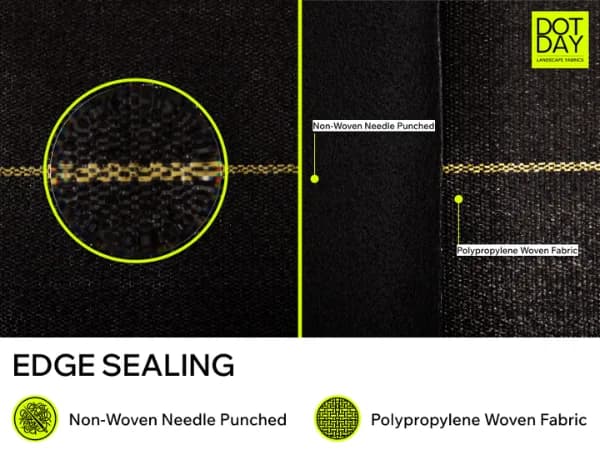
Woven vs non-woven vs dual-layer
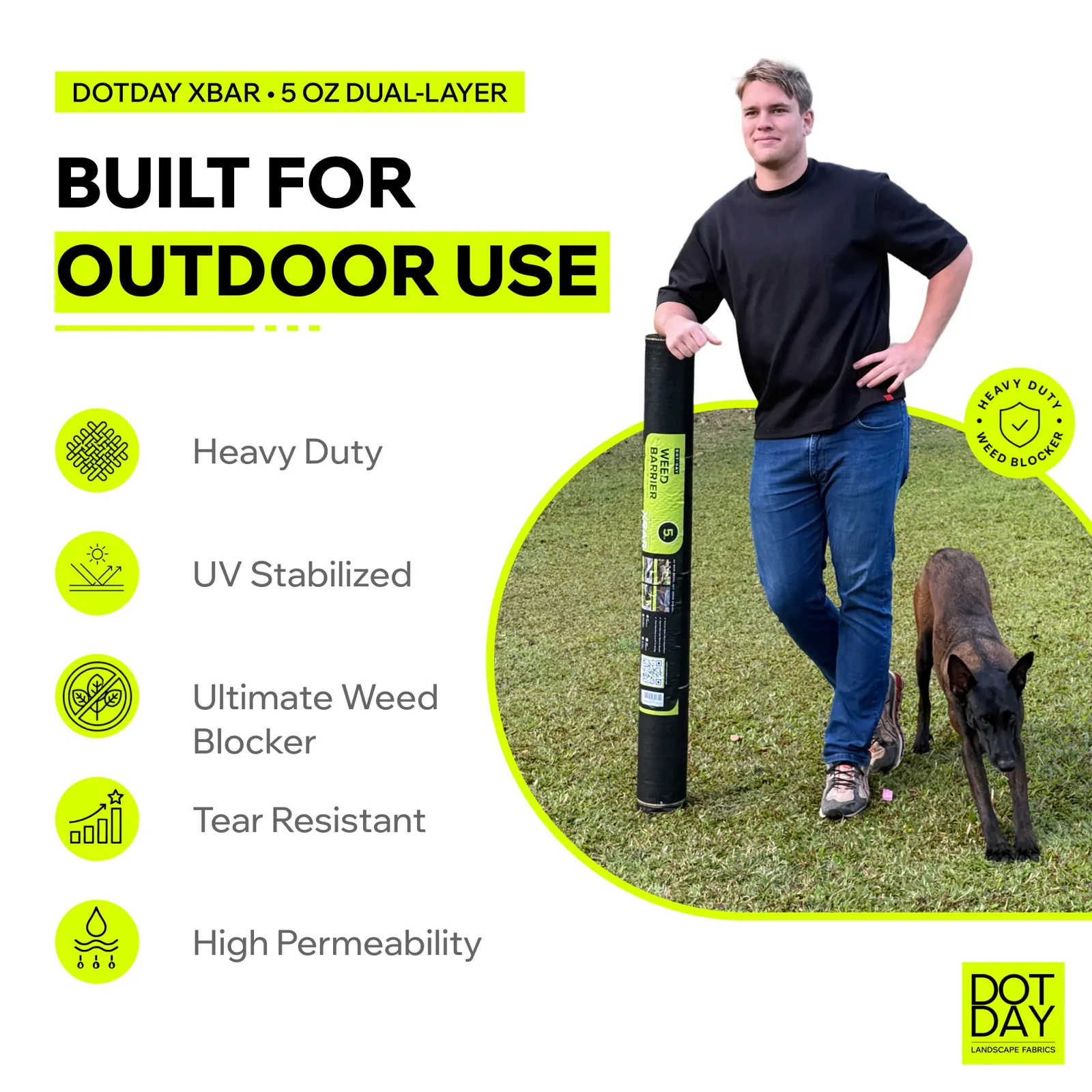
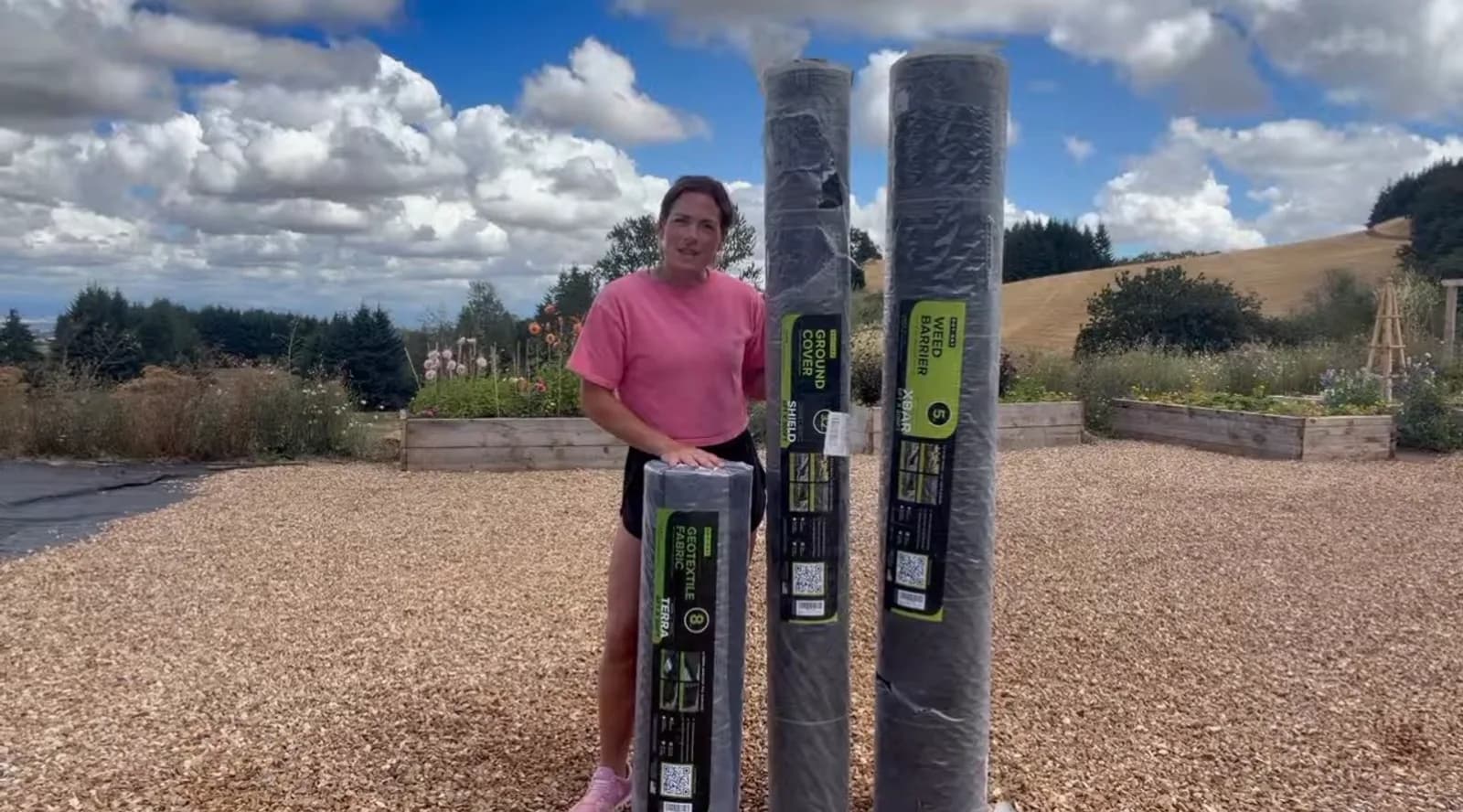
Woven polypropylene (DOTDAY SHIELD) is a flat-tape weave for weed control under mulch, soil, or straw. Non-woven needle-punched geotextile (TERRA) is a felt-like mat for drainage, filtration, and soil separation where water has to move. Dual-layer XBAR is both jobs in one sheet: a woven top that carries load and suppresses weeds, bonded to a non-woven needle-punched backing that adds bulk and puncture resistance. That is why XBAR wins under pavers on firm, well-drained ground.
Landscape fabric under pavers, by construction
| Garden woven (SHIELD) | Dual-layer (XBAR) | Non-woven (TERRA) | |
|---|---|---|---|
| Construction | 3.2 oz woven polypropylene | 5 oz woven top + non-woven backing | 4 / 6 / 8 oz needle-punched |
| Primary job | Weed control under mulch | Load + separation under stone | Drainage + filtration |
| Under pavers? | No. Tears in a compacted base | Yes, on firm drained soil | Beside the patio, or on wet soil |
| Where it sits | Beds around the patio | On subgrade, under the base | Drains, walls, wet subgrade |
Why crews spec DOTDAY for this stack
The fabric that belongs under pavers
XBAR is the 5 oz dual-layer built for pavers and hardscape. Use the tabs if the job is beds (SHIELD) or drainage (TERRA).
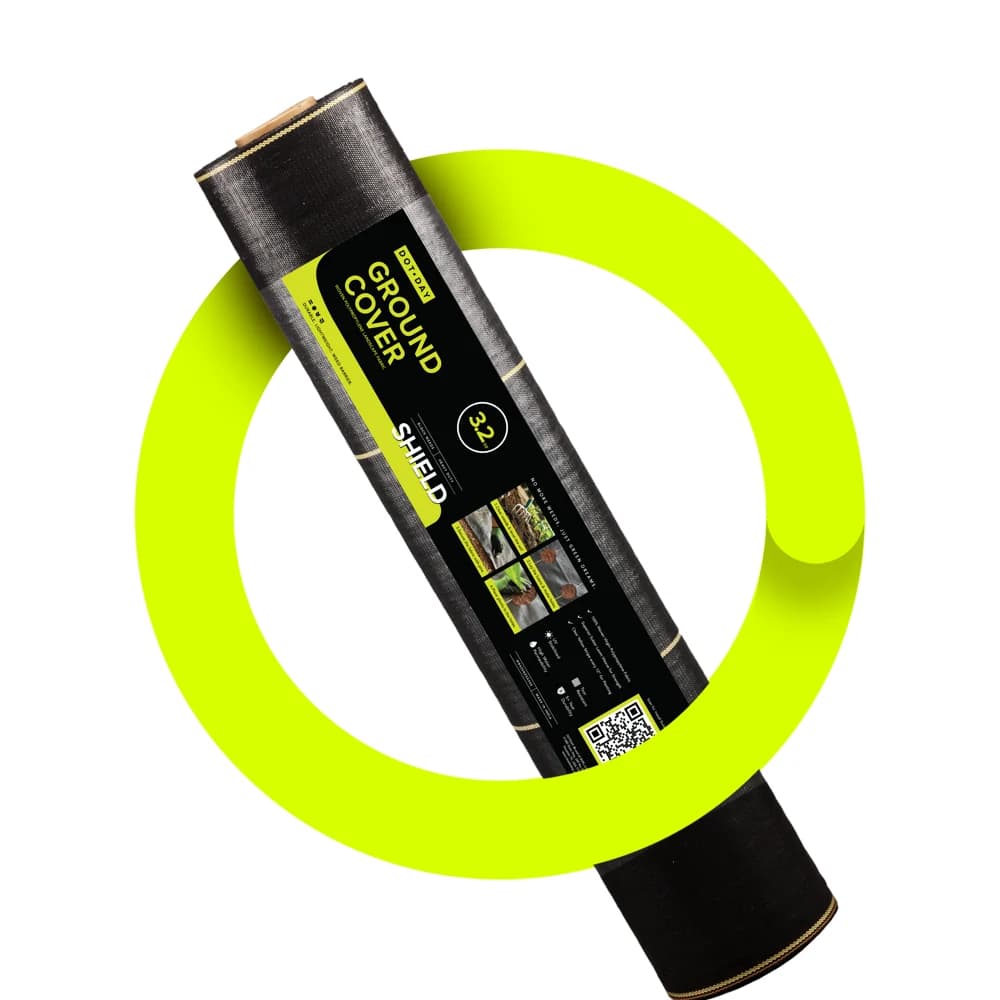
SHIELD
From $64.49 per roll, or $0.08 per sq ft.
3.2 oz woven polypropylene. Six roll sizes.
Flat-tape woven polypropylene.Strong in-plane, so a full run pulls across a bed without tearing.
Blocks light, not water.Rain and irrigation pass through to the roots while weeds stay denied.
Plant straight through it.X-cuts at your spacing let seedlings in; the surface between stays covered.
180/105 lb grab strength.ASTM D4632, so it survives being pulled, pinned, and planted.
70% UV retention at 500 hrs.ASTM G154. Cover promptly with mulch or soil to protect it.
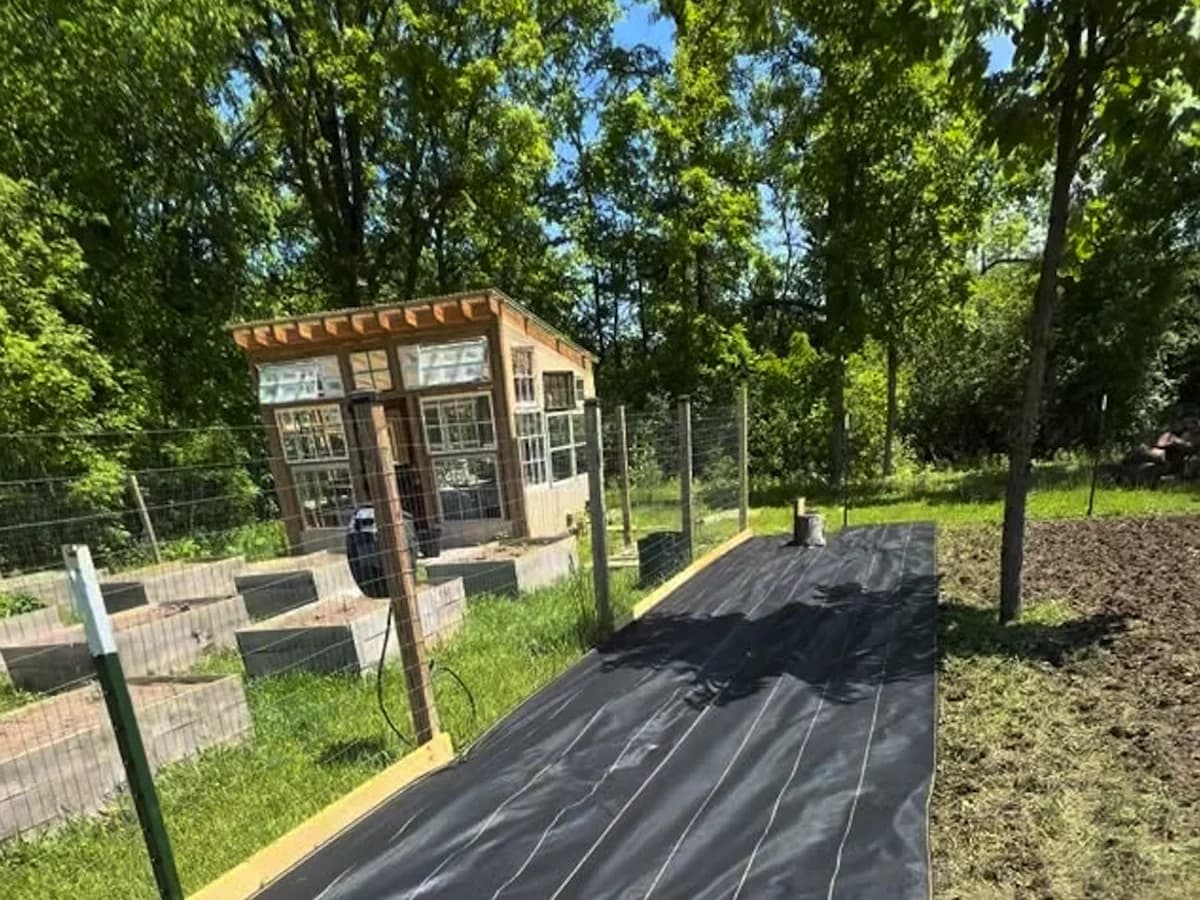
Available in 9 roll sizes
XBAR
From $37.99 per roll, or $0.15 per sq ft.
5 oz dual-layer woven. Nine roll sizes.
Two layers, one job each.The woven face carries the load; the needle-punched backing blocks light and stops pumping.
332 lb CBR puncture resistance.ASTM D6241, so angular stone and machine traffic do not open it up.
10.5 gal/min/sf water flow.ASTM D4491. Breathable under load instead of pooling beneath the surface.
12 inch guide lines woven in.Keeps rows, cuts, and overlaps straight across a long run.
29.5 mil thickness, sealed edges.Cuts clean with a knife and does not unravel.
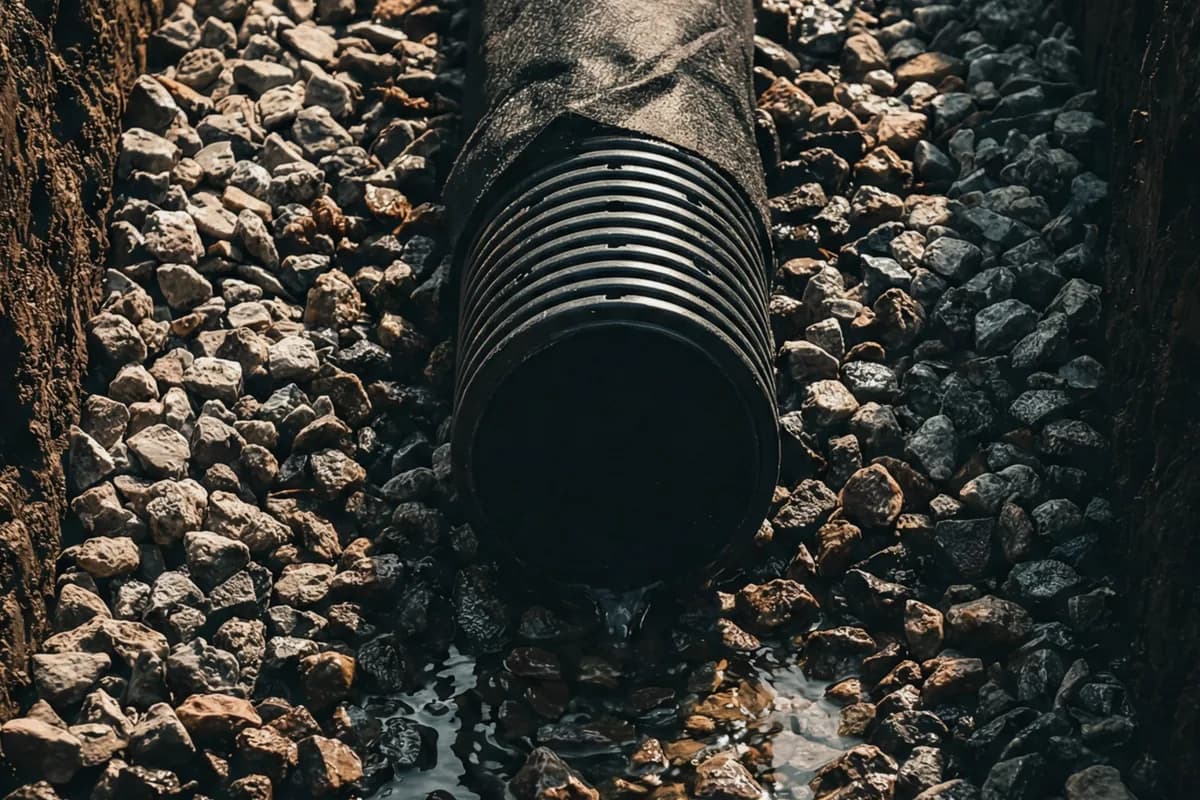
TERRA
From $69.99 per roll at 4 oz, $89.99 at 6 oz.
Non-woven needle-punched. Three weights.
310.8 gpm/ft2 water flow at 8 oz.ASTM D4491. Water moves through the mat, not across it.
Filters the fines.Holds silt and soil out of your stone so the drain still works in year five.
697 lb CBR puncture at 8 oz.ASTM D6241, built for angular stone and compaction.
Three weights, one construction.4 oz for drainage, 6 oz for drains and walls, 8 oz for road base.
Conforms to the trench.The felt-like mat drapes around pipe instead of bridging and tenting.
Speccing fabric across a patio, driveway, or full site?
Get volume pricing and help matching the right fabric to each ground condition on the job.
How to install landscape fabric under pavers
- 1Excavate and gradeDig to your base depth, then grade the subgrade so water sheds the way you want. A clean, even soil line is what the fabric and aggregate sit on.
- 2Compact the soilCompact the subgrade before any fabric goes down. The fabric separates soil from base, but the soil itself still needs to be firm.
- 3Roll out XBARLay XBAR directly on the compacted soil. Overlap adjacent runs 12 to 18 inches so nothing migrates through the seams under load.
- 4Build the base on topAdd and compact your aggregate base in lifts over the fabric. Keep the fabric at the soil line, then set bedding and pavers above the base.
Where the fabric belongs in the stack
Position is half the job. Landscape fabric under pavers goes on the graded, compacted subgrade, then the aggregate base goes on top. Putting the fabric higher, between the base and the bedding sand, is a common miss. There it does little for separation and can trap water in the base. For a full walkthrough, use the installation guide. For the broader weave question, see woven vs non-woven landscape fabric.
Use SHIELD in the beds, XBAR under the stone
The patio and the planting beds next to it are two ground conditions. Keep XBAR under the pavers. Use SHIELD in the mulch beds around the edge, where 180/105 lb grab strength (ASTM D4632) is enough to pull, pin, and plant. If a French drain or wet swale sits beside the patio, that is a TERRA job. DOTDAY's rule stays the same: use the right fabric for the right ground condition.
Get XBAR for the paver job
XBAR 5 oz dual-layer fabric is built for gravel, pavers, and hardscape that takes real traffic. Shipped from US warehouses.
Shop XBARThree fabrics. One simple rule.
Use the right fabric for the right ground condition.
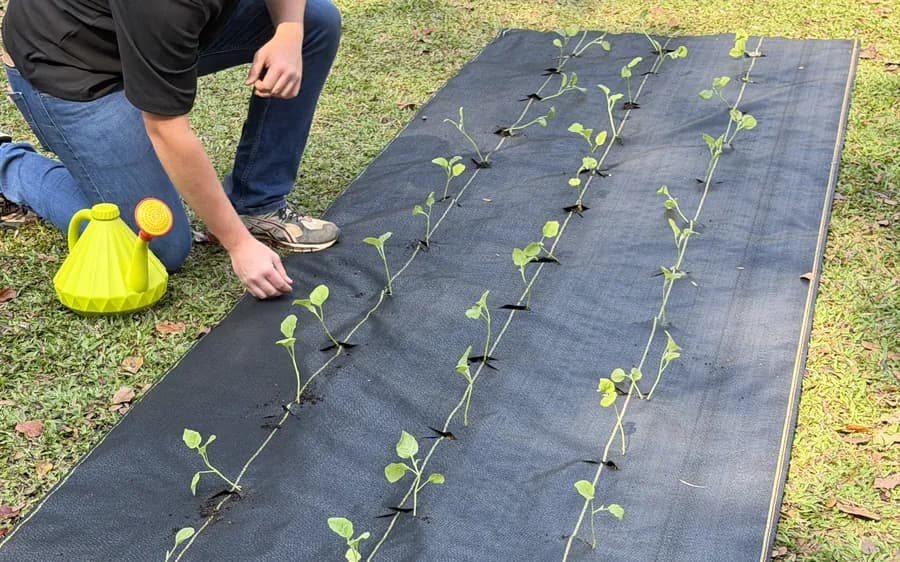
SHIELD
Woven polypropylene weed barrier built to suppress weeds while letting water and air through.
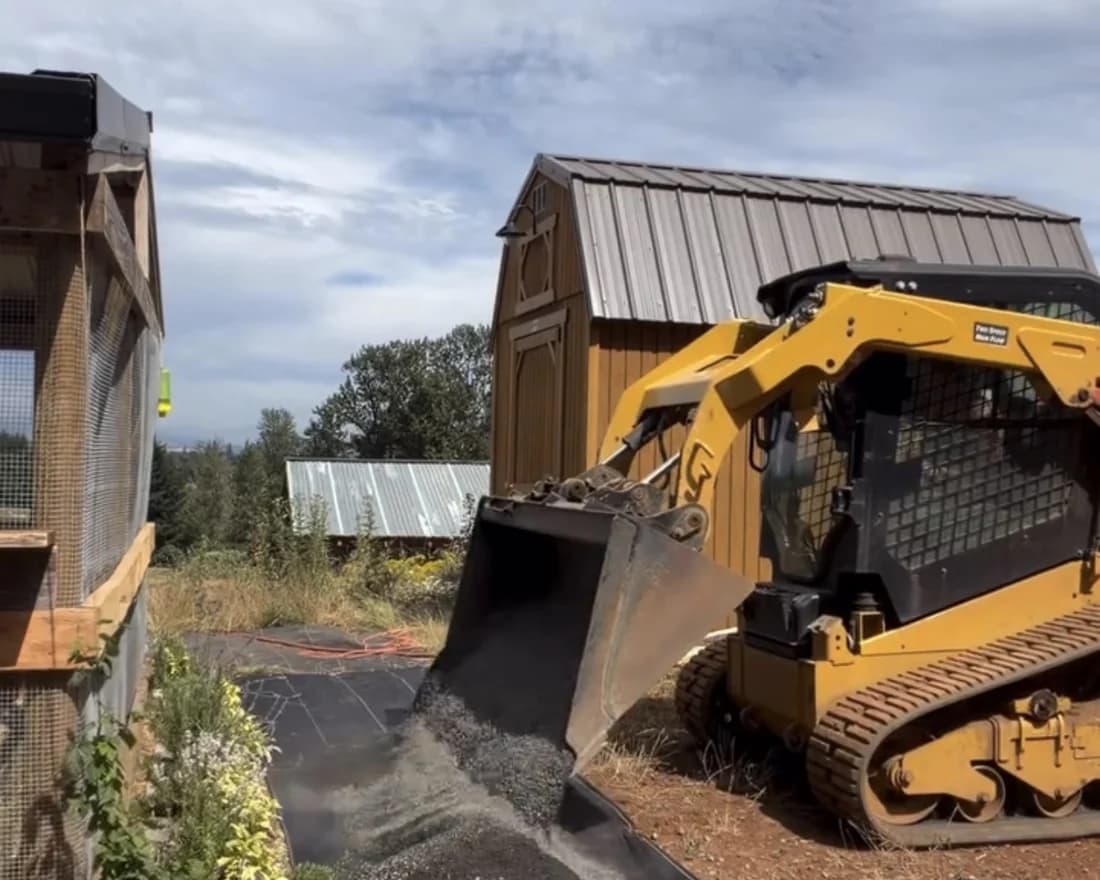
XBAR
Heavy-duty woven hybrid engineered for load and separation under hard surfaces.
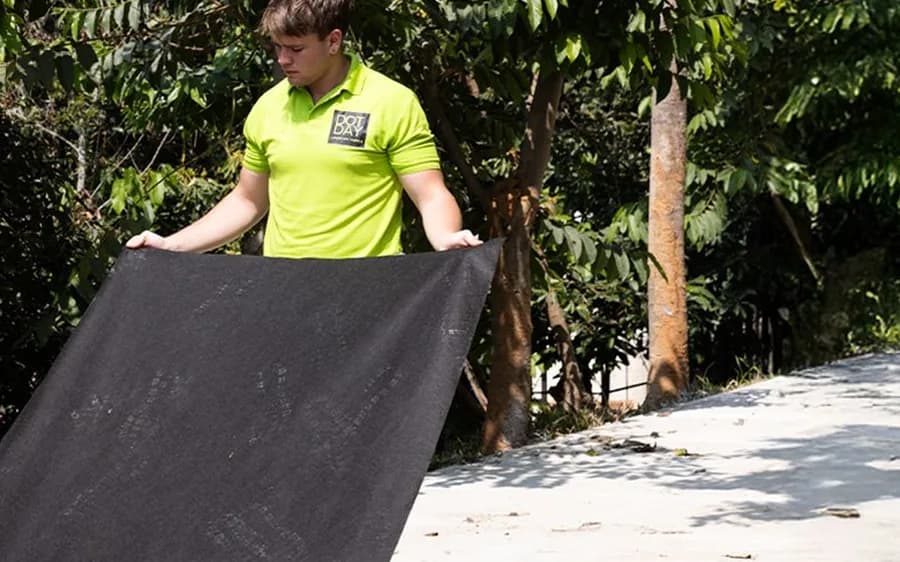
TERRA
Non-woven geotextile designed for drainage, filtration, and soil separation.