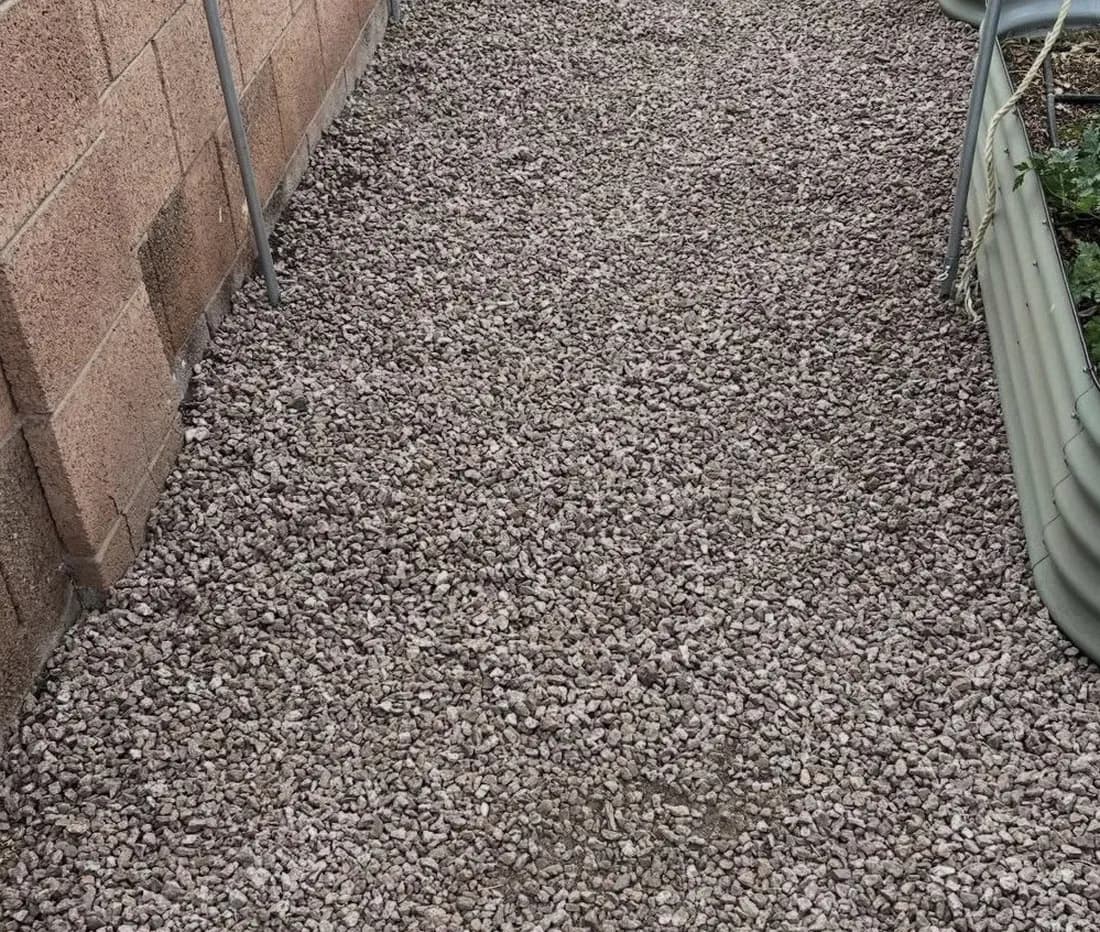

Artificial turf stays green without mowing, but staying flat and weed-free comes from the layers underneath. A weed barrier under artificial turf (the fabric layer under the base) keeps base stone out of the soil, helps stop weeds at seams and edges, and keeps the base firm so the turf doesn't dip. Here's whether you need one, where it goes, and what to use.
At DOTDAY, we sell the fabric that goes under the base, not the turf itself. For most turf jobs that is XBAR, our 5 oz dual-layer roll.
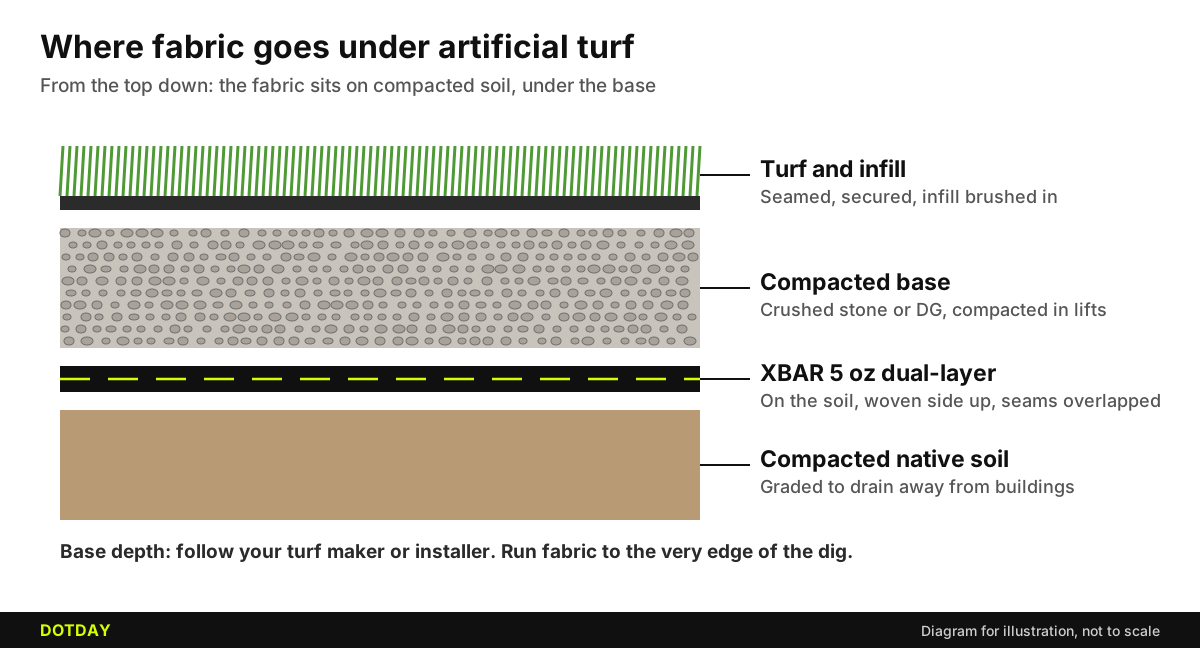
The layers in a typical turf install
From the bottom up, most residential installs look like this:
- Native soil (subgrade): excavated, graded, and compacted.
- Fabric: laid on the compacted soil.
- Base: compacted crushed stone or decomposed granite, graded to drain.
- Turf: rolled out, seamed, and secured.
- Infill: sand or other infill brushed into the fibers, if the turf calls for it.
The fabric's main position is on the soil, under the base. That's where it separates soil from stone and blocks weeds from below.
Who supplies each layer
| Layer | Its job | What to use |
|---|---|---|
| Turf and infill | The finished surface | Your turf supplier |
| Base stone | Firm, drains, holds grade | Crushed stone or DG, local yard |
| Fabric on the soil | Separation and weed control | DOTDAY XBAR 5 oz |
| Fabric on wet ground | Filters water, holds soil | DOTDAY TERRA |
| Beds beside the turf | Weeds under mulch | DOTDAY SHIELD |
Why a weed barrier under artificial turf belongs under the base
### Separation
Without a separation layer, the base stone slowly pushes down into the soil, and soil works up into the stone, especially when the ground gets wet. The base loses thickness and firmness, and the turf surface develops soft spots and dips.
### Weed control
Turf backing is perforated so water can drain. Weeds from the soil below can find those holes, and the seams and edges are weak points. A fabric layer at the soil line blocks light to the soil and stops most weeds before they reach the base.
How much fabric goes under your gravel?
Use the DOTDAY Fabric Calculator to handle the overlap and roll math for your area.
What we recommend
The fabric under a turf base carries a compacted stone layer and foot traffic, pets, and furniture on top. That's a load job, so it needs a fabric built for load.
DOTDAY XBAR is a 5 oz dual-layer fabric with 332 lb CBR puncture resistance and 10.5 gal/min/ft² water flow on its data sheet: a woven top that carries load and suppresses weeds, bonded to a non-woven needle-punched backing that adds bulk and puncture resistance. It's built for gravel, rock, pavers, and hardscape, and a compacted turf base falls in the same category.
### On wet or poorly drained soil
If the site stays wet, drainage becomes the priority. In those cases, a non-woven geotextile like TERRA under the base, sometimes paired with drainage improvements, may be the better choice. Deal with standing water before installing turf.
For a real pet-area build, see our PupsnBlooms project.
DOTDAY doesn't sell turf, infill or pads. Installers doing several yards can request bulk pricing.
How to install fabric under artificial turf
- Remove the existing lawn. Strip sod and roots to your planned depth. The depth depends on the base thickness your turf installer or manufacturer recommends.
- Grade for drainage. Slope the subgrade slightly away from buildings so water moves off the area.
- Compact the soil. Use a plate compactor. A firm subgrade is the foundation of a flat lawn.
- Treat weeds if needed. Some installers treat persistent perennial weeds before the fabric goes down. Follow product labels if you choose to.
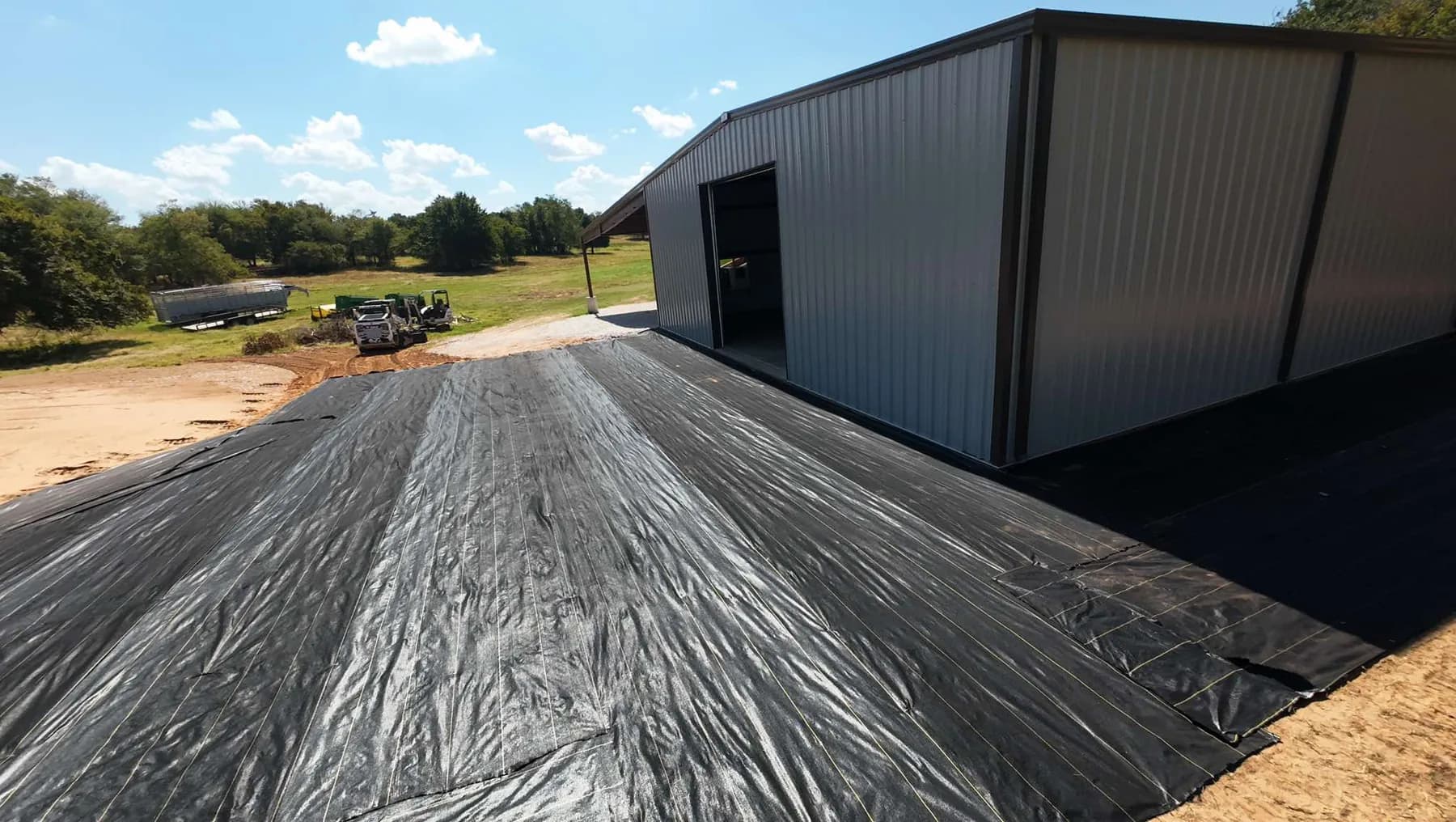
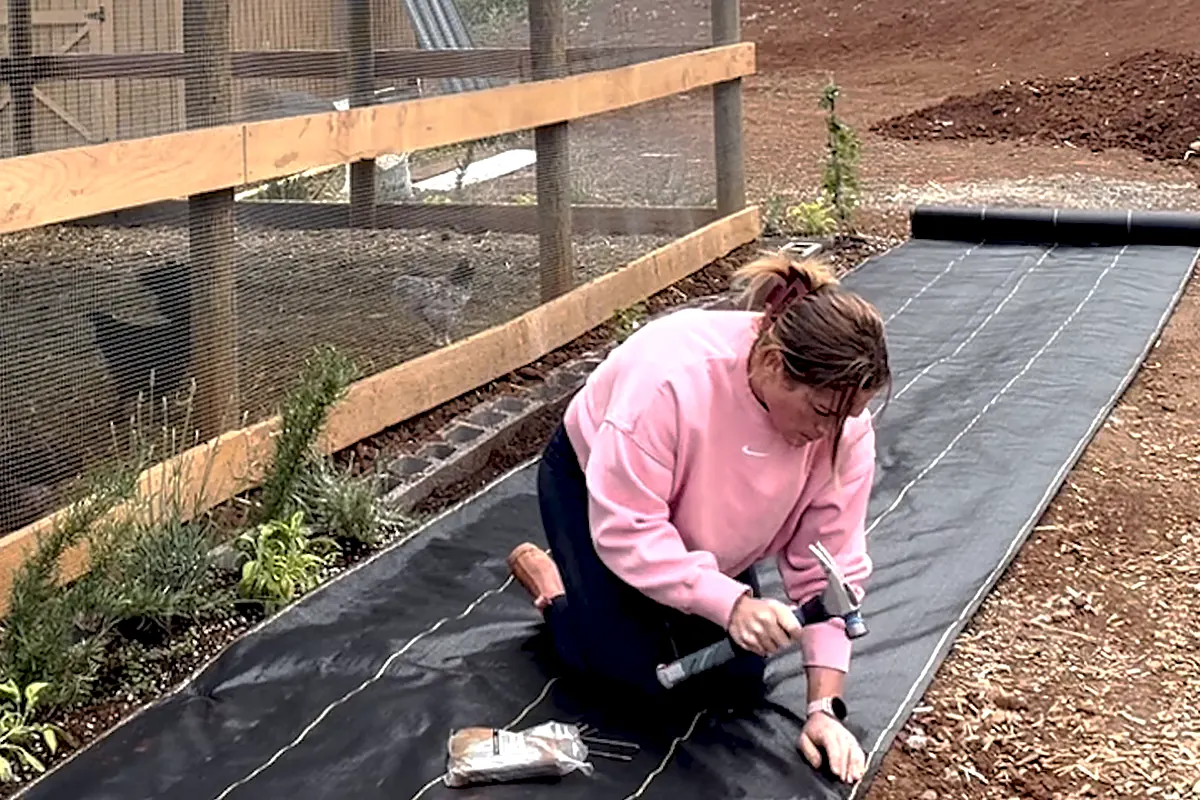
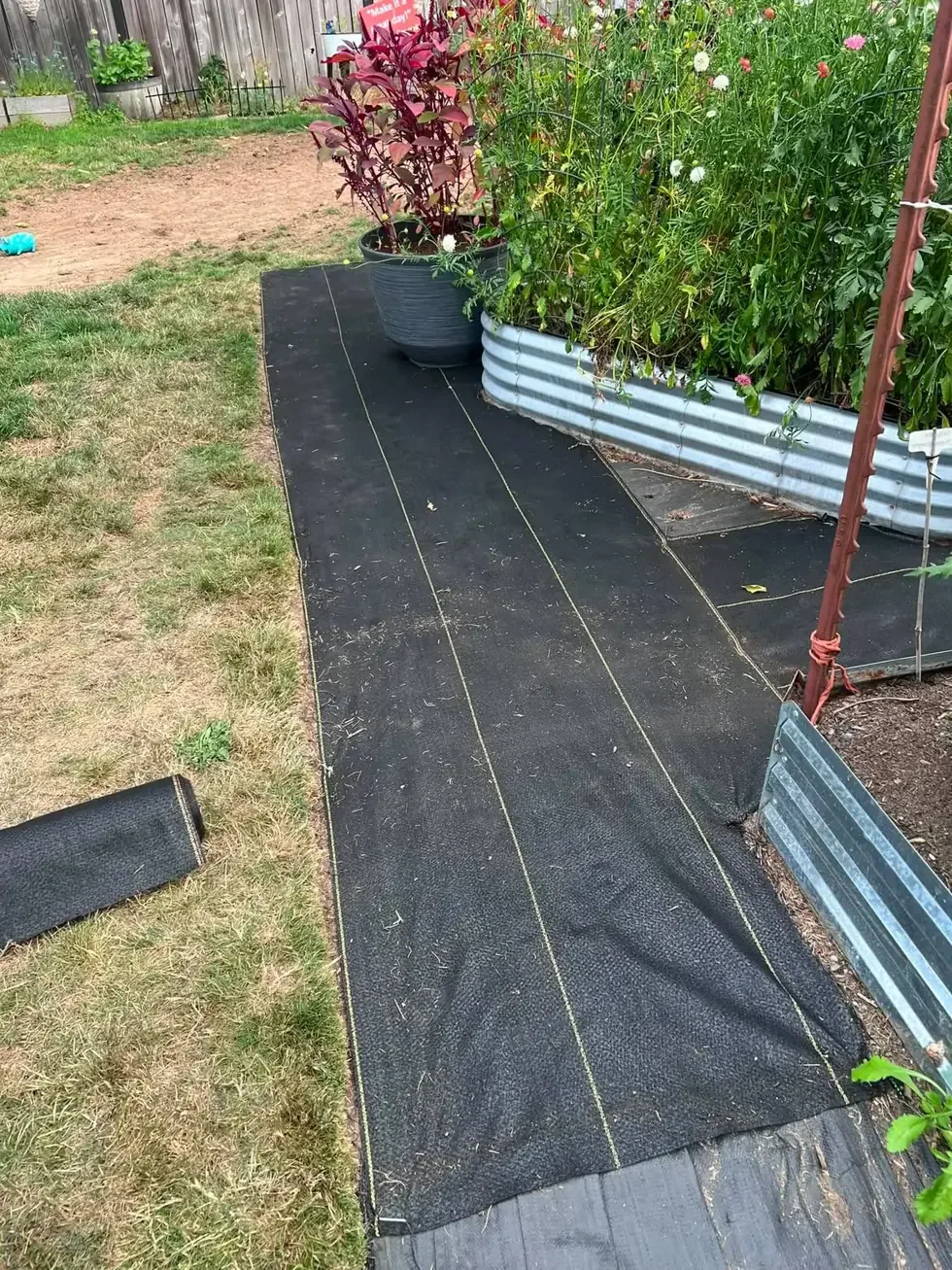
- Lay XBAR. Roll it out on the compacted soil, woven side up. Overlap seams generously. We recommend 12 inches or more under stone. Run the fabric right to the edges.
- Pin it. Pin along seams and edges so it stays flat while you spread base.
- Add and compact the base. Spread crushed stone or decomposed granite in lifts, wetting and compacting each lift. Grade it smooth.
- Install turf. Follow the turf manufacturer's instructions for seaming, securing, and infill.
Use the Fabric Calculator to size fabric with overlap, and the Gravel Calculator to estimate base stone. The same base logic shows up under pavers and gravel.
What about fabric directly under the turf?
Some installers add a thinner layer between base and turf for cushioning. That's a different product; follow your turf maker's guidance. The layer on the soil does the heavy lifting.
Pets and turf
If dogs use the area, drainage matters more. Urine needs to pass through the turf, infill, and base. A well-compacted, well-draining base and regular rinsing help control odor.
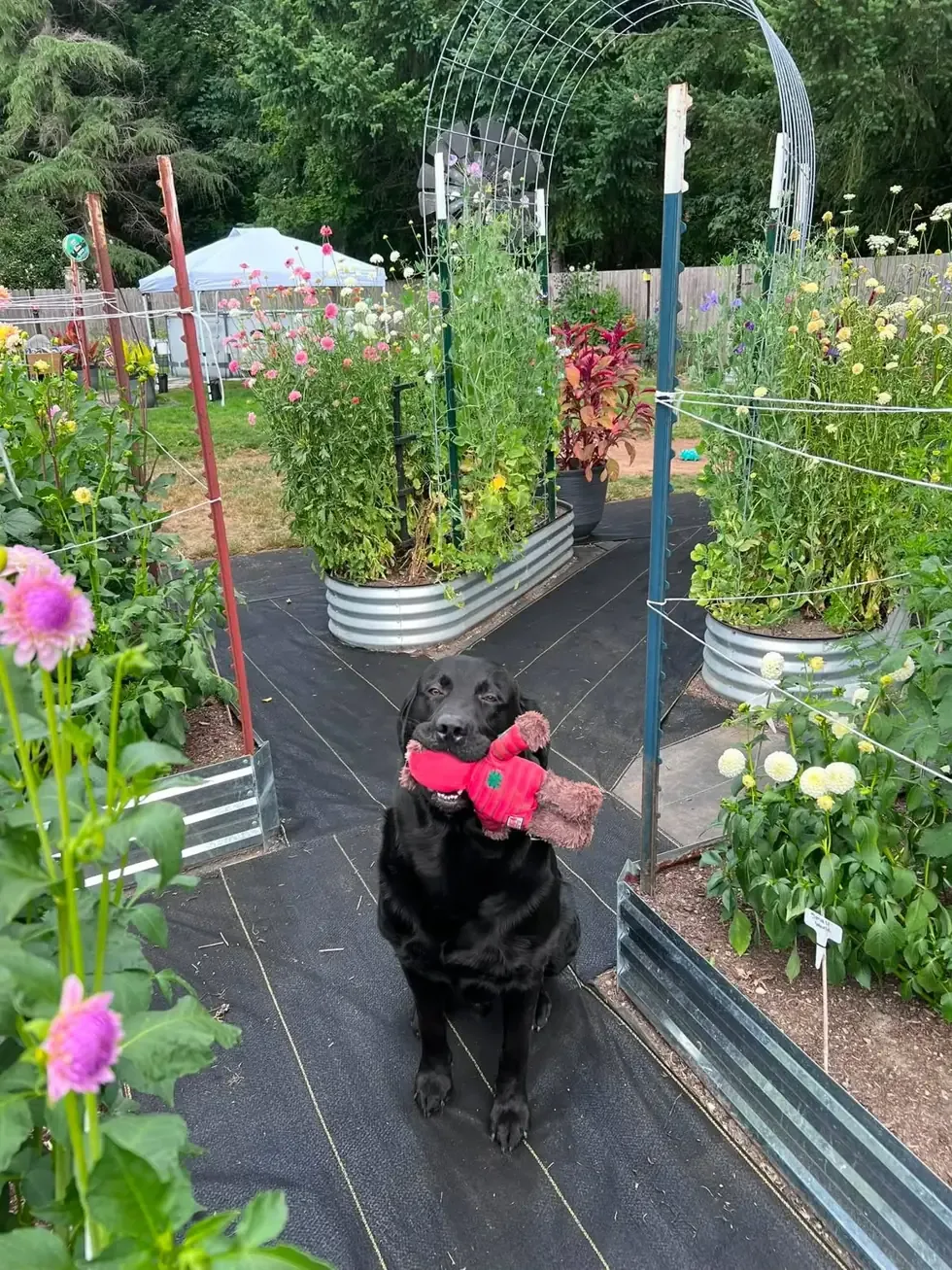
Erika at Pups N' Blooms needed a sturdier fabric under walkways shared with two Labradors, and she chose XBAR, the same roll that goes under a turf base.
Planning the base depth
Base thickness depends on soil, climate and use. Wet clay and heavy traffic generally call for a deeper, better-drained base than sandy ground with light use. Your turf manufacturer or installer will usually specify a base depth. Build to that number, compact in thin lifts rather than one thick layer, and check the grade with a long straightedge before the turf goes down. Low spots in the base become puddles and soft spots in the finished lawn.
Edges and borders
Edges are where turf installs most often go wrong. Grass and weeds creep in from neighboring lawn or beds, and the turf edge can lift if it isn't secured.
- Run the fabric to the very edge of the excavation, or slightly past it, so there's no strip of bare soil at the border.
- Use a solid border like bender board, pavers, or concrete curbing to hold the base and turf edge in place.
- Plant beds beside turf get their own fabric. Under mulch, a woven weed barrier like SHIELD is built for the job.
Common mistakes
- No fabric at the soil line. Base and soil mix, and the turf develops dips.
- A light garden fabric under the base. It tears under compaction.
- Skipping compaction. The turf settles unevenly.
- Ignoring drainage. Water under turf creates soft spots and odors.
- Leaving gaps at edges. Weeds and grass creep in from the border.
Wrapping up
The layer on the soil keeps the base firm and separated, which keeps turf flat. If your project doesn't fit neatly into one of these cases, the DOTDAY team can help you sort it out.
XBAR for gravel paths, patios, and driveways
5 oz dual-layer fabric that keeps stone on top of the soil. Check the product page for the sizes in stock today.
Shop XBARThree fabrics. One simple rule.
Use the right fabric for the right ground condition.
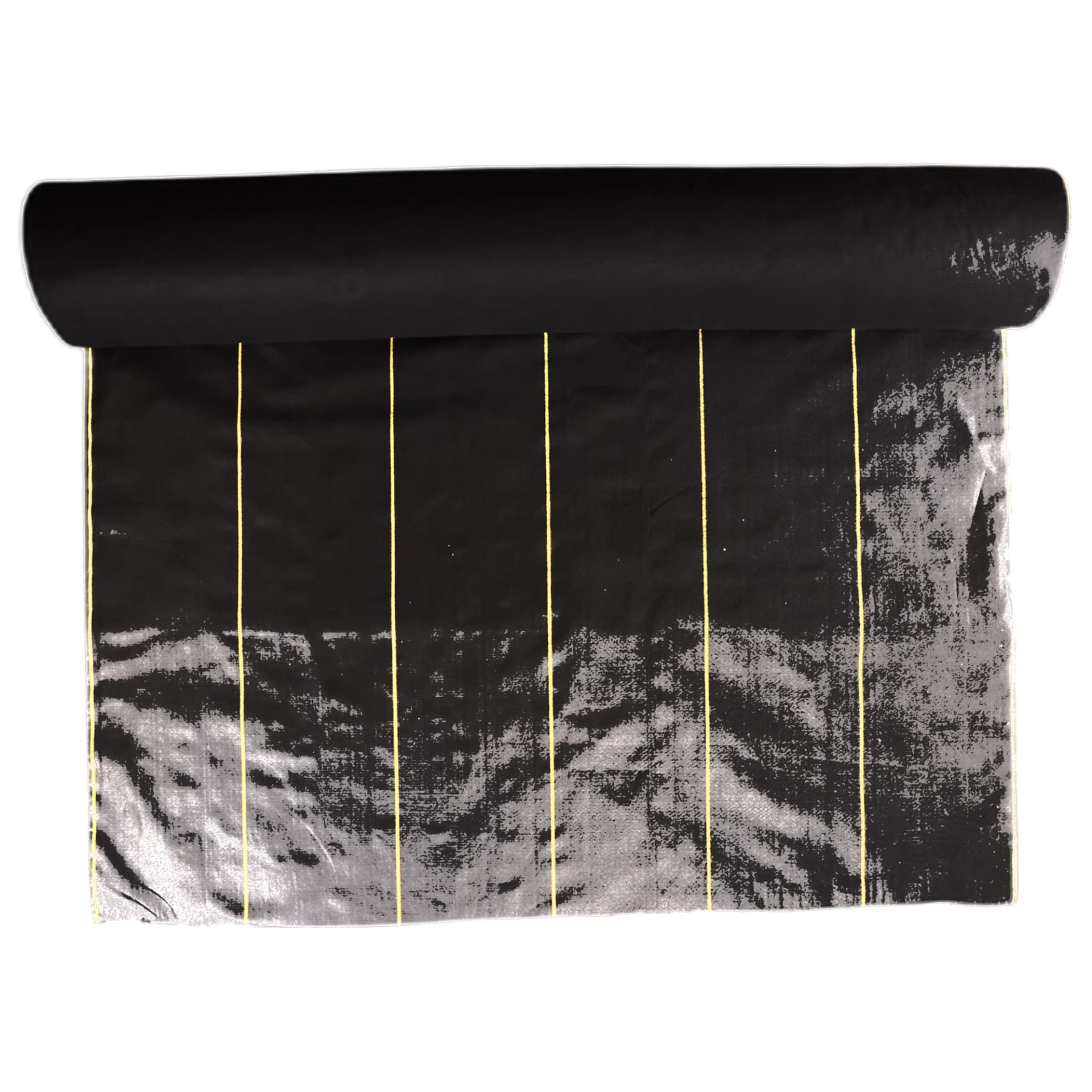
XBAR
Heavy-duty woven hybrid engineered for load and separation under hard surfaces.
SHIELD
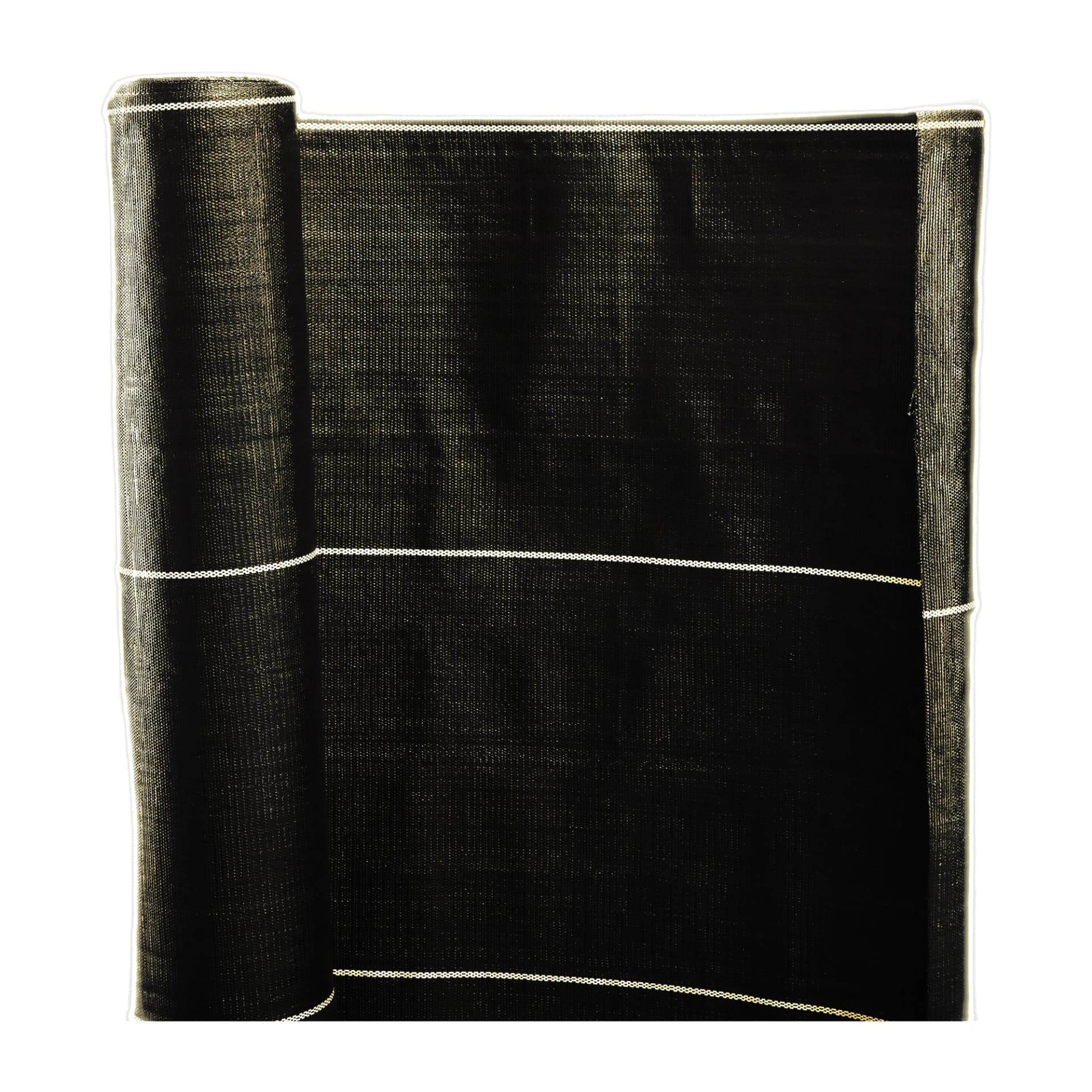
Woven polypropylene weed barrier built to suppress weeds while letting water and air through.
TERRA
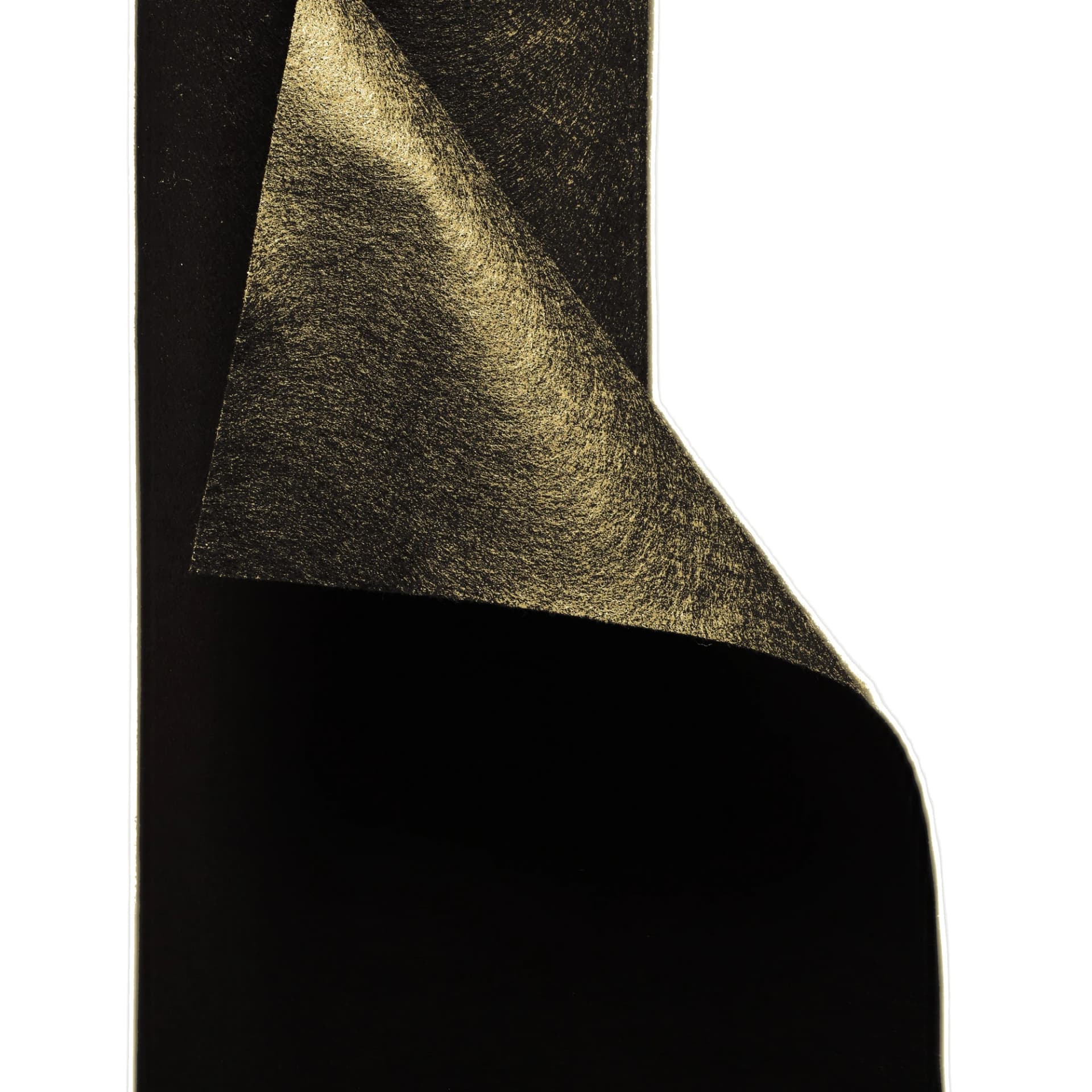
Non-woven geotextile designed for drainage, filtration, and soil separation.