Which 5oz fabric for gravel driveways holds up?
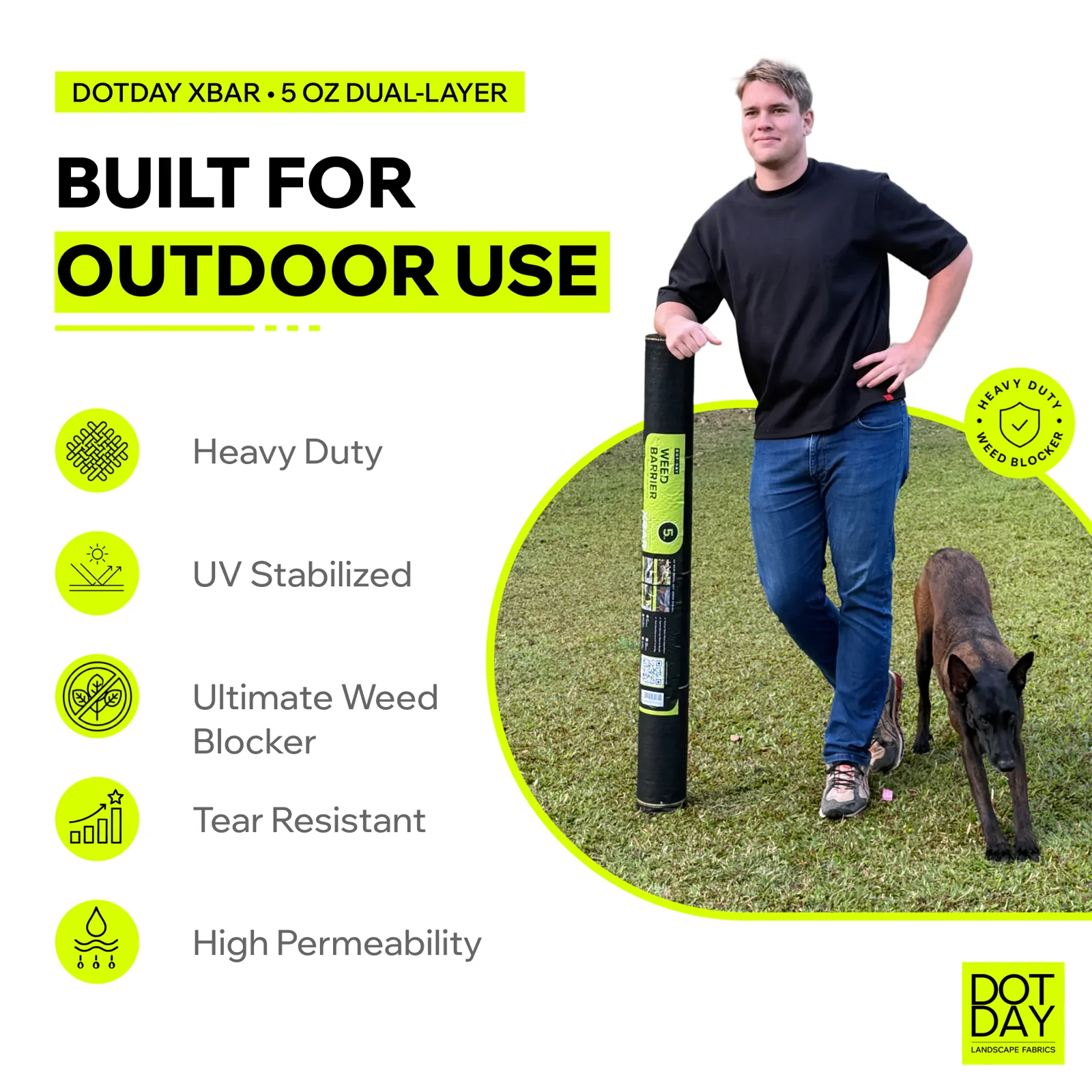
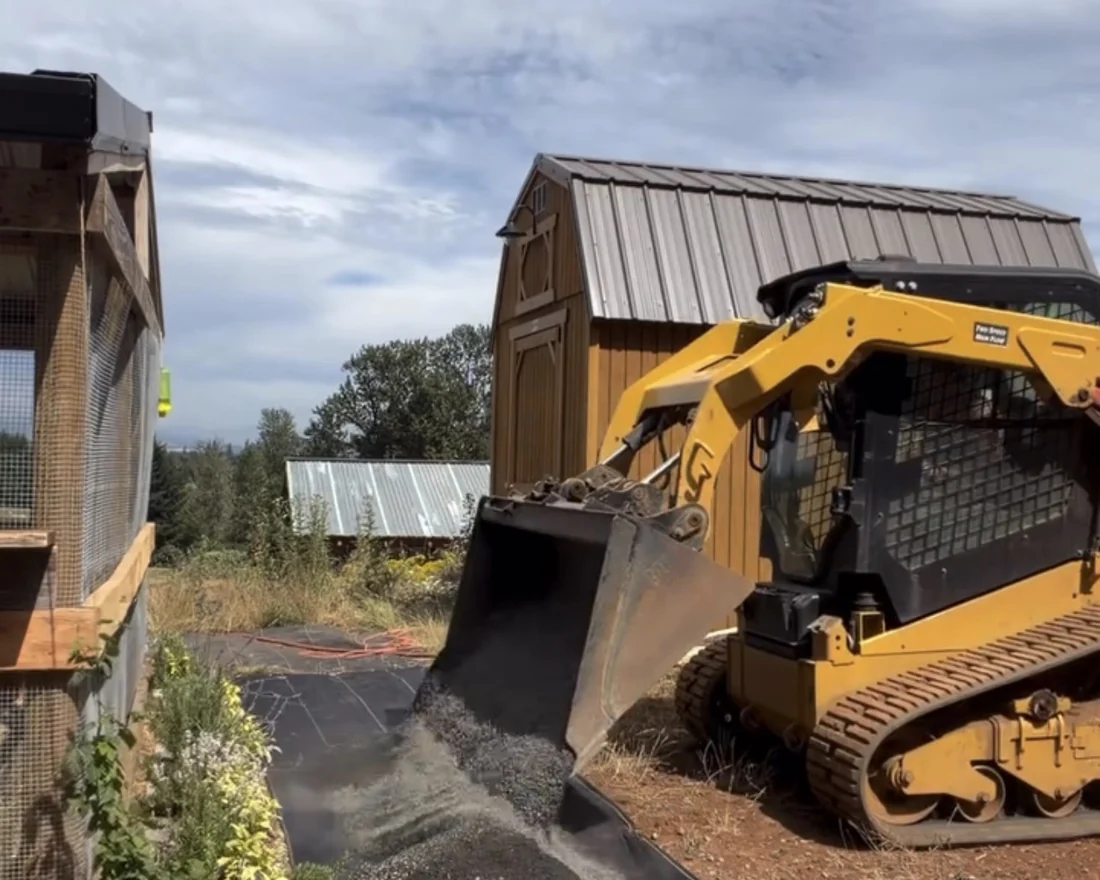
The right landscape fabric for gravel driveways is a 5oz dual-layer woven that handles vehicle load without tearing. DOTDAY XBAR is built for gravel, rock, and high-traffic ground, and still lets water drain through. Lightweight garden fabric (around 3oz) punctures under stone and tire load. Once it tears, weeds and soil mixing follow. Free US shipping, no minimum.
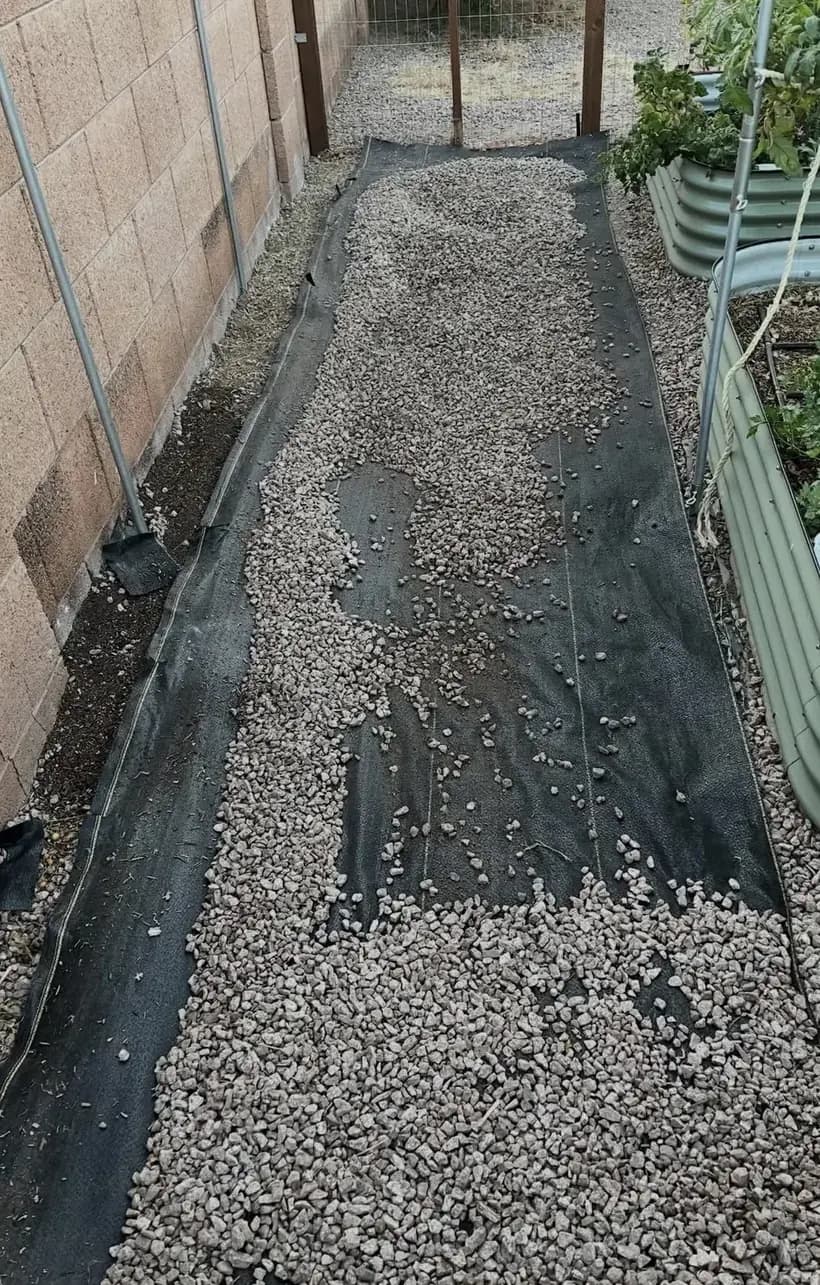
Why a garden weed barrier fails under a driveway
Fabric under a driveway has two jobs: separation (keeping gravel and soil from mixing) and stabilization (spreading load so the surface doesn't rut). Light fabric can't do either under traffic. Sharp aggregate plus vehicle weight concentrates force on small points, and thin fabric tears where dense woven fabric resists. Without strong separation, stone migrates into the soil and you lose depth, meaning more gravel more often. And a fabric that can't spread load lets wheels carve channels that pool water and worsen over time.
Why XBAR is built for load
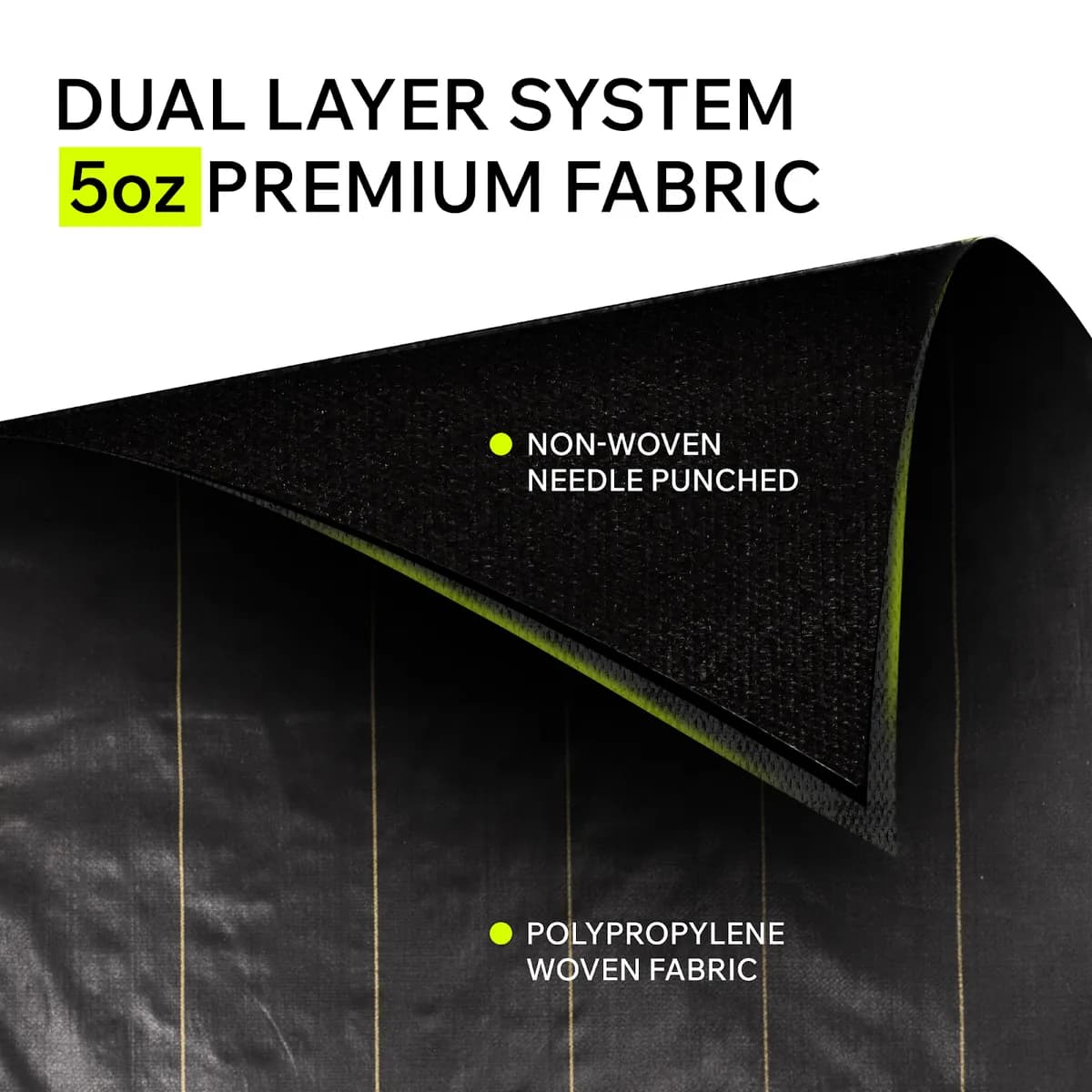
This is why DOTDAY built XBAR as a dual-layer fabric: a woven polypropylene top for tensile strength and weed suppression, bonded to a non-woven needle-punched backing that adds bulk and puncture resistance, with controlled permeability so water drains instead of pooling on the surface. That is what survives vehicle load where single-layer garden fabric fails. For a lighter weed-control job in beds or under mulch, SHIELD 3.2oz is the more cost-effective choice - use the right fabric for the right ground condition.
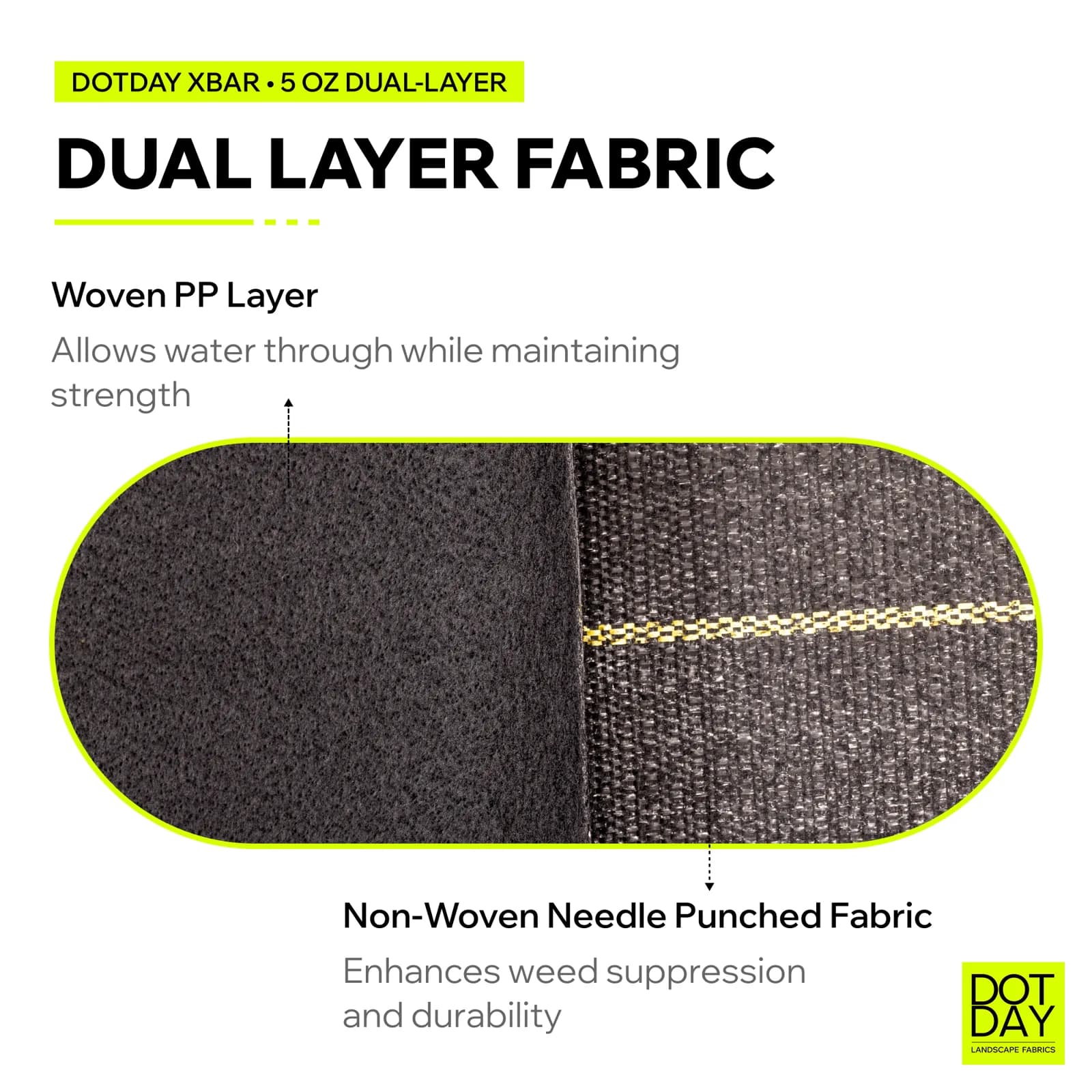
The fabric that belongs under a driveway
XBAR is the 5oz dual-layer built for vehicle load under gravel. Use the tabs if the job is beds (SHIELD) or drainage (TERRA).
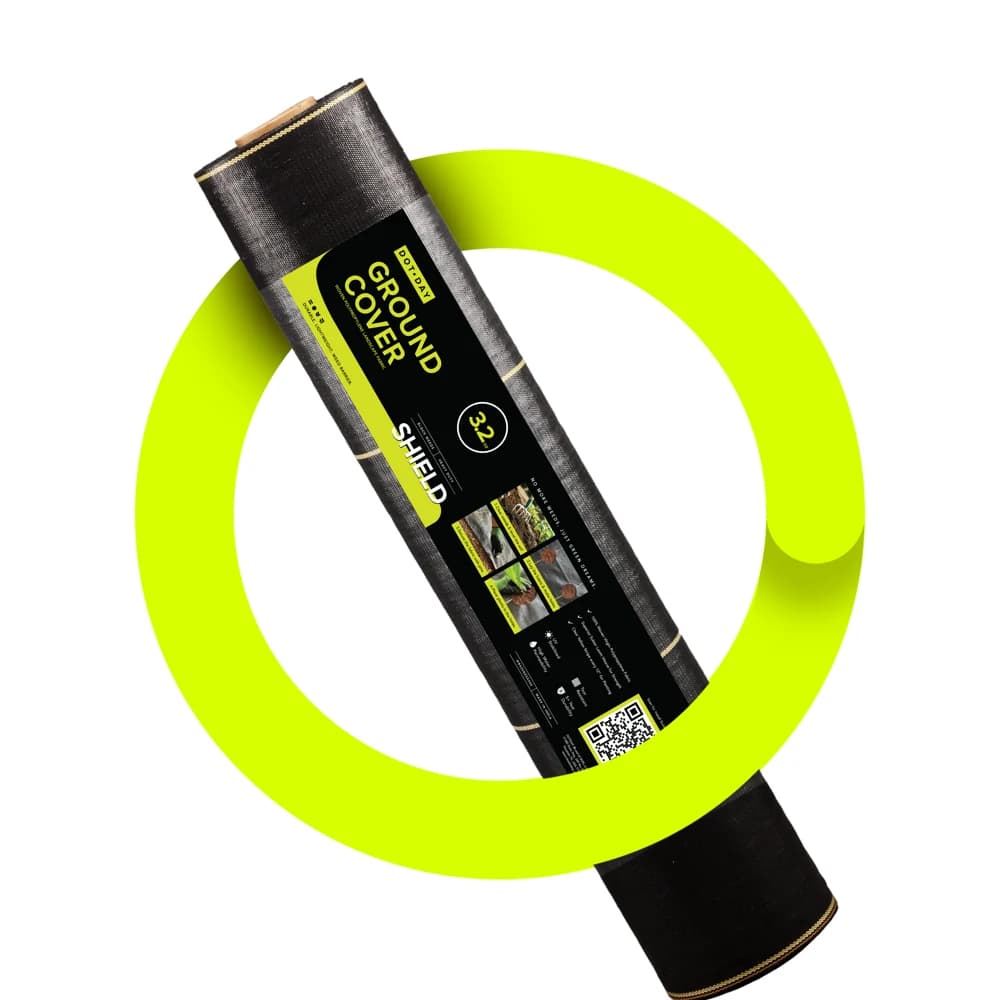
SHIELD
From $64.49 per roll, or $0.08 per sq ft.
3.2 oz woven polypropylene. Six roll sizes.
Flat-tape woven polypropylene.Strong in-plane, so a full run pulls across a bed without tearing.
Blocks light, not water.Rain and irrigation pass through to the roots while weeds stay denied.
Plant straight through it.X-cuts at your spacing let seedlings in; the surface between stays covered.
180/105 lb grab strength.ASTM D4632, so it survives being pulled, pinned, and planted.
70% UV retention at 500 hrs.ASTM G154. Cover promptly with mulch or soil to protect it.
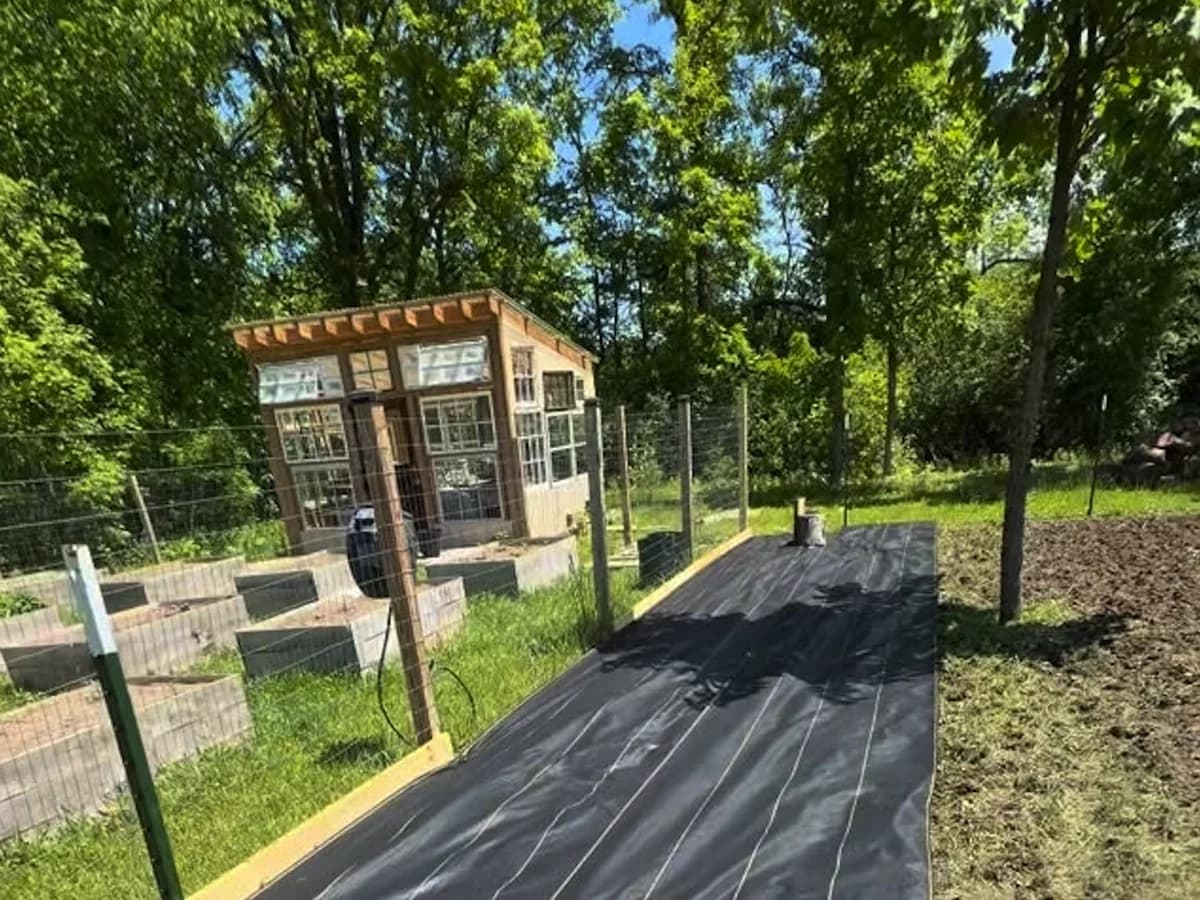
Available in 9 roll sizes
XBAR
From $37.99 per roll, or $0.15 per sq ft.
5 oz dual-layer woven. Nine roll sizes.
Two layers, one job each.The woven face carries the load; the needle-punched backing blocks light and stops pumping.
332 lb CBR puncture resistance.ASTM D6241, so angular stone and machine traffic do not open it up.
10.5 gal/min/sf water flow.ASTM D4491. Breathable under load instead of pooling beneath the surface.
12 inch guide lines woven in.Keeps rows, cuts, and overlaps straight across a long run.
29.5 mil thickness, sealed edges.Cuts clean with a knife and does not unravel.
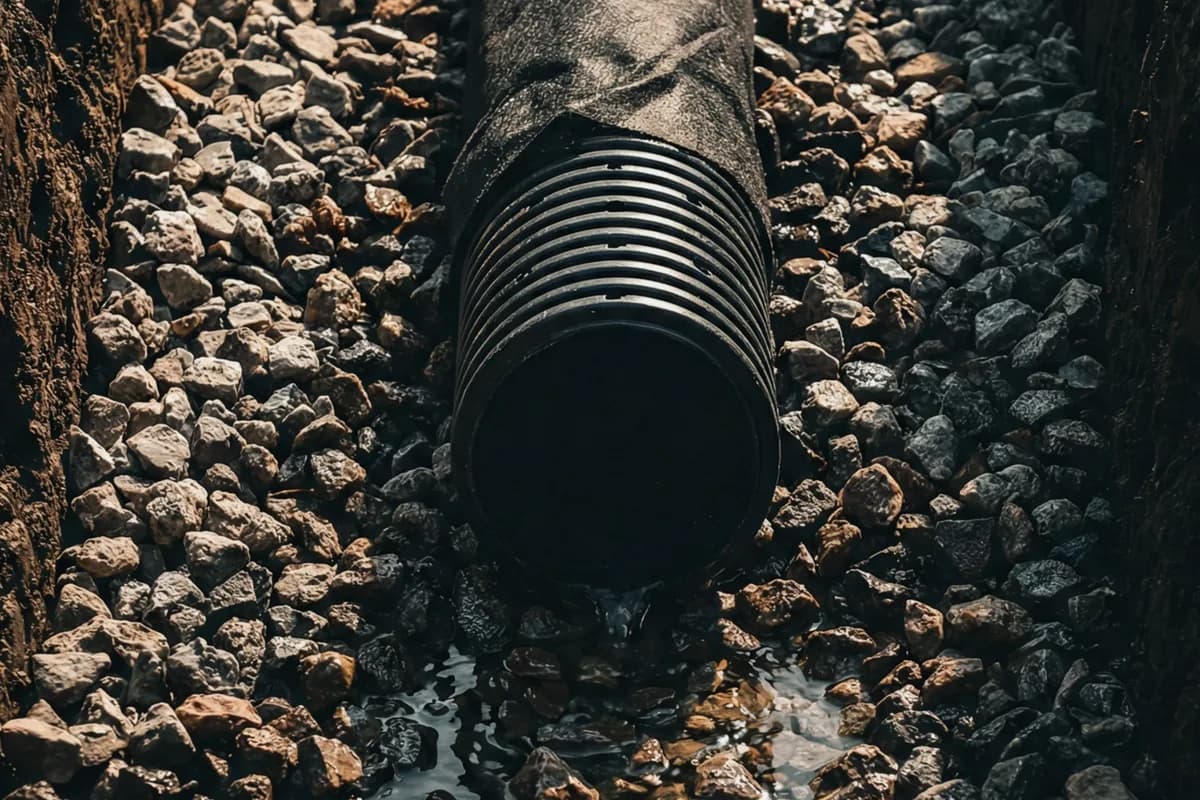
TERRA
From $69.99 per roll at 4 oz, $89.99 at 6 oz.
Non-woven needle-punched. Three weights.
310.8 gpm/ft2 water flow at 8 oz.ASTM D4491. Water moves through the mat, not across it.
Filters the fines.Holds silt and soil out of your stone so the drain still works in year five.
697 lb CBR puncture at 8 oz.ASTM D6241, built for angular stone and compaction.
Three weights, one construction.4 oz for drainage, 6 oz for drains and walls, 8 oz for road base.
Conforms to the trench.The felt-like mat drapes around pipe instead of bridging and tenting.
Laying driveways across multiple sites?
DOTDAY supplies XBAR to contractors direct, by the roll or in bulk. We'll spec the right coverage for your jobs.
How to install landscape fabric under a gravel driveway
- 1Excavate and gradeDig to your design depth, remove organic material, and grade for drainage so water sheds off the surface.
- 2Compact the subgradeA firm, compacted base under the fabric is what carries the load. Skipping this is the top cause of early rutting.
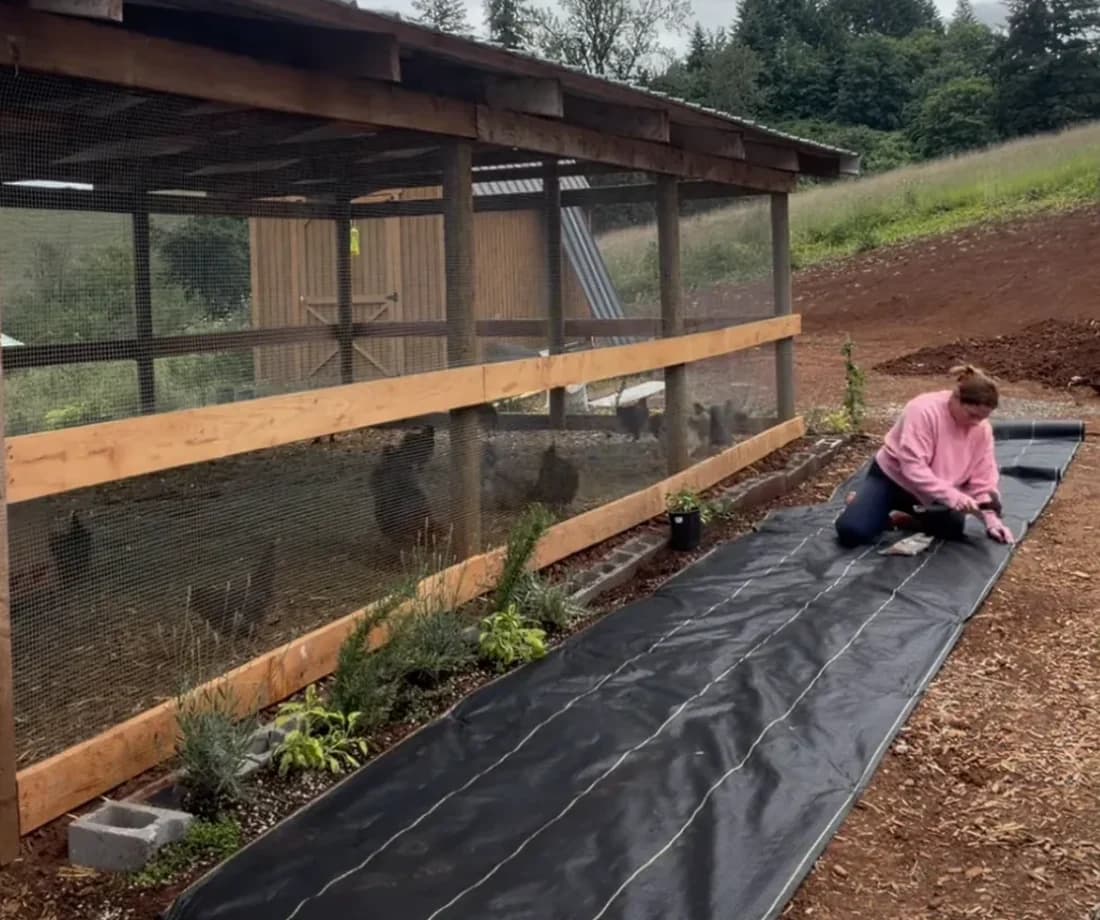
- 3Roll out XBARLay the fabric flat across the prepared base, smoothing out wrinkles as you go.
- 4Overlap seams 6 to 12 inchesGenerous overlaps stop weeds and soil from finding the seam. For driveways, lean toward the wider end.
- 5Add and compact gravel in liftsPlace your base aggregate, compact, then top-dress. Keep the fabric fully covered, with no sun exposure.
Can you use landscape fabric under a paver driveway?
Yes. A heavy-duty woven fabric like XBAR works under paver driveways and patios for the same reason it works under gravel: it separates the base from the subsoil and resists puncture under load. Place it beneath the compacted aggregate base, not directly under the sand setting bed. For pure drainage applications, like a French drain beside the driveway or a retaining wall, reach for a non-woven geotextile instead. That is what DOTDAY TERRA is engineered for: filtration and water flow rather than load-bearing separation. Non-woven geotextiles also belong in filtration and engineered aggregate designs, so the right choice always comes down to soil, load, and drainage. For the driving surface itself, a dense woven face provides the separation and stabilization that keeps gravel from rutting.
Spec the right amount for your driveway
Once you've chosen XBAR, the last step is ordering enough, including overlap. The DOTDAY Fabric Calculator takes your driveway dimensions and tells you exactly how many rolls to order, with overlap built in. To compare how long different weights hold up, read what landscape fabric lasts the longest. Planning a hardscape job and want the spec checked before you order? Give us the ground condition and load, and DOTDAY will recommend the right fabric and quantity.
Match the fabric to your ground condition
Answer a few questions about your driveway and get matched to SHIELD, XBAR, or TERRA for the job.
Find Your FabricThree fabrics. One simple rule.
Use the right fabric for the right ground condition.
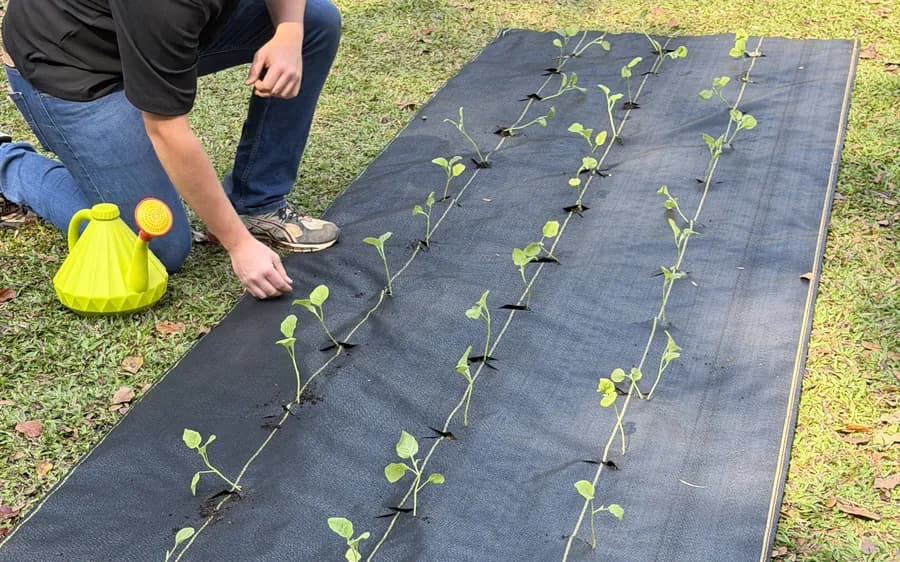
SHIELD
Woven polypropylene weed barrier built to suppress weeds while letting water and air through.
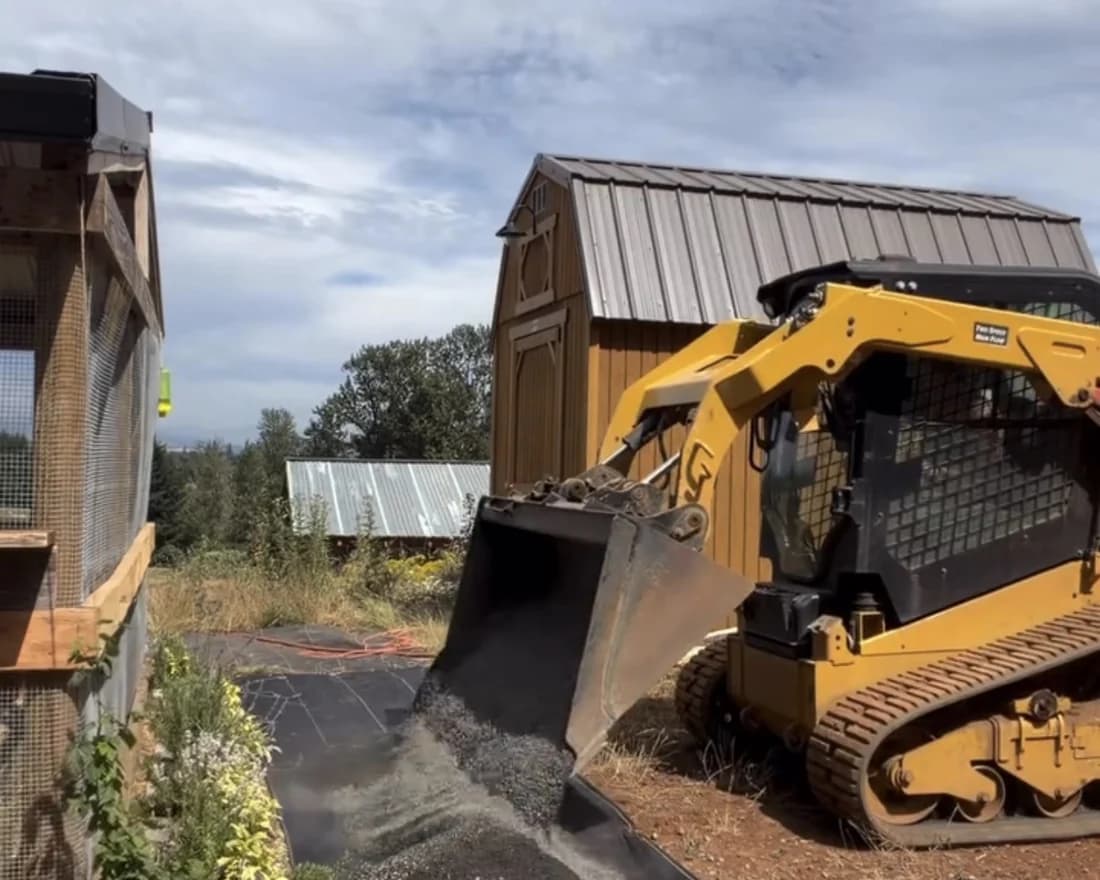
XBAR
Heavy-duty woven hybrid engineered for load and separation under hard surfaces.
TERRA
Non-woven geotextile designed for drainage, filtration, and soil separation.