Ask ten suppliers "what landscape fabric lasts the longest?" and you'll get ten vague answers, "a long time," "depends." That's not useful when you're speccing a job that has to hold up for the long haul. The honest answer comes down to the things you can actually control: fabric weight, construction, whether the fabric stays covered, and how well it goes in.
This guide is written for landscapers, hardscape crews, and growers first, and for serious DIYers second. At DOTDAY we build a different fabric for each ground condition, so longevity isn't one number, it's a match between the fabric and the job. Here's how to think about it.
What landscape fabric lasts the longest?
Heavy-duty woven and needle-punched polypropylene fabrics last the longest, and they last for many years when installed and covered correctly by gravel, rock, or mulch. Weight is the biggest driver: a 5oz dual-layer fabric outlasts a 3oz one under load. UV exposure is the fastest way to shorten any fabric's life. SHIELD and XBAR retain 70% of their strength after 500 hours of UV exposure (ASTM G154), which covers a job that sits half finished for a while, but cover promptly all the same.
In practice, lifespan is set by the weakest link in the install. Get the weight right for the load, keep it out of direct sun, and a quality fabric will outlast several low-cost replacements. For a deeper look at how reuse and removal factor in, see our guide on whether you can reuse landscape fabric.
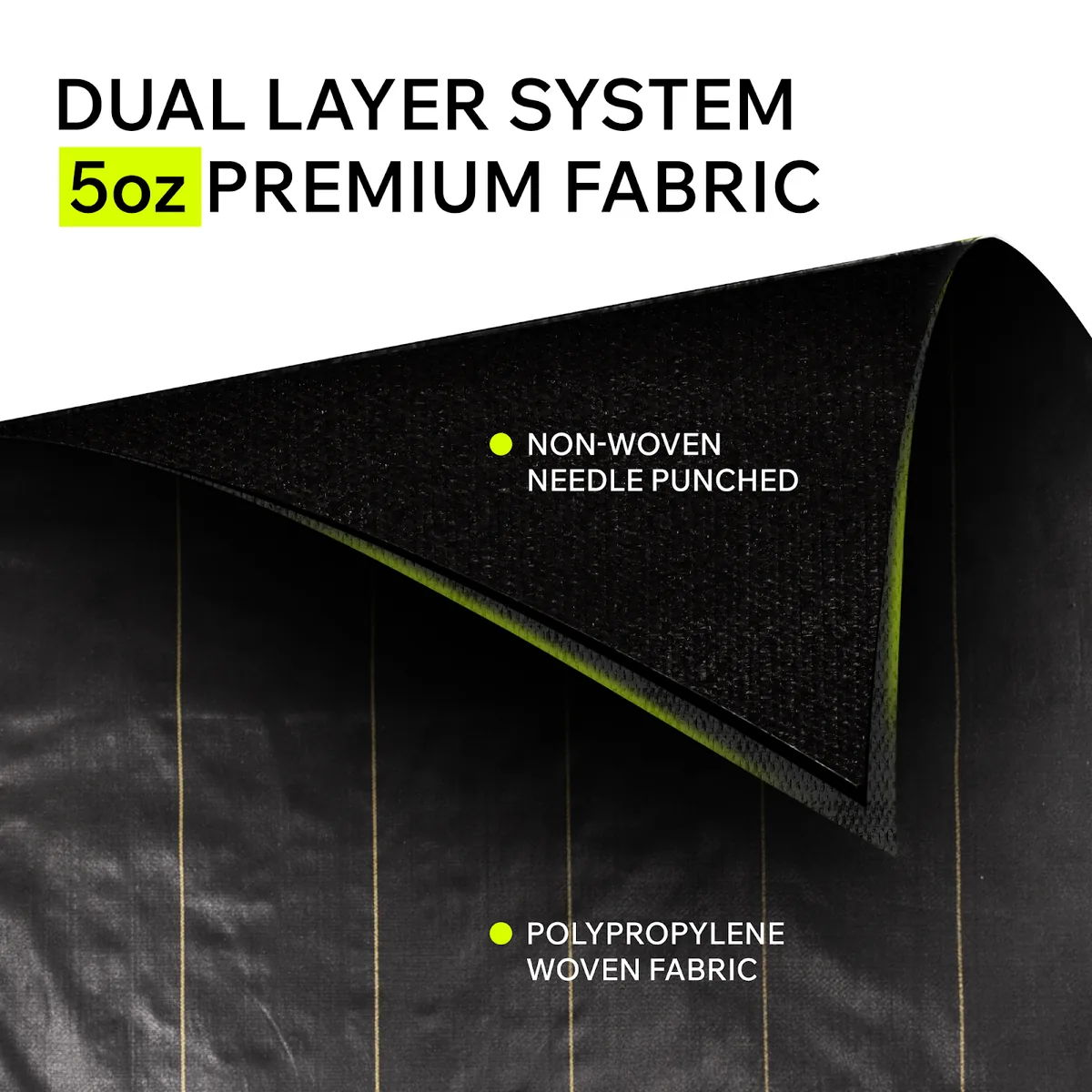
Why fabric weight (oz) drives lifespan
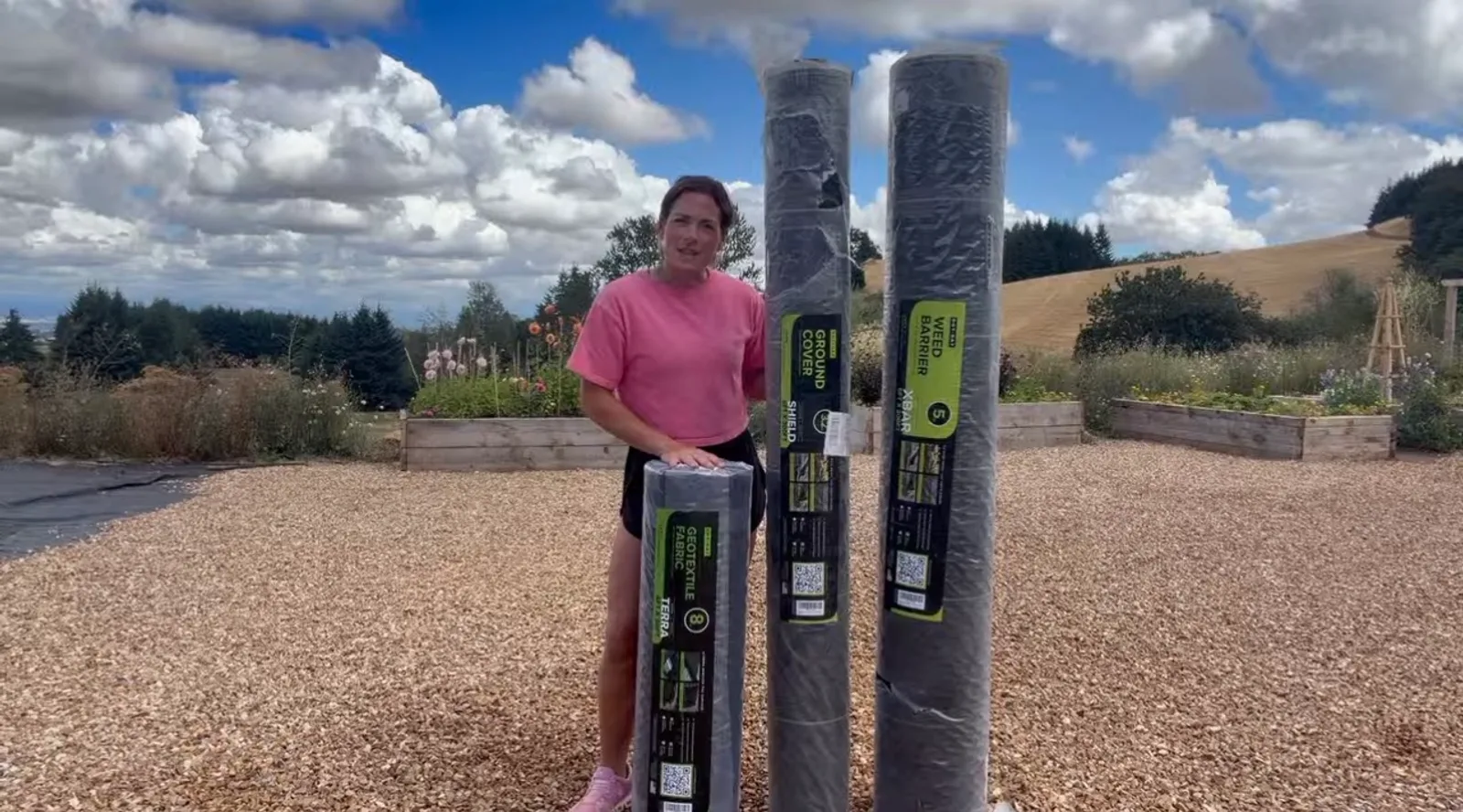
Landscape fabric weight is measured in ounces per square yard. More ounces means denser fibers, which means more puncture resistance, more tear resistance, and a longer service life under pressure. The DOTDAY range maps weight directly to ground condition:
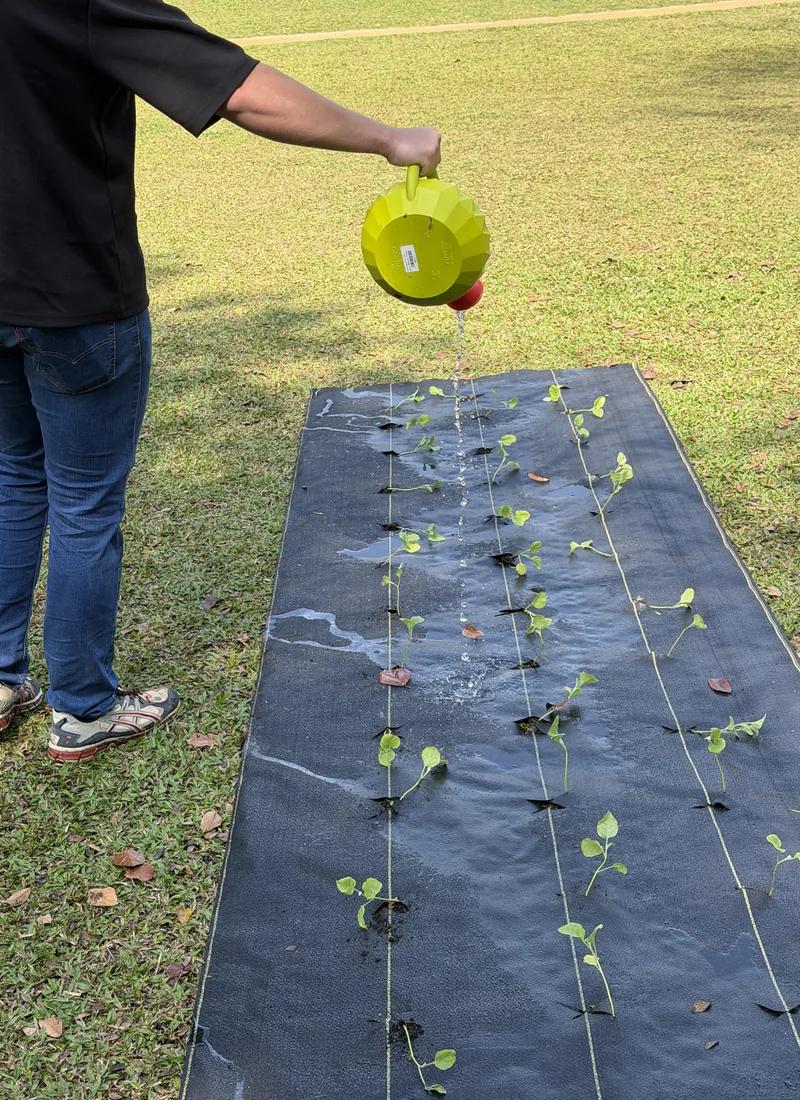
SHIELD (3.2oz woven): Built for gardens, raised beds, mulch, farms, and nurseries, weed control where there's no heavy load on top.
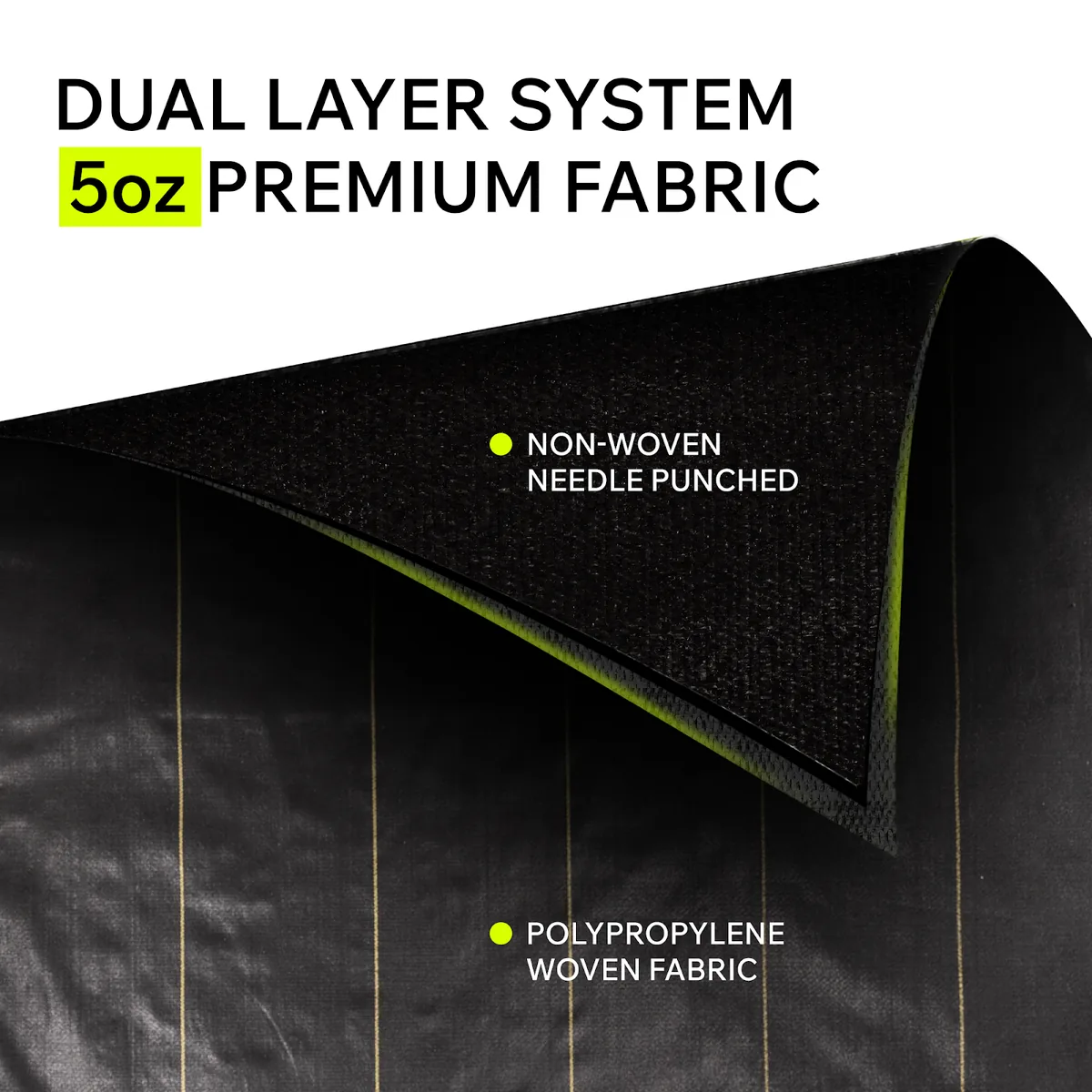
XBAR (5oz dual-layer woven + needle-punched): Engineered for gravel, rock, pavers, and high-traffic ground where the fabric has to survive weight and wear.
TERRA (4oz / 6oz / 8oz non-woven geotextile): Designed for drainage, filtration, and soil separation, French drains, retaining walls, and road base.
The takeaway: a heavier fabric isn't automatically better, it's better for the right job. Putting lightweight fabric under gravel is the most common reason installs fail early. For the full weight comparison, read our 3.2oz vs 5oz weed barrier breakdown.
Speccing fabric across multiple sites?
DOTDAY supplies contractors and growers direct. Tell us the ground condition and we'll match the right weight to each part of your project.
How long does landscape fabric last under gravel?
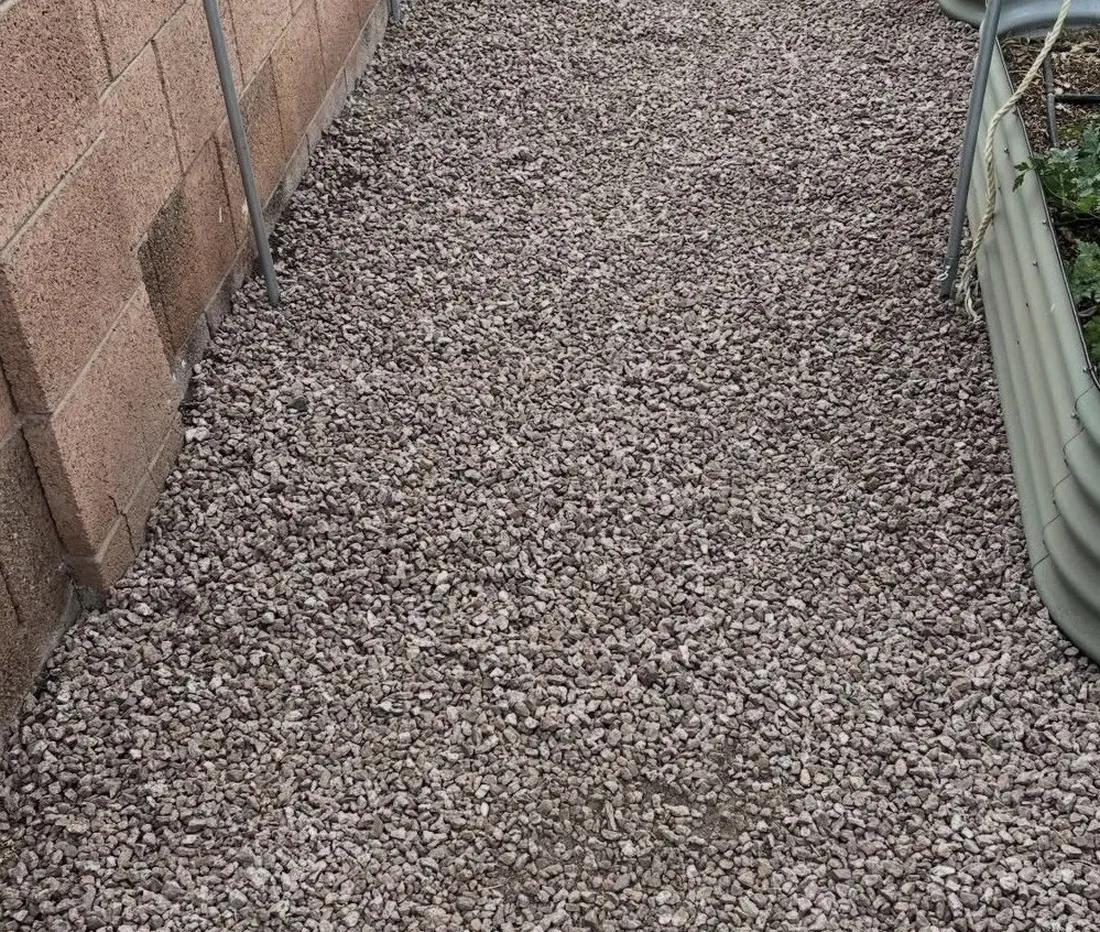
Under gravel, a heavy-duty woven fabric like DOTDAY XBAR lasts for many years because the gravel shields it from UV and spreads the load. Lightweight or perforated fabric under the same gravel often fails within a few seasons, it punctures, weeds push through the holes, and the gravel sinks into the soil.
Gravel and rock are exactly the conditions XBAR is built for. Its dual-layer construction, woven polypropylene combined with a needle-punched layer, adds puncture and tear resistance while still letting water drain through. Keep the stone deep enough that the fabric never shows, and that combination is what separates a one-season fabric from a long-service one. Browse DOTDAY XBAR for the full spec.
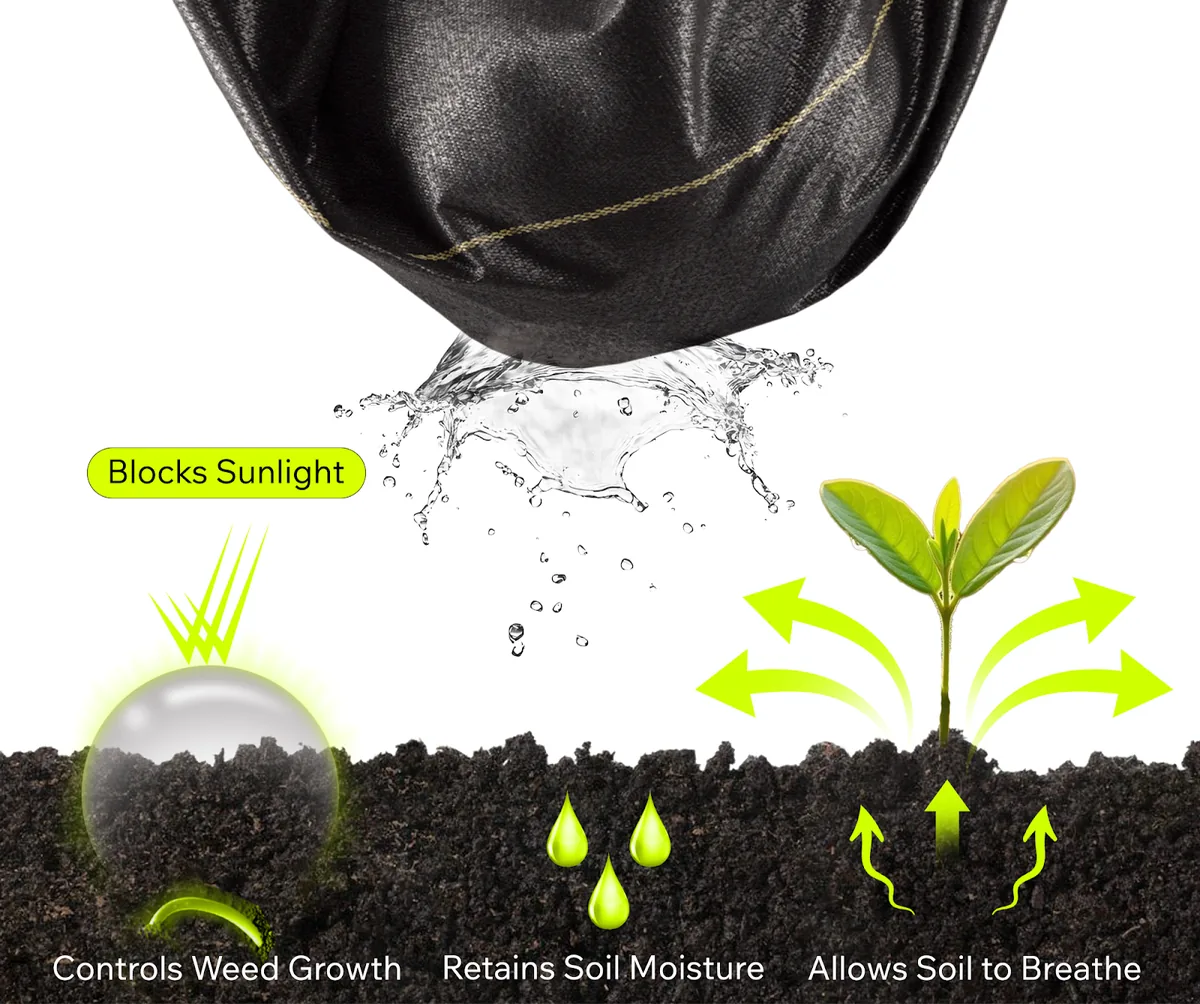
What oz landscape fabric do I need?
| Weight | DOTDAY product | Best for | Relative lifespan* |
|---|---|---|---|
| 3.2oz woven | SHIELD | Garden beds, mulch, farms, nurseries | Long when covered |
| 5oz dual-layer | XBAR | Gravel, rock, pavers, high-traffic | Longest under load, covered |
| 4 to 8oz non-woven | TERRA | Drainage, French drains, retaining walls | Long when buried, out of sun |
*Lifespan depends on UV exposure, cover depth, load, soil and drainage, and install quality. Every comparison above assumes the fabric stays covered. Not sure which weight your project needs? The DOTDAY Fabric Calculator recommends the right weight and tells you how much to order.
The 5 things that actually shorten fabric life
UV exposure: Uncovered fabric degrades fastest, regardless of weight. SHIELD and XBAR retain 70% of their strength after 500 hours of UV exposure (ASTM G154), so a short wait before covering is fine, but always finish with mulch, gravel, or rock.
Thin cover: Mulch should sit 2 to 3 inches deep, and gravel deep enough that the fabric never shows through. Thin spots let sun in and let stone grind on the fabric.
Wrong weight for the load: Light fabric under heavy stone or vehicle traffic fails quickly. Match weight to load, and use XBAR under gravel and driveways.
Soil and drainage: Standing water, fine silt, and aggressive roots work at the fabric from below, while leaves and debris on top build a thin soil layer where new weeds root. Grade so water moves and keep the surface clean.
Install quality: Skimpy overlaps, too few pins, and untucked edges are where weeds and soil break through first.
Choosing a fabric built to last
The longest-lasting landscape fabric is the one matched to your ground condition and kept covered. SHIELD for weed control, XBAR for gravel and hardscape, TERRA for drainage, DOTDAY builds each one for the job it has to survive, so you're not back replacing it in two seasons.
Talk to a DOTDAY fabric expert
Tell us your ground condition and what is going on top, and we will point you to the right fabric and quantity.
Talk to an ExpertThree fabrics. One simple rule.
Use the right fabric for the right ground condition.
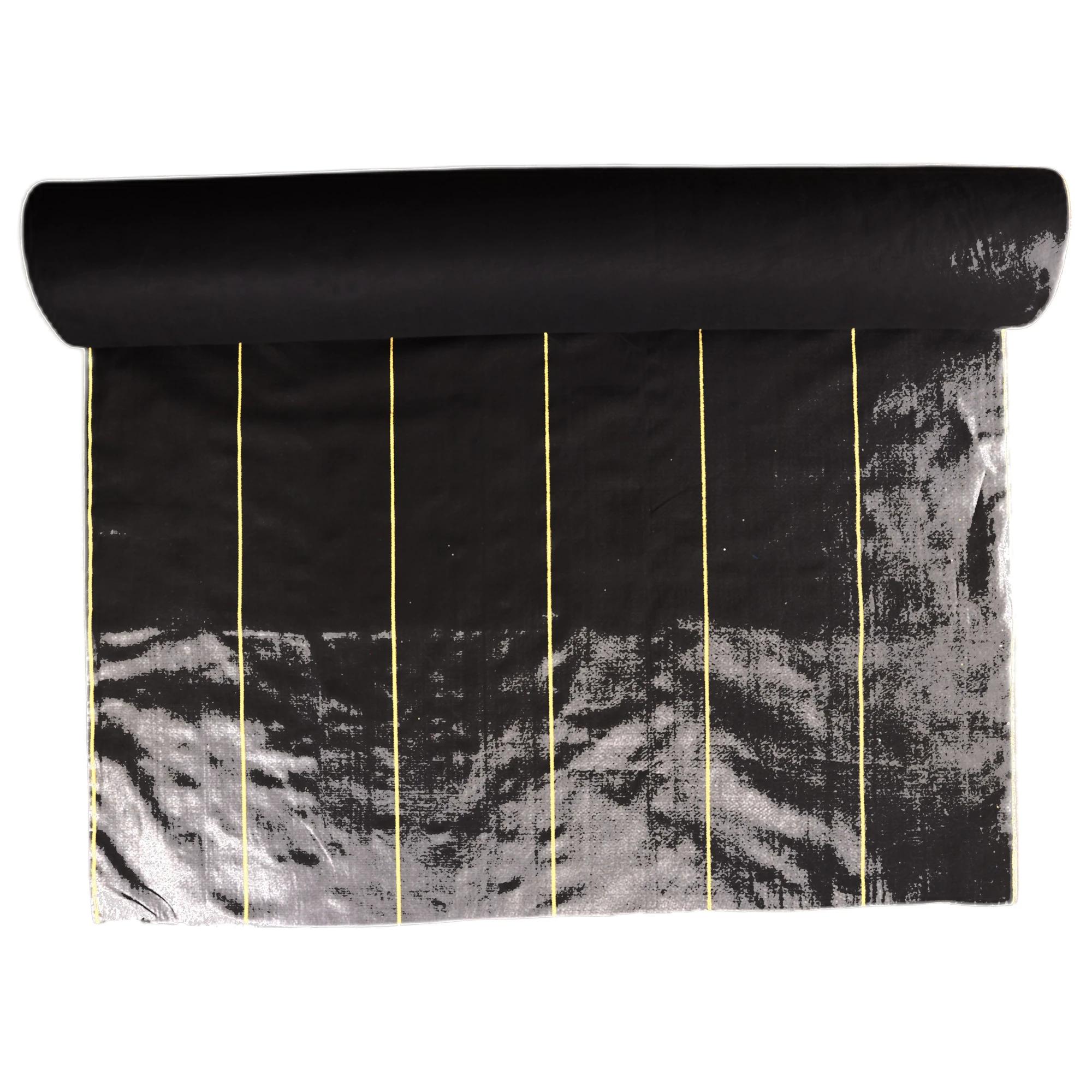
XBAR
Heavy-duty woven hybrid engineered for load and separation under hard surfaces.
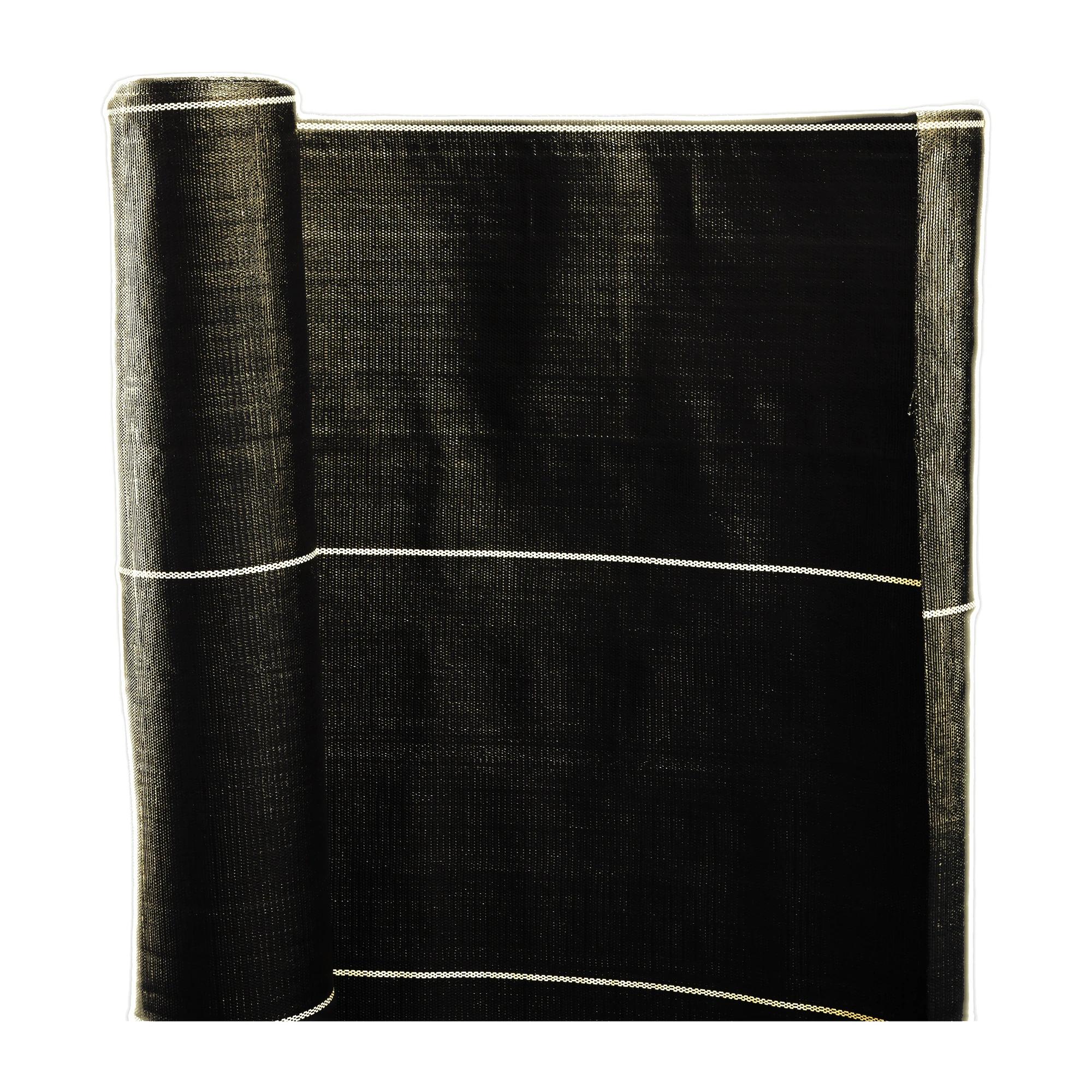
SHIELD
Woven polypropylene weed barrier built to suppress weeds while letting water and air through.
TERRA
Non-woven geotextile designed for drainage, filtration, and soil separation.