top of page

Best Landscape Fabric for Weed Control: 10 Questions Every Gardener Asks (2026 Buyer's Guide)

Updated: May 25

Written by the DOTDAY Expert Team - professional-grade landscape fabric specialists with years of experience supplying woven weed barrier solutions to landscapers, contractors, farms, nurseries, and home gardeners across the USA. DOTDAY ships from multiple warehouses across USA.

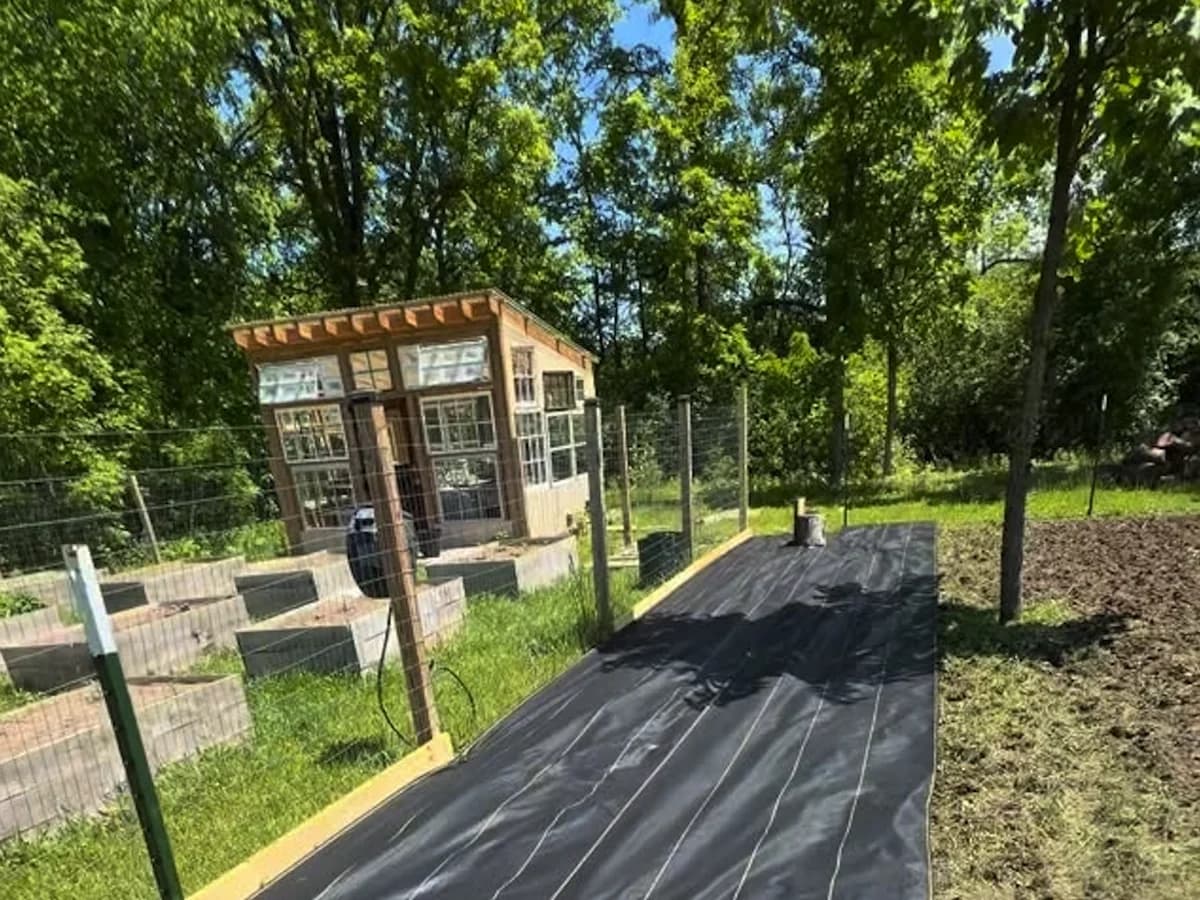
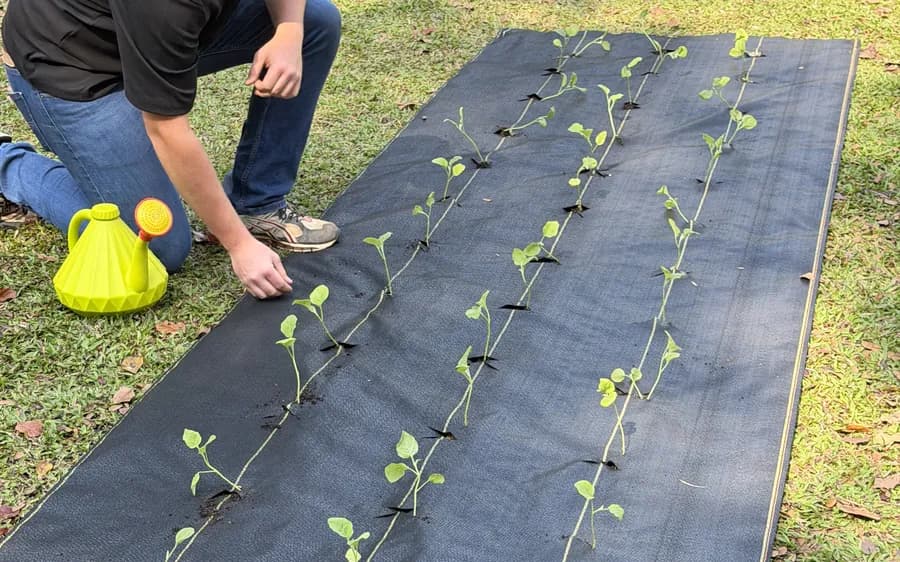
DOTDAY heavy-duty landscape fabric installed in a weed-free garden bed - USA

Weeds cost American gardeners an estimated 70 hours of labor every year - that's nearly three full days on your hands and knees for something that just keeps growing back. It's no wonder millions of homeowners, DIYers, and professional landscapers search for a smarter solution before buying landscape fabric. But with so many options on the market - woven, non-woven, geotextile, plastic sheeting - choosing the wrong one is an expensive mistake.


At DOTDAY, we've spent years engineering and testing heavy-duty woven landscape fabric for real-world conditions across the US - from backyard flower beds in Florida to large commercial landscaping projects in the Midwest. In this guide, we answer the 10 most-searched questions about landscape fabric and weed barrier fabric, with straight answers, real data, and zero fluff. By the end, you'll know exactly what to buy - and exactly why quality makes all the difference.


⚡ Quick Answer: The best landscape fabric for long-term weed control is heavy-duty woven polypropylene, UV-stabilized, permeable to water and air, rated at 3.2 oz/sq yd or heavier. DOTDAY's professional-grade woven fabric meets every one of these criteria and is built to last 10+ years under mulch or gravel.


1. What Is Landscape Fabric and How Does It Work?

Landscape fabric - also called weed barrier fabric, ground cover fabric, or weed control cloth, is a permeable textile laid directly on soil to block weed growth without chemicals. It works by cutting off the sunlight that weed seeds need to germinate, while remaining permeable enough to let water, air, and nutrients pass freely through to your plants' root zones below.

Unlike solid black plastic sheeting, which suffocates soil and kills beneficial organisms - quality woven landscape fabric like DOTDAY keeps your soil ecosystem healthy and breathing. It's the difference between a yard that thrives and one that silently deteriorates under a plastic sheet. See how our fabrics are constructed on the DOTDAY SHIELD product page.

2. Does Landscape Fabric Actually Work for Weed Control?

Yes - but quality is everything. Industry testing shows that premium woven landscape fabrics reduce weed emergence by up to 90% compared to unmulched bare soil. Cheap fabrics, by contrast, often degrade within 12–18 months, allowing UV breakdown, clogging, and weed penetration.

The key variables are fabric weight (measured in oz per square yard), weave tightness, UV stabilization, and correct installation. DOTDAY's heavy-duty woven landscape fabric is engineered to suppress weeds for a decade or more - not just a single season. Covered with 2 to 3 inches of mulch or gravel, it's one of the most effective long-term weed management tools available to home and professional gardeners across the United States. Read our full Installation Guide for best results.


3. Woven vs Non-Woven Landscape Fabric: What's the Real Difference?


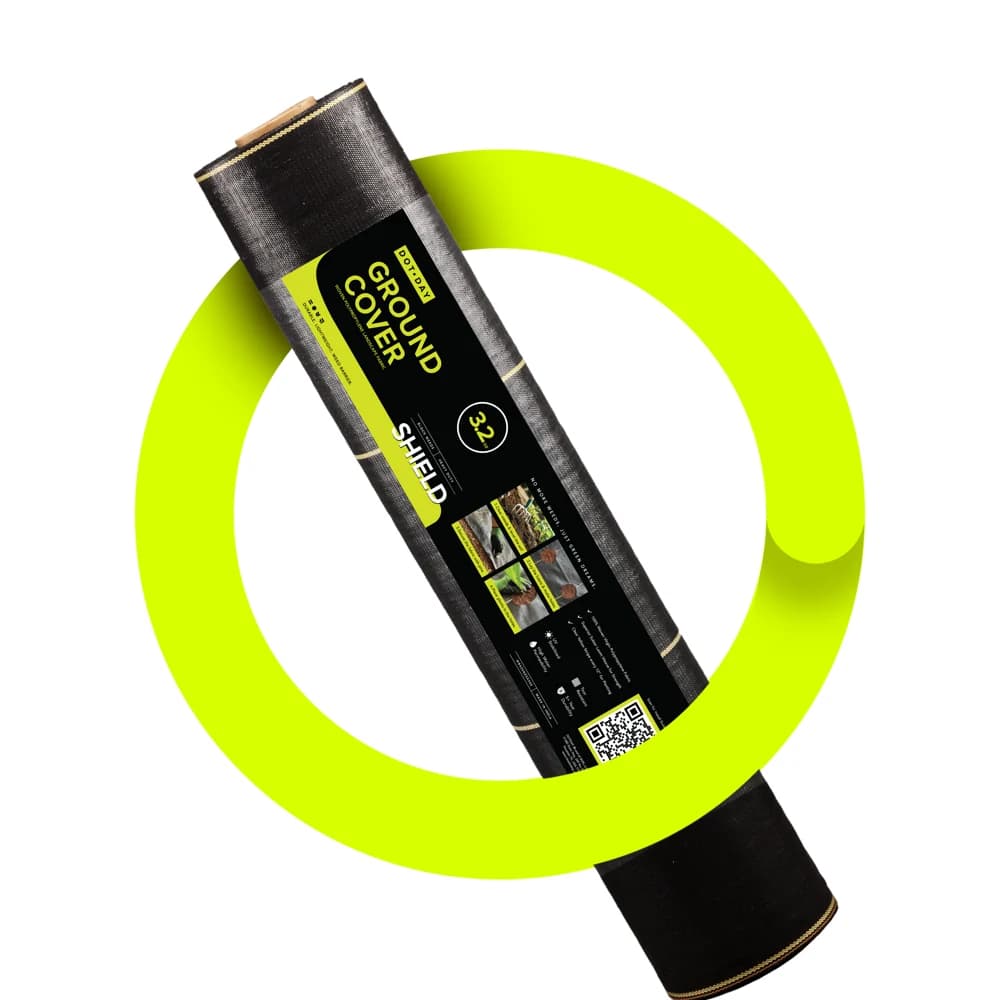
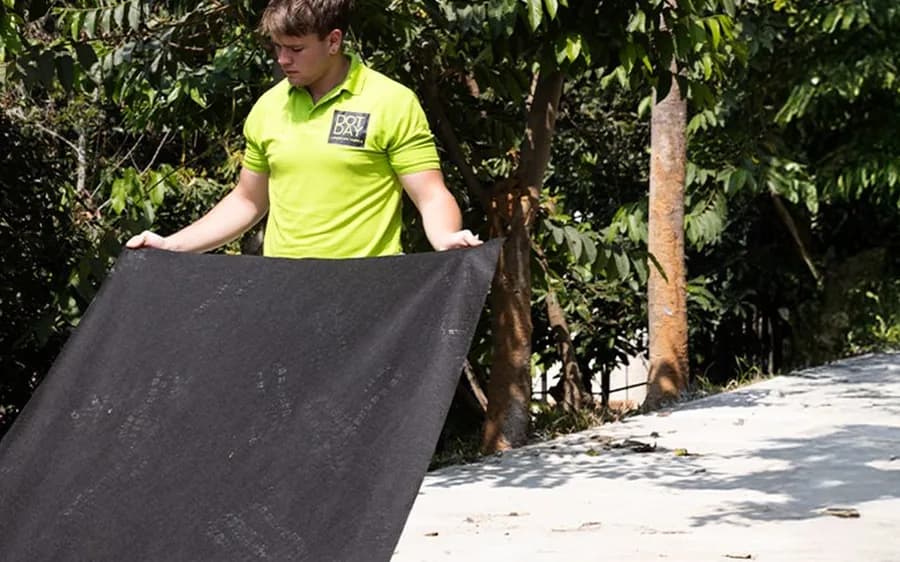
DOTDAY SHIELD woven landscape fabric being unrolled - 3.2oz woven weed barrier USA
DOTDAY SHIELD 3.2oz woven polypropylene - professional-grade weed barrier fabric, rolling out clean and strong
DOTDAY heavy-duty woven landscape fabric being installed in a garden - weed barrier USA
DOTDAY XBAR dual layer fabric being rolled out - heavy-duty weed barrier built for American yards and gardens


This is the most important distinction to understand before you buy. Here's how they compare:

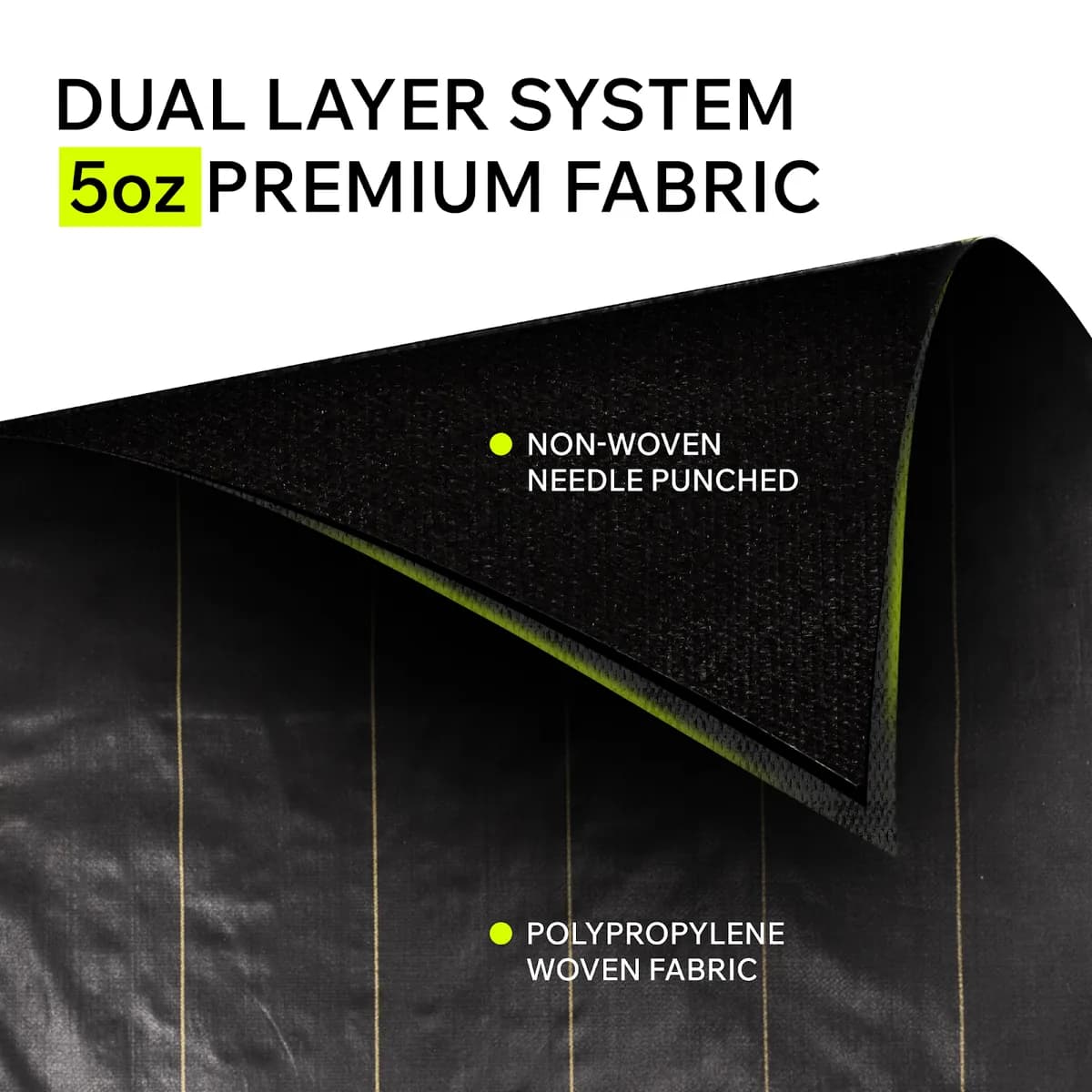
Woven landscape fabric is made from interlaced polypropylene strands. It's stronger, more tear-resistant, and built for long-term weed suppression - the professional's choice for garden beds, pathways, driveways, and large-scale landscaping projects. It handles foot traffic, resists puncture, and holds up year after year under the American sun. DOTDAY's SHIELD and XBAR are both woven - engineered for weed control where durability and longevity are the priority.


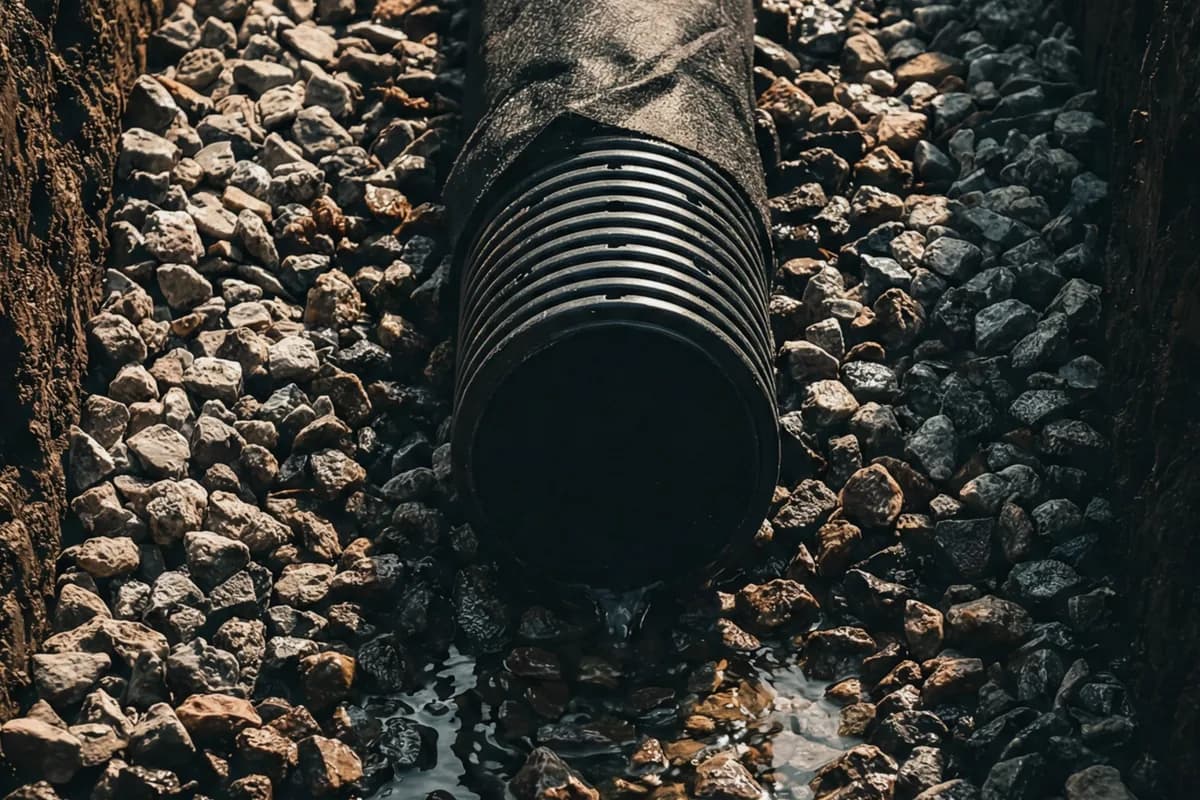
Non-woven geotextile fabric is bonded rather than woven, giving it a different set of strength. It excels at drainage, filtration, and soil separation - which is why it's the material of choice for French drains, retaining walls, road base, and erosion control. DOTDAY's TERRA range is built on this technology, engineered for applications where water management matters as much as weed control.

Non-woven geotextile fabric - engineered for drainage, filtration, and soil separation. Built for French drains, retaining walls, and ground stabilization projects.
The simple rule: choose woven when your primary goal is weed suppression. Choose non-woven geotextile when drainage, filtration, or ground stabilization is part of the equation. Not sure which fits your project? Use the DOTDAY Fabric Finder to get matched in under 60 seconds.


The verdict: for anything requiring durability, long-term weed suppression, or use under heavy materials like stone, gravel, or bark - woven wins every time. Use our Compare All Fabrics tool to see the full breakdown.


4. How Long Does Landscape Fabric Last?

Lifespan varies dramatically by quality and installation method. Here's what to expect:

🔴 Budget non-woven fabric: 1–2 seasons. 🟡 Mid-range woven fabric: 3–7 years. 🟢 Premium heavy-duty woven (DOTDAY SHIELD / XBAR): 10–15 years under mulch. 🟢 Professional geotextile-grade fabric (DOTDAY TERRA): 25–50+ years buried under 3+ inches of gravel.

The single biggest factor affecting lifespan is UV exposure. Fabric left exposed to direct sunlight can degrade in as little as 12 months - particularly in high-UV states like Florida, Texas, Arizona, and California. Always cover with 2–3 inches of mulch, bark, or decorative stone. DOTDAY fabric is UV-stabilized as standard - but covering it remains essential for maximum longevity. Not sure how much fabric you need? Use the DOTDAY Fabric Calculator.


5. What Is the Best Landscape Fabric to Use Under Rocks and Gravel?

Under rocks, gravel, and decorative stone, you need a fabric with high tensile strength and puncture resistance - qualities that thin or non-woven fabrics simply can't deliver. Look specifically for woven polypropylene or geotextile-grade fabric rated at 3.5 oz per square yard or heavier.


DOTDAY XBAR (5oz heavy-duty dual-layer woven) is engineered for exactly this application - it handles the compressive load of stone and gravel year after year without losing structural integrity or weed-blocking performance. The go-to choice for driveways, rock gardens, gravel pathways, and decorative beds where permanence matters. View DOTDAY XBAR specs and sizing.

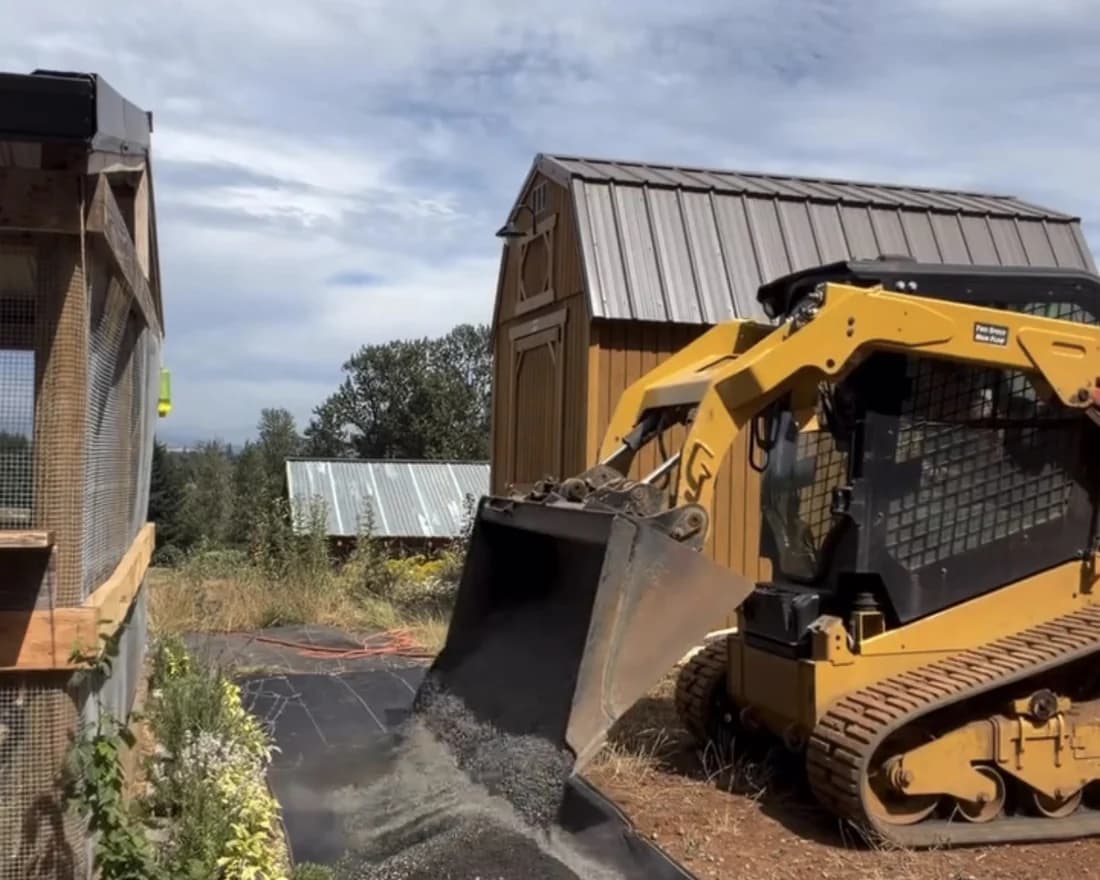
DOTDAY XBAR heavy-duty landscape fabric installed under gravel pathway - weed barrier for rock and hardscape USA
Real customer project by Brooklyn (@smallgardenlife_az) using DOTDAY XBAR 5oz. Built to handle compressive load from stone, rock, and hardscape year after year.

6. How Do I Install Landscape Fabric Correctly? (Step-by-Step)

Correct installation is what separates a weed-free yard from a frustrating failure. Follow this professional installation method - or download the full DOTDAY Installation Guide for detailed diagrams and tips:

Step 1 - Clear and prepare the area.

Remove every weed by hand - roots included. Loosen the top 2–3 inches of soil with a garden fork.

Step 2 - Measure and cut.

Roll out your DOTDAY fabric, leaving 4 to 6 inches of overhang on all edges. Use a sharp utility knife for clean, fray-free cuts.

Step 3 - Overlap seams generously.

Where two pieces meet, overlap by a minimum of 6 to 8 inches. Gaps at seams are the number-one installation mistake.

Step 4 - Pin every 2 to 3 feet.

Use heavy-gauge galvanized landscape staples along all edges, seams, and corners. In soft or sandy soil - common across Florida, the Southeast, and coastal regions - increase to every 12 inches.

Step 5 - Cut X-shaped planting holes.

For plants and shrubs, make a small X-cut only. Avoid large circular cuts that expose soil around stems.

Step 6 - Cover immediately.

Apply 2 to 3 inches of mulch, bark, or gravel right away. Exposed fabric degrades quickly under the American sun. Your DOTDAY weed barrier does its best work hidden under a clean cover layer. Watch: correct seam overlap and stapling technique using DOTDAY XBAR 5oz fabric

DOTDAY XBAR 5oz dual-layer woven fabric - showing correct 6–8 inch seam overlap and pinned down with 6-inch galvanized staples. This is how you install landscape fabric that stays weed-free for 10+ years.

7. Will Landscape Fabric Let Water Through to My Plants?

Black plastic sheeting - often confused with landscape fabric at big-box stores, blocks water almost entirely. During heavy rain or irrigation cycles this causes surface pooling, water-logging, and root rot. It is not a landscape fabric substitute.

True woven landscape fabric is permeable by engineering design. DOTDAY's woven weed barrier allows water, air, and dissolved nutrients to pass through freely to the root zone - supporting healthy plant growth while still denying sunlight to weed seeds below. The weave structure also helps prevent soil compaction over time, which plastic entirely fails to do. See permeability specs on the DOTDAY SHIELD page.


8. Is Landscape Fabric Safe for Flower Beds and Vegetable Gardens?

For established flower beds and perennial borders, quality landscape fabric is an excellent long-term solution. It reduces weeding time dramatically, retains soil moisture - especially important during hot, dry US summers - and keeps beds looking clean between seasons.

For vegetable gardens, use landscape fabric in permanent growing areas - around fruit bushes, asparagus beds, or in pathways between raised beds. Avoid beds you replant every season. DOTDAY's fabric is manufactured from chemical-free, UV-stabilized polypropylene - safe near edible plants, children's play areas, and pets without introducing toxins into your soil. Browse the full DOTDAY fabric range to find the right fit.


9. How Much Does Landscape Fabric Cost and Is It Worth It?

Landscape fabric typically ranges from $0.10 to $0.30 per square foot - most homeowners spend between $35 and $150 per roll depending on quality, weight, and size. Budget non-woven options sit at the lower end, but replacement costs and poor weed control quickly erase those savings.

Here's the real calculation: the average American homeowner spends 70+ hours per year weeding. At a conservative $15/hour value of time, that's over $1,000 worth of effort every year. A quality DOTDAY weed barrier that lasts 10 years pays for itself in the first season alone - and every weed-free year after that is pure time returned to you. That's not a cost. That's an investment. For large projects, Request Bulk Pricing from DOTDAY.


10. What Should I Look for When Buying Landscape Fabric?

Run through this professional checklist before you buy - or use the DOTDAY Fabric Finder Quiz to get a personalized recommendation:

✅ Weight: minimum 3 oz/sq yd; 5–6 oz for gravel or high-traffic areas.

✅ Woven construction: always choose woven over non-woven for durability and longevity.

✅ UV stabilization: non-negotiable outdoors, especially in Florida, Texas, Arizona, and California.

✅ Permeability: water and air must pass through freely. Reject solid plastic alternatives.

✅ Chemical-free: essential near edible plants, children, and pets.

✅ Roll dimensions: calculate your area and allow 10% extra for seam overlaps. Use the Fabric Calculator.

✅ Tensile strength: above 100 lbs for use under stone or gravel.

✅ Brand transparency: choose a brand like DOTDAY that publishes real specs, not vague claims.


The 3 Most Common Landscape Fabric Mistakes (And How to Avoid Them)

Mistake 1 - Skipping soil prep. Laying fabric over existing weeds guarantees failure. Clear the area completely - roots and all - before you lay a single inch of fabric.

Mistake 2 - Skimping on seam overlap. A 2-inch overlap looks fine on day one. By summer, weeds will find that gap. Always overlap by 6 to 8 inches minimum.

Mistake 3 - Leaving fabric exposed. UV destroys even quality fabric fast under the American sun. Cover within 24 to 48 hours of installation, every time. These aren't minor details, they're the difference between a 2-year fix and a 15-year solution. See our full Installation Guide to avoid every common error.

Which DOTDAY Fabric Is Right for Your Project?


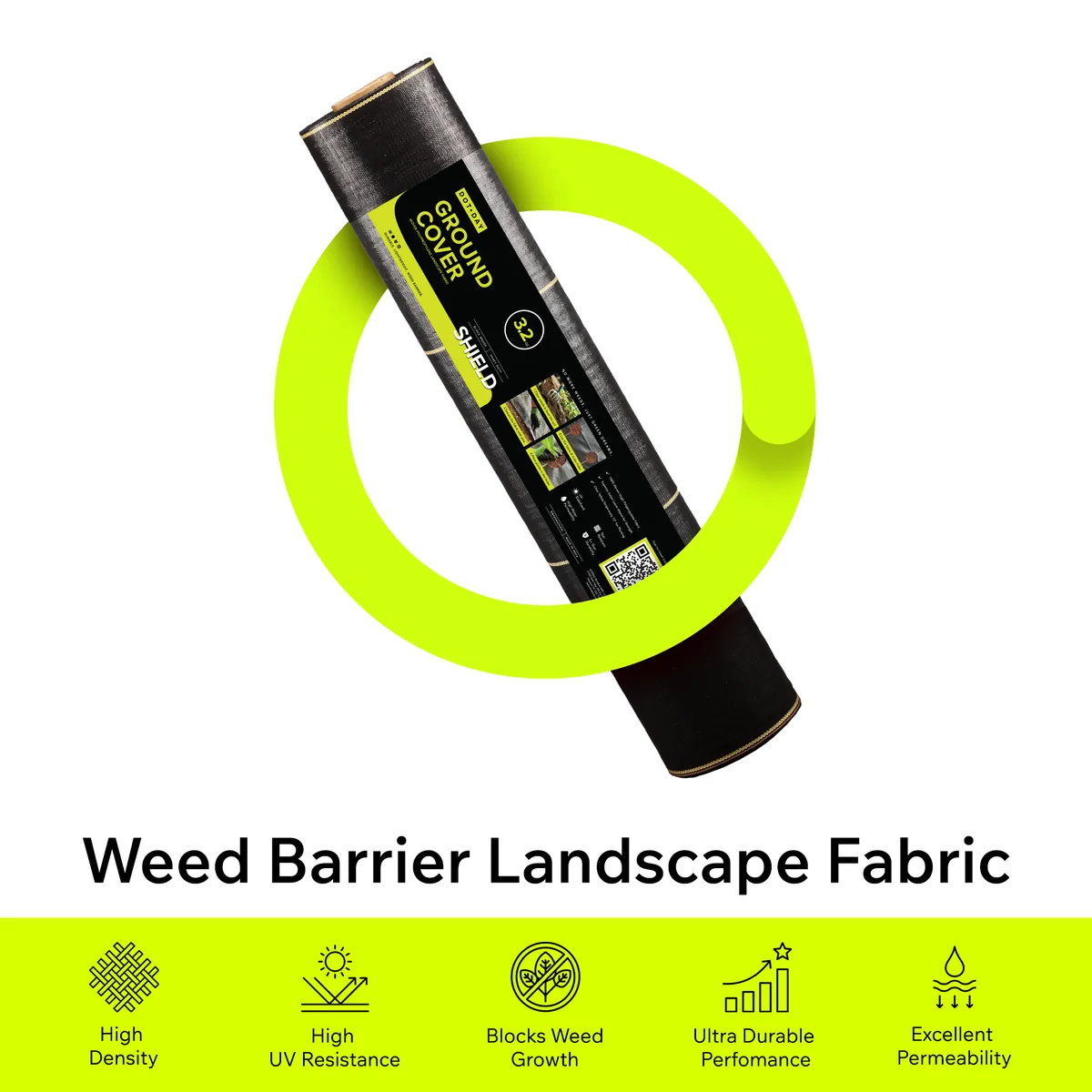
DOTDAY landscape fabric product range - SHIELD weed barrier, XBAR heavy-duty woven, and Ground Cover fabric rolls USA
The full DOTDAY landscape fabric range - SHIELD 3.2oz woven weed barrier, XBAR 5oz heavy-duty dual-layer woven, and TERRA geotextile fabric. One brand, three solutions, built for every ground condition across the USA

Not all landscape projects need the same fabric. DOTDAY builds three products for three distinct ground conditions. Use the Fabric Finder Quiz to get matched in under 60 seconds or read on:

DOTDAY SHIELD (3.2oz woven polypropylene)

Built for gardens, farms, nurseries, mulch beds, and planting rows. Choose SHIELD when weed suppression under mulch or soil is your primary goal. View SHIELD specs and order →

DOTDAY XBAR (5oz heavy-duty dual-layer woven)

Engineered for gravel, rock, pavers, and hardscape with high foot or vehicle traffic. Works best under decorative stone, along driveways, and in high-pressure areas. View XBAR specs and order →

DOTDAY TERRA (4oz / 6oz / 8oz non-woven geotextile)

Designed for drainage, filtration, soil separation, French drains, retaining walls, and road base. Choose TERRA when water management is your primary need. View TERRA specs and order →


Frequently Asked Questions

Can landscape fabric be used on slopes?

Yes. Heavy-duty woven landscape fabric performs well on slopes and inclines. Use extra landscape staples - one every 12 inches along the uphill edge - and cover immediately with gravel or bark to prevent lifting or shifting under heavy rainfall.

Does landscape fabric stop grass from growing through?

Quality heavy-duty woven fabric significantly suppresses grass and coarse weeds. However, no fabric is 100% impenetrable forever - aggressive grasses like Bermuda grass or crabgrass can eventually find gaps at edges or seams. Correct installation with generous overlaps and proper edging is your best defense. See the DOTDAY Installation Guide for edge finishing tips.

What's the difference between landscape fabric and geotextile fabric?

Geotextile fabric is engineering-grade textile used for ground stabilization, drainage, and erosion control — typically beneath road surfaces, retaining walls, and drainage systems. DOTDAY's TERRA range is specifically designed for these applications, while SHIELD and XBAR focus on weed suppression for landscaping projects. Compare all three on the DOTDAY Comparison Engine.

Do I need landscape fabric under mulch?

You don't need it, but it makes a significant difference. Mulch alone suppresses weeds for one season. Landscape fabric under mulch blocks weeds for a decade or more, reduces mulch reapplication, and keeps beds cleaner longer. For permanent beds, it's always worth installing. View DOTDAY SHIELD - built for exactly this.

How do I cut landscape fabric without it fraying?

Use a sharp utility knife or purpose-designed fabric scissors. For woven fabrics, cut in a single clean stroke. Some landscapers run a lighter along freshly cut edges to heat-seal woven polypropylene and prevent fraying entirely. More tips in the DOTDAY Installation Guide.


Ready to Stop Fighting Weeds? DOTDAY Has You Covered.

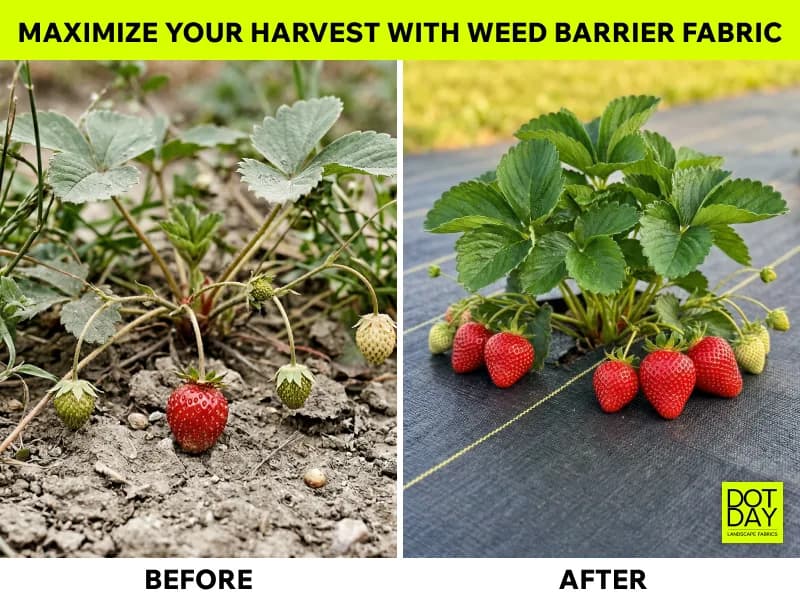
Real customer project by Brooklyn (@smallgardenlife_az) using DOTDAY XBAR 5oz. Before DOTDAY vs After DOTDAY - the same gravel bed, transformed. Heavy-duty woven landscape fabric installed underneath means zero weeds, zero maintenance, and a clean finish that lasts years, not seasons.

Whether you're transforming a backyard flower bed, laying a gravel driveway, managing drainage on a commercial site, or running a farm or nursery — DOTDAY has the right fabric for your ground condition. Heavy-duty woven polypropylene, UV-stabilized for the intensity of the American sun, fully permeable, and chemical-free. Built to professional standards. Priced for every project size.


Stop spending your weekends on your knees pulling weeds. Use the Fabric Finder to find your perfect match → Compare all three DOTDAY fabrics side by side → Or Request Bulk Pricing for large commercial projects. The right fabric is one click away.

bottom of page