
A freeze warning comes through, and you head to the garage looking for something to throw over your plants. There's a roll of black landscape fabric left over from spring. It's fabric, it's garden-related, so it should work, right?
Not really. Frost cloth for plants and landscape fabric look like cousins, but they're built for opposite jobs. One goes over plants to hold in warmth. The other, like our SHIELD woven weed barrier, goes on the ground to block light and stop weeds.
At DOTDAY, we sell landscape fabric, not frost cloth, so this guide is about knowing which fabric belongs where and using both in the same bed.
Frost cloth, row cover, and landscape fabric: what each is made to do
### Frost cloth and row cover
Frost cloth, often sold as frost blanket, plant cover, or floating row cover, is a light, usually white, non-woven fabric draped over plants.
- Traps ground heat that radiates up from the soil overnight, keeping the air around plants a little warmer.
- Lets light through, so it can stay on for a while without starving plants of sun.
- Lets water and air through, so plants underneath don't suffocate.
- Is light, so it rests on foliage without crushing it.
Heavier frost cloth generally holds more warmth but lets less light through. Manufacturers rate their products differently, so check the label for the protection and light transmission they claim.
### Landscape fabric
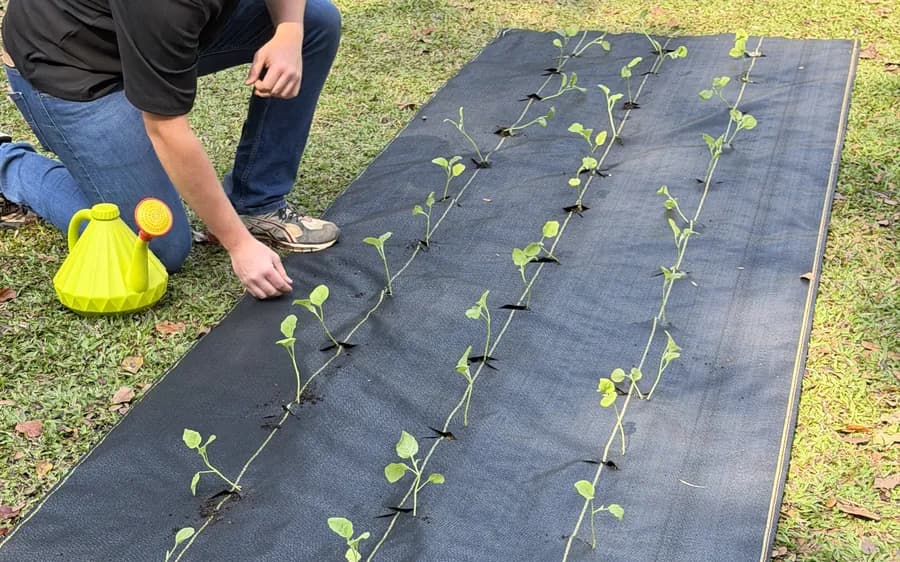
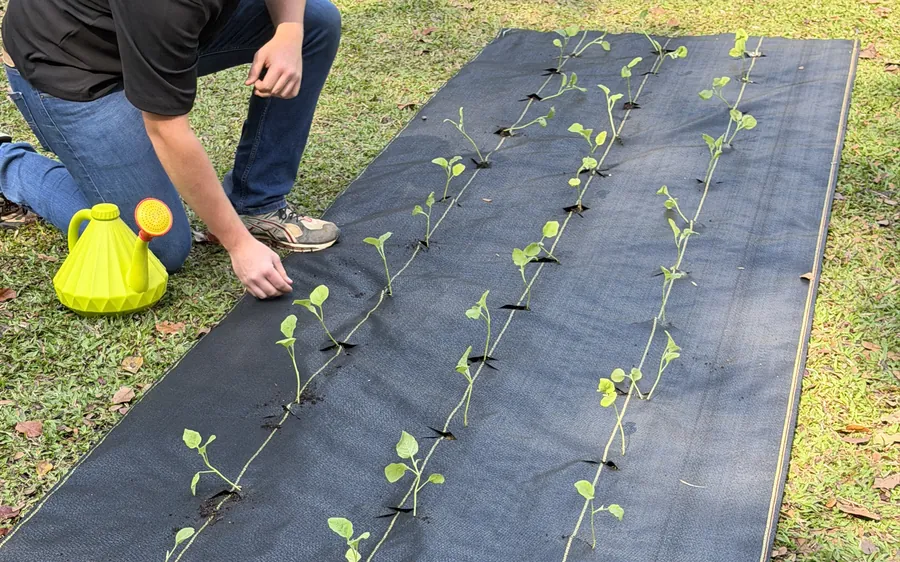
Landscape fabric is built to sit on the ground, under mulch, soil, or stone.
- Blocks light so weed seeds in the soil can't grow.
- Lets water and air through to the soil.
- Stays put for years under a cover.
Woven weed barrier like DOTDAY SHIELD is designed to block light, which is exactly what you don't want over living plants.
Why you shouldn't cover plants with weed barrier
- It blocks light. Leave it on through a sunny day and plants underneath sit in the dark.
- It's heavy for foliage. Woven fabric is stiffer and heavier than frost cloth and can bend or break stems.
- It's not built to hold heat around plants. Frost cloth is designed to drape and trap warmth. Weed barrier is designed to lie flat on the ground.
- Dark fabric in sun can overheat plants if it stays on after the freeze passes.
In a true emergency, any cover is better than none for one night, but lift it off in the morning. For regular frost protection, use frost cloth.
Frost cloth vs landscape fabric at a glance
| Feature | Frost cloth | Landscape fabric |
|---|---|---|
| Goes | Over plants | On the ground |
| Main job | Hold warmth around plants | Block light to stop weeds |
| Lets light through | Yes | No, by design |
| Weight | Light | Heavier |
| Typical color | White | Black |
| When it's used | Cold nights and cold snaps | Year round, under cover |
How to use frost cloth for plants: a freeze-night checklist
- Cover before sunset so you trap the day's ground heat.
- Drape all the way to the ground and weigh down the edges. Heat escapes from gaps.
- Use hoops or stakes for tender plants so the cloth doesn't rest directly on leaves.
- Remove or vent it when temperatures rise, especially with heavier cloth.
- Water beforehand if soil is dry. Many gardeners find moist soil holds heat better than dry soil.
Check your local extension office for guidance on frost dates and which plants in your area need protection.
Using both in one bed
Frost cloth and landscape fabric work well together in the same bed.
- On the ground: landscape fabric under mulch keeps weeds down all year.
- Over the plants: frost cloth goes on during cold snaps and comes off after.
With fabric and mulch on the soil, the edges of the frost cloth can be weighed down with bricks or bags of soil on top of the mulch.
Gulf Coast freezes
In mild-winter regions, hard freezes aren't frequent but do happen. Gardens in mild-winter regions are often full of tender plants, so a sudden freeze can do a lot of damage. If you garden along the Gulf Coast, it's worth keeping frost cloth on hand before you need it, because stores can run low when a freeze is forecast.
Storing and reusing garden fabrics
- Frost cloth: dry it fully, fold it, and store it out of sunlight. Many frost cloths can be reused for several seasons if they're handled gently.
- Landscape fabric: stays in place under cover. If you lift it, brush it off, dry it, and roll it for reuse. See our guide to reusing landscape fabric.
How much fabric does your bed need?
Use the DOTDAY Fabric Calculator to work out how much fabric and overlap your bed needs.
What we recommend
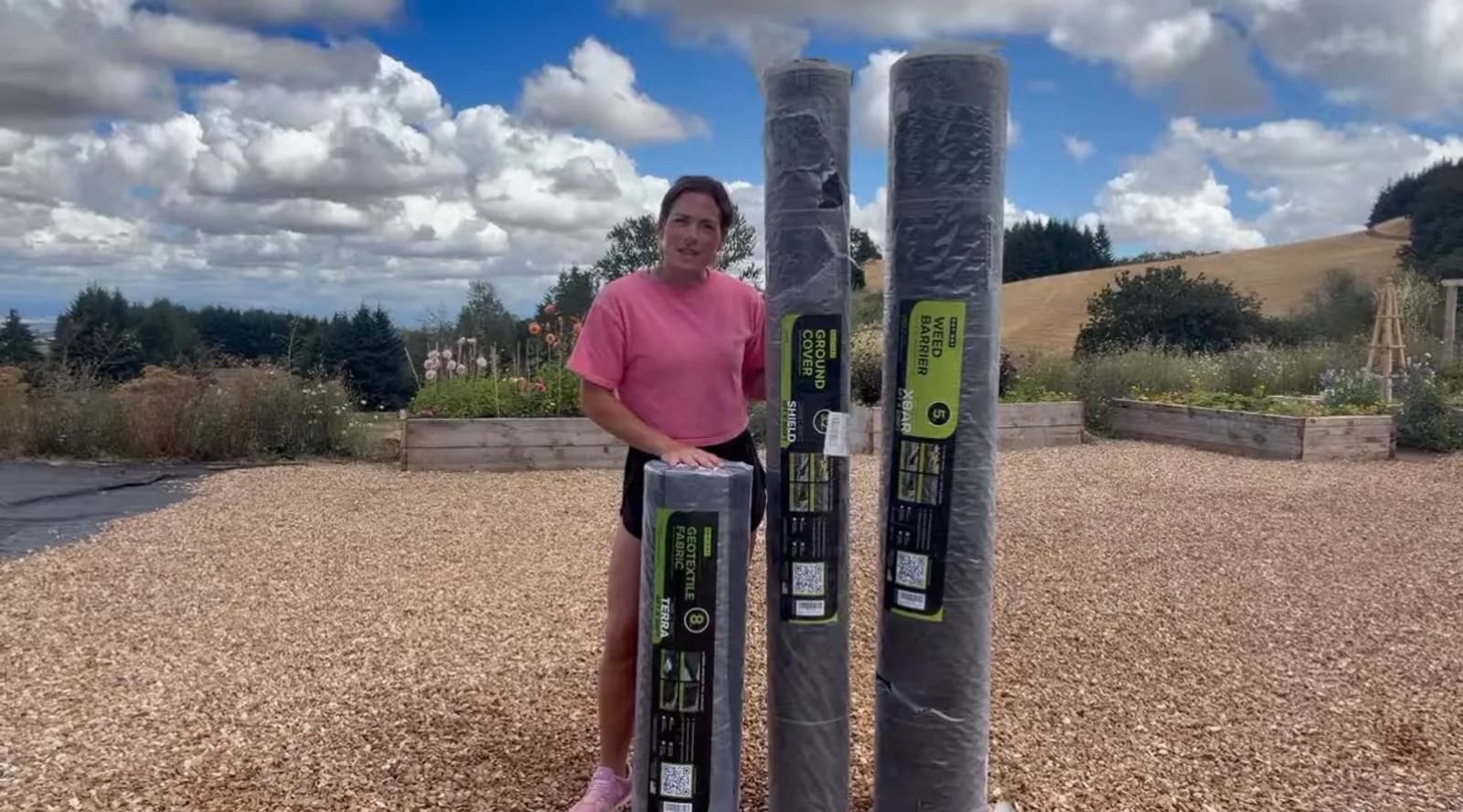
On the ground in beds and gardens, we use SHIELD under mulch. It pairs well with frost cloth over the plants during cold snaps. For gravel paths between beds, XBAR, our 5 oz dual-layer fabric, handles foot traffic under stone.
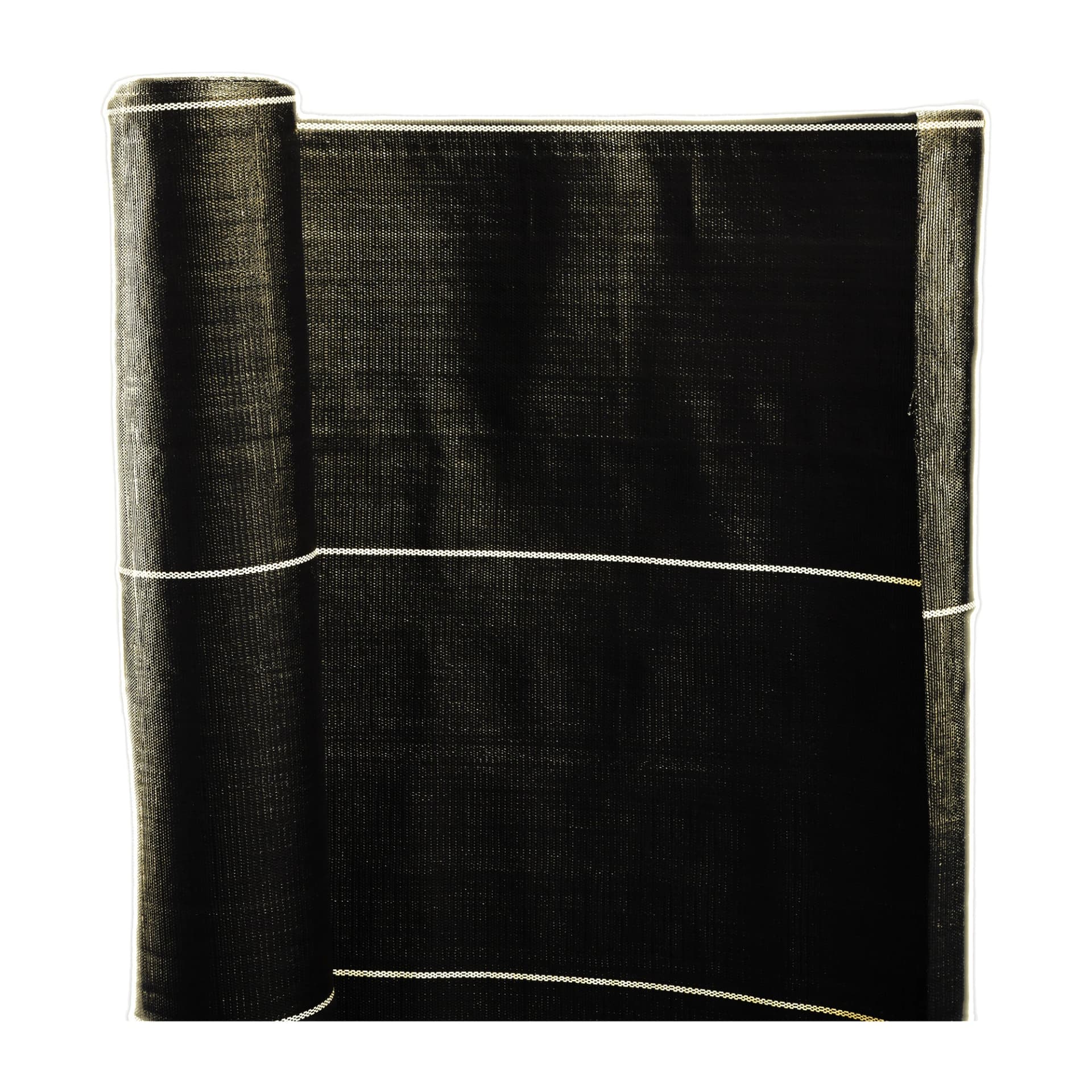
SHIELD is our 3.2 oz woven polypropylene weed barrier for beds, gardens, farms, and mulch. It lets water and air reach the soil and is built to sit under mulch, soil, or straw.
DOTDAY doesn't sell frost cloth. Buy it from a garden center, and use SHIELD as the ground layer that works under it. Our landscape fabric thickness chart explains how fabric weights match jobs.
Wrapping up
Frost cloth goes over plants; landscape fabric goes on the ground. At DOTDAY, we'd rather you use each for the job it's built for.
SHIELD is the fabric for permanent beds
DOTDAY SHIELD is a 3.2 oz woven polypropylene weed barrier for beds, rows, borders, and shrub strips. Check live sizes on the product page.
Shop SHIELDThree fabrics. One simple rule.
Use the right fabric for the right ground condition.
SHIELD
Woven polypropylene weed barrier built to suppress weeds while letting water and air through.
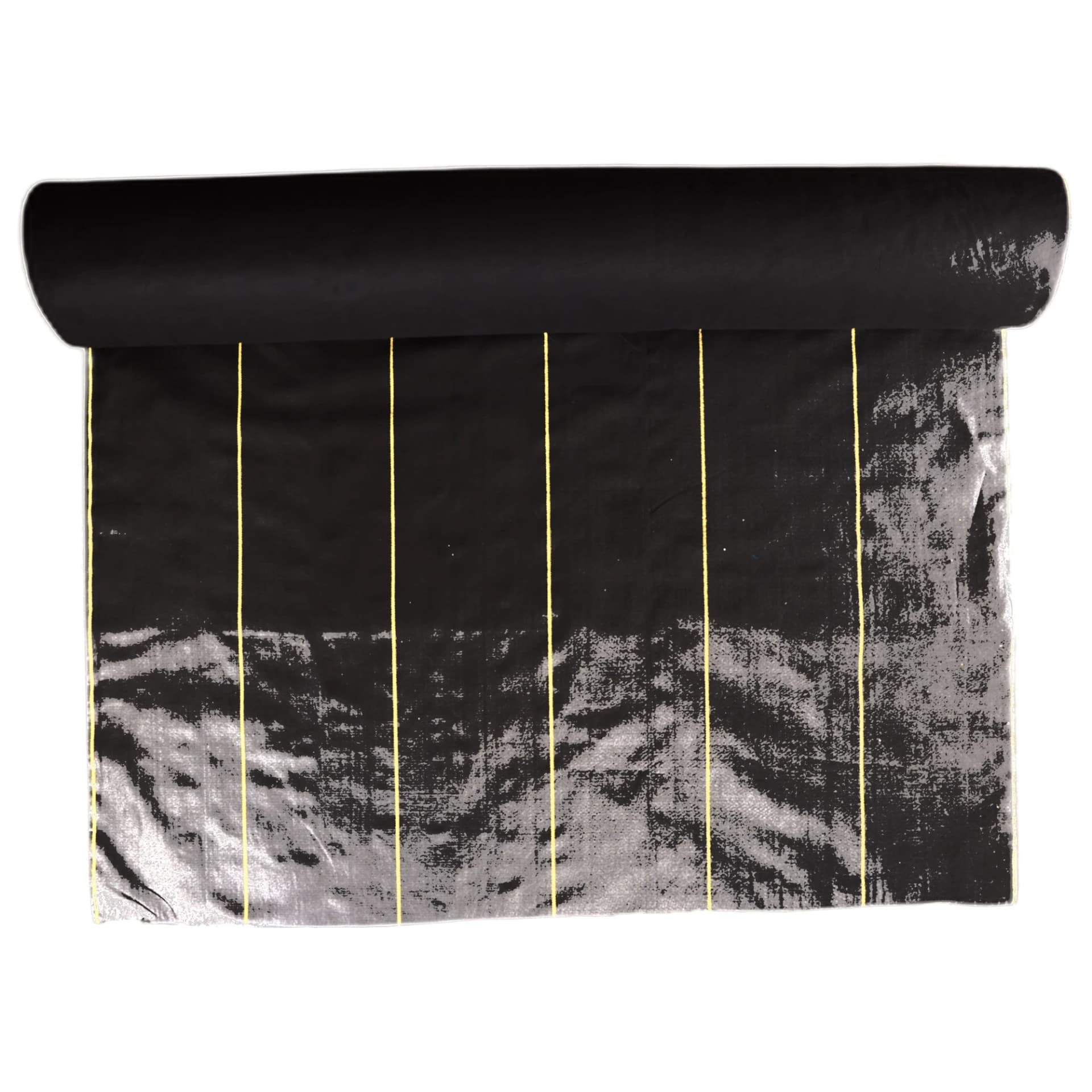
XBAR
Heavy-duty woven hybrid engineered for load and separation under hard surfaces.
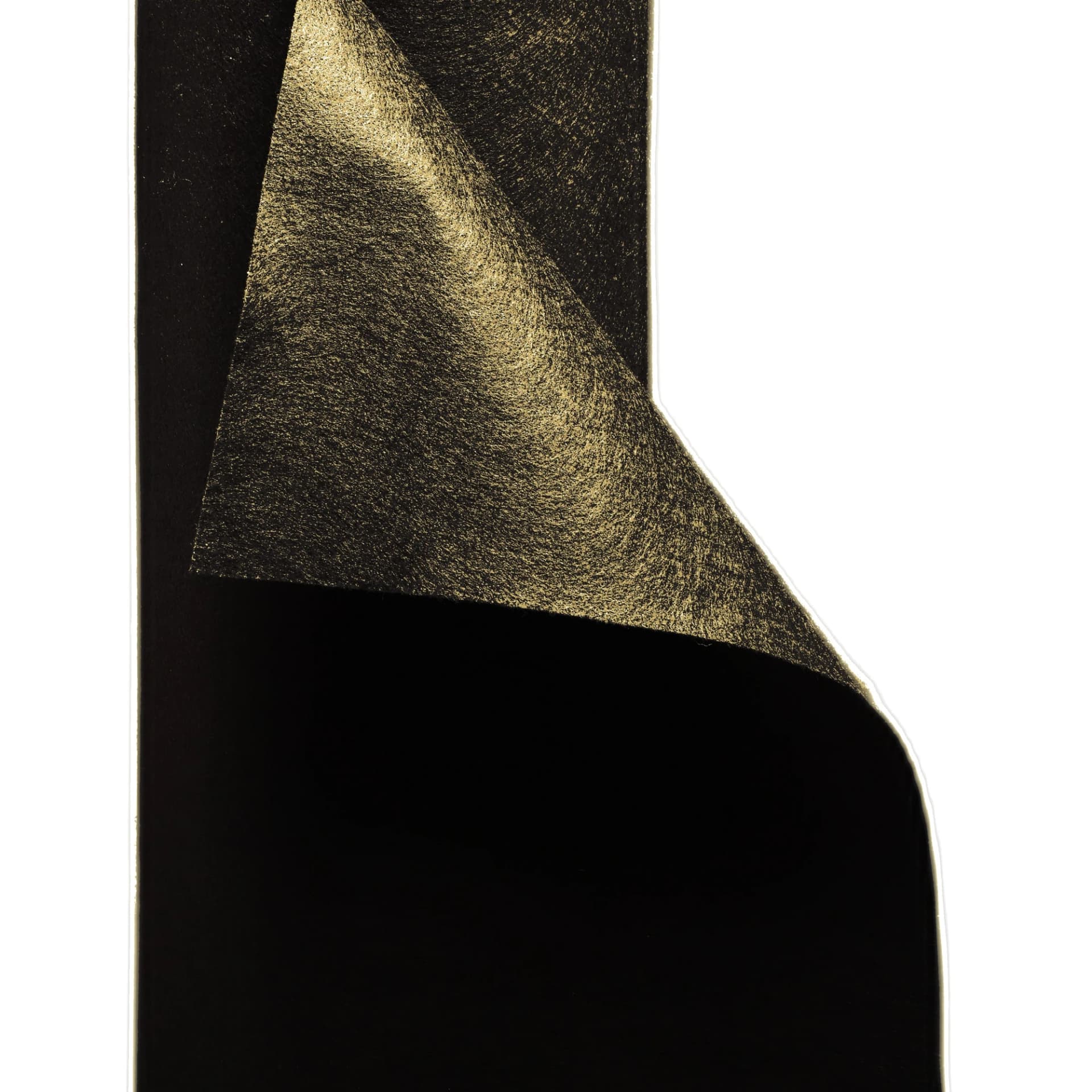
TERRA
Non-woven geotextile designed for drainage, filtration, and soil separation.