Most callbacks on fabric jobs start the same way: the right fabric went in the wrong place. Woven cloth ended up wrapped around drain stone, or a felt filter ended up as the only layer under a driveway. There are three main types of geotextile fabric you will meet on residential jobs: woven, non-woven and dual-layer. Each one is built for a different job.
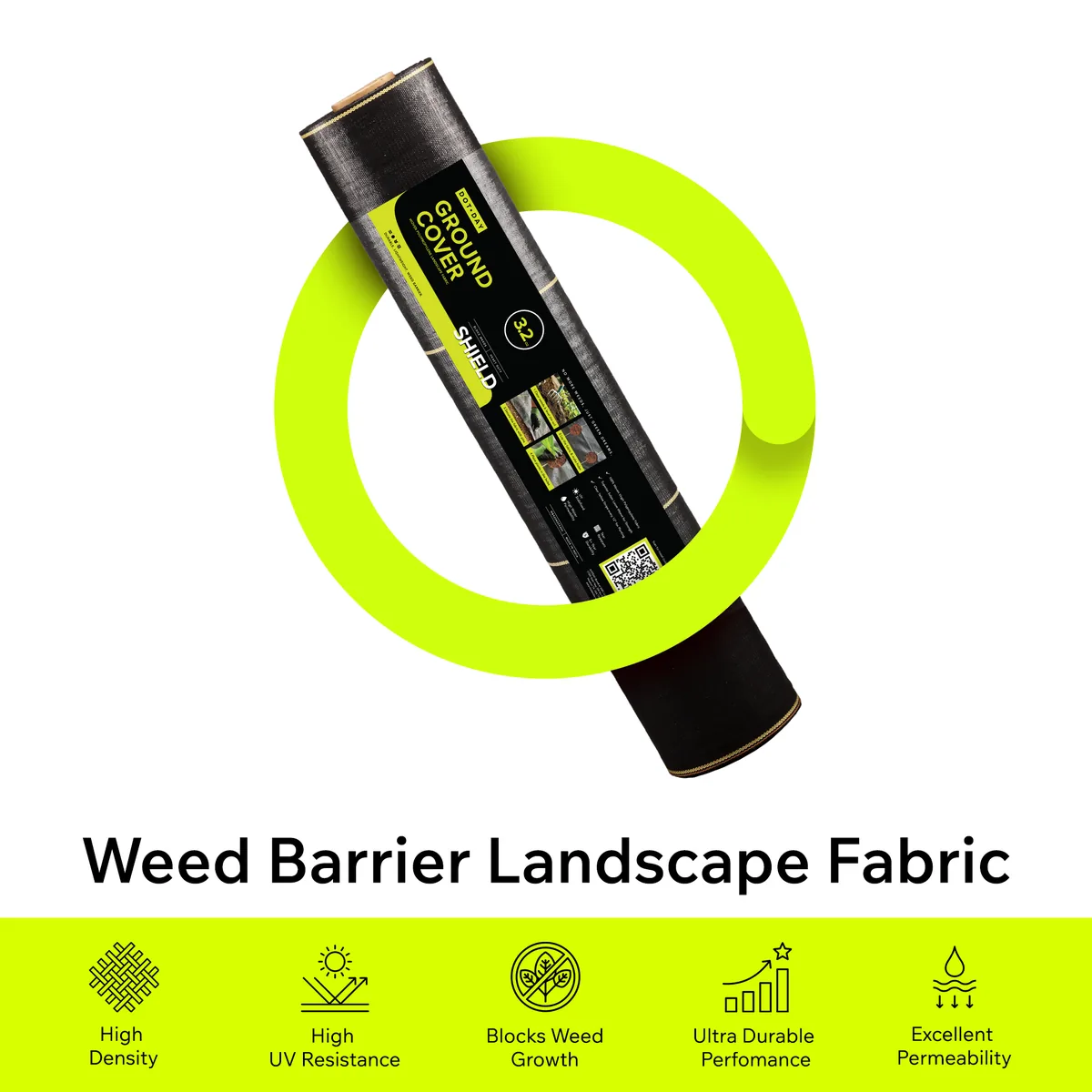
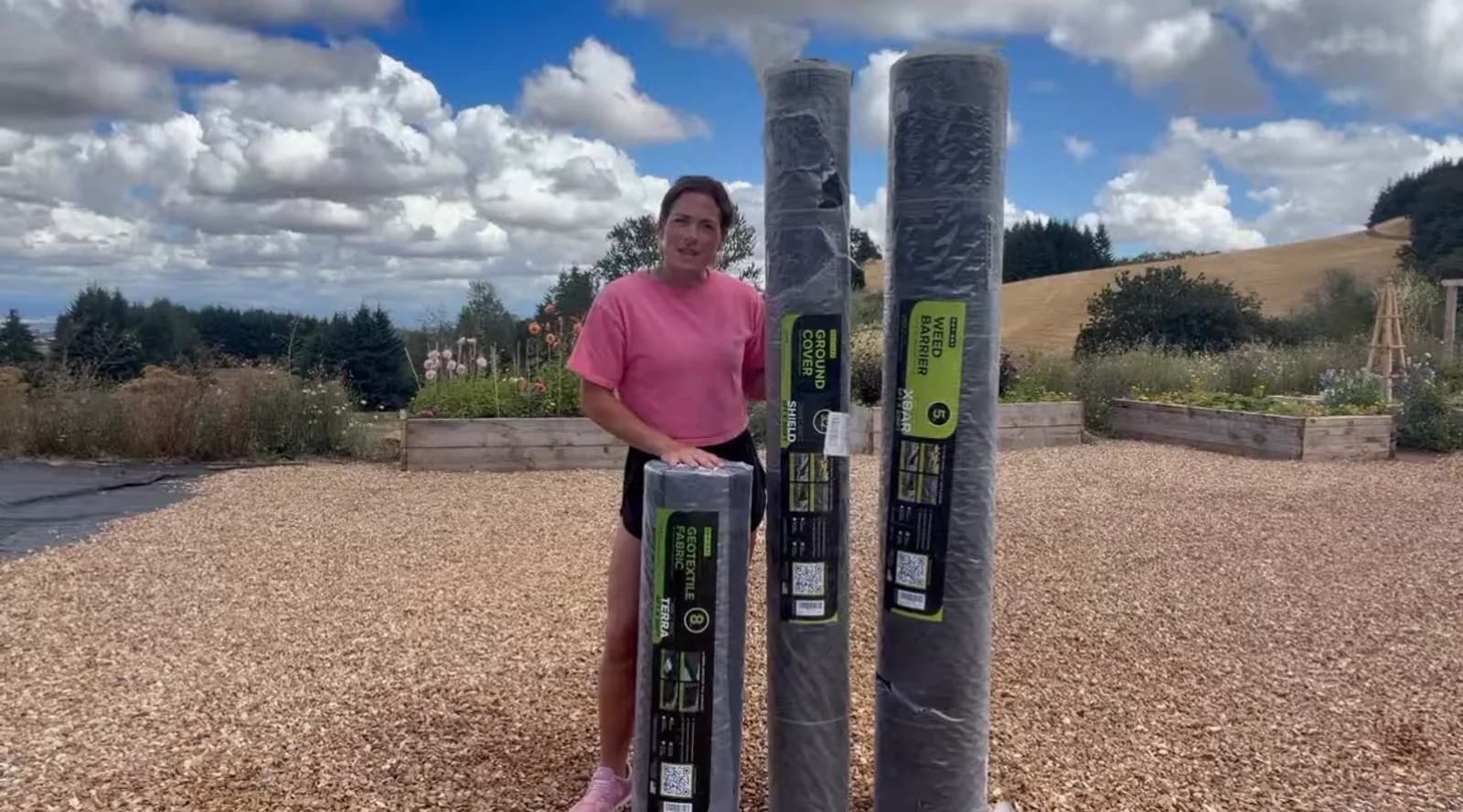
At DOTDAY we make one of each: SHIELD (woven), TERRA (non-woven, in 4, 6 and 8 oz) and XBAR (dual-layer). Every number below comes from our lab data sheets.
Types of geotextile fabric at a glance
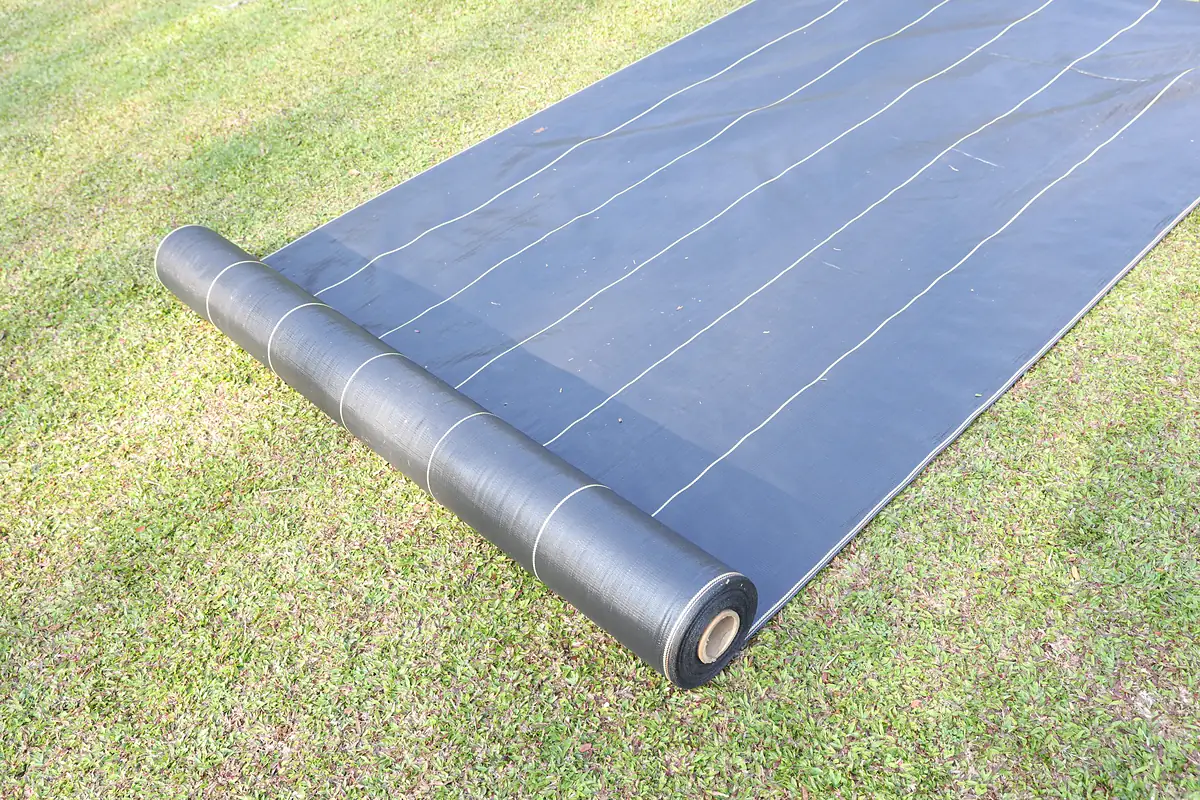
Woven fabric is made from flat polypropylene tapes crossed over and under each other, like a tight basket. It has high strength along the roll and blocks light well. Water passes through the small gaps between tapes, but slowly compared with felt.
Non-woven fabric is made from fibers that are needle-punched into a felt. Water moves through it in every direction, and the fine, even openings hold soil back. That makes it the filter and separation layer of the group.
Dual-layer fabric bonds the two together: a woven face on top of a needle-punched backing. The goal is a sheet that blocks weeds like woven cloth while adding the bulk and puncture resistance that sharp stone calls for.
If you want the deeper basics on the first two, our woven vs non-woven guide covers them in plain terms.
SHIELD, XBAR and TERRA compared (TDS values)
All values below are typical results from the DOTDAY technical data sheets (Rev 1.0, September 2026), measured with the ASTM methods listed. Weights are 3.2, 5.0, 4.0, 6.0 and 8.0 oz/yd² (ASTM D5261). A dash means the property is not reported on that sheet. TERRA sheets note a tolerance of about 15%.
Strength (grab tensile ASTM D4632, trapezoid tear ASTM D4533, CBR puncture ASTM D6241):
| Fabric | Grab tensile MD/CD | Tear MD/CD | CBR puncture |
|---|---|---|---|
| SHIELD 3.2 oz, woven | 180 / 105 lb | 82 / 75 lb | - |
| XBAR 5 oz, dual-layer | 96 / 68 lb | - | 332 lb |
| TERRA 4 oz, non-woven | 100 / 100 lb | 45 / 45 lb | 300 lb |
| TERRA 6 oz, non-woven | 160 / 160 lb | 60 / 60 lb | 400 lb |
| TERRA 8 oz, non-woven | 205 / 205 lb | 85 / 85 lb | 500 lb |
Water and sun (AOS ASTM D4751, water flow ASTM D4491, UV ASTM G154 at 500 hours):
| Fabric | AOS | Water flow | UV strength retained |
|---|---|---|---|
| SHIELD 3.2 oz | - | - | 70% |
| XBAR 5 oz | - | 10.5 gal/min/ft² | 70% |
| TERRA 4 oz | 0.20 mm | 4,800 l/min/m² | - |
| TERRA 6 oz | 0.20 mm | 4,000 l/min/m² | - |
| TERRA 8 oz | 0.16 mm | 3,300 l/min/m² | - |
The full sheets are on our technical data sheets page.
SHIELD has the highest grab strength along the roll for its weight, which suits a sheet that gets stretched and pinned over beds. TERRA gains puncture resistance as weight goes up, while its AOS tightens at 8 oz and flow drops. XBAR reports the puncture number that matters under gravel and the water flow you need so rain does not pond on top.
For an outside view, InspectAPedia keeps a useful geotextile properties table that compares fabric types and common uses across the industry.
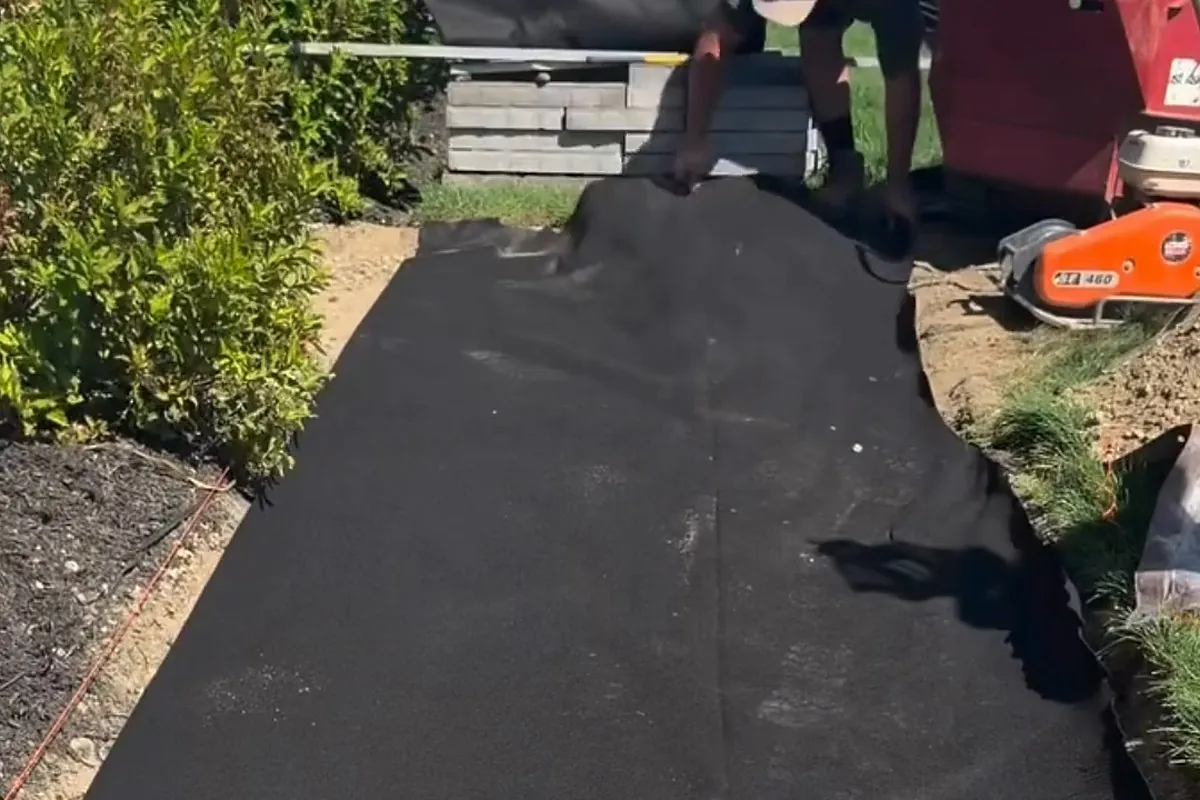
Matching the fabric to the job
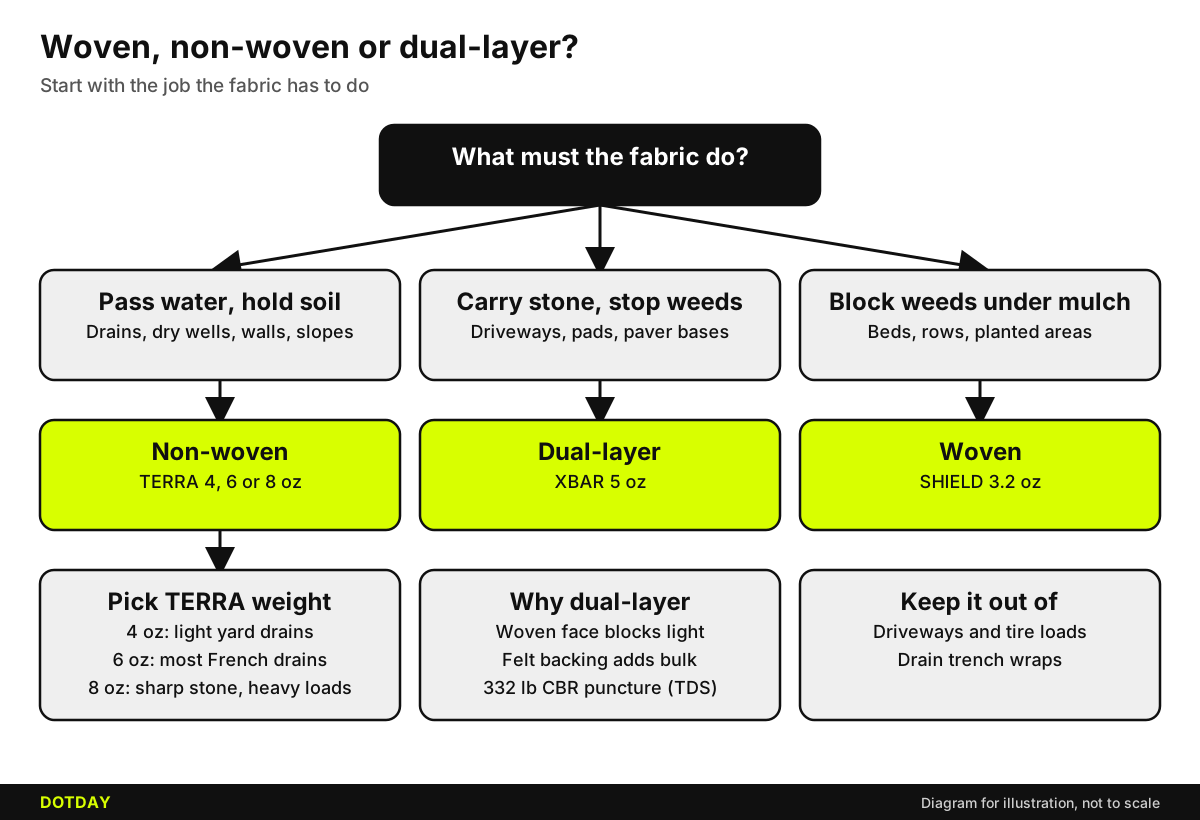
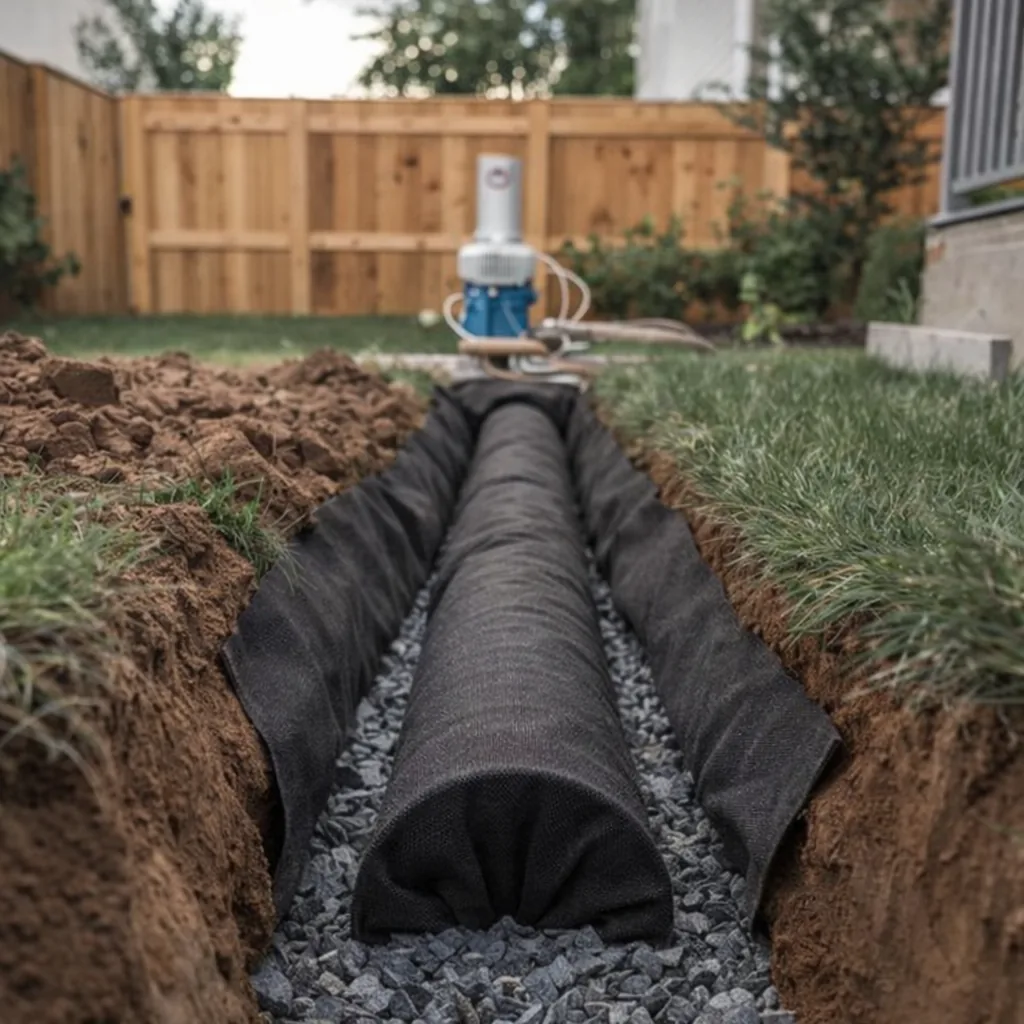
### Drains, wall backfill and erosion: non-woven
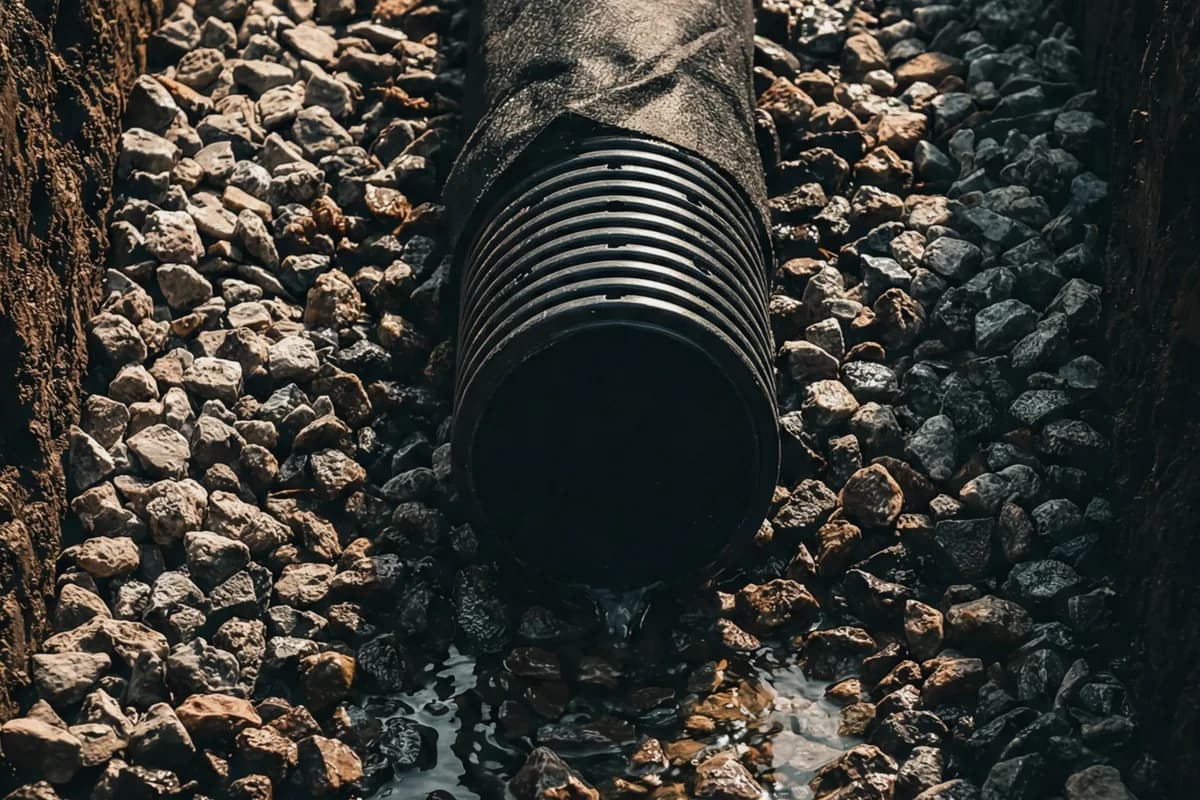
Anywhere water has to pass while soil stays put, use non-woven. That covers French drains, dry wells, retaining wall backfill and slopes under riprap. Woven tapes can blind with silt in fine soils, while felt filters through its full thickness.
Pick the weight by stone and load. TERRA 4 oz suits light yard drains in soft soil. TERRA 6 oz is our usual choice for residential French drains. TERRA 8 oz fits sharp angular stone, deeper trenches and heavier compaction. Our French drain fabric page walks through trench wrap layout, and retaining wall fabric covers walls. For the head-to-head on weights, see our geotextile fabric page and the fabric thickness chart.
### Gravel driveways, pads and paths: dual-layer
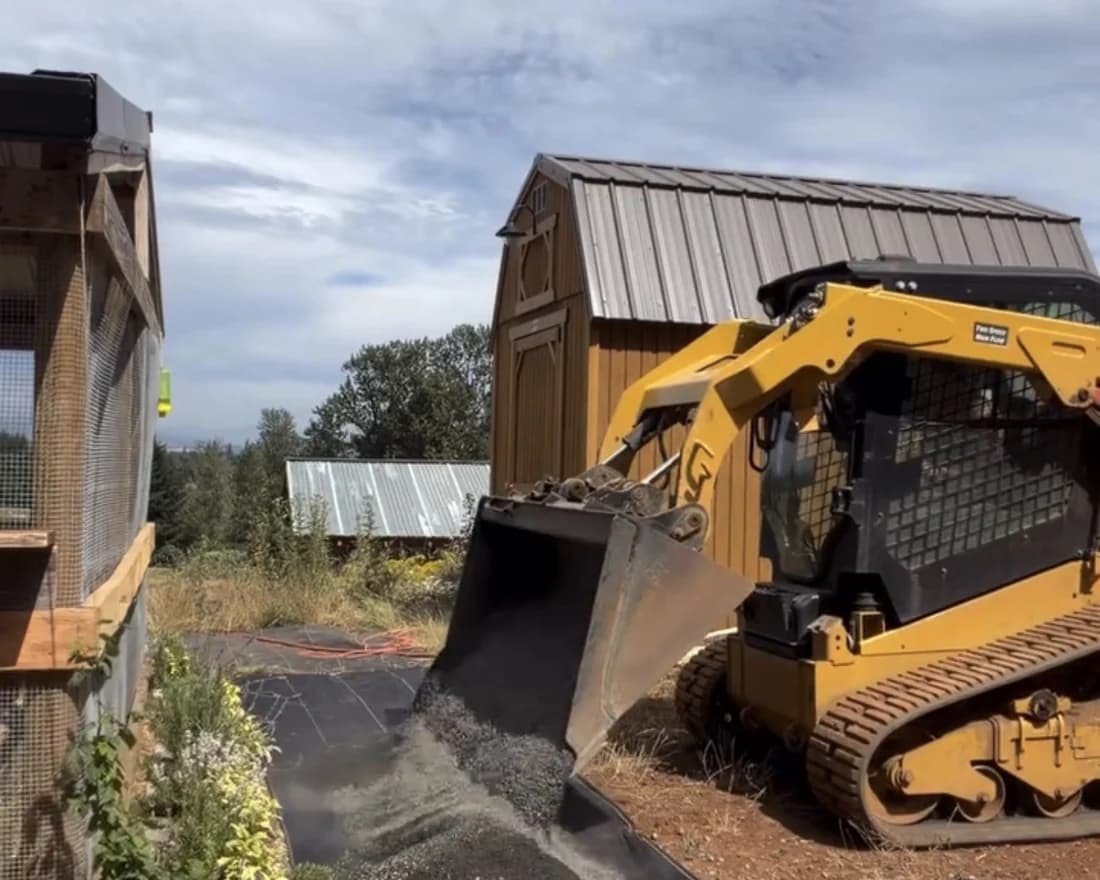
Under vehicle gravel the fabric needs to separate stone from soil, resist punching from angular rock and still keep weeds down. That is the job XBAR was designed for: the woven face handles weeds and the felt backing adds bulk under stone. See our driveway fabric page for base layout and real builds.
On very soft or wet subgrades, some crews add a non-woven separation layer under the base as well. That is a site call, and an engineer should size anything that works like a road section.
### Mulched beds and rows: woven
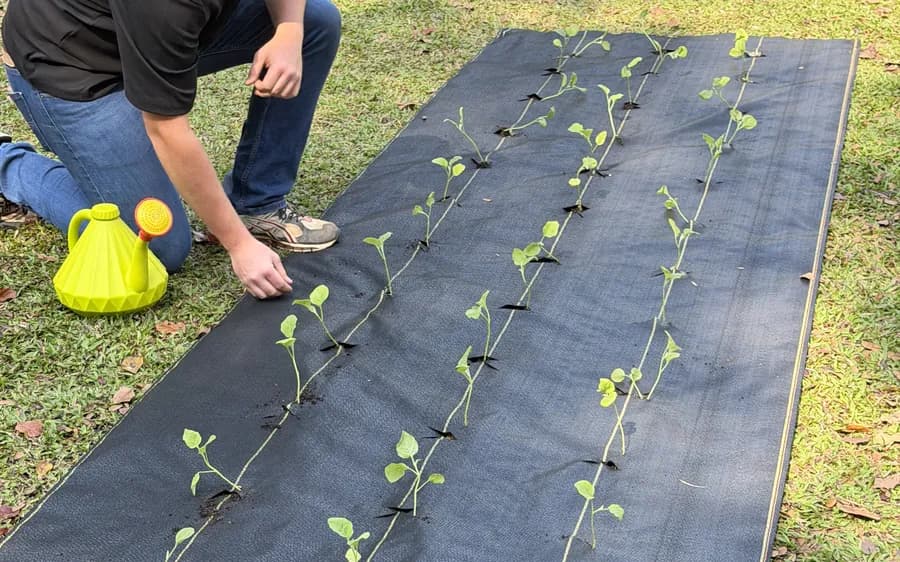
Under bark, mulch or decorative rock in planting beds, a woven weed barrier like SHIELD does the work. It blocks light, lets rain through to the roots and takes pins without tearing. It is not built for tire loads, so keep it out of driveways.
Quick job finder
- French drain or dry well: TERRA 6 oz (8 oz with sharp stone)
- Retaining wall backfill: TERRA 6 or 8 oz
- Gravel driveway or shop pad: XBAR 5 oz
- Paver patio or walkway base: XBAR 5 oz under the base (TERRA where wet, fine soil needs filtration), see our pavers guide
- Mulched beds and garden rows: SHIELD 3.2 oz
Still unsure? The Fabric Finder asks a few questions and points you to a product. Then size the roll, including overlap, with the Fabric Calculator.
Comparing other brands
Some list typical values and others list minimum average roll values, and some leave out the ASTM method. Before you compare two fabrics, check that the numbers use the same ASTM method and the same value type.
How much geotextile does your job need?
Use the DOTDAY Fabric Calculator to handle the overlap and roll math for your trench or wall.
What we recommend
Choose by job, not by weight alone. Non-woven TERRA for drains, walls and erosion. Dual-layer XBAR for gravel driveways and pads. Woven SHIELD for mulched beds. Contractors buying for several jobs can request bulk pricing.
Wrapping up
The types of geotextile fabric differ in how they handle water, load and light, so the job decides the fabric. At DOTDAY we keep it simple: TERRA filters, XBAR carries gravel, SHIELD covers beds. Use the Fabric Finder or the Fabric Calculator to plan your order.
TERRA nonwoven geotextile for drainage and separation
Needle-punched nonwoven geotextile for French drains, walls, and base separation. Check the product page for the sizes in stock today.
Shop TERRAThree fabrics. One simple rule.
Use the right fabric for the right ground condition.
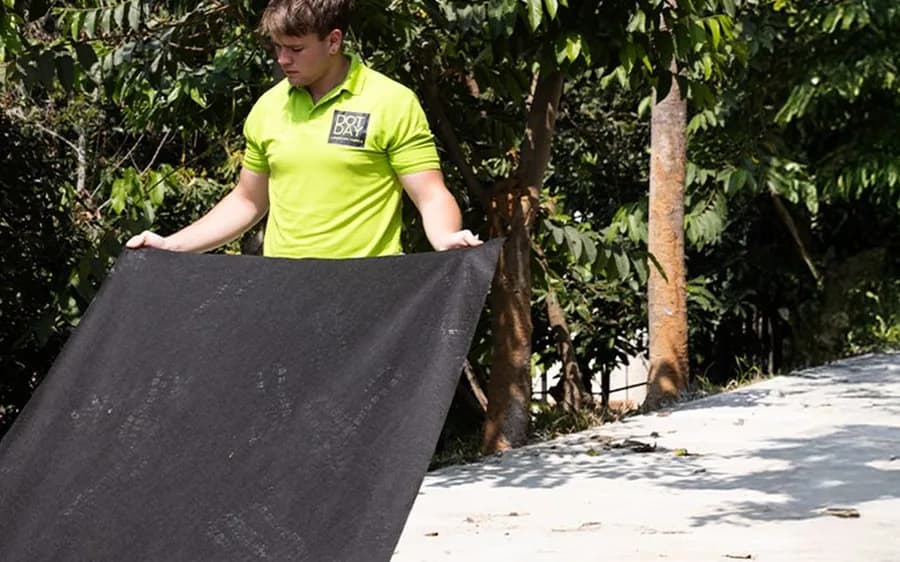
TERRA
Non-woven geotextile designed for drainage, filtration, and soil separation.
SHIELD
Woven polypropylene weed barrier built to suppress weeds while letting water and air through.
XBAR
Heavy-duty woven hybrid engineered for load and separation under hard surfaces.