
"A yard of fabric" sounds like a fixed amount, but it isn't. How big is a yard of fabric? Ask what size is a yard of fabric and the honest answer is: 36 inches long, and as wide as the bolt or roll it came from. That's why two yards of fabric from two different rolls can cover very different areas.
This DOTDAY guide explains linear yards, square yards, the conversions you'll use most, and how landscape fabric is measured so you can work out how much to buy.
How big is a yard of fabric? 36 inches long
When fabric is sold "by the yard," you're buying a length: 1 yard = 3 feet = 36 inches. The width is whatever the bolt or roll width is.
- Apparel and quilting fabric usually comes on bolts of a standard width, so a yard is 36 inches by that width.
- Landscape fabric comes on rolls in several widths, and it's usually sold by the roll, described by width and length in feet.
Linear yard vs square yard
These two terms cause most of the confusion.
- Linear yard: 36 inches of length, at whatever width the fabric is.
- Square yard: an area 3 feet by 3 feet, which is 9 square feet.
A linear yard only equals a square yard when the fabric happens to be 36 inches wide. Wider fabric gives you more than a square yard per linear yard; narrower fabric gives you less.
Example: a linear yard of 60-inch-wide fabric is 36 × 60 = 2,160 square inches. Divide by 144 to get 15 square feet, or 15 ÷ 9 = 1.67 square yards.
Conversions you'll use
| From | To | Multiply by |
|---|---|---|
| Yards | Feet | 3 |
| Yards | Inches | 36 |
| Yards | Meters | 0.9144 |
| Meters | Yards | 1.0936 |
| Square yards | Square feet | 9 |
| Square feet | Square yards | Divide by 9 |
How many meters is a yard of fabric? 0.9144 meters, by definition.
How many square feet in a yard of fabric? It depends on the width. Multiply the width in feet by 3. A 36-inch-wide yard is 9 square feet; a 60-inch-wide yard is 15 square feet.
How landscape fabric is sold
Landscape fabric is usually described in two ways:
- Roll size: width by length, in feet. For example, a roll 3 feet wide and 100 feet long.
- Weight: ounces per square yard. This is where square yards show up in landscape fabric.
The weight figure is based on a square yard of fabric. A 3.2 oz fabric weighs about 3.2 ounces per square yard, and a 5 oz fabric about 5 ounces per square yard. Our landscape fabric thickness chart explains how weights match jobs, and the geotextile fabric weight guide does the same for non-woven rolls.
Converting a roll to square feet and square yards
The math is the same for any roll.
- Square feet = width in feet × length in feet.
- Square yards = square feet ÷ 9.
- Linear yards = length in feet ÷ 3.
Example: a 3 ft by 100 ft roll
- Square feet: 3 × 100 = 300
- Square yards: 300 ÷ 9 = 33.3
- Linear yards: 100 ÷ 3 = 33.3 (at 3 ft wide, linear and square yards match)
Example: a 6 ft by 200 ft roll
- Square feet: 6 × 200 = 1,200
- Square yards: 1,200 ÷ 9 = 133.3
- Linear yards: 200 ÷ 3 = 66.7
Roll size cheat sheet (example sizes for the math)
| Roll (width x length) | Square feet | Square yards | Linear yards |
|---|---|---|---|
| 3 ft x 100 ft | 300 | 33.3 | 33.3 |
| 4 ft x 250 ft | 1,000 | 111.1 | 83.3 |
| 6 ft x 100 ft | 600 | 66.7 | 33.3 |
| 6 ft x 200 ft | 1,200 | 133.3 | 66.7 |
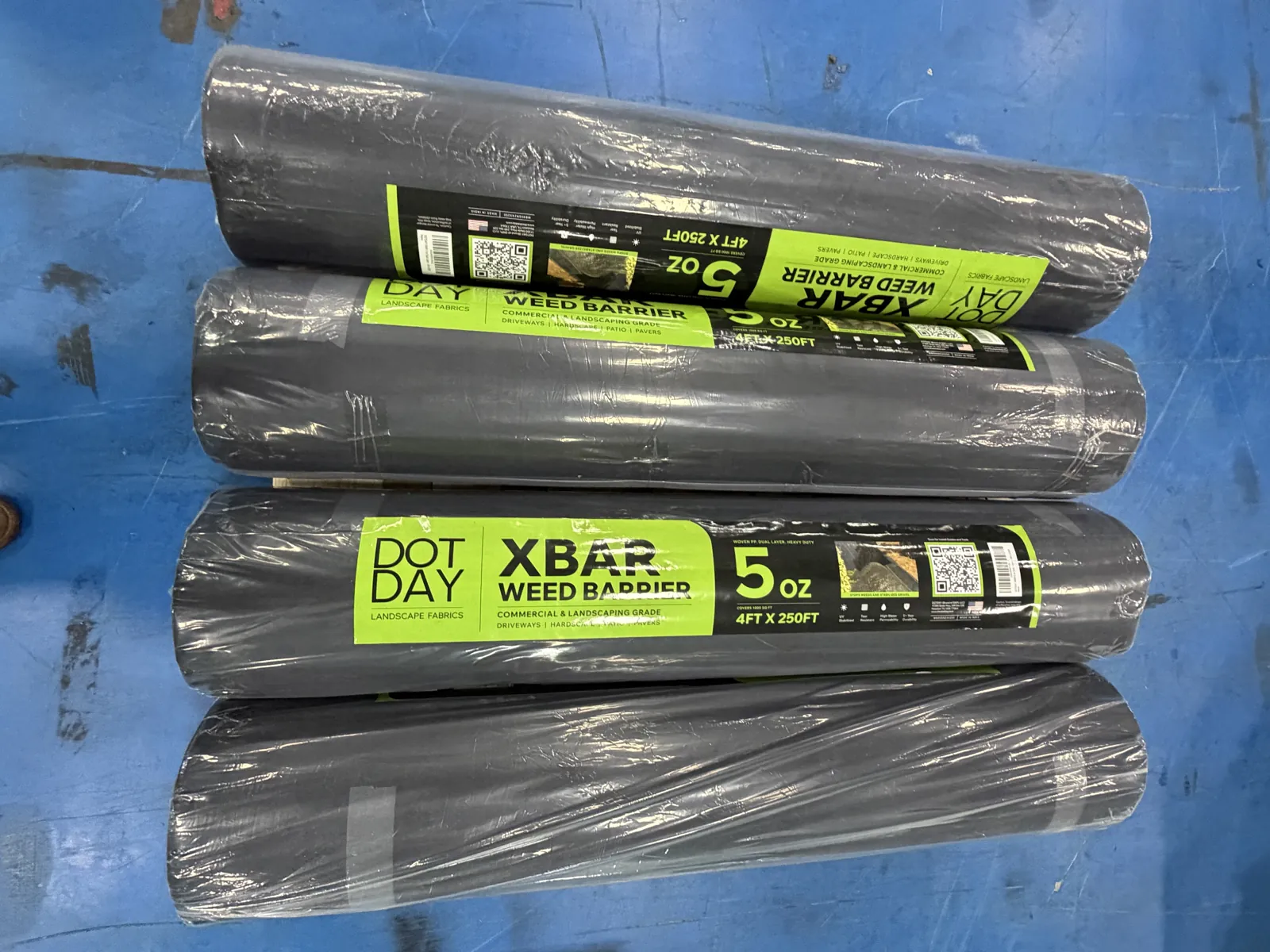
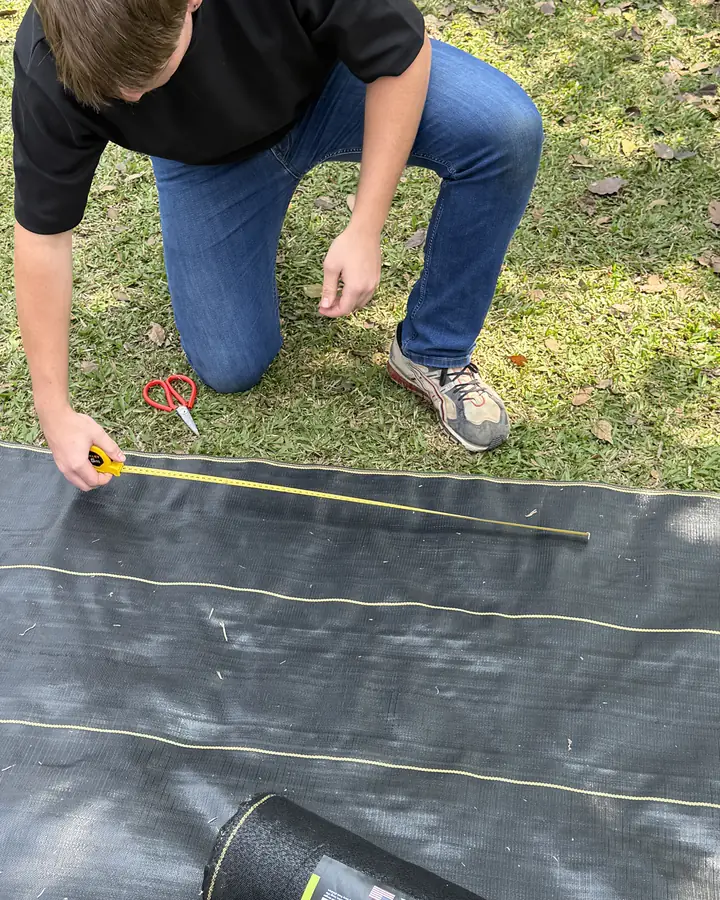
Rolls are labeled width by length in feet, just like the XBAR 5 oz rolls in the photo above. These are example sizes for the math. Check each product page for the roll sizes currently offered.
How much landscape fabric do you need?
Roll area is only half the question. The other half is the area you're covering, plus overlap.
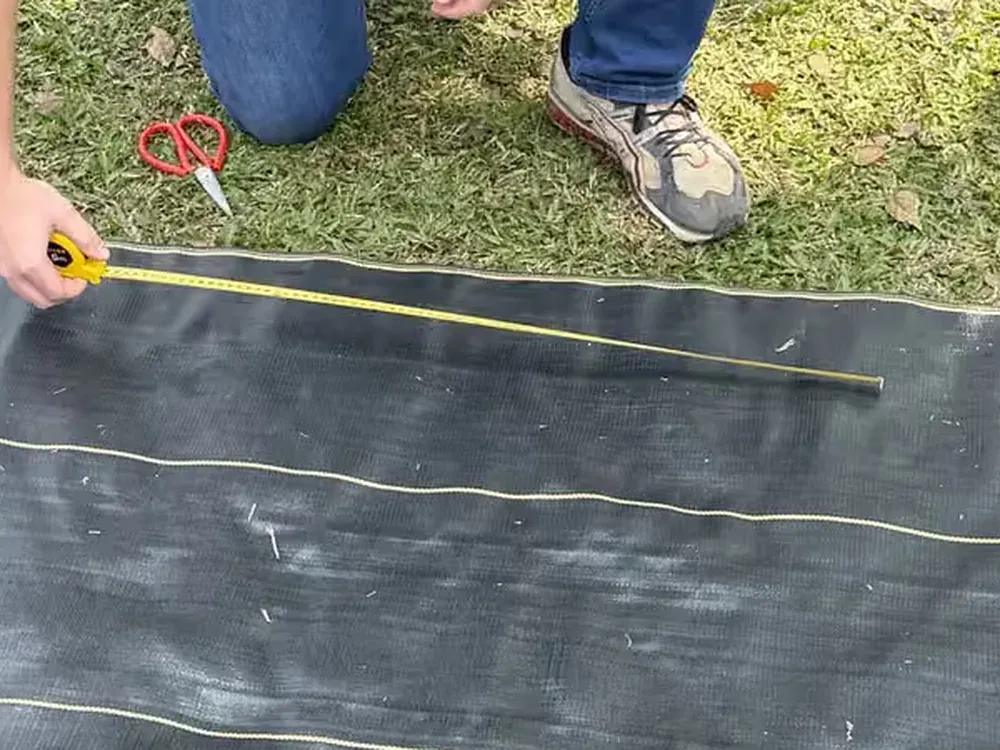
- Measure the area in feet.
- Add extra at edges you'll tuck or bury.
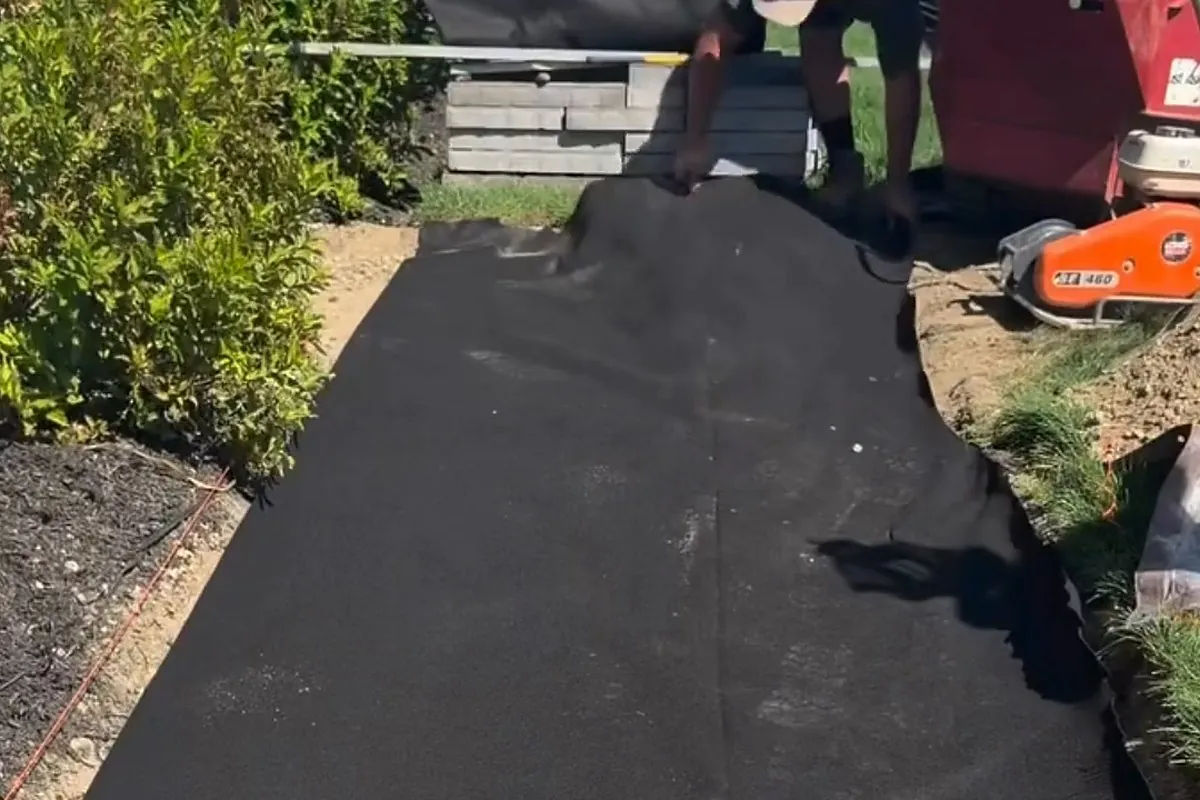
- Add overlap at seams. Overlap adjoining sheets by at least 6 inches so weeds can't find the seam.
- Match roll width to your layout so you have fewer seams.
Our guide on how much landscape fabric you need walks through it, and the Fabric Calculator does the math.
Quick reference
- 1 yard = 3 feet = 36 inches = 0.9144 meters
- 1 square yard = 9 square feet
- Square feet in a linear yard = width in feet × 3
- Roll square feet = width × length (feet)
- Roll square yards = roll square feet ÷ 9
How much fabric does your job need?
Use the DOTDAY Fabric Calculator to handle the overlap and roll math for your area.
What we recommend
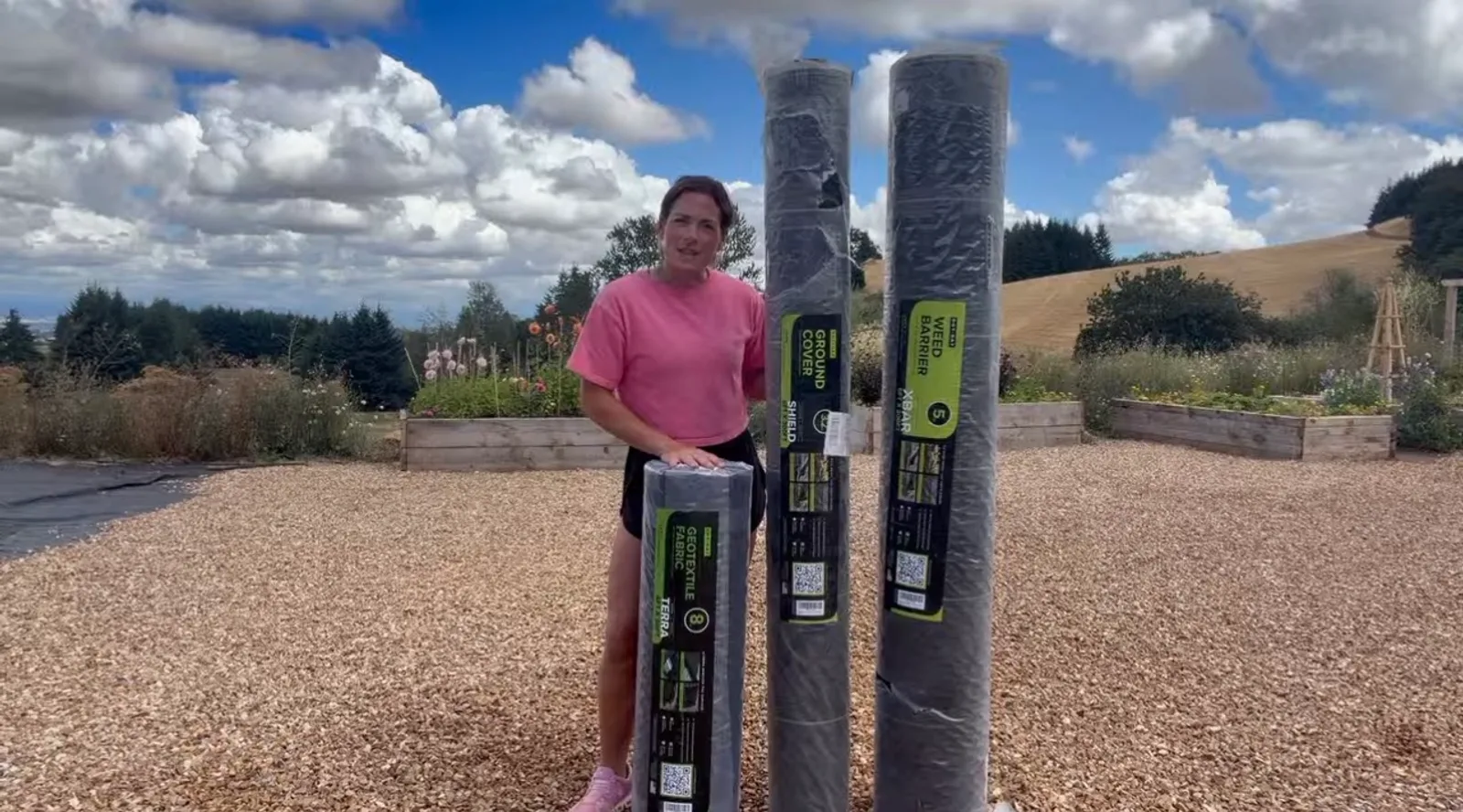
We match the fabric to the job, then size the roll to the area. For gravel, pavers, and driveways, that's XBAR. For beds, gardens, and mulch, SHIELD. For drainage and erosion work, TERRA. Browse them all in our landscape fabric collection, or see how the weed barrier options compare on our weed barrier fabric page.
- XBAR: 5 oz dual-layer fabric, a woven top bonded to a needle-punched non-woven backing, for gravel, pavers, and driveways.
- SHIELD: 3.2 oz woven polypropylene weed barrier for beds, gardens, farms, and mulch.
- TERRA: 4, 6, and 8 oz non-woven needle-punched geotextile for drainage, walls, and erosion work.
Common mistakes
- Assuming a yard is a square yard. It's only true at 36 inches wide.
- Forgetting overlap. Seams need extra fabric.
- Mixing units. Keep everything in feet until the last step.
- Comparing weights across different units. Ounces per square yard and grams per square meter aren't the same number.
Wrapping up
A yard of fabric is a length; square yards and square feet measure area. At DOTDAY, we size every job in square feet with overlap, then match the roll.
Not sure which DOTDAY fabric fits?
SHIELD for beds, XBAR under gravel, TERRA for drainage and separation. The Fabric Finder matches your job to the right roll.
Find Your FabricThree fabrics. One simple rule.
Use the right fabric for the right ground condition.
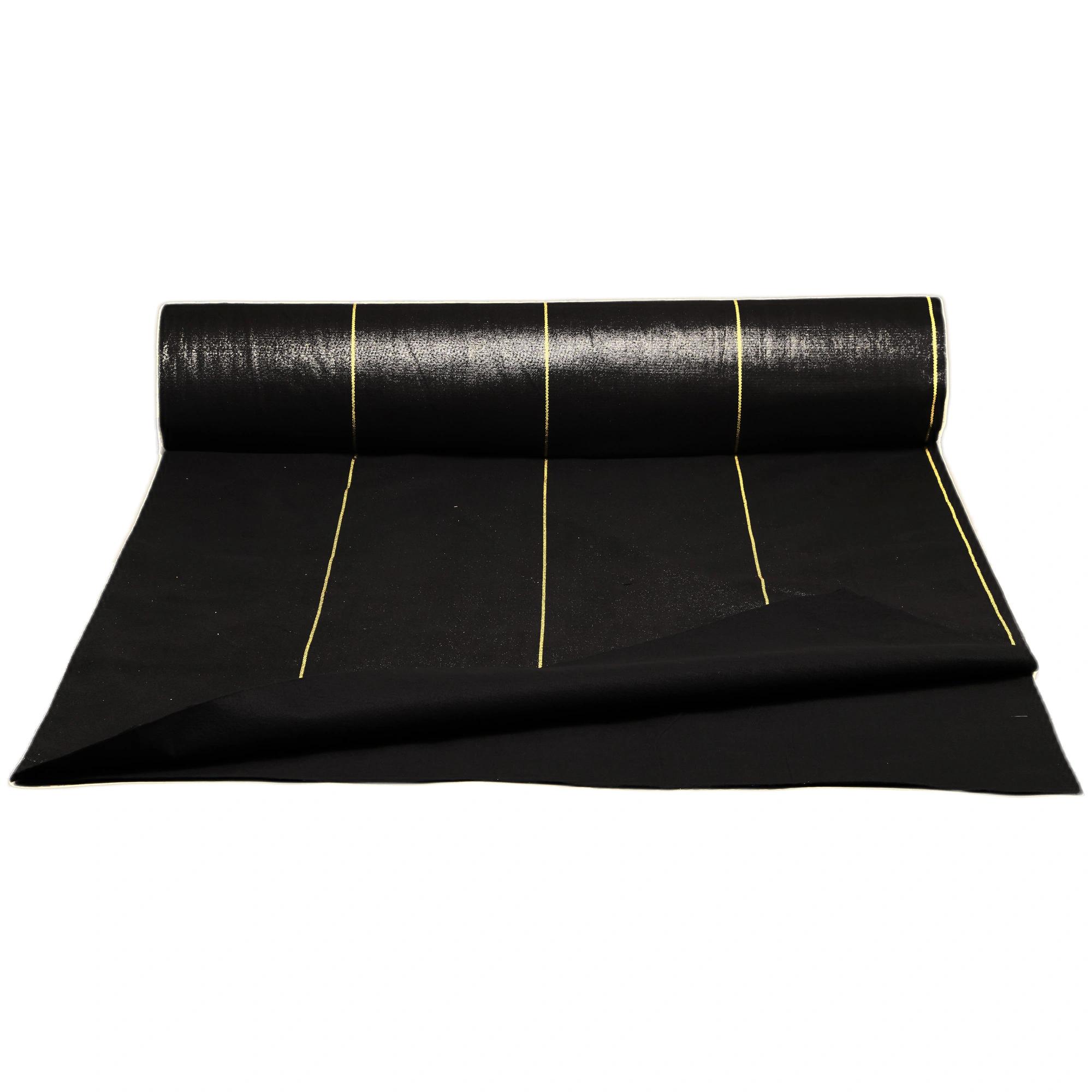
XBAR
Heavy-duty woven hybrid engineered for load and separation under hard surfaces.
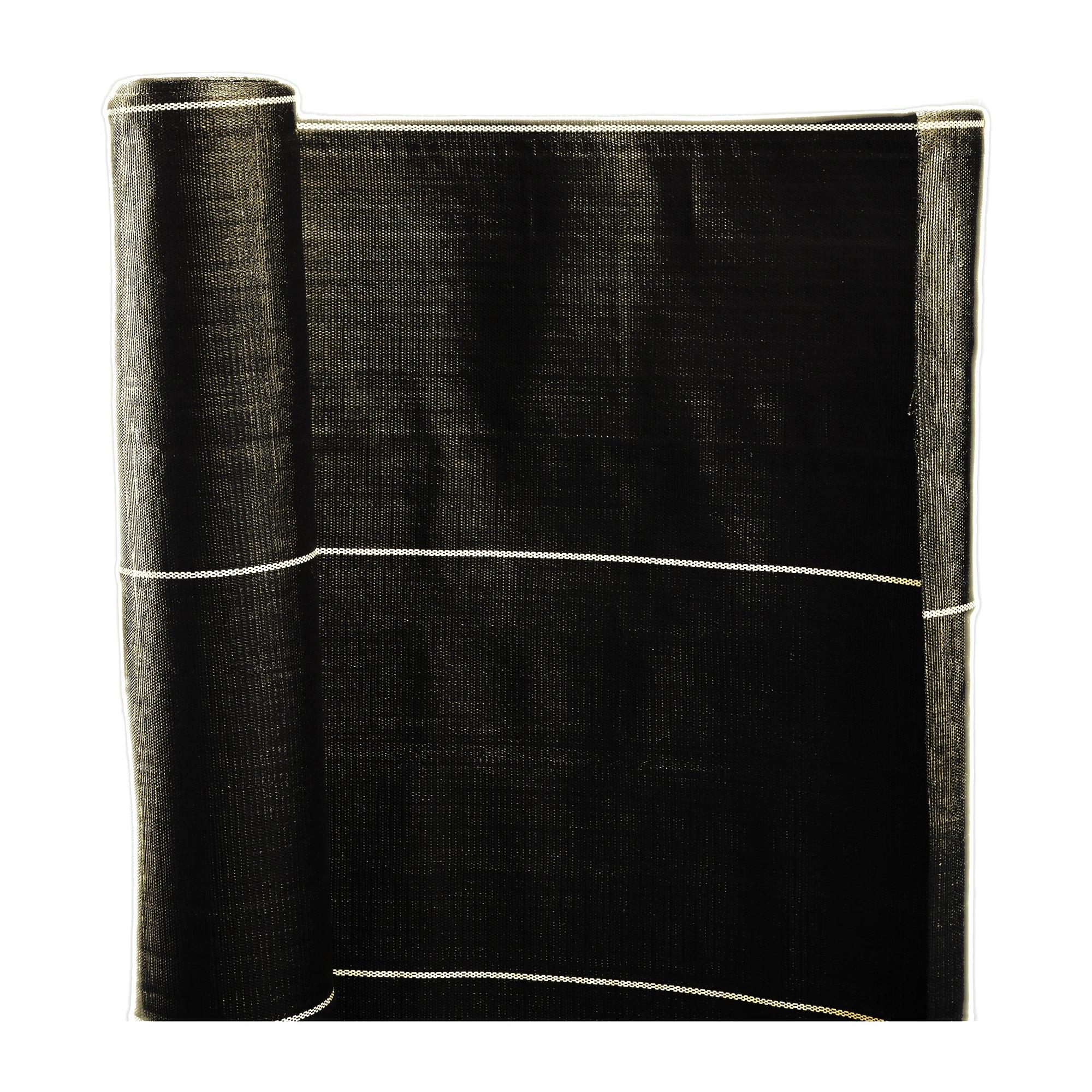
SHIELD
Woven polypropylene weed barrier built to suppress weeds while letting water and air through.
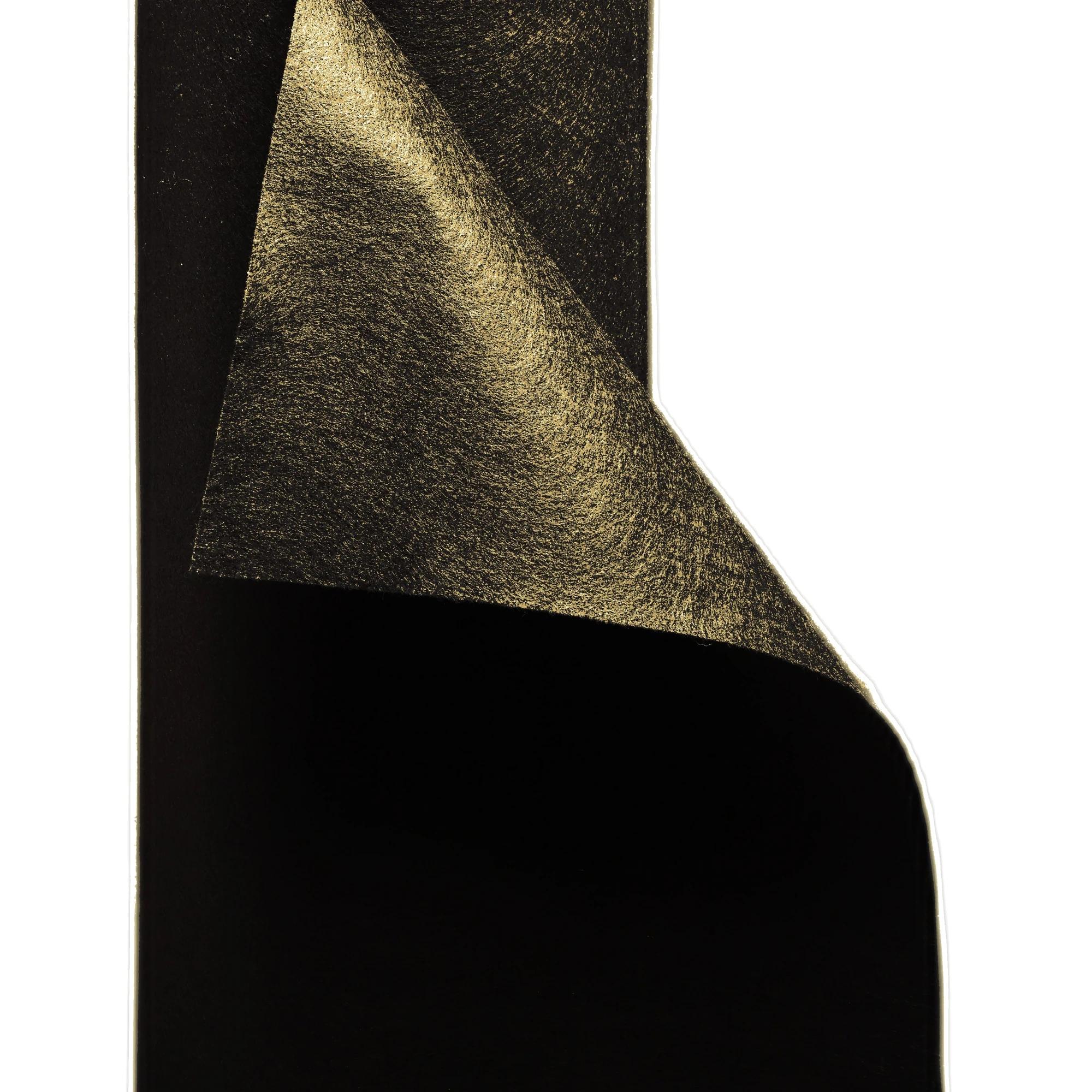
TERRA
Non-woven geotextile designed for drainage, filtration, and soil separation.