
Use the landscape fabric calculator, then confirm the formula
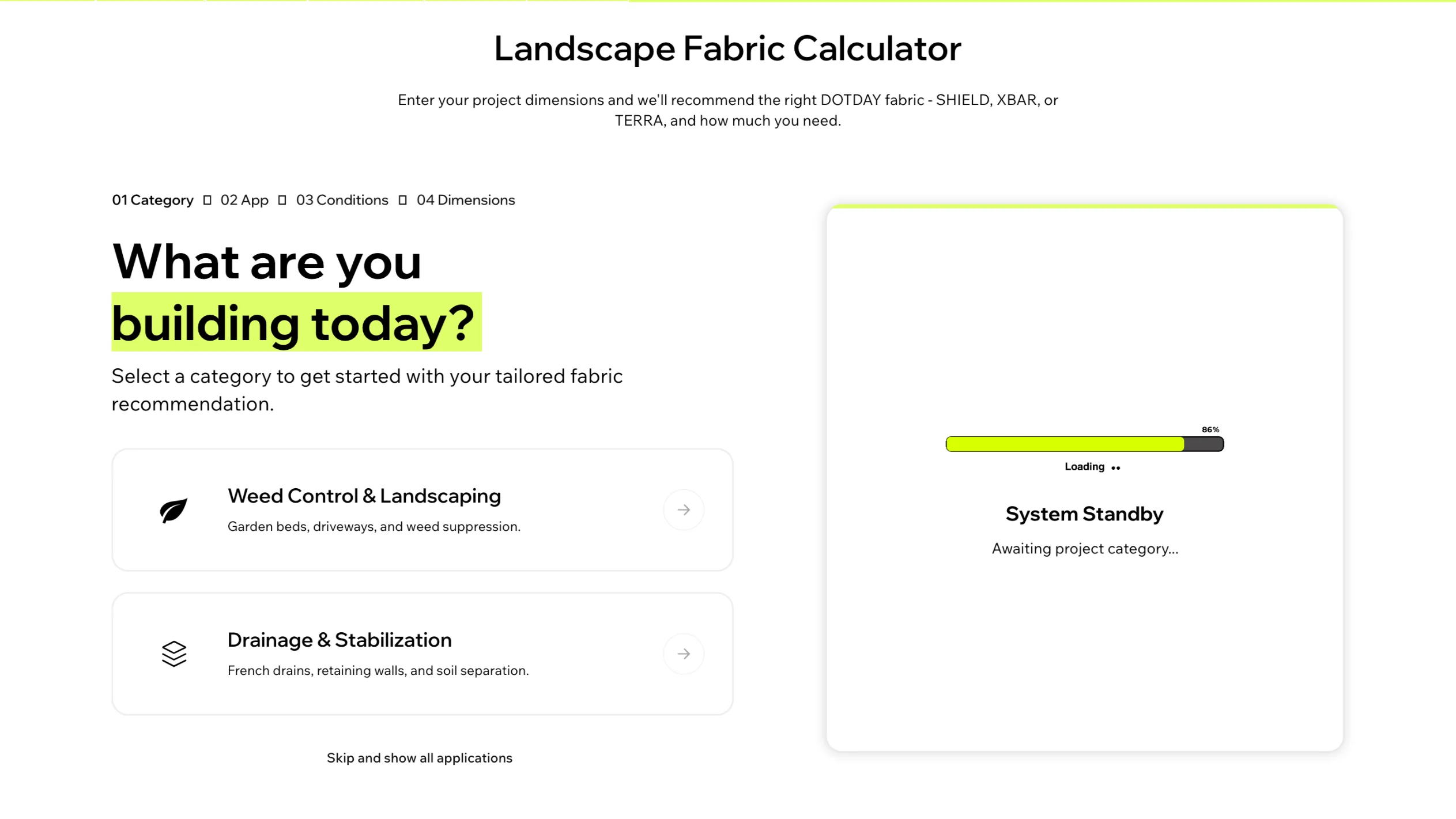
Just want the number? Use the calculator. This guide shows the math so you can check it. The fastest path to a roll count is the DOTDAY Landscape Fabric Calculator. The landscape fabric calculator formula is the same either way: length times width, plus a 10% overlap buffer (15% on L-shapes). The tool then maps the job to SHIELD, XBAR, or TERRA and the roll that fits. Free US shipping, no minimum.
How the DOTDAY calculator works: 4 steps to your spec
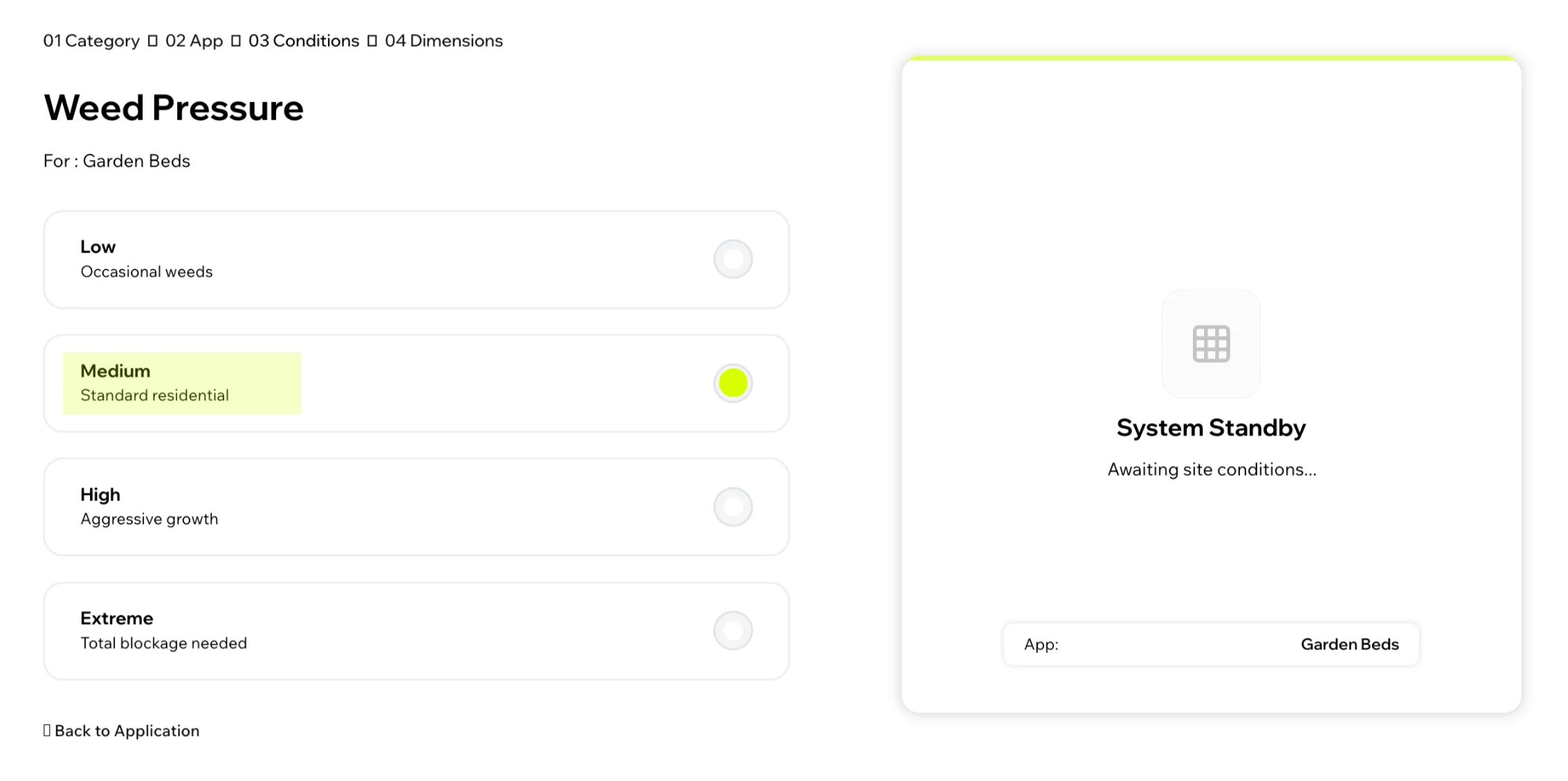
- 1Choose your categoryTell the calculator what you're building - weed control and landscaping, or drainage and stabilization.
- 2Select your applicationPick from garden beds, under decks, driveways, under gravel, heavy foot traffic, and more. Each maps to a different fabric spec.
- 3Set your site conditionsChoose your weed pressure: Low, Medium, High, or Extreme. Getting this wrong is the most common reason fabric fails ahead of schedule.
- 4Enter your dimensionsInput length and width. The tool computes total area and applies a 10% wastage buffer for the mandatory 6-inch overlaps and edge trimming. Use 15% for irregular or L-shaped areas.
Real-world calculation examples
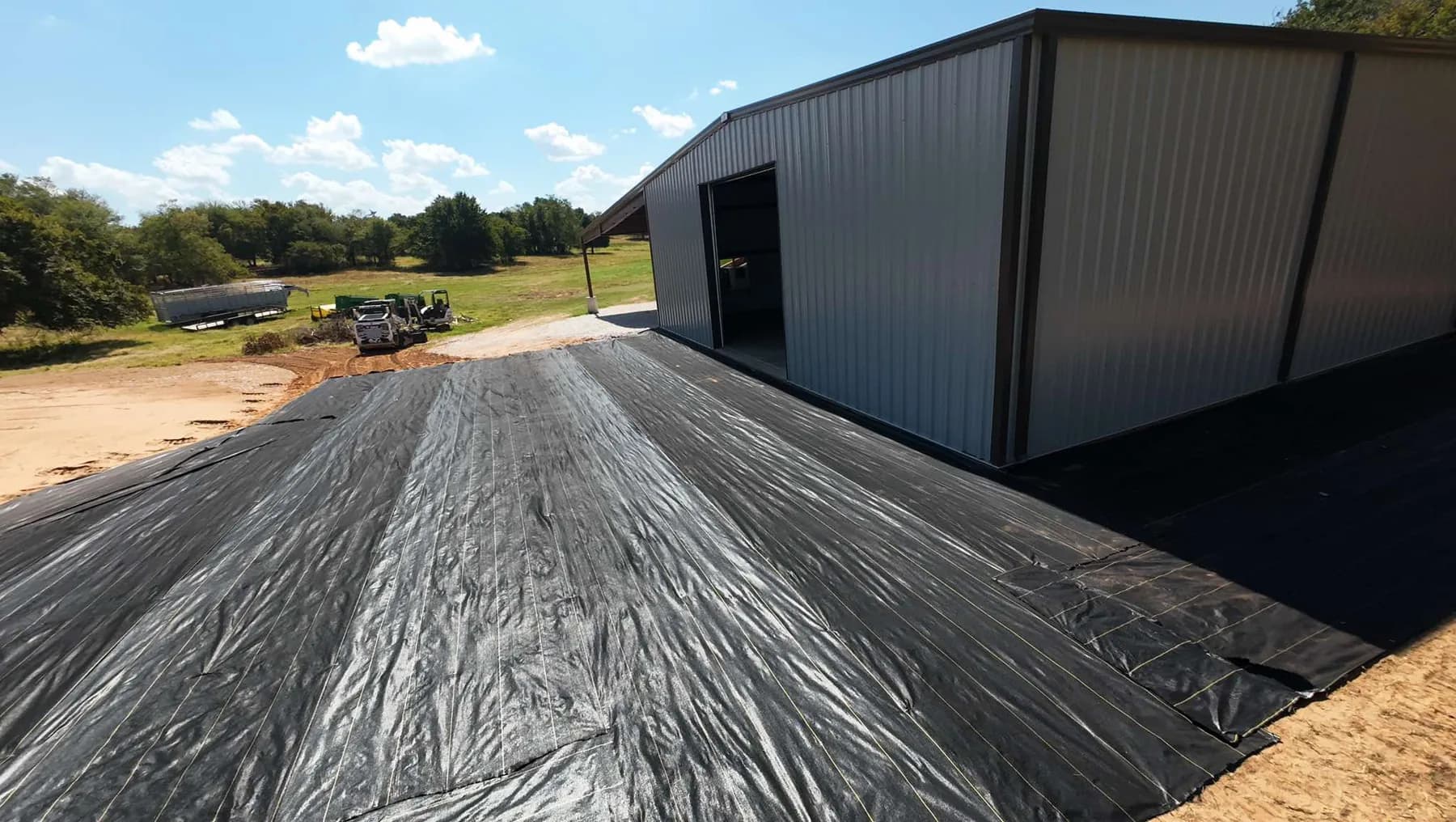
A 10x10 garden bed is 100 sq ft; add the 10% buffer for 110 sq ft, and a single 3ft x 50ft roll covers it with room for clean overlaps. A woven fabric like SHIELD 3.2oz is right here so water and nutrients still reach roots. A 20x50 gravel driveway is 1,000 sq ft, or 1,100 with the buffer; that job demands XBAR 5oz dual-layer woven, and a 4ft x 300ft roll covers it in one purchase. A 1,500 sq ft backyard with drainage needs TERRA non-woven geotextile, where permeability matters more than weed-suppression weight.
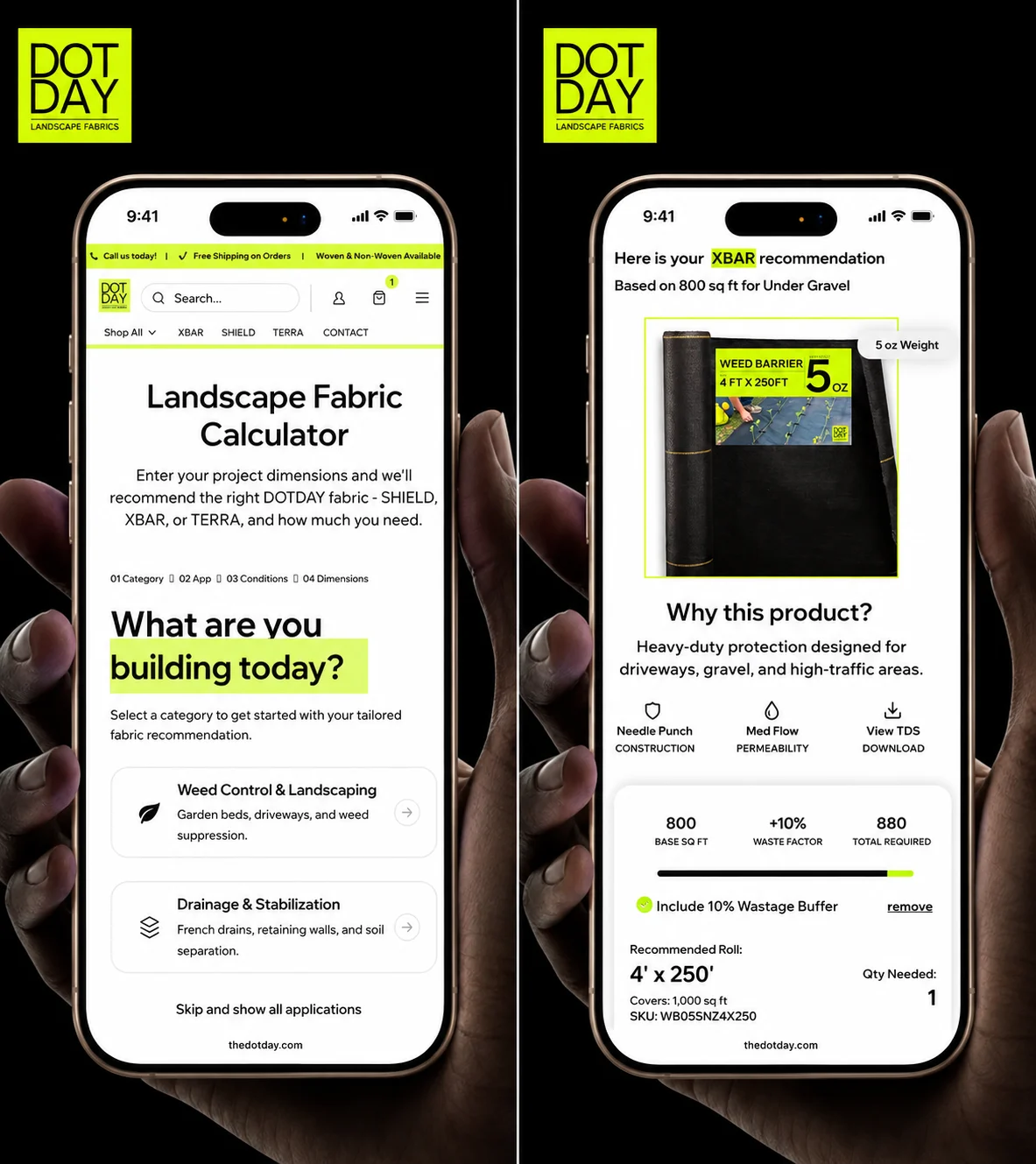
Get your project spec in under 60 seconds
Enter your dimensions and the calculator returns the exact fabric, roll size, quantity, and cost.
Landscape fabric coverage chart: roll sizes at a glance
| Roll size | Coverage | Best for |
|---|---|---|
| 3ft x 50ft | 150 sq ft | Small garden beds and borders |
| 3ft x 100ft | 300 sq ft | Medium garden beds |
| 4ft x 100ft | 400 sq ft | Larger garden areas |
| 4ft x 300ft | 1,200 sq ft | Driveways and large projects |
| 6ft x 100ft | 600 sq ft | Wide coverage, fewer seams |
| 6ft x 300ft | 1,800 sq ft | Commercial and large-scale |
Woven vs non-woven: match construction to the job
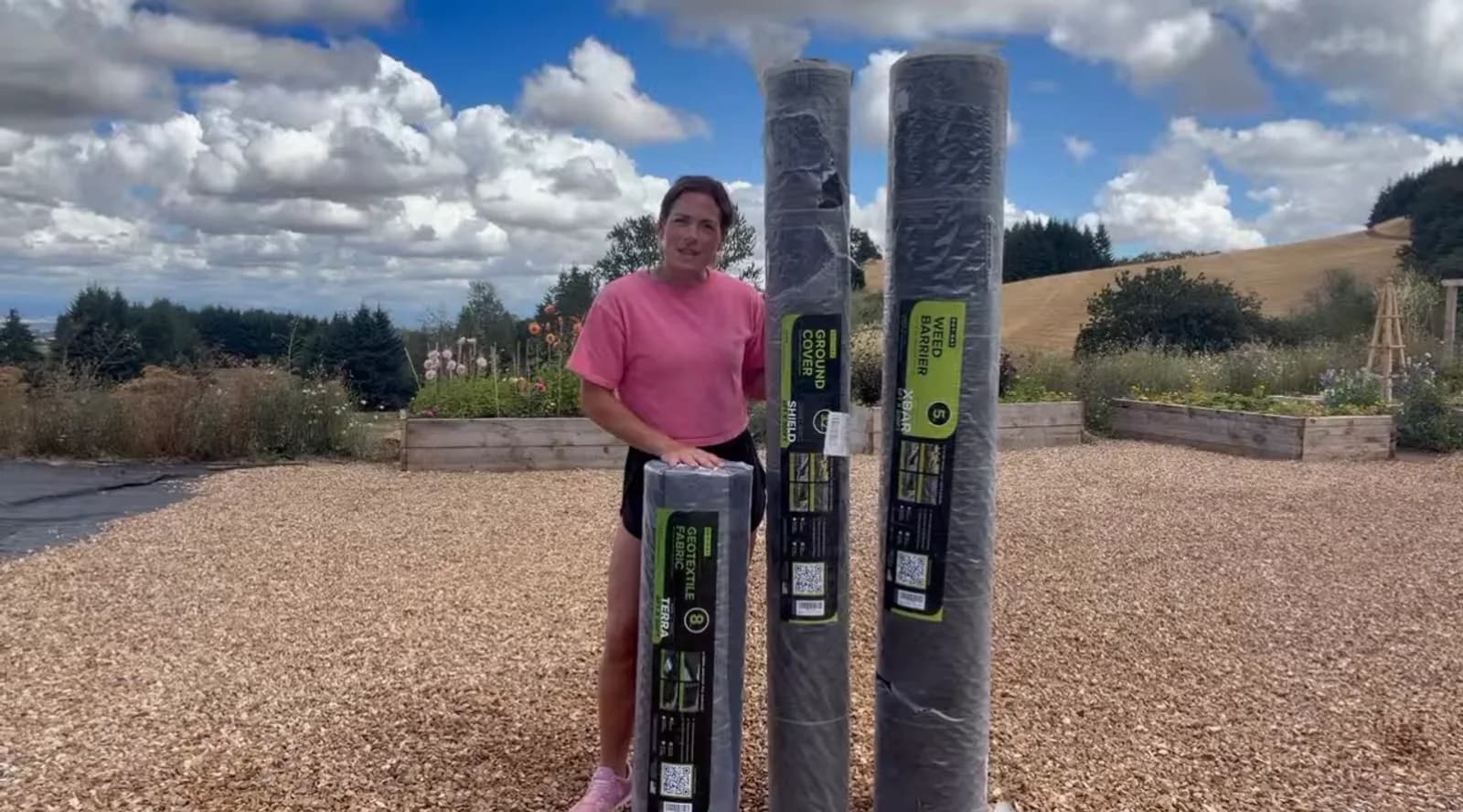
Getting the square footage right is only half the equation. SHIELD 3.2oz is woven polypropylene, ideal for weed suppression in beds, under mulch, and under decks. XBAR 5oz is a dual-layer woven, a woven top over a non-woven backing, engineered for driveways, under gravel, and high-traffic ground. TERRA non-woven geotextile is bonded-fiber construction built for drainage, French drains, and soil separation where water permeability is the priority. Using the wrong construction for your application is the most expensive mistake in landscaping, and the most common.
The fabric the calculator is sizing
The calculator matches SHIELD, XBAR, or TERRA to the job. XBAR is the 5oz dual-layer default for gravel and load. Use the tabs for beds or drainage.
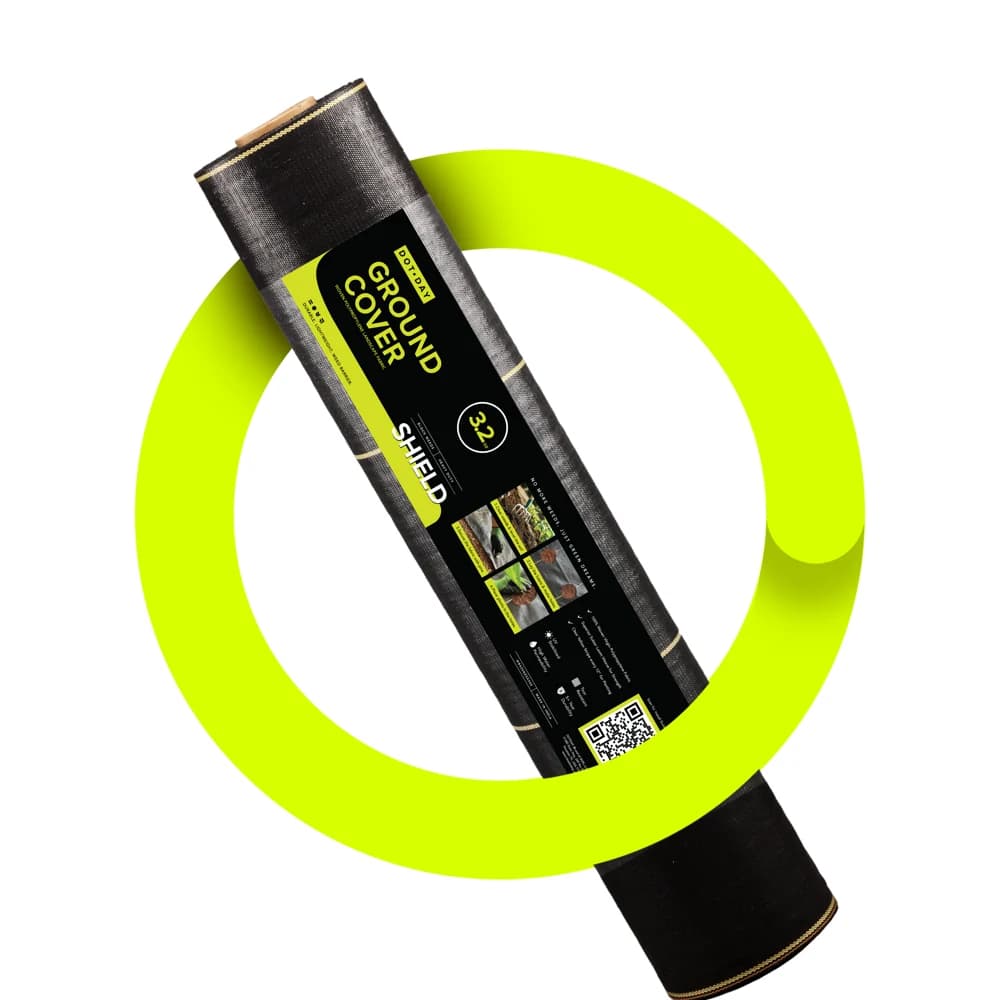
SHIELD
From $64.49 per roll, or $0.07 per sq ft.
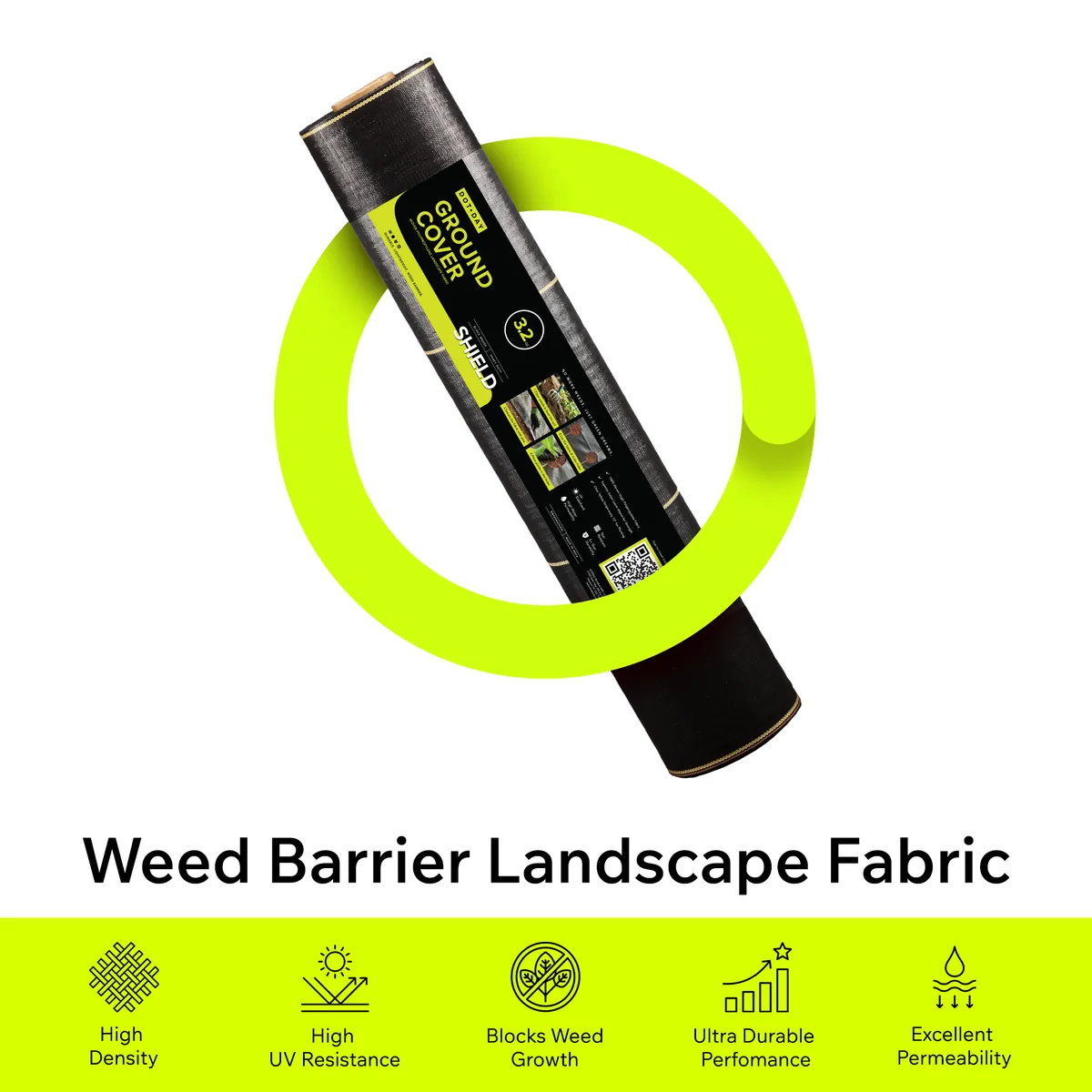
3.2 oz woven polypropylene. Six roll sizes.
Flat-tape woven polypropylene.Strong in-plane, so a full run pulls across a bed without tearing.
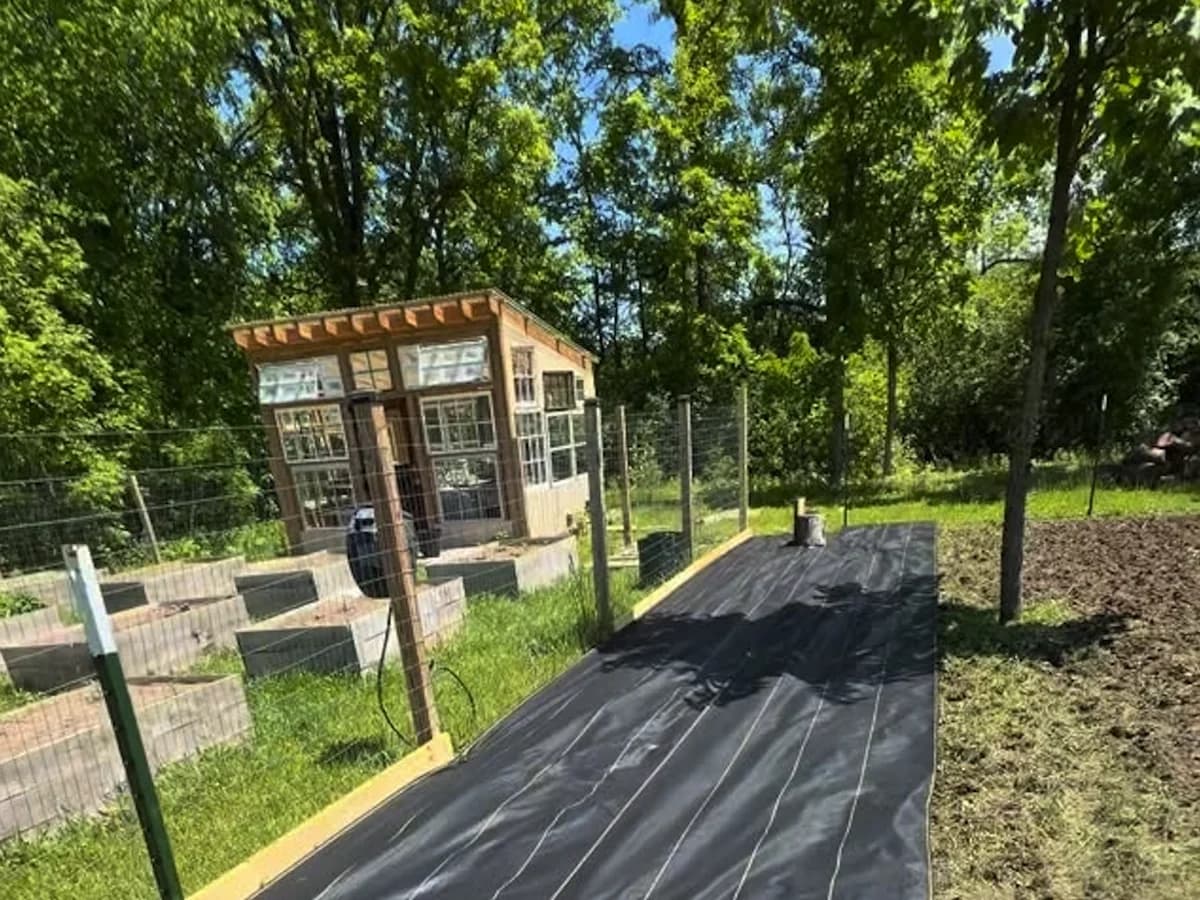
Blocks light, not water.Rain and irrigation pass through to the roots while weeds stay denied.
Plant straight through it.X-cuts at your spacing let seedlings in; the surface between stays covered.
180/105 lb grab strength.ASTM D4632, so it survives being pulled, pinned, and planted.
70% UV retention at 500 hrs.ASTM G154. Cover promptly with mulch or soil to protect it.
- 3 x 10 ft
- 3 x 50 ft
- 4 x 50 ft Sold out
- 3 x 100 ft
- 4 x 100 ft Sold out
- 3 x 250 ft Sold out
- 8 x 100 ft Sold out
- 4 x 250 ft Sold out
- 6 x 200 ft Sold out
Available in 9 roll sizes
XBAR
From $44.99 per roll, or $0.17 per sq ft.
5 oz dual-layer woven. Nine roll sizes.
Two layers, one job each.The woven face carries the load; the needle-punched backing blocks light and stops pumping.
332 lb CBR puncture resistance.ASTM D6241, so angular stone and machine traffic do not open it up.
10.5 gal/min/sf water flow.ASTM D4491. Breathable under load instead of pooling beneath the surface.
12 inch guide stripes.Keeps rows, cuts, and overlaps straight across a long run.
29.5 mil thickness, sealed edges.Cuts clean with a knife and does not unravel.
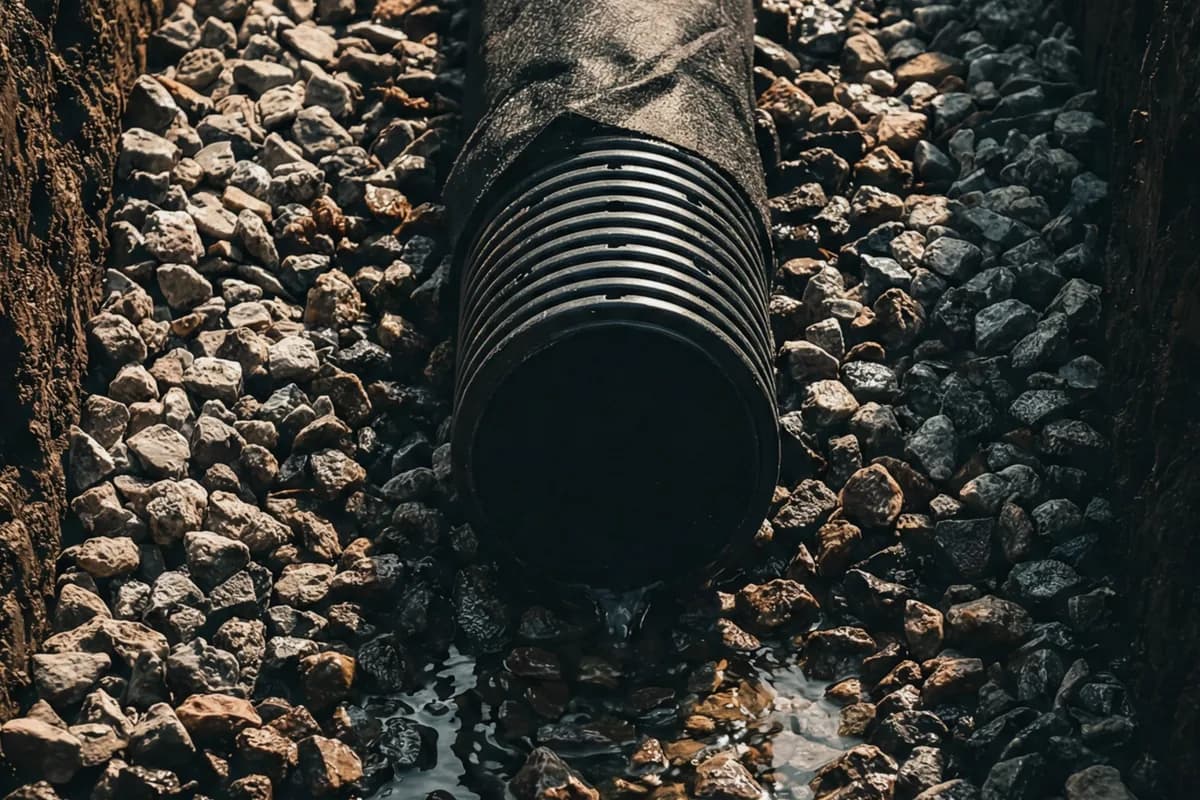
TERRA
From $58.49 per roll at 4 oz, $89.99 at 6 oz.
Non-woven needle-punched. Three weights.
3,300 l/min/m² water flow at 8 oz.ASTM D4491. Water moves through the mat, not across it.
Filters the fines.Holds silt and soil out of your stone so water keeps moving through the drain.
500 lb CBR puncture at 8 oz.ASTM D6241, built for angular stone and compaction.
Three weights, one construction.4 oz for drainage, 6 oz for drains and walls, 8 oz for road base.
Conforms to the trench.The felt-like mat drapes around pipe instead of bridging and tenting.
5 calculation mistakes that waste money
- 1Skipping the 10% overlap bufferOverlap sheets at least 6 inches. Without it, weeds find the seams within the first season.
- 2Choosing roll width by price aloneA 3ft x 400ft and a 6ft x 200ft roll both cover 1,200 sq ft, but the narrower roll creates twice the seams and overlap.
- 3Using the wrong fabric constructionLightweight woven under gravel fails inside two years; a drainage geotextile in a garden bed suffocates plants. Match type to application.
- 4Underestimating waste on irregular shapesL-shaped beds and areas with many obstacles generate more off-cuts. Add 15% instead of 10% for complex layouts.
- 5Ignoring fabric weight for your weed pressureA 3.2oz fabric handles light to moderate pressure; high-traffic zones or aggressive established roots need a 5oz fabric.
Speccing fabric across a development or commercial site?
The calculator gives you a starting point; the DOTDAY Pro team confirms your specs, recommends the most efficient roll configuration, and provides direct volume pricing.
Ready to get your project spec?
Getting the fabric right, the correct type, the right quantity, the optimal roll size, is what separates a project that holds for 10 years from one that needs redoing next summer. Use the landscape fabric calculator to find your match, or read the full installation guide to prep your site before the fabric goes down.
Get matched to the right fabric
Answer a few questions about your ground condition and weed pressure, and get matched to SHIELD, XBAR, or TERRA.
Find Your FabricThree fabrics. One simple rule.
Use the right fabric for the right ground condition.
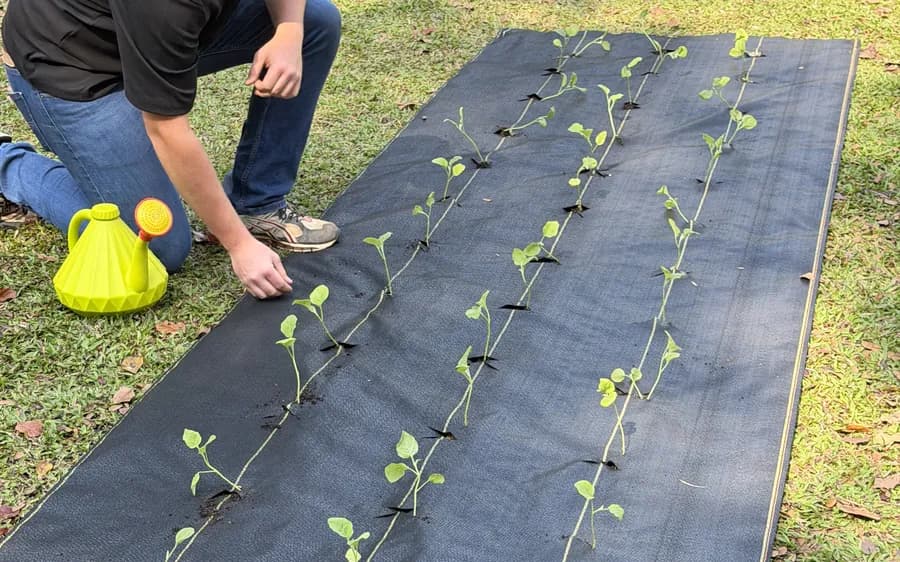
SHIELD
Woven polypropylene weed barrier built to suppress weeds while letting water and air through.
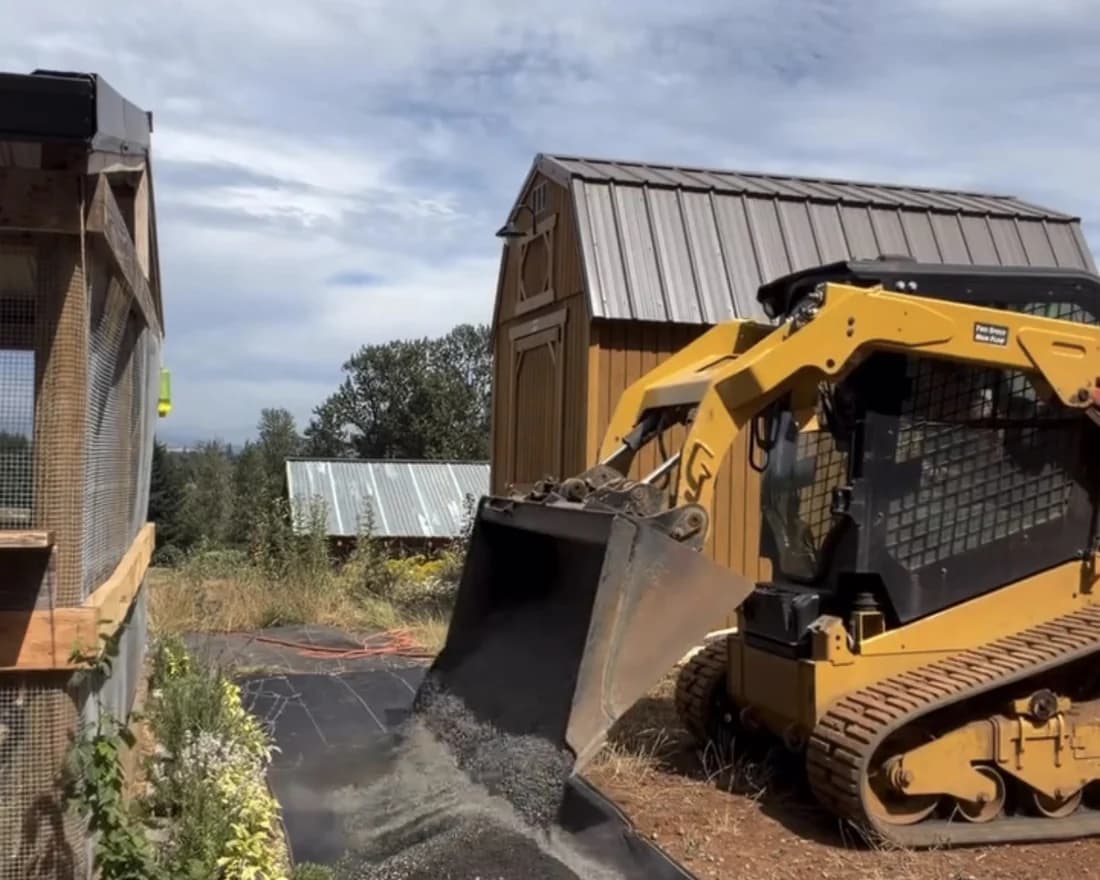
XBAR
Heavy-duty woven hybrid engineered for load and separation under hard surfaces.
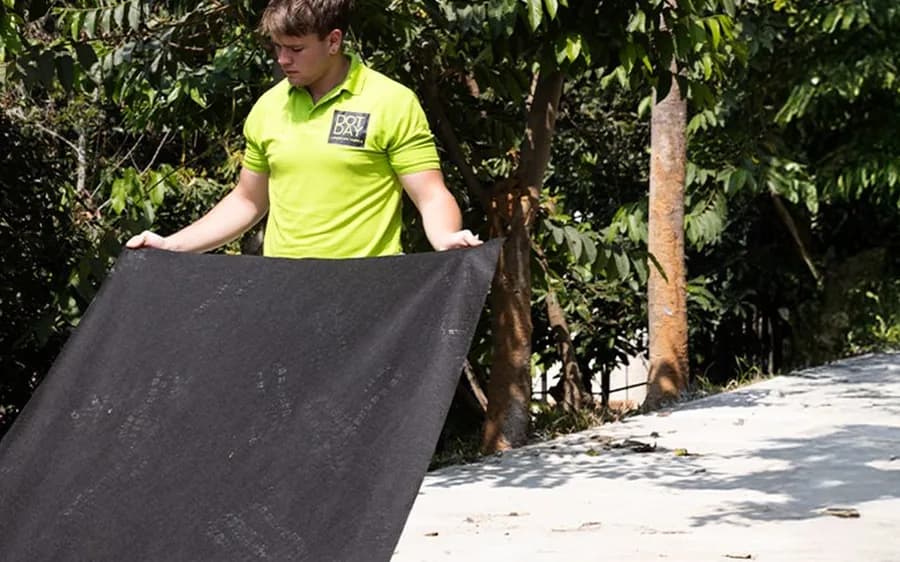
TERRA
Non-woven geotextile designed for drainage, filtration, and soil separation.