
Any time you strip vegetation from a slope or a building lot, the next heavy rain carries loose soil downhill. It ends up in streets, storm drains, ditches, and your neighbor's yard. A silt fence is the most common first line of defense on those sites.
It's also one of the most commonly misinstalled products in site work. This guide covers what a silt fence actually does, how to install one so it holds, why they fail, and where a buried geotextile like DOTDAY TERRA is the better long-term tool.
DOTDAY landscape fabric and geotextile ships from Miami Gardens to customers across the U.S. We don't sell silt fence, so this guide is about using it well and knowing where our TERRA geotextile fits alongside it.
What a silt fence is (and what it is not)
A silt fence is a short, temporary fence made of geotextile fabric attached to stakes. It's installed across the slope, below disturbed ground, with the bottom edge of the fabric buried in a trench.
- It is a sediment filter. Runoff slows down and ponds behind the fence, and soil particles settle out before the water seeps through or passes around the ends.
- It is not a wall. It isn't built to hold back concentrated flow, like water running down a ditch or a channel. Put it there and it gets undermined or knocked over.
- It is temporary. It's meant to control sediment until the site is stabilized with vegetation, stone, or pavement, then come out.
Many construction sites need sediment controls as part of a stormwater permit. Your local or state stormwater rules decide what's required, where, and how it's inspected. Check them before you start.
Where a silt fence goes
- Along the contour. Run the fence level across the slope, not up and down it. Water should reach the fence as a thin sheet, not a stream.
- Below the disturbed area. Place it downhill of the bare soil, with some flat room behind it so water can pond and sediment can settle.
- With the ends turned uphill. Curving the last few feet of each end upslope, sometimes called a J-hook, keeps water from running around the ends.
- Not across channels. Ditches, swales, and concentrated flow paths need other controls like check dams or stone.
- In reasonable lengths. Long, straight runs on a slope collect a lot of water. Breaking them into shorter segments with J-hooks helps.
How to install a silt fence, step by step
Always follow the product instructions and your local stormwater manual. This is how a typical installation goes.
### 1. Mark the line
Walk the slope and mark a level line along the contour below the disturbed area. Plan J-hooks at the ends.
### 2. Dig the trench
Dig a narrow trench along the line on the uphill side of where the stakes will go. Many state manuals call for a trench around 6 inches deep and wide, but use the dimensions your local guidance specifies.
### 3. Set the stakes
Drive stakes on the downhill side of the trench, at the spacing the product or local manual calls for. Closer spacing holds better on steeper ground and where more water will pond.
### 4. Bury the toe
Lay the bottom edge of the fabric into the trench, running along the bottom and up the uphill side. This buried toe is what stops water from flowing under the fence.
### 5. Backfill and compact
Backfill the trench over the fabric and compact the soil firmly. Loose backfill is one of the most common reasons fences get undermined.
### 6. Attach and join
Fasten the fabric to the stakes on the uphill side, so water pressure pushes the fabric against the stakes. Where two sections meet, overlap or wrap the ends around a shared stake so there's no gap.
Why silt fences fail
Most failures trace back to installation or placement.
- Undermining. The toe wasn't buried, or the backfill wasn't compacted, so water runs under the fabric.
- Overtopping. Too much water reaches the fence, usually because the run is too long or it's placed across a flow path.
- Wrong direction. The fence runs up and down the slope, channeling water along it.
- End runs. No J-hooks, so water flows around the ends.
- Neglect. Sediment builds up behind the fence until it can't hold more.
Inspection and maintenance
- Inspect after every significant rain and on the schedule your permit requires.
- Remove sediment before it builds up too high behind the fence. Many manuals give a trigger depth; follow yours.
- Repair sags, tears, and undercuts right away.
- Remove the fence once the area is stabilized, and restore the ground where it stood.
Silt fence fabric vs non-woven geotextile: different jobs
Silt fence and non-woven geotextile are both fabrics, but they're built for different situations.
| Feature | Silt fence | Buried non-woven geotextile |
|---|---|---|
| Position | Standing upright across a slope | Laid flat under stone or soil |
| Job | Trapping sediment from runoff | Separation and filtration |
| Service | Temporary, during construction | Part of a permanent build |
| Typical places | Below disturbed ground | Under riprap, in drains, under road base |
A silt fence is a temporary filter while the site is bare. A buried geotextile fabric is part of the finished ground.
When a geotextile layer is the better long-term fix
Once construction ends, the silt fence comes out. If the same spots keep eroding, the fix is usually permanent stabilization, and that's where a buried geotextile often plays a role.
- Slopes armored with rock: geotextile under the stone keeps soil from washing out between rocks. Choose the TERRA weight by stone size and how the rock is placed. Our erosion control fabric for slopes guide covers the slope side in detail.
- Ditches and outlets lined with stone: the fabric keeps the stone from sinking into the soil.
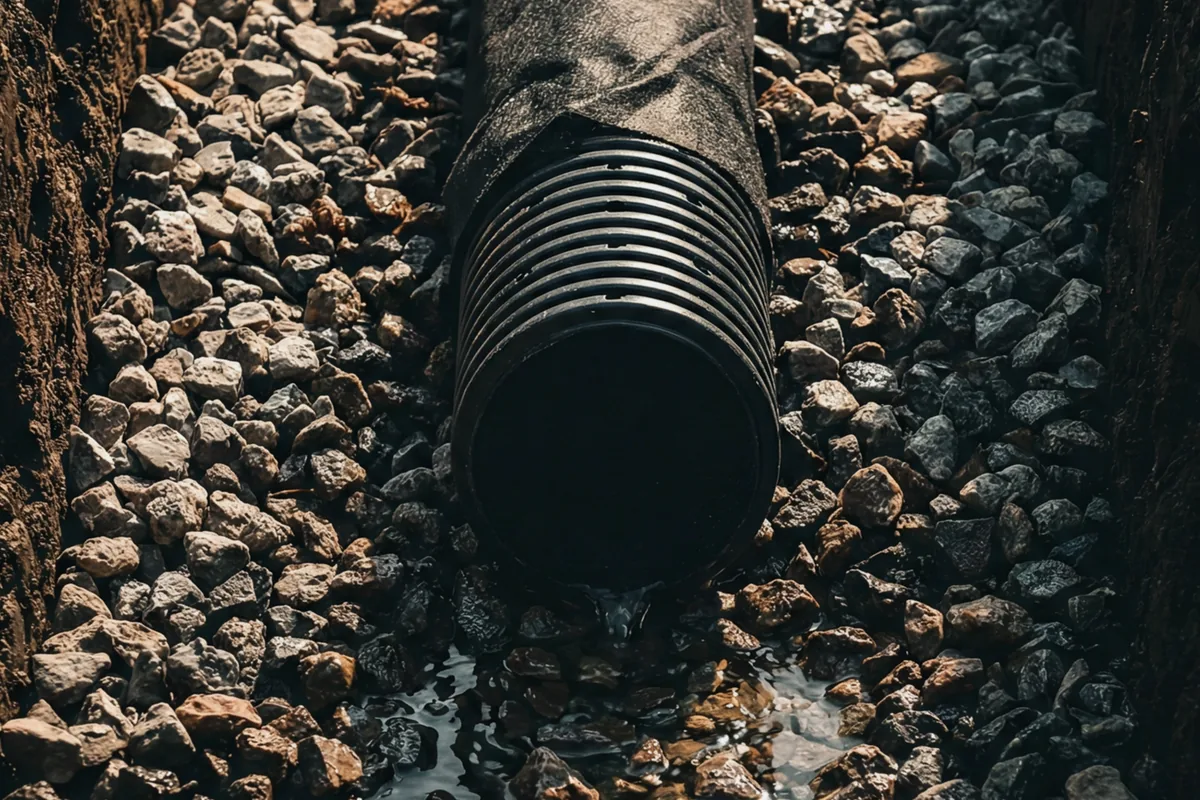
- Drains: a French drain wrapped in filter fabric carries water away from problem areas.
- Gravel lanes and staging areas: a fabric under the base keeps stone out of the mud. For gravel, we use XBAR, our dual-layer fabric built to sit under stone.
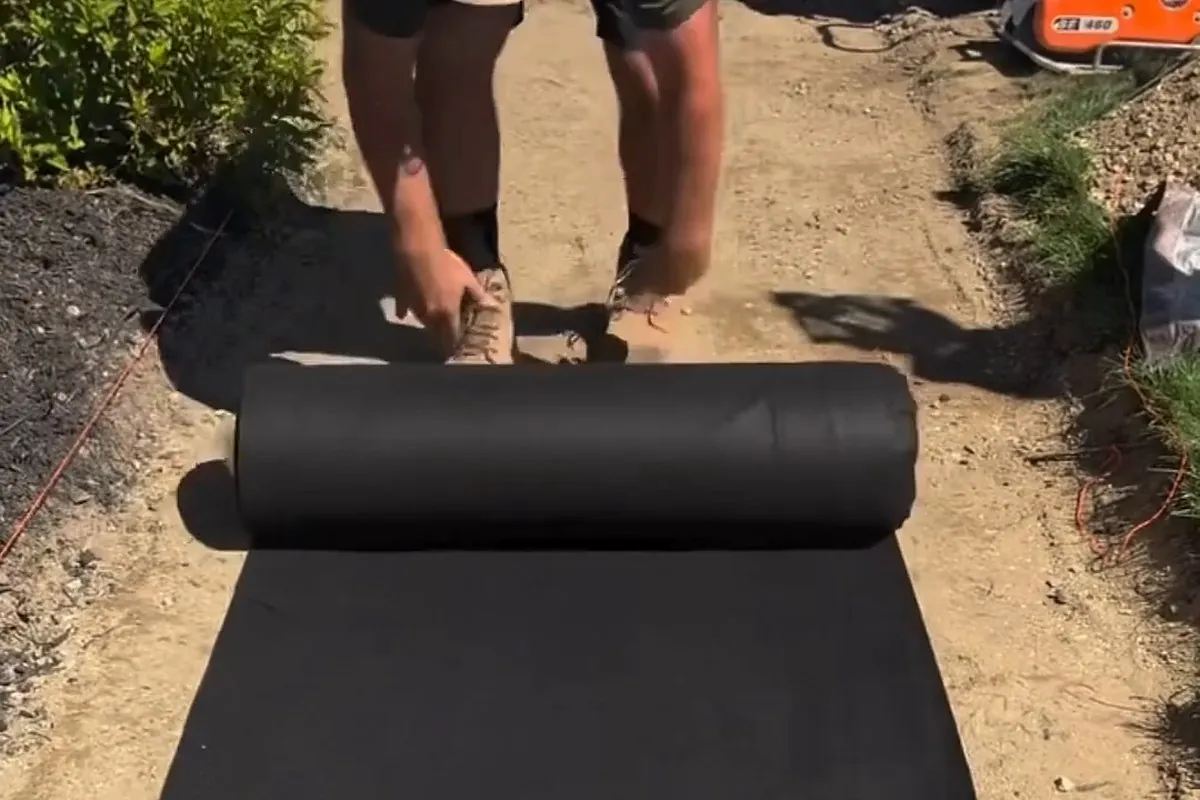
After the silt fence: the permanent fabric spec card
Once the site is stabilized, these are the DOTDAY fabrics we match to the permanent work, with typical values from our technical data sheets. XBAR comes first for gravel; TERRA handles drains, walls and soil separation.
| Fabric | Permanent job | Typical specs (TDS) |
|---|---|---|
| XBAR 5 oz | Gravel lanes, pads and paths | Dual-layer, 332 lb CBR puncture (ASTM D6241), 10.5 gal/min/ft² flow |
| TERRA 4 oz | Light drainage, rounded stone | Non-woven, 300 lb CBR puncture, 0.20 mm AOS, high flow |
| TERRA 6 oz | French drains, retaining walls | Non-woven, 400 lb CBR puncture, 0.20 mm AOS, high flow |
Values are typical, not minimums, and the full sheets are on our technical data sheets page. Pick the row that matches the job, then size the roll with the Fabric Calculator.
How much geotextile does your job need?
Use the DOTDAY Fabric Calculator to handle the overlap and roll math for your trench or wall.
What we recommend
For permanent stabilization under stone, in drains, and under road base, we use TERRA.
TERRA is our non-woven geotextile: 4 oz for light drainage and 6 oz for French drains and retaining walls. Where the permanent surface is gravel, start with XBAR.
DOTDAY doesn't sell silt fence. Buy it from an erosion control supplier, follow your stormwater plan, and use TERRA for the permanent work that follows, like the drainage zone behind a retaining wall. New to fabric types? Start with woven vs non-woven landscape fabric. Contractors can browse our contractor catalog or request bulk pricing.
Wrong geotextile, drainage failure: TERRA 4 vs 6 vs 8 oz
How TERRA weight changes with stone size and load.
Wrapping up
A silt fence works when it runs along the contour, the toe is buried and compacted, and someone maintains it. For the permanent ground work that follows, DOTDAY TERRA is the separation layer we recommend.
TERRA nonwoven geotextile for drainage and separation
Non-woven geotextile for French drains, walls, and base separation. Check the product page for the sizes in stock today.
Shop TERRAThree fabrics. One simple rule.
Use the right fabric for the right ground condition.
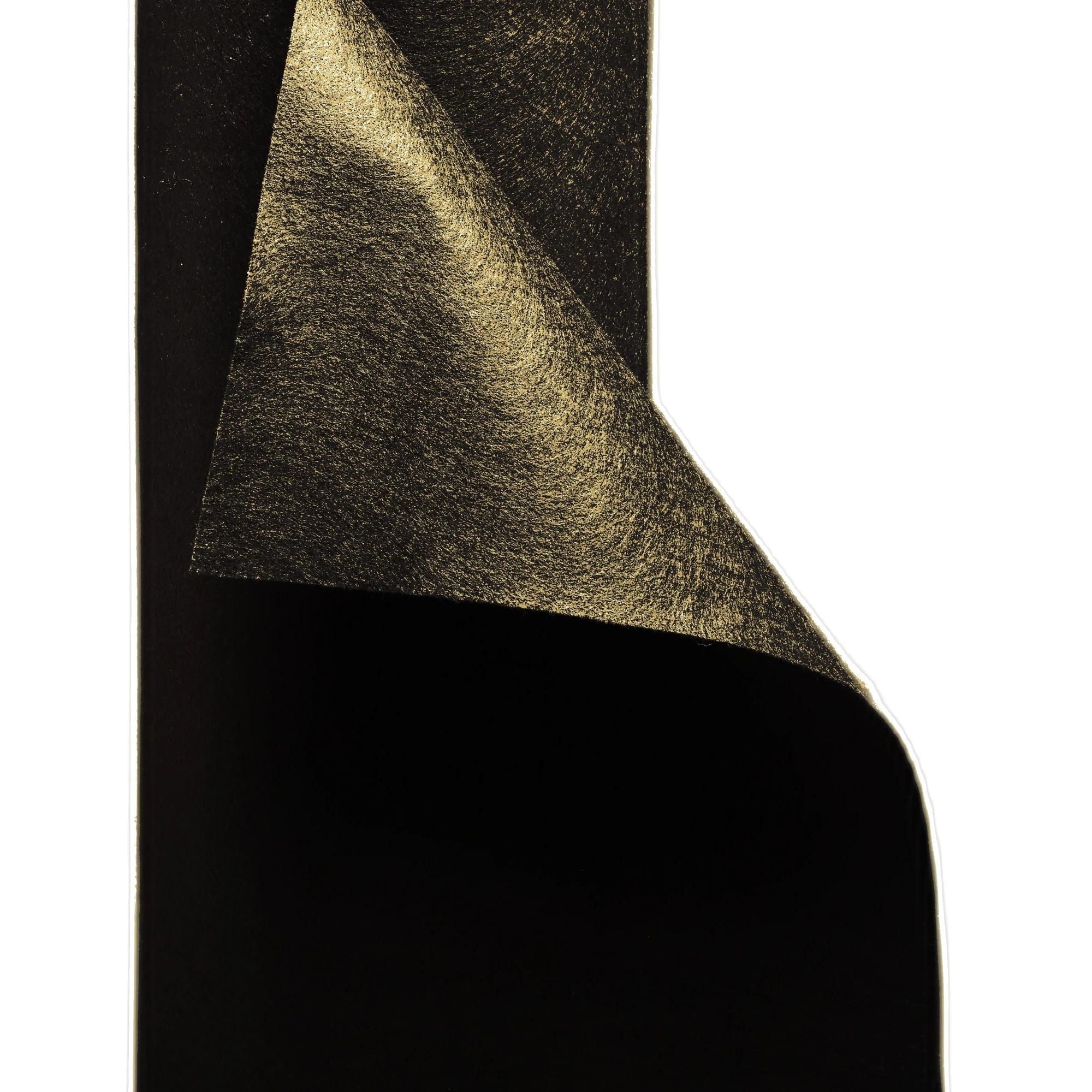
TERRA
Non-woven geotextile designed for drainage, filtration, and soil separation.
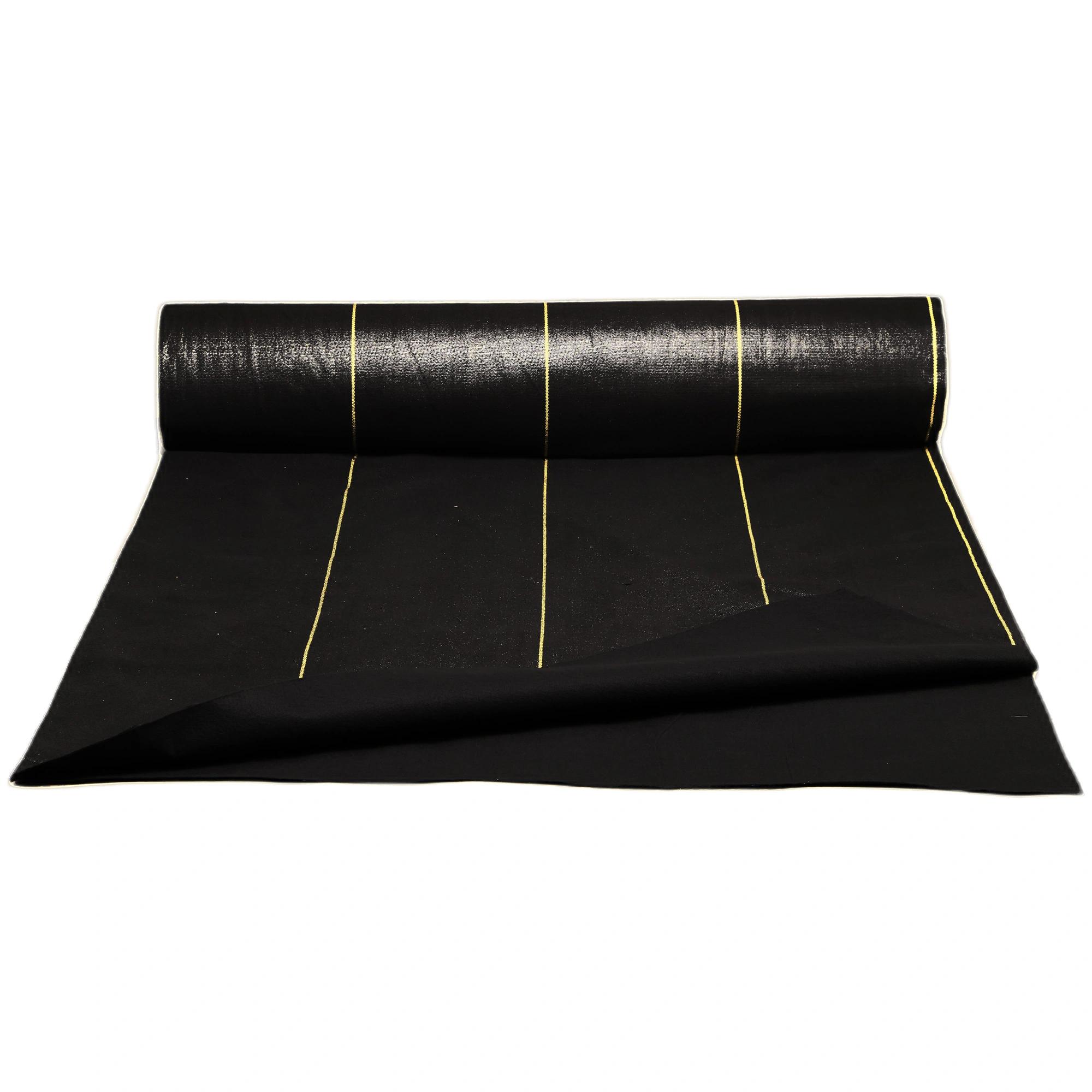
XBAR
Heavy-duty woven hybrid engineered for load and separation under hard surfaces.
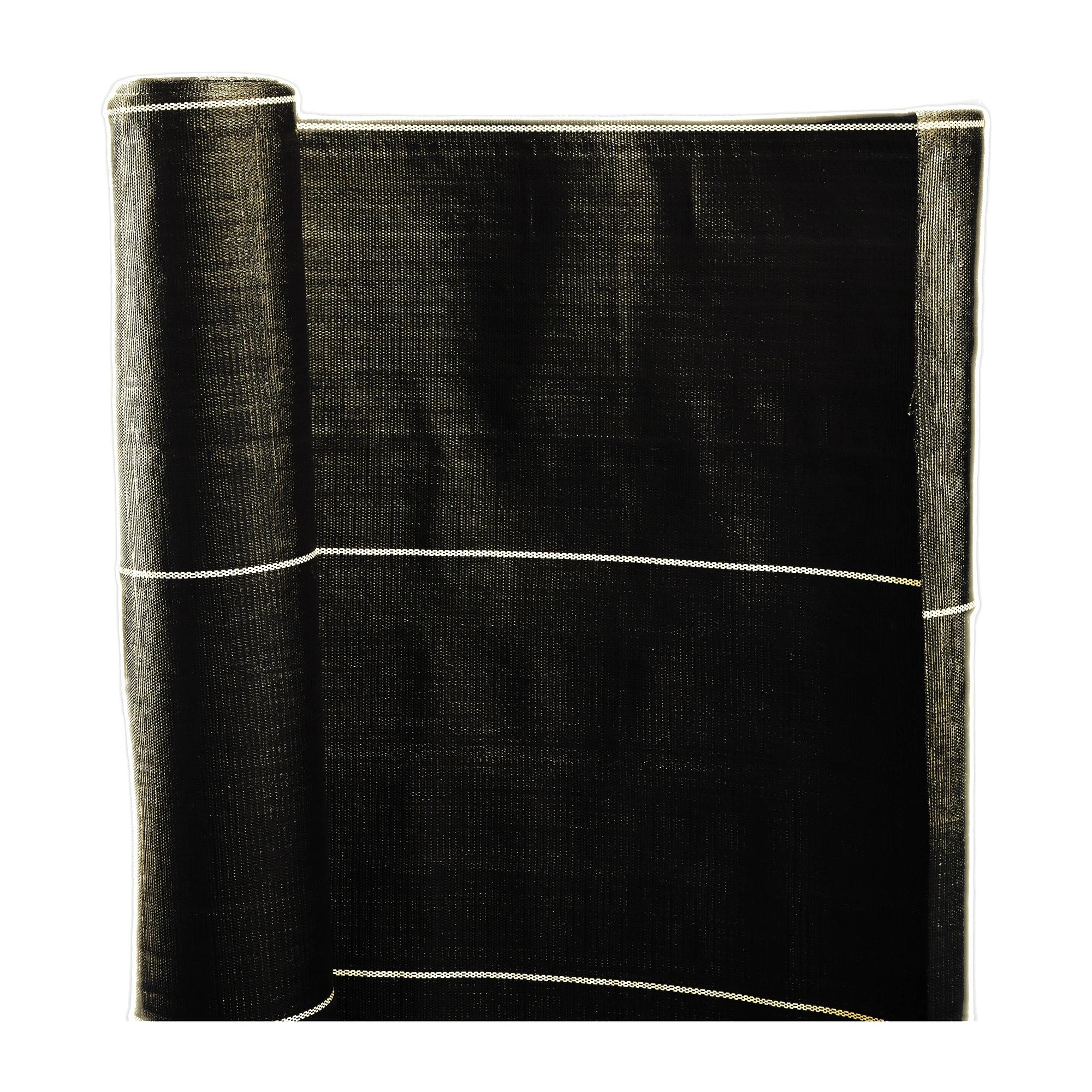
SHIELD
Woven polypropylene weed barrier built to suppress weeds while letting water and air through.