top of page

Woven vs Non-Woven Landscape Fabric: Which One Do You Actually Need?

The most common question we hear from landscapers, contractors, and property owners is this: what is the difference between woven vs non-woven landscape fabric, and which one do I actually need? It sounds simple. The answer changes everything about whether your project holds up for two years or twenty.

Walk into any landscape supply store and you'll find rolls of black fabric stacked floor to ceiling - woven, non-woven, 3oz, 5oz, 8oz - with almost nothing to help you choose. Most labels just say "weed barrier" and leave you guessing. The result? Contractors spec the wrong fabric, homeowners buy what's cheapest, and projects fail within a season.


At DOTDAY, we build fabric for specific ground conditions - not for marketing categories. Woven and non-woven are never interchangeable. Each has a job. Use the right one and it performs for decades. Use the wrong one and you're pulling it out within two years.

This guide covers exactly what separates the two fabric types, what each one is engineered for, the oz weight question every buyer asks, and how to match the right material to your ground condition - every time.


What Is Woven Landscape Fabric?

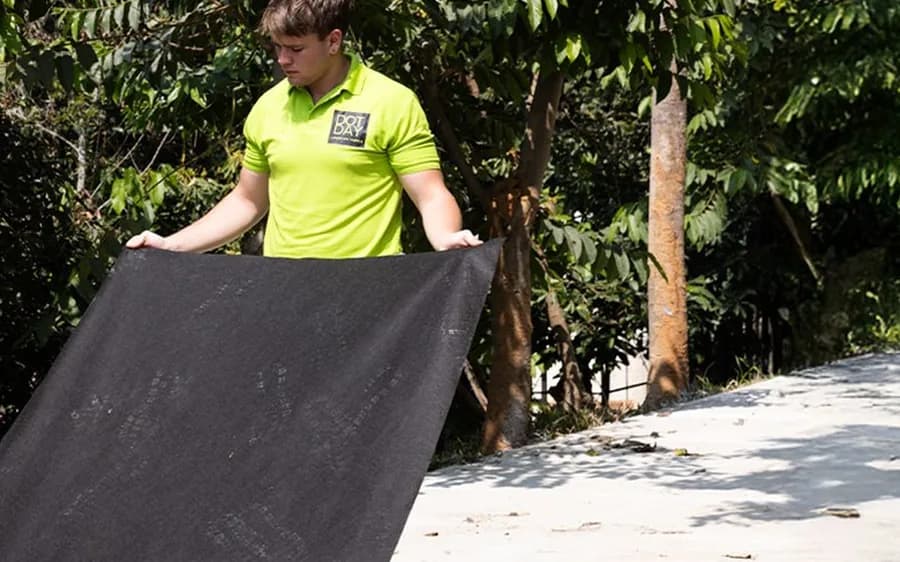
Woven landscape fabric is manufactured by interlocking polypropylene strips in a tight crisscross pattern. That structure gives it high tensile strength - it resists tearing, holds its shape under load, and keeps soil and aggregate separated over the long term.

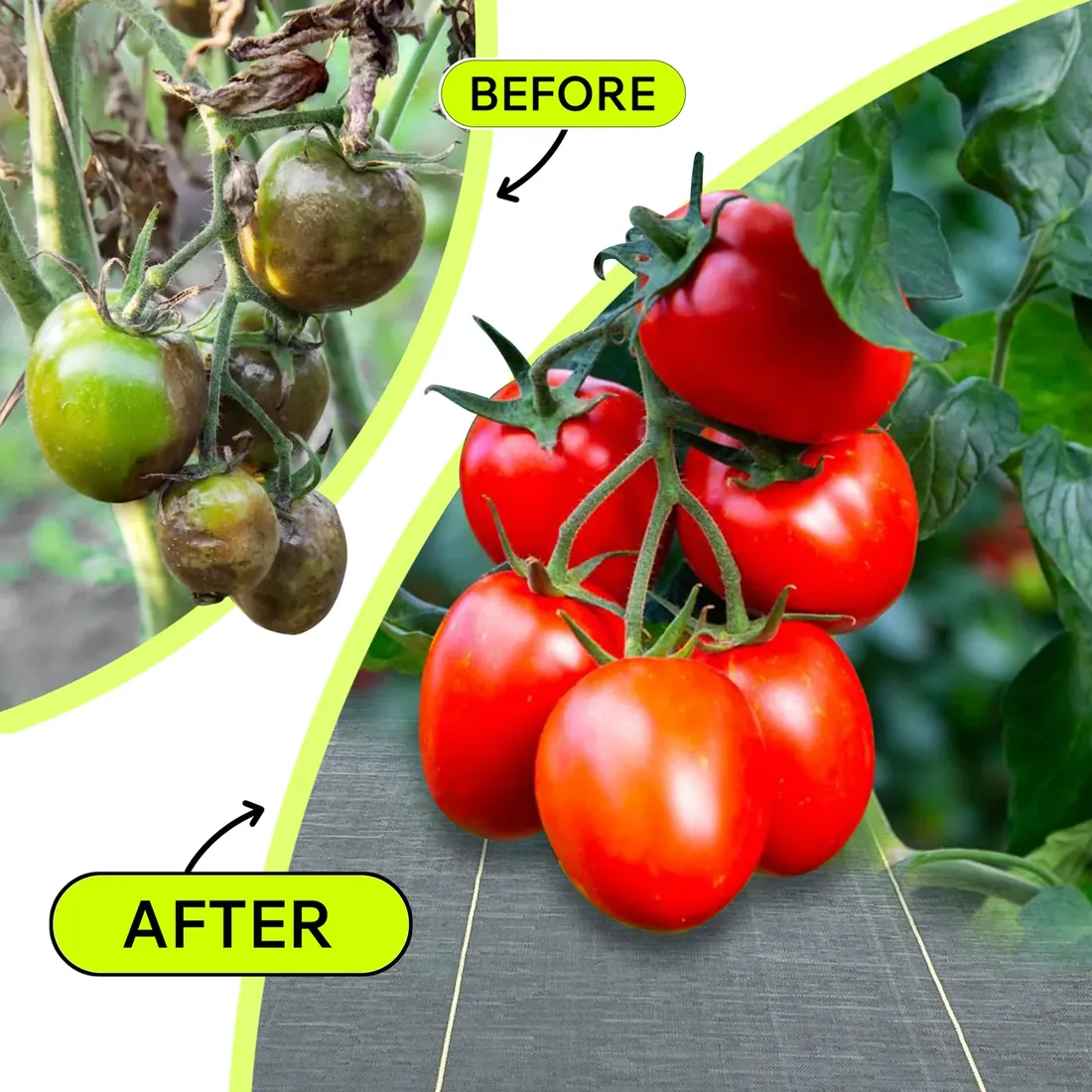
Woven fabric is a weed suppression and stabilization material. It blocks sunlight from reaching the soil below, which prevents seed germination. It also keeps gravel, rock, and aggregate from sinking into the subgrade over time - critical for driveways, paths, and hardscape installations.

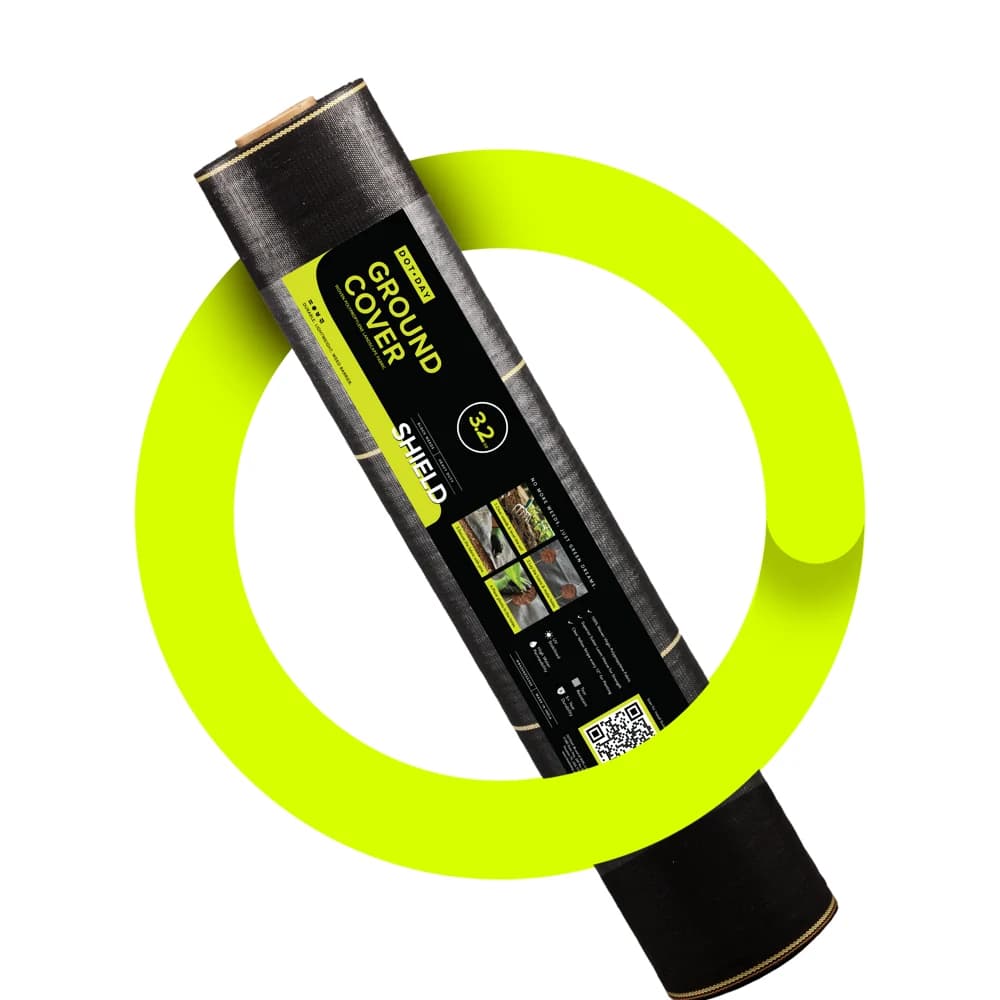
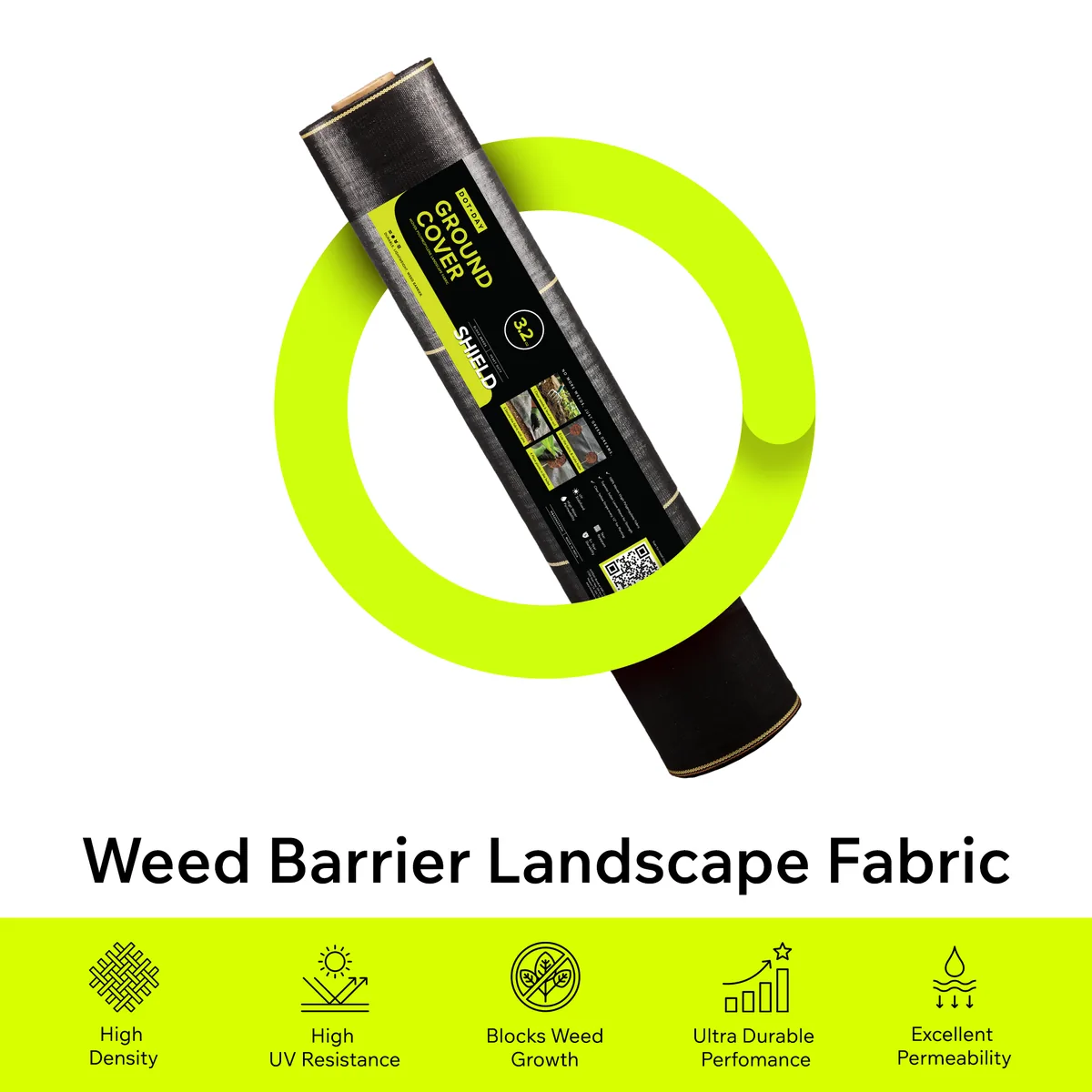
DOTDAY SHIELD 3.2oz woven polypropylene landscape fabric rolled out, showing the tight crisscross weave and yellow 12-inch planting lines
DOTDAY SHIELD: 3.2oz woven PP that blocks sunlight to stop weeds cold; built for garden beds, mulch, and farm rows.

Water permeability is moderate. Woven fabric slows water down rather than moving it at volume - which is exactly what you want under mulch or gravel, where you need moisture retention without pooling.

Water passing through DOTDAY SHIELD 3.2oz woven PP, slow enough to retain moisture, fast enough to prevent pooling under mulch and gravel.

Woven Fabric Works Best For:

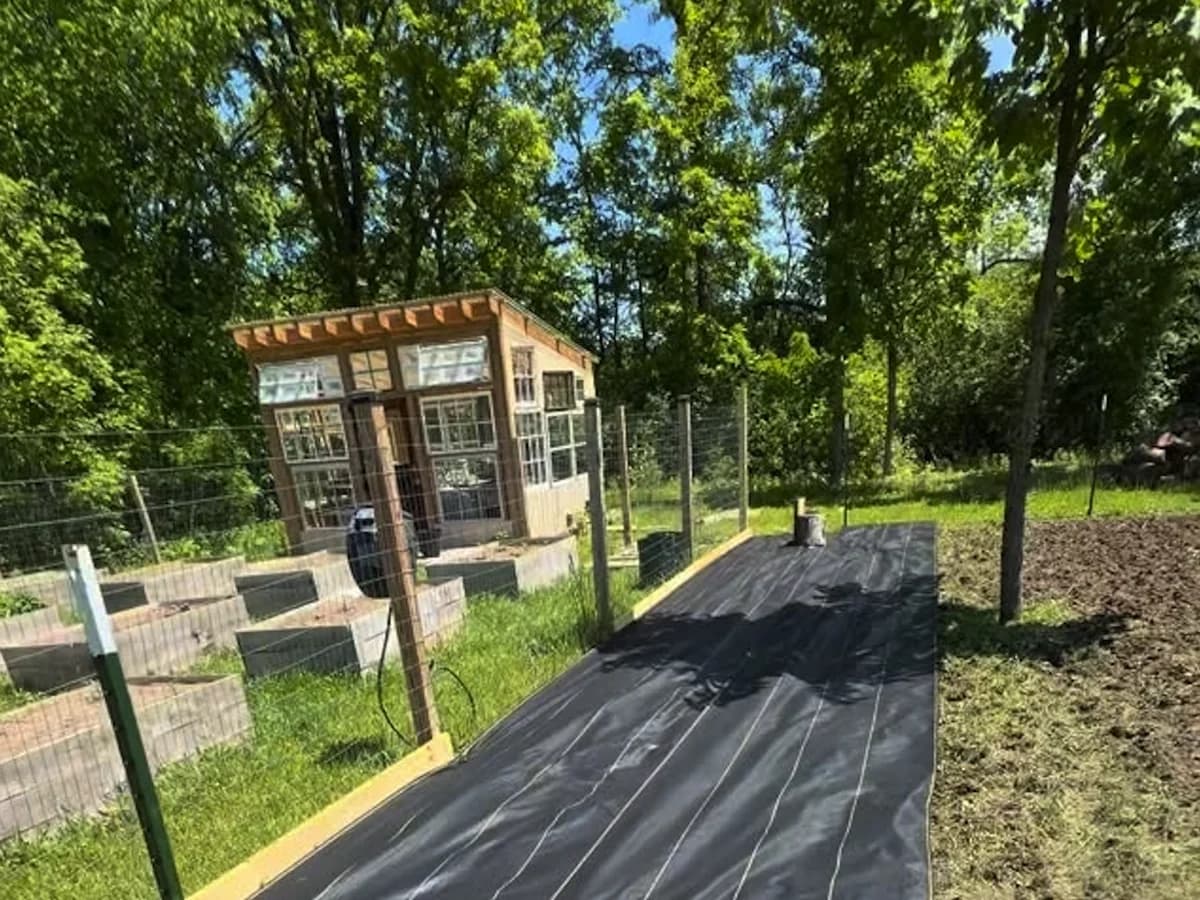
  • Garden beds and mulch applications - under bark, wood chip, or straw mulch

  • Under gravel, crushed rock, and decorative stone

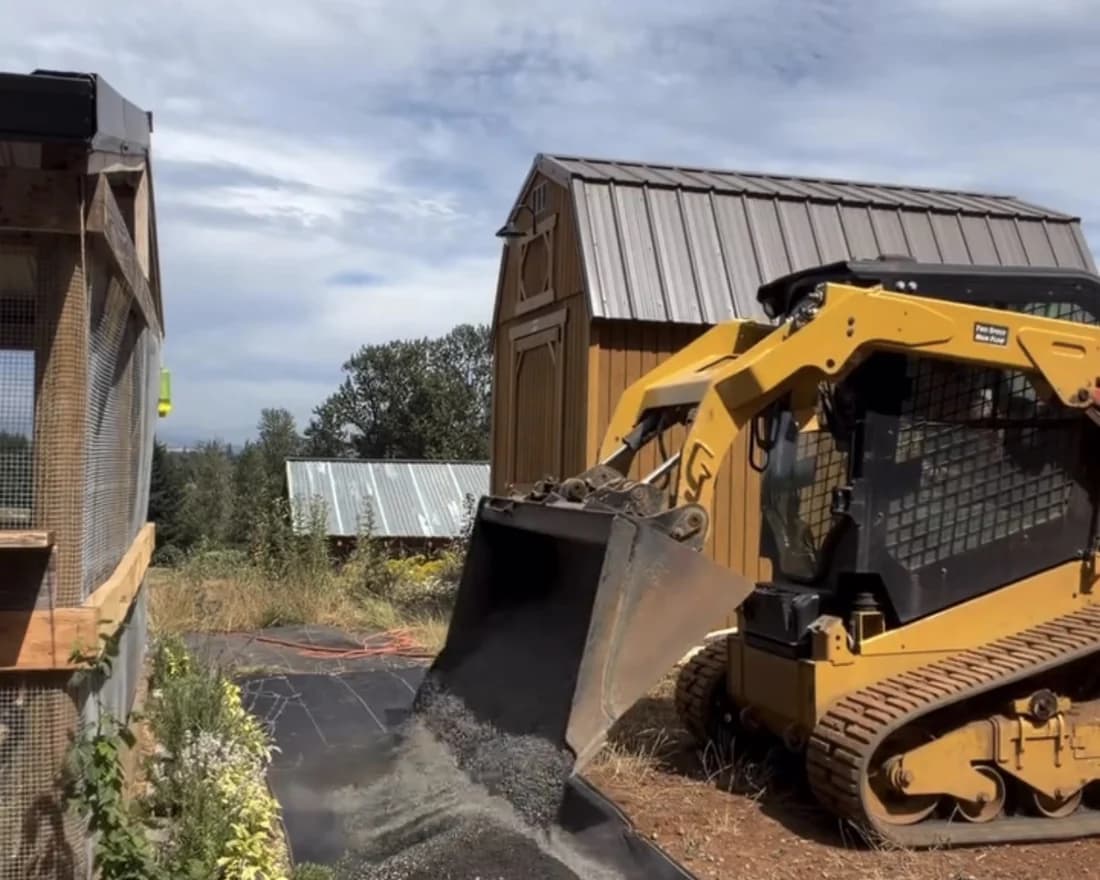
  • Driveway and paver underlayment - where load-bearing separation matters

  • Farm rows, nurseries, and production growing areas

  • High-traffic commercial landscaping where weed suppression is the priority


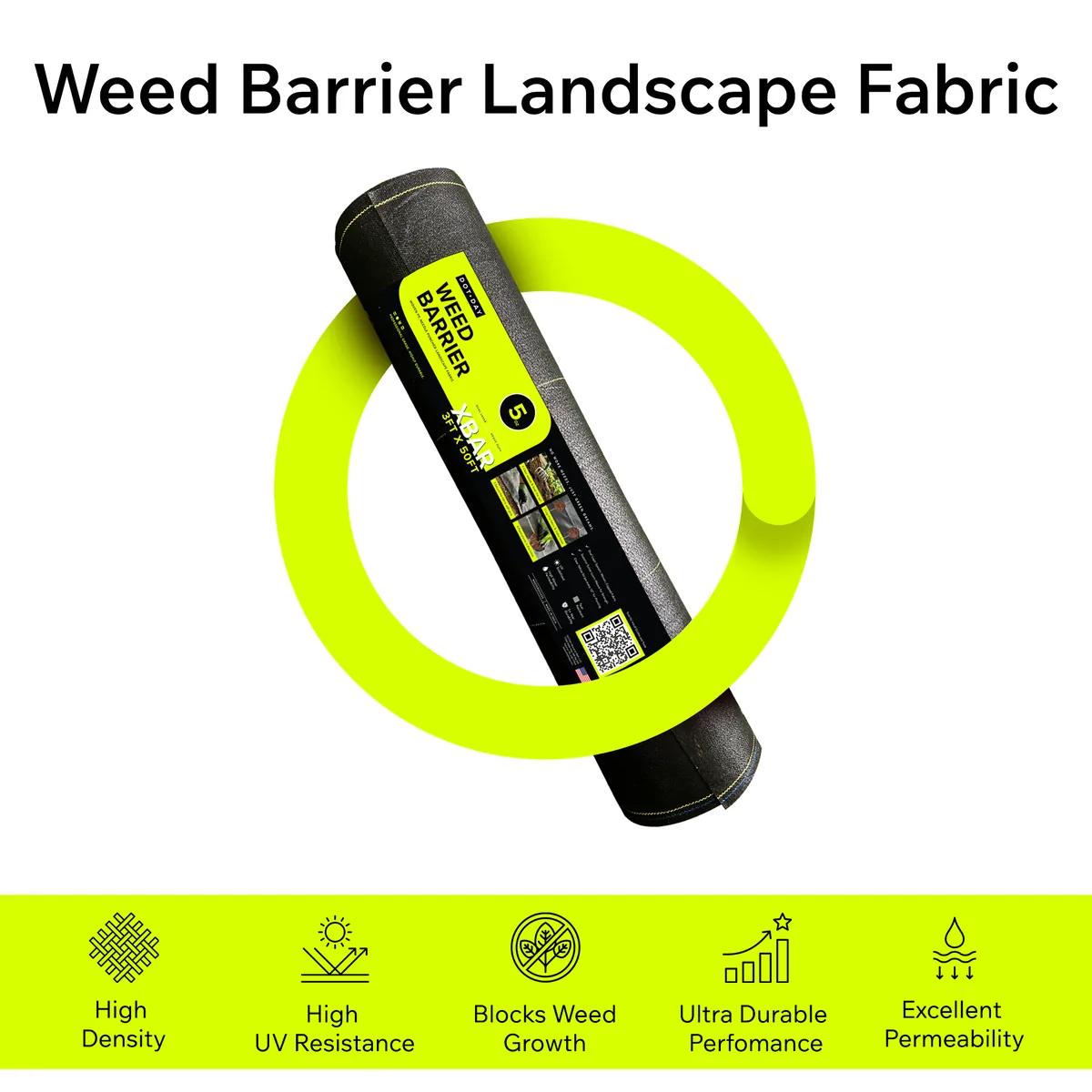
DOTDAY offers two woven options: SHIELD (3.2oz) for gardens, farms, and mulch beds, and XBAR (5oz dual-layer) for hardscape and high-traffic ground conditions. If you're deciding between those two weights, our 3.2oz vs 5oz comparison guide breaks down exactly which weight fits which job.


What Is Non-Woven Landscape Fabric (Geotextile)?

Non-woven geotextile fabric is manufactured through a needle-punching process - fibers are mechanically bonded together without weaving. The result is a felt-like material with a structure full of micro-pores. Those pores are what make it fundamentally different from woven fabric.

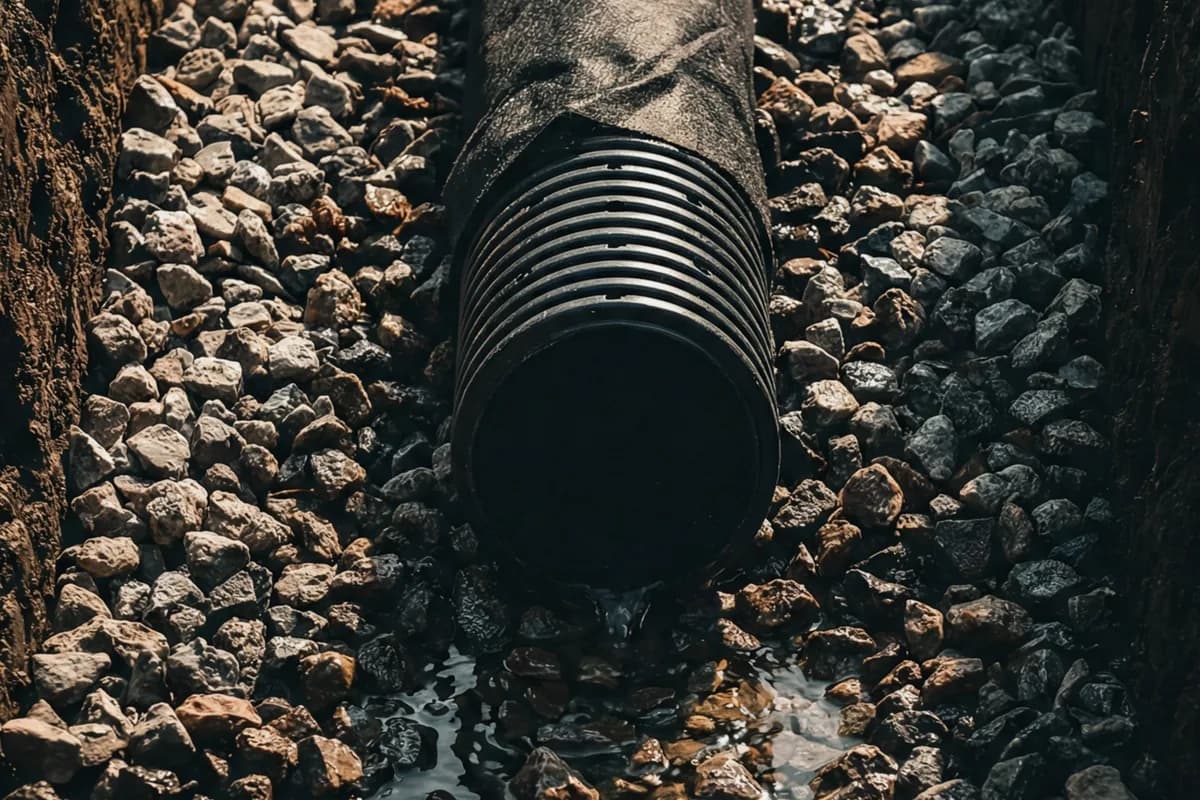
Non-woven fabric is engineered for high water flow and filtration. Water moves through it rapidly while the fabric traps fine soil particles, preventing them from migrating into drainage aggregate. This is the defining function - filtration, not just permeability.

In drainage applications - French drains, retaining walls, road base - using woven fabric instead of non-woven is one of the most common reasons systems fail. Woven fabric clogs with silt. Non-woven filters it. These are not interchangeable materials.


Non-Woven Geotextile Works Best For:

  • French drains and subsurface drainage systems

  • Retaining wall drainage and backfill filtration

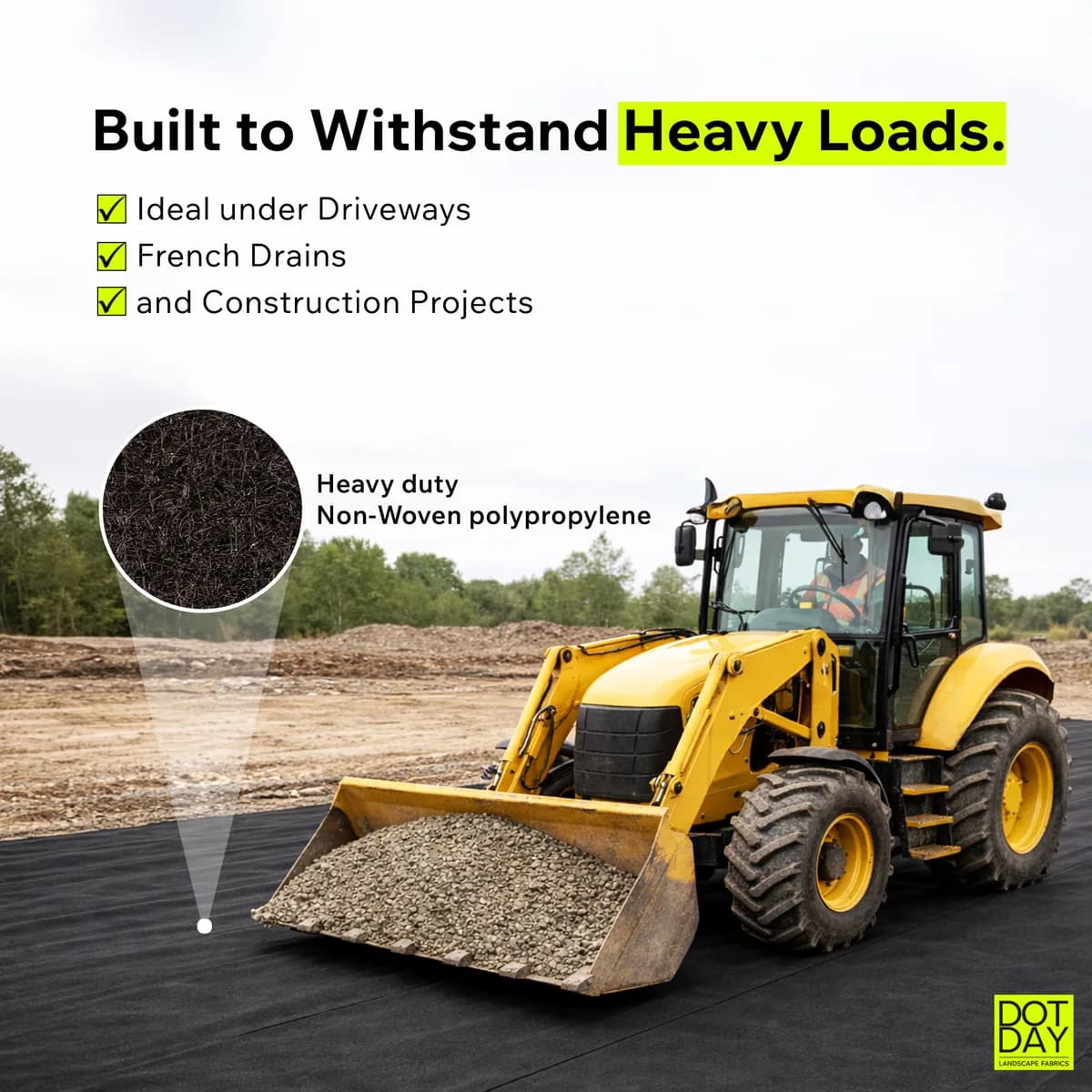
  • Road base and driveway subgrade stabilization where drainage must be maintained

  • Erosion control on slopes and embankments

  • Soil separation layers beneath aggregate where water movement is critical

DOTDAY's non-woven geotextile line is TERRA - available in 4oz, 6oz, and 8oz to match the hydraulic demand and load requirements of each drainage or filtration application.


Woven vs Non-Woven Landscape Fabric: Side-by-Side Comparison

Feature

Structure

Interlocked polypropylene strips

Needle-punched bonded fibers

Primary Function

Weed suppression + soil/aggregate separation

Drainage filtration + soil particle retention

Water Flow Rate

Moderate — slows water, retains moisture

High — moves water rapidly, filters fines

Tensile Strength

High — handles load bearing under gravel and pavers

Moderate to high — varies by oz weight

Best Applications

Gardens, mulch beds, gravel, pavers, farms, nurseries

French drains, retaining walls, road base, erosion control

DOTDAY Product

SHIELD 3.2oz / XBAR 5oz

TERRA 4oz / 6oz / 8oz

DOTDAY XBAR 5oz woven landscape fabric installed in a narrow side path between a brick wall and gravel border, with visible yellow planting lines
DOTDAY XBAR 5oz woven PP laid in a side path- its high tensile strength keeps gravel and aggregate separated from the subgrade in high-traffic, load-bearing runs.
DOTDAY TERRA 6oz non-woven geotextile fabric with water passing rapidly through it, demonstrating high water flow rate and drainage filtration
DOTDAY TERRA 6oz non-woven geotextile in action; water passes through rapidly while fine soil particles stay trapped. That's filtration, not just permeability, exactly what French drains and retaining wall backfill demand.

What About Oz Weight? Does It Matter?

Yes - significantly. The oz weight (ounces per square yard) is a direct measure of fabric density. Higher oz means more material, more durability, and longer service life. But heavier is not always better. The right weight depends on the application.

Here is how to read the landscape fabric thickness chart across DOTDAY's product range:

Weight

Type

Built For

DOTDAY Product

Woven PP

Garden beds, mulch, farms, nurseries, planting rows

Heavy-duty woven (dual-layer)

Gravel, rock, pavers, hardscape, high-traffic areas

Non-woven geotextile

French drains, standard drainage, soil separation

Non-woven geotextile

Retaining walls, backfill, moderate erosion control

Non-woven geotextile

Road base, commercial subgrade, heavy erosion control

A rule of thumb used by drainage contractors: choose your fabric type first (woven vs non-woven based on function), then choose the oz weight based on the load, traffic level, and expected service life. For long-term buried applications, always go one weight class heavier than you think you need.


The 3 Most Common Fabric Selection Mistakes

These mistakes show up repeatedly on job sites and in garden installations. Each one is avoidable with the right spec decision upfront.

1. Using Woven Fabric in a French Drain

Woven fabric is not a filtration material. In a drainage trench, fine soil particles lodge in the weave and progressively block it. Within a few seasons, the drain backs up and the system fails. French drains require non-woven geotextile - specifically DOTDAY TERRA - which is designed to pass water while trapping fine sediment.

2. Using Lightweight Non-Woven Under Heavy Gravel

Non-woven geotextile is not built for sustained compressive load. Under gravel driveways or paver bases, it compresses and allows aggregate to migrate into the subgrade. Hardscape applications need woven fabric - specifically DOTDAY XBAR at 5oz — which holds its structure under sustained weight and traffic.

3. Choosing by Price Instead of Weight and Type

A 1.5oz fabric from a big-box store is not a weed barrier - it's a temporary cover. Fabric that degrades in 18 months costs more in the long run than quality material installed once. The oz weight matters. DOTDAY SHIELD at 3.2oz is the professional minimum for reliable long-term weed suppression in garden and farm applications.


Choose the Right Fabric by Ground Condition

Start with the ground condition, not the product. Here is how DOTDAY maps each application to the right fabric:

Working on a multi-site project or ordering for a full crew? Request bulk pricing here — DOTDAY works directly with contractors, landscapers, and nurseries on volume orders.

Not sure how much material you need? Use the DOTDAY Fabric Calculator to get an accurate coverage estimate before you order.


Frequently Asked Questions

Can I use woven landscape fabric for a French drain?

No. Woven fabric is not designed for filtration. In a French drain, it will clog with silt and cause the system to back up over time. Always use non-woven geotextile — such as DOTDAY TERRA — for any subsurface drainage application.

Which is better under gravel — woven or non-woven?

Woven fabric is the right choice under gravel for weed control and soil separation. Its tensile strength prevents aggregate from sinking into the subgrade. DOTDAY XBAR at 5oz is built specifically for this application.

Does landscape fabric let water through?

Both woven and non-woven landscape fabric are water-permeable, but at very different rates. Woven fabric allows moderate water flow — enough for rainfall and irrigation to reach roots. Non-woven geotextile allows high-volume flow, which is why it is specified for drainage systems.

How long does landscape fabric last?

Quality woven fabric installed under mulch or aggregate lasts 15–25 years. Non-woven geotextile buried in a drainage application can last 25–50 years. Thin, low-weight fabric from hardware stores typically degrades within 1–3 years. See our guide on whether you can reuse landscape fabric for lifespan guidance and when replacement makes sense.

Is landscape fabric worth using at all?

Yes — when the right fabric is matched to the right application. Problems arise when low-quality or incorrectly specified fabric is installed. Professional-grade woven fabric under gravel or mulch provides decades of weed suppression with minimal maintenance. Non-woven geotextile in drainage applications is an engineering essential, not optional. The fabric works; the wrong choice of fabric does not.


Match Your Fabric to Your Ground Condition

Woven or non-woven isn't a preference - it's a specification decision. Choose it based on what the ground is doing and what the project demands. DOTDAY builds both to professional standards, and each product is matched to a specific set of ground conditions.

Browse the full range: DOTDAY SHIELD | DOTDAY XBAR | DOTDAY TERRA. For contractors and bulk buyers, reach out directly to discuss project quantities.


Comments


bottom of page